What You Really Need to Watch Out for in Thailand
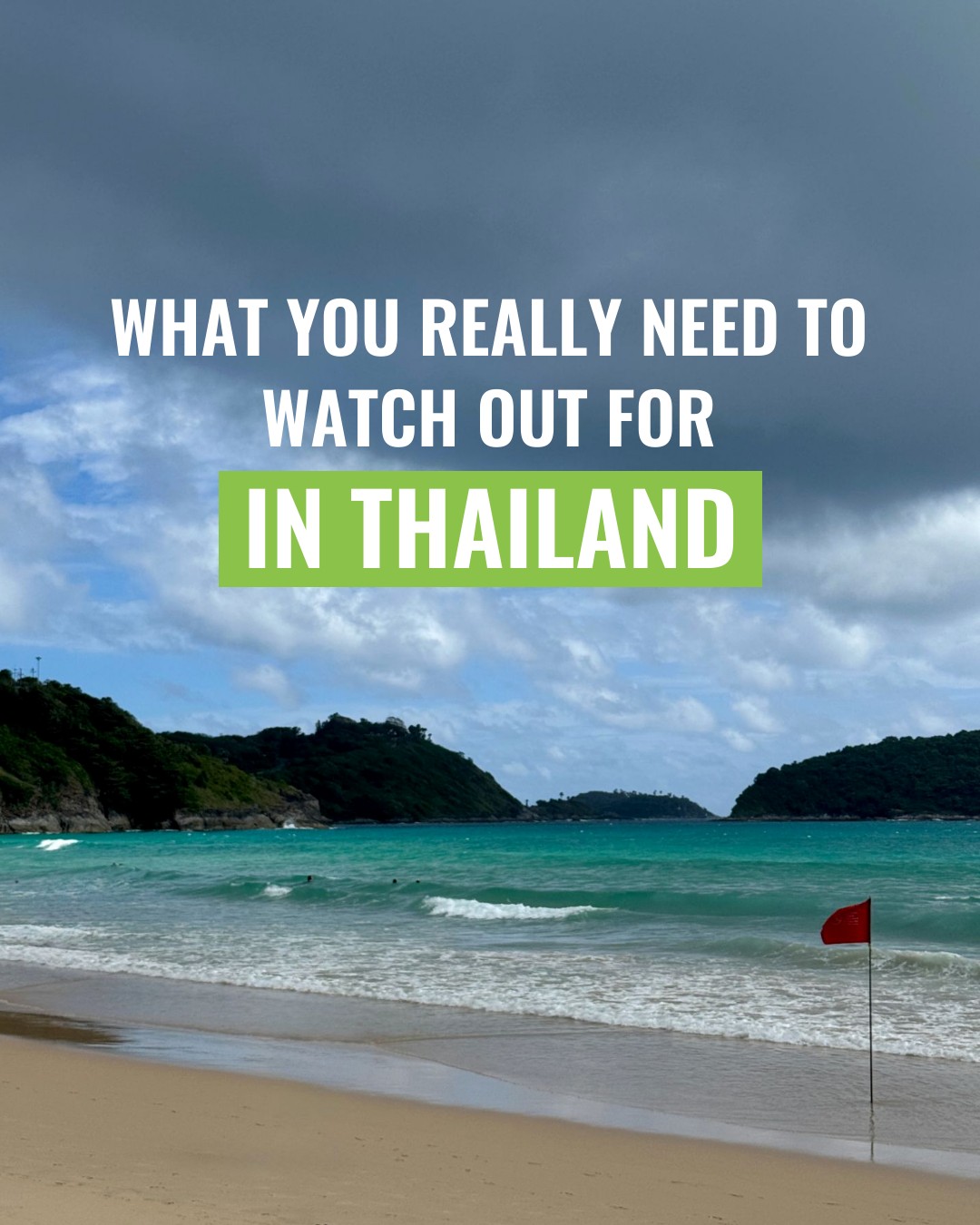
Thailand is rightfully considered one of the safest countries for travel in Asia. It’s no coincidence that it’s called the Land of Smiles. Street crime is rare here, people are friendly and willing to help, healthcare is of a good standard, and the infrastructure is designed with tourists in mind. Millions of foreigners come here every year and leave with a sense of comfort and coziness.
However, there is no such thing as a completely “sterile paradise.” In a hot climate, surrounded by the sea and jungles, there are certain nuances that can cause problems. It’s better to know in advance what you really should be cautious about in Thailand.
Roads and motorbikes are a real danger
If you ask expats what is most dangerous in Thailand, most will answer without hesitation: traffic. Road accident statistics here are indeed alarming — motorbike crashes are one of the leading causes of injuries and deaths among tourists.
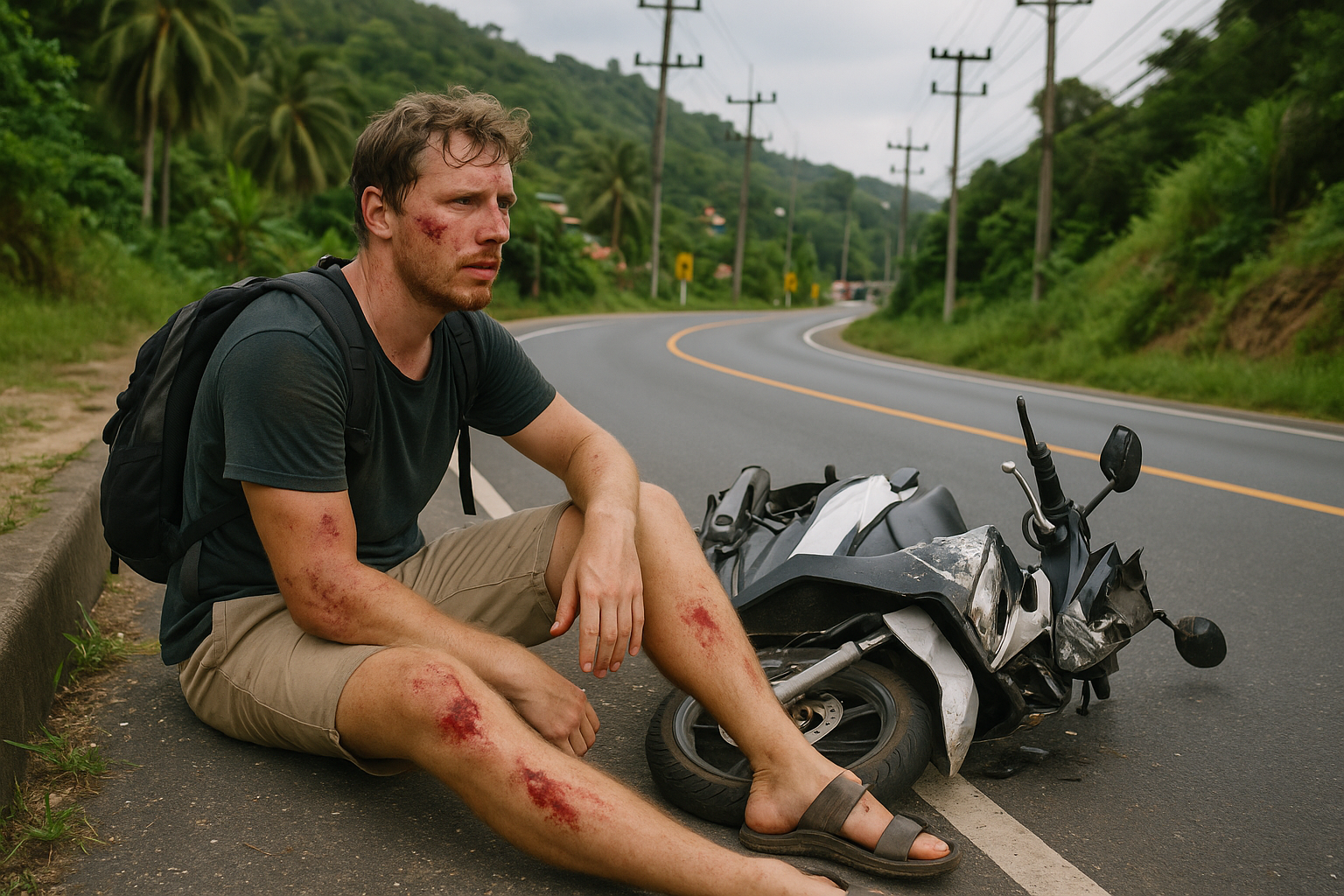
Phuket has traditionally struggled with a high rate of road accidents. According to some reports, more than 20,000 injuries and over 3,000 serious injuries are recorded annually, and the number of fatalities in 2024 amounted to 93.
If you are planning to drive in Phuket (especially a motorbike), you definitely need to be aware of the specific “Asian driving style.” Read more about it in the Traffic Rules in Phuket article.
Briefly on how not to become part of the grim statistics:
- never get behind the wheel without experience — it’s better to take a taxi or a tuk-tuk
- if you rent a motorbike, a helmet is mandatory — not for the police, but for your own head
- slow down on turns and in the rain
- never drive under the influence
The rules are simple and clear, but many people still ignore them. If you’re not confident, it’s better not to ride a motorbike. Check out the Taxi section — it’s always a reliable option. Even better is a car with a personal driver.
We’ve selected the three best car rental companies with chauffeur service. Fill out the form, and we’ll forward your request — they’ll contact you to provide details on the terms and pricing.
The Sea and Its Deceptive Nature
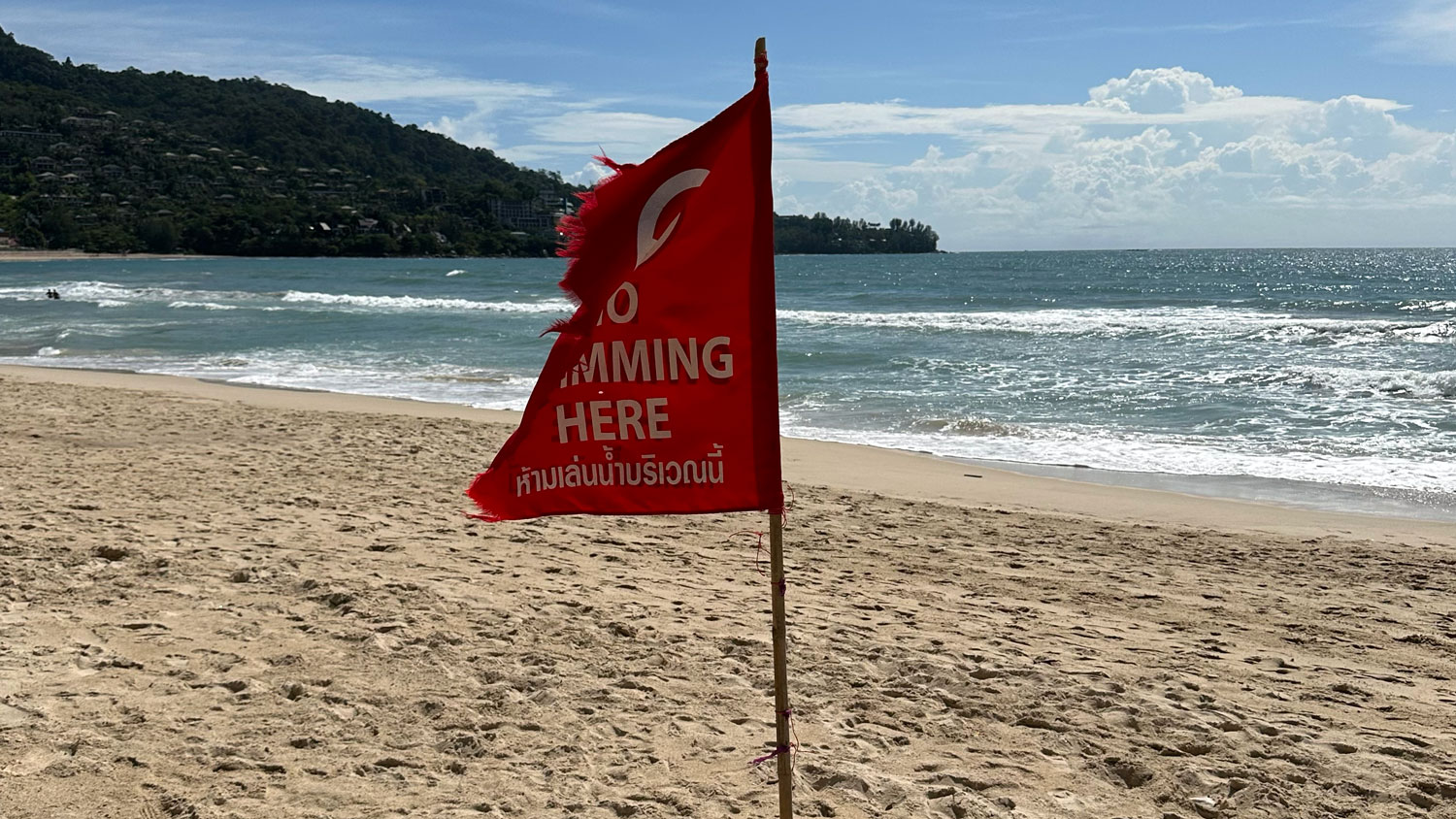
A postcard-perfect picture: a beach, a sunset, gentle waves. But the sea in Thailand can be harsh, and the waves not so gentle — especially during the low season. In Phuket, underwater currents and rip currents often form. We’ve written about this in detail in the article Rip Currents: How to Avoid Danger. Also, be sure to familiarize yourself with What Different Flags on Phuket’s Beaches Mean, because red flags are not just decoration.
There is also a chance of stepping on a sea urchin or being stung by a jellyfish while in the sea — neither of which is pleasant. You can read more about this in the article Dangerous Marine Creatures of Phuket.
There is one more thing that should not be forgotten, and it operates on the scale of a natural disaster. A tsunami is that “major danger” which happens rarely, but even once is enough to ensure it is never forgotten.
Phuket is located off the coast of the Andaman Sea, which is directly connected to the Indian Ocean. The main threat does not come from Thai territory itself, but from seismically active zones near Indonesia.
It was there that a powerful magnitude 9.1 earthquake occurred in 2004, triggering a catastrophic tsunami. More than 8,000 people were killed in Thailand, including around 250 in Phuket. You can learn more about the chronology of this tragedy at the Ban Nam Khem Tsunami Museum.
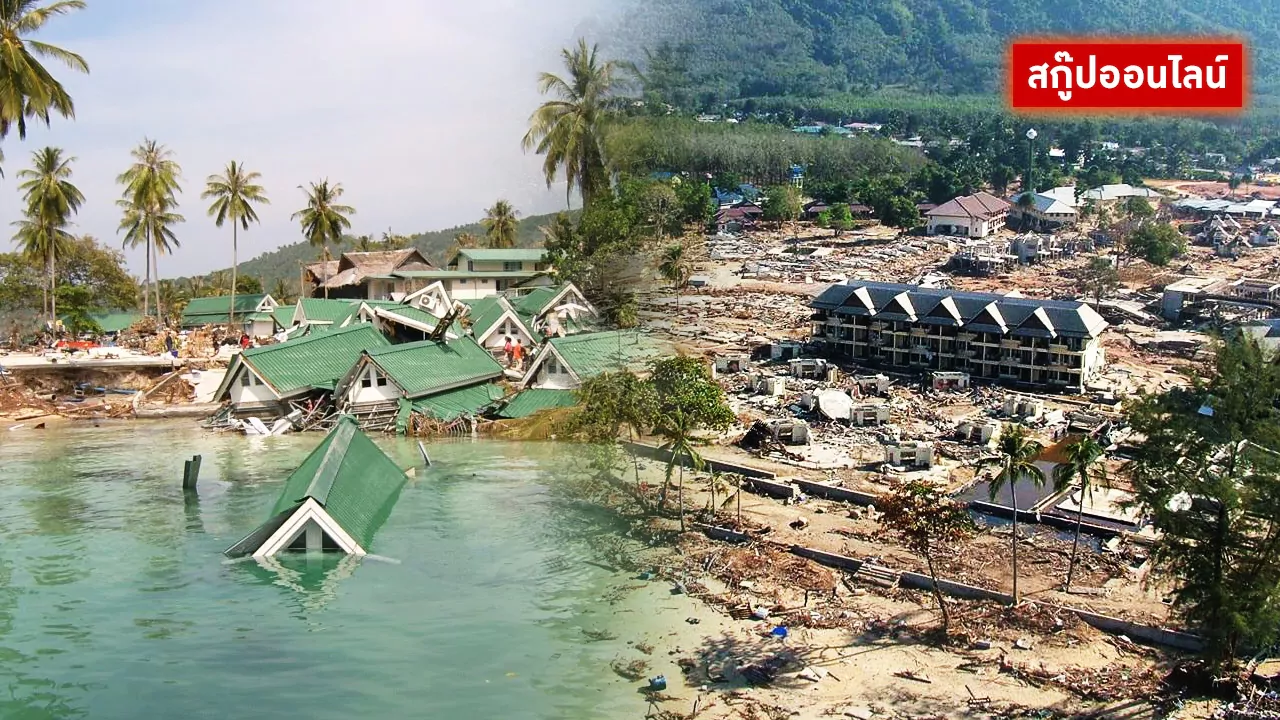
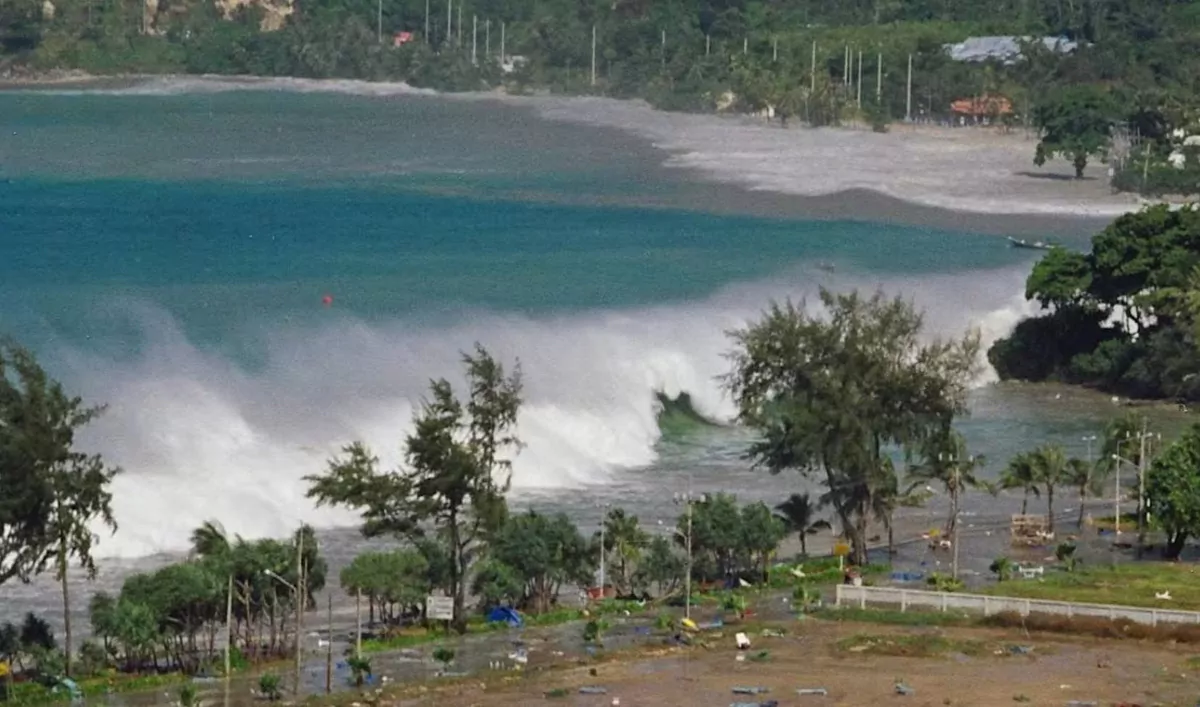
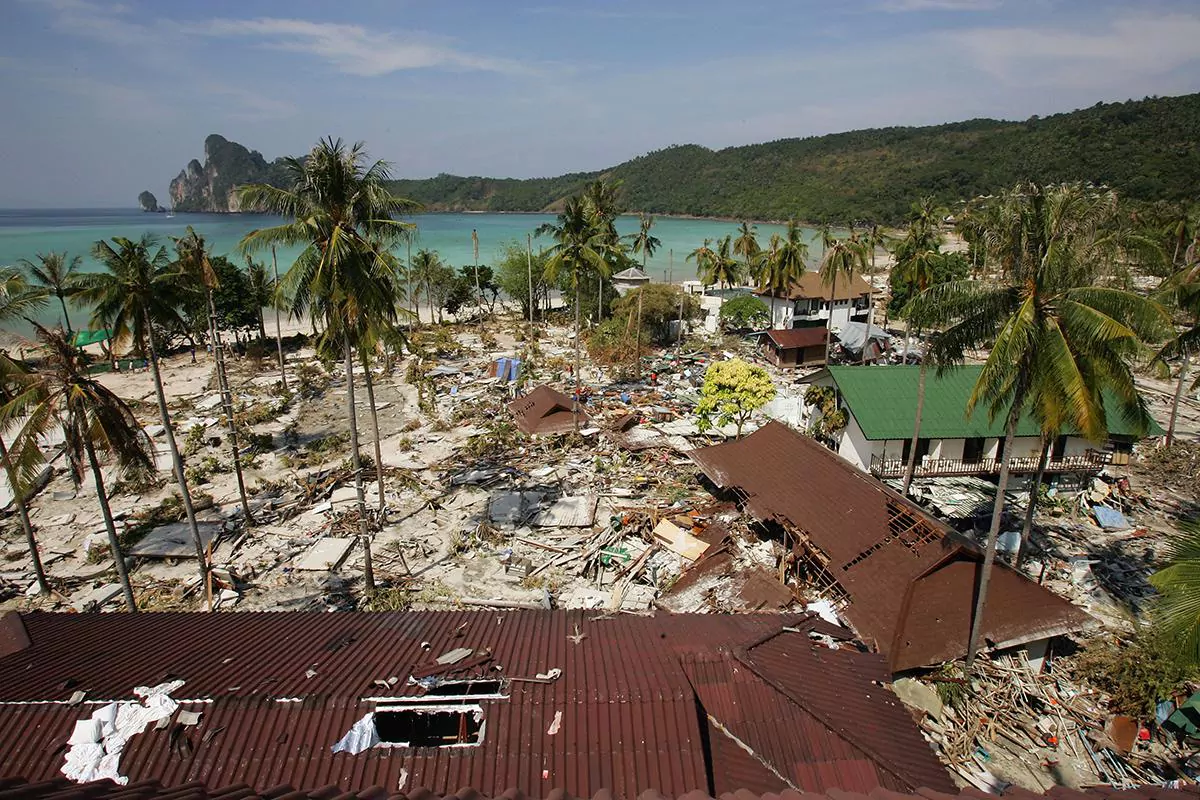
It was a shock for the entire country and a turning point after which the island became much better prepared for such risks. And now:
- Along the west coast (Patong, Kamala, Karon, Kata), early warning sirens have been installed. They are tested regularly.
- Hotels and beaches display signs with evacuation routes. These are usually blue signs reading “Tsunami Evacuation Route,” leading to higher ground.
- Authorities conduct drills for local residents and schoolchildren, while tourists are informed through announcements in hotels.
- The system for monitoring seismic activity in the region is connected to international centers, so the likelihood of a sudden tsunami is minimal.
Geologists say that such events occur once every few decades, sometimes once a century. Nevertheless, tourists should know the following:
- If you hear a siren or an announcement about a possible tsunami while on vacation, do not ignore it — follow the signs.
- The safest option is to move to the nearest high ground, 10–15 meters above sea level.
- In the event of a strong earthquake (if you suddenly feel shaking on the island), it’s best to move away from the shore immediately without waiting for announcements.
Political Situation
Although Thailand itself is traditionally considered a safe and stable country, relations with neighboring Cambodia escalated in 2025. Armed clashes occurred along the border between the two countries, forcing tens of thousands of people to flee their homes. International organizations have achieved a ceasefire, but the situation remains fragile.
A prolonged confrontation between the government and separatist groups is ongoing in southern Thailand — in the provinces of Pattani, Yala, and Narathiwat. Its modern phase began in 2004, although the roots of the conflict go back decades. The insurgents seek independence or broad autonomy for the region, driven by ethnic and religious motives. The clashes involve terrorist attacks, assaults, and retaliatory military operations, which have already resulted in thousands of people killed and injured. Despite the fact that the conflict affects only the southern provinces, this area remains one of the most tense and dangerous regions in the country.
However, for a tourist in Phuket, this is not a real threat, but rather a background concern.
It’s important to understand that all these events are taking place hundreds of kilometers away from tourist centers, including Phuket. They do not affect vacations in any way: resorts are operating as usual, and transport links are not disrupted. Still, it’s worth keeping an eye on the news to avoid falling victim to misinformation or panic caused by sensational headlines.
Snakes, insects, and other “jungle horrors”
Only the laziest person hasn’t heard about snakes in Thailand. Yes, they exist — it’s the tropics, after all. Thailand is home to more than a hundred snake species, including venomous ones. We’ve written about this in detail in the article The Most Dangerous Venomous Snakes in Phuket. But take a deep breath: the chances of encountering a banded krait during a beach walk are extremely low. Most snakes try to avoid people — they’re not eager to meet you either.
Dangerous insects, however, are much easier to encounter. Even an ordinary mosquito can cause plenty of trouble. That’s because mosquitoes in Thailand are far from harmless — they are carriers of dangerous viral diseases such as malaria and dengue fever. We discussed this in more detail in the article Dangerous Insects in Phuket.
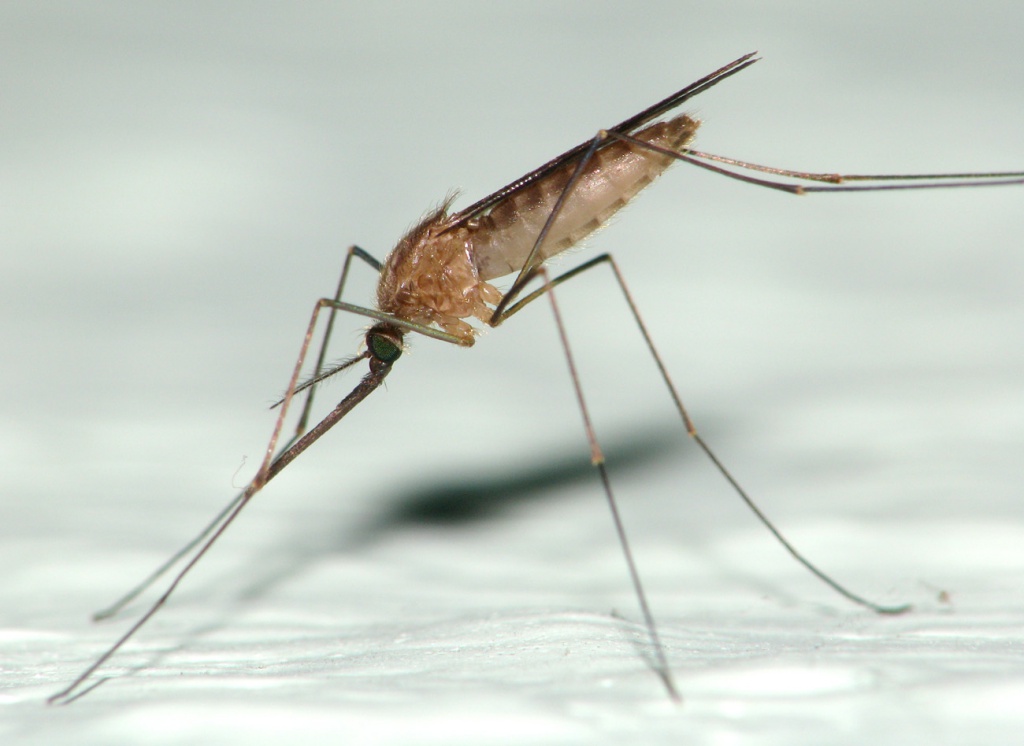
At first, the symptoms of dengue are easy to mistake for a common cold: high fever, body aches, headache, and rash. However, in severe cases the disease can progress to a hemorrhagic form, leading to blood vessel damage, internal bleeding, and a drop in platelet levels. A second infection with a different dengue strain significantly increases the risk of complications.
Malaria is less common and is found mainly in border regions, but it’s still important to recognize its symptoms: episodes of fever, chills, sweating, headache, and exhaustion. In severe cases, the liver and circulatory system are affected, and in extreme situations seizures and coma are possible.
How can you protect yourself? Use repellents, especially during the rainy season, and install window screens. If you are bitten and develop severe symptoms—high fever, extreme weakness, sharp headaches, or muscle pain—seek medical attention immediately. A list of clinics is available in the Hospitals section.
Sun and Heat — a Hidden Threat
What seems like “gentle vacation sunshine” can in reality lead to sunburn or heatstroke. Ultraviolet radiation in Thailand is very intense, and you can get burned in literally half an hour — yes, even if you have dark skin and even if you’ve never burned in the sun before.
Sunburn among tourists is common. Dehydration and heatstroke are another serious issue, especially for those who rent a motorbike and ride around all day in the heat without enough water.
There is a solution, and it’s simple: use sunscreen with a high SPF, wear a hat, and carry a bottle of water with you. Also, try not to stay outdoors for long during the hottest part of the day—nothing really helps when it’s +40°C outside.
Food and Health
Street food in Thailand is amazing. Night markets are legendary. Still, there are plenty of horror stories about local food: “You’re guaranteed to get food poisoning!” In reality, it all depends on the place and your own body. In cafes and at markets, food is cooked right in front of you — and that can actually be safer than a questionable little “restaurant” around the corner, where food sits in the heat and is prepared in unsanitary conditions.
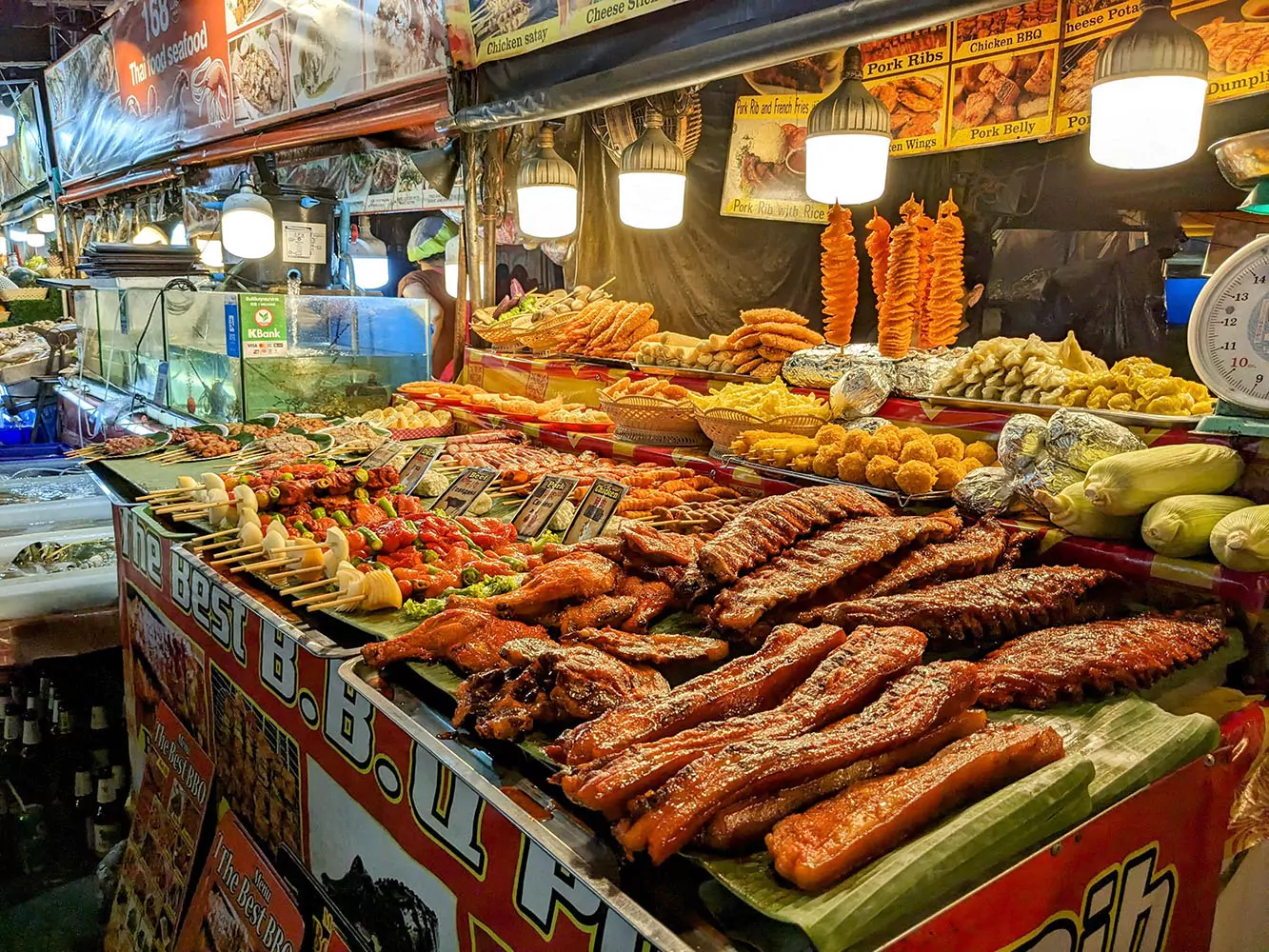
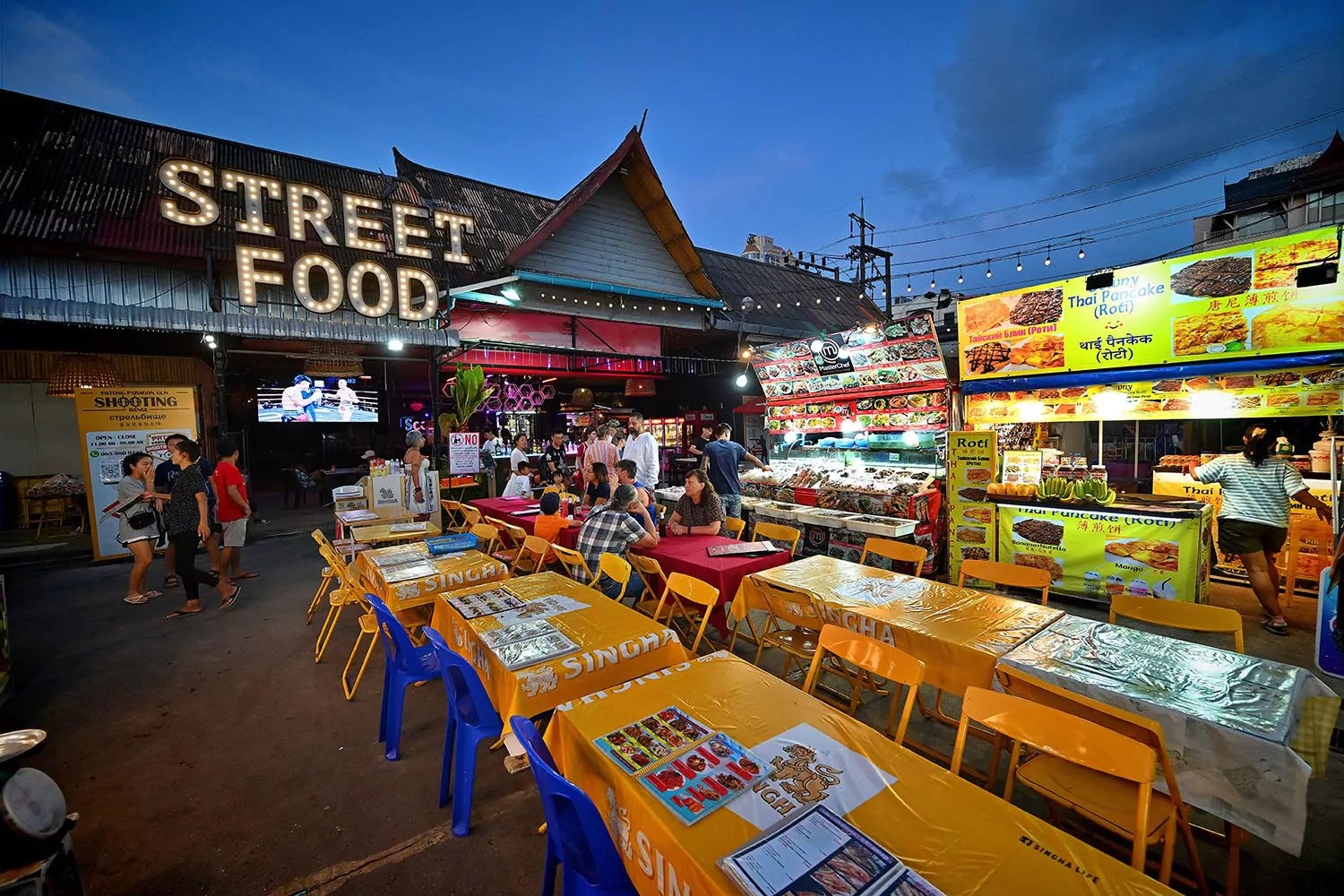
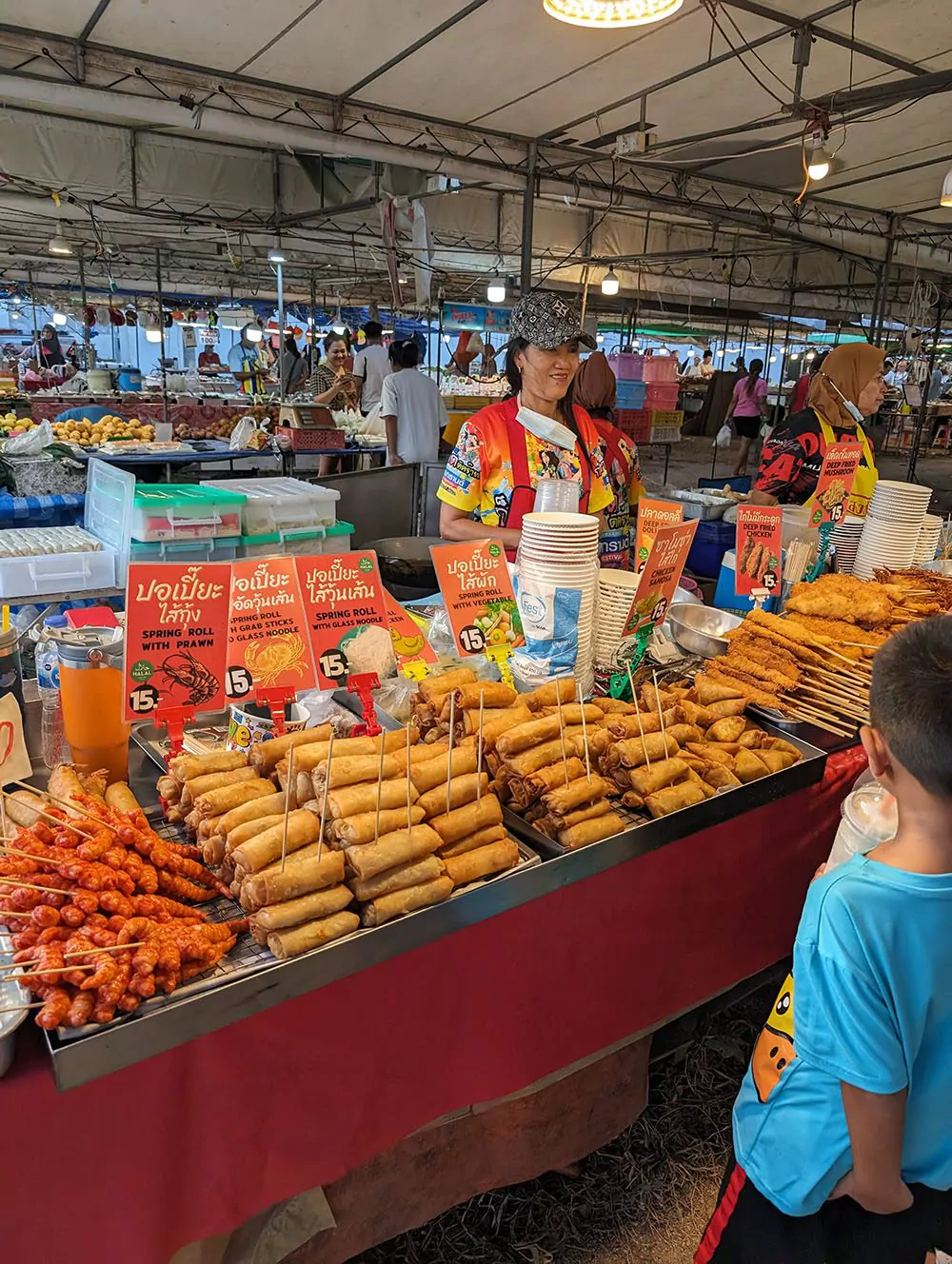
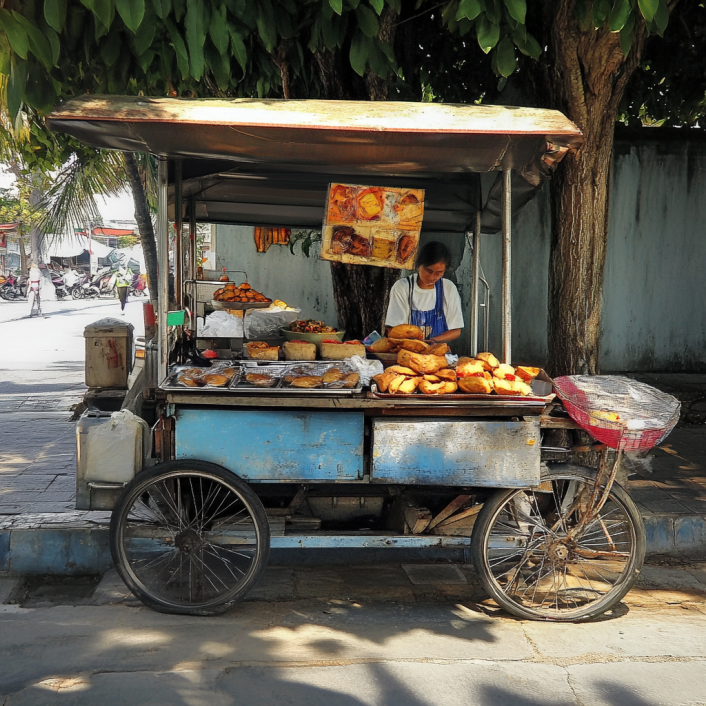
The main risk comes from drinks with ice sold at street stalls or small eateries. Although industrial ice is usually used for beverages, it is often stored in boxes that are not cleaned regularly. Dust, remnants of old ice, and dirty tongs can get inside, contaminating the water — leading to bacteria buildup and, as a result, food poisoning.
Other risks include unfamiliar spices, overly spicy dishes, and low-quality seafood. Dehydration during gastrointestinal upsets is also something to watch out for. If this happens, drink plenty of fluids and take sorbents and electrolytes. Many medicines for food poisoning can be found even in supermarkets. We wrote about this in the article First-Aid Kit from 7/11, and we also have a comprehensive guide titled Thai Pharmacy: Essential Medicines.
If symptoms are severe, go to a hospital immediately. Medical care in Thailand is high-quality but not cheap, so we strongly recommend getting insurance — it’s not a formality, but a real necessity.
We’ve found a reliable insurance company in Phuket for you. Fill out the form, and we’ll forward your request — they’ll contact you to provide details on the terms and pricing.
Scammers and Fraudsters
Thailand is famous for its hospitality, but there are also people here who want to make money off tourists. Quite often, they aren’t even locals, but other foreigners just like you.
Common schemes include:
- Motorbike or car rentals. You may be asked to pay for a “scratch” that was already there before you rented the vehicle.
- Real estate rental scams.
- Overpriced tour packages. Street agents often inflate the cost of excursions.
We’ve covered all the popular scams in detail in the article Scams in Phuket.
The best way to avoid problems is to check reviews, use official services, and always take photos of the vehicle before renting it. And follow our recommendations — we work only with trusted companies.
So, what’s the bottom line?
If you’re worried that Thailand is nothing but venomous insects, crime, and unsanitary conditions, you can relax. The real dangers here are the roads, the sun, and inattention to your own health. Everything else is either exaggerated or easily manageable if you follow basic safety precautions.
Thailand remains one of the most welcoming and convenient travel destinations. The risks here are the same as in any other country: they shouldn’t be underestimated, but there’s no need to turn your vacation into paranoia either. Enjoy your time in Phuket, and Insider will help make your holiday brighter and more diverse!