Mosquito: the Most Dangerous Creature in Phuket
When we imagine the most dangerous animals in Thailand, sharks, venomous snakes and spiders usually come to mind — or at least aggressive monkeys that love stealing food from tourists. We even have articles about this, such as The Most Dangerous Venomous Snakes in Phuket and Dangerous Marine Creatures of Phuket. But in reality, the main enemy of humans here is a tiny insect, almost invisible against the lush tropical greenery: the mosquito.
Mosquitoes in Phuket are carriers of dangerous infections - Dengue fever, Japanese encephalitis and malaria. Unlike toothy predators that you still have to encounter somewhere, mosquitoes lie in wait every single day and every single night.
Good news: in 2025, the incidence of dengue fever in Phuket dropped by half compared to 2024. Nevertheless, if you plan to travel to neighboring provinces, the risk still remains.
We’ve already talked about mosquitoes in our article Dangerous Insects in Phuket, but now let’s go into more detail — what exactly makes them dangerous, how to protect yourself, and what to do if something does happen.
Diseases Carried by Mosquitoes in Phuket
1. Dengue Fever
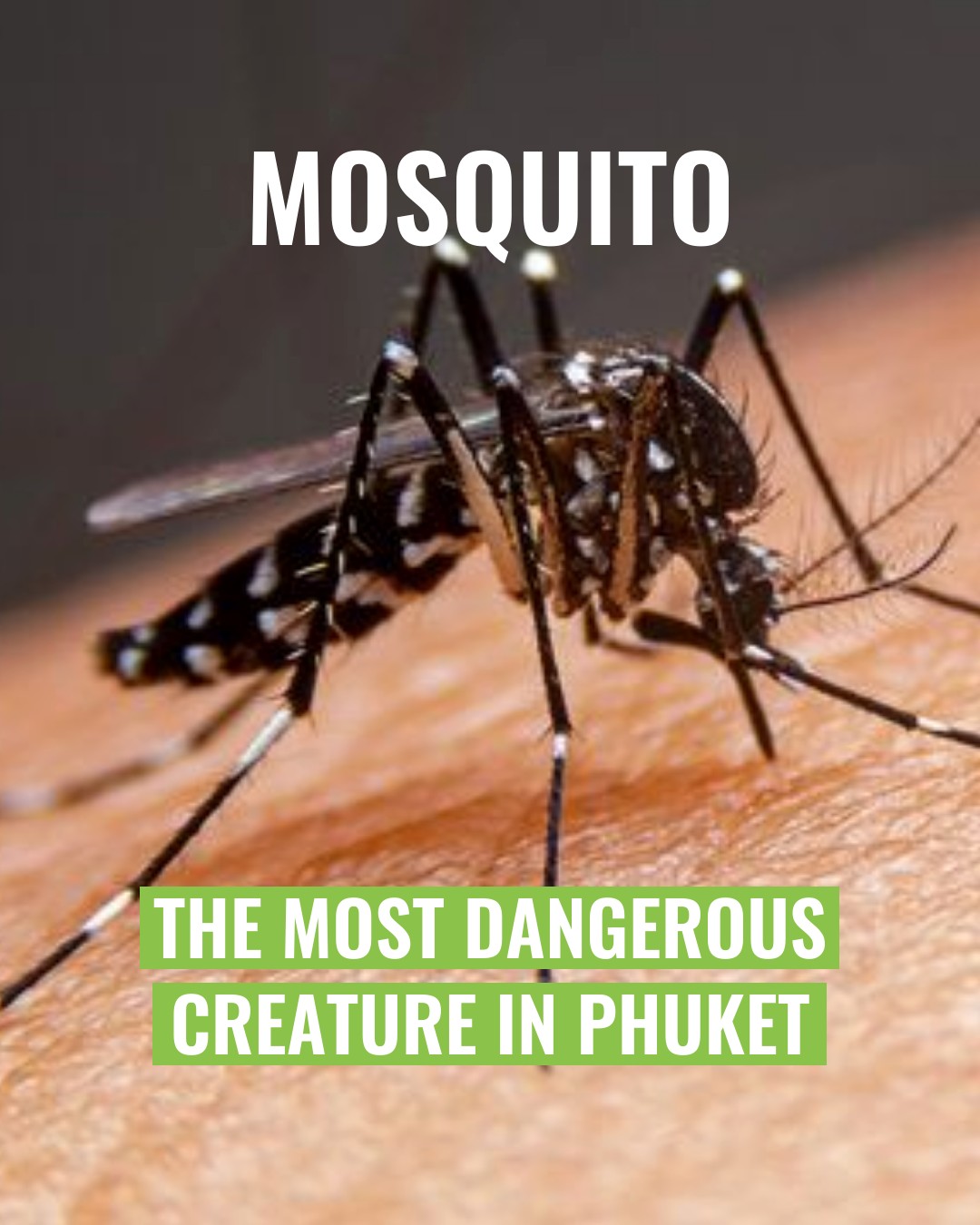
This is the most common mosquito-borne disease in Thailand. It is transmitted by mosquitoes of the Aedes aegypti and Aedes albopictus species, which are easy to recognize by the white stripes on their legs. These “tiger” mosquitoes are especially sneaky because they bite during the daytime rather than at night, particularly in the morning from 8:00 to 11:00 AM. The peak dengue season is during the rainy season, from May to October. Puddles and high humidity create ideal conditions for mosquito breeding.
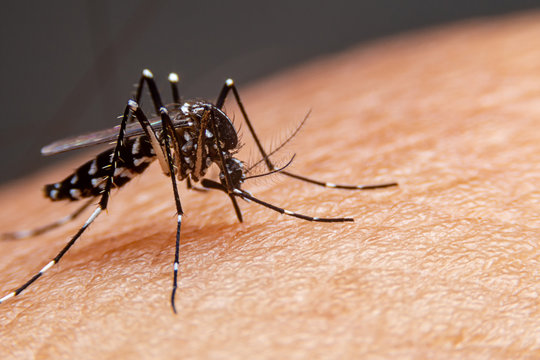
Symptoms of Dengue Fever:
- high fever (up to 40°C / 104°F);
- severe headache and pain behind the eyes;
- muscle and joint aches (which is why dengue is also called “breakbone fever”);
- skin rash;
- nausea and weakness.
There are four types of dengue fever. In most cases, the illness progresses like a viral infection, with fever, body aches, and a rash. However, in some patients, a complication develops — dengue hemorrhagic fever.
Important: with this type of dengue, internal bleeding and a drop in blood pressure are possible. In such cases, urgent hospitalization is required! Hospitals in Phuket can be found in the Hospitals section.
Mechanism of Development
- When a person is infected again with a different serotype of the virus, the immune system may overreact.
- A “cytokine storm” is triggered in the body, and vascular permeability increases.
- As a result, blood begins to leak through the vessel walls, leading to internal bleeding, a drop in blood pressure, and shock.

The disease usually develops in several stages:
1. Initial stage (similar to regular dengue):
- high fever (39–40°C / 102–104°F);
- severe headache, muscle and joint pain;
- rash;
- nausea and weakness.
2. Critical stage (days 3–5):
- a sudden drop in temperature (along with a worsening of the overall condition);
- bleeding gums and nosebleeds;
- bruising and petechiae (small red spots on the skin caused by bleeding);
- blood in urine or stool;
- severe abdominal pain, persistent vomiting;
- shortness of breath, weakness, cold extremities (signs of developing shock).
3. Dangerous complications:
- plasma leakage syndrome (fluid leaks from blood vessels into tissues, causing swelling and severe weakness);
- dengue shock — a drop in blood pressure and loss of consciousness;
- death without timely intensive care.
Treatment
There is currently no specific cure for dengue. Treatment focuses on supporting the body and includes IV fluids to restore fluid and electrolyte balance, monitoring blood pressure and heart function, symptomatic therapy, and in some cases blood or plasma transfusions.
Formally, vaccines against dengue do exist, but it’s not that simple: there is currently no mass preventive vaccination available for everyone in Phuket (or in Thailand in general).
The first registered dengue vaccine is called Dengvaxia (Sanofi Pasteur). It has been approved in a number of countries, including Thailand. However, it is given only to people who have already had dengue at least once. If the vaccine is administered to someone who has never been exposed to the virus, the risk of a severe course of the disease during a subsequent infection may actually increase.
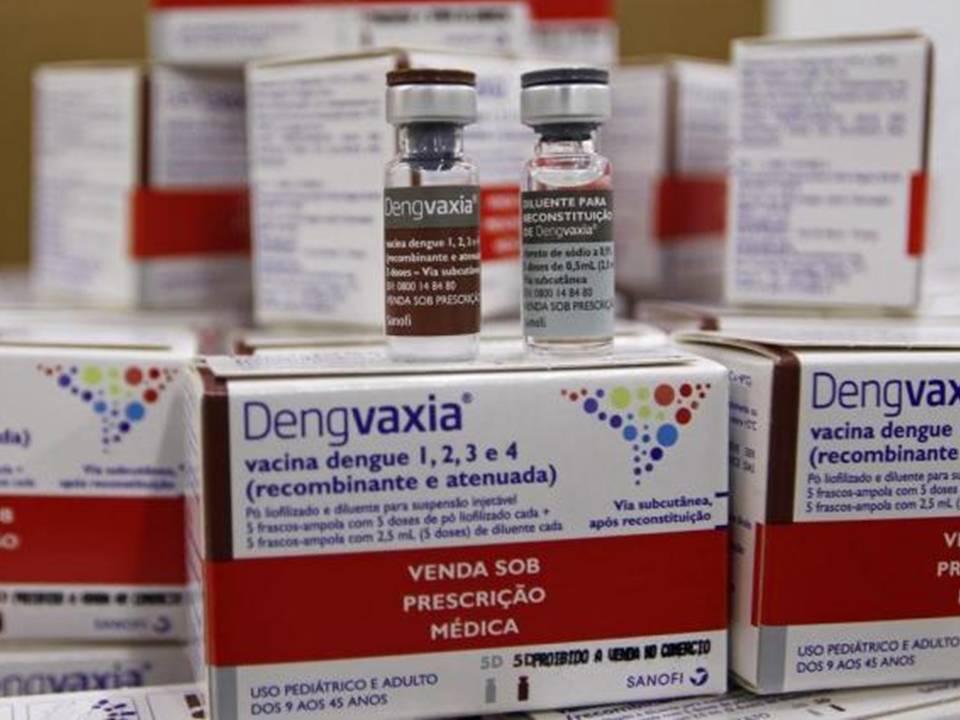
Another vaccine, approved in the UK, the EU, and several other countries, is called Qdenga (Takeda). It can also be given to people who have never had dengue before. However, the availability of this vaccine is still limited, and it is not widely used in Asia.
2. Japanese Encephalitis
This is a rarer but also very serious infection that affects the central nervous system. It is transmitted by Culex mosquitoes, which are more common in rural areas, near rice fields and bodies of water. However, isolated cases also occur in tourist regions, especially during the rainy season.
Why the disease is dangerous: inflammation of the brain, high fever, seizures, and loss of consciousness. In severe cases, disability or death is possible.
There is a vaccine against Japanese encephalitis. Vaccination is available at international hospitals in Phuket. Usually, two doses given one month apart are sufficient.
Vaccination is recommended for those who live in Thailand or plan to stay here for a long time, for children, and for travelers visiting rural areas, especially during the rainy season.
Symptoms
In 99% of infected people, the disease is asymptomatic or mild (slight fever and weakness). Symptoms of a severe form include:
- sudden high fever;
- headache;
- vomiting;
- disorientation and confusion;
- seizures;
- coma.
Mortality in severe cases can reach up to 30%. Among survivors, about half may suffer from neurological consequences (movement disorders, speech and memory impairments).
3. Malaria
Malaria is an infectious disease caused by protozoan parasites of the Plasmodium genus, which are transmitted through the bites of female Anopheles mosquitoes. Unlike dengue or Japanese encephalitis, malaria is caused by parasites rather than viruses.
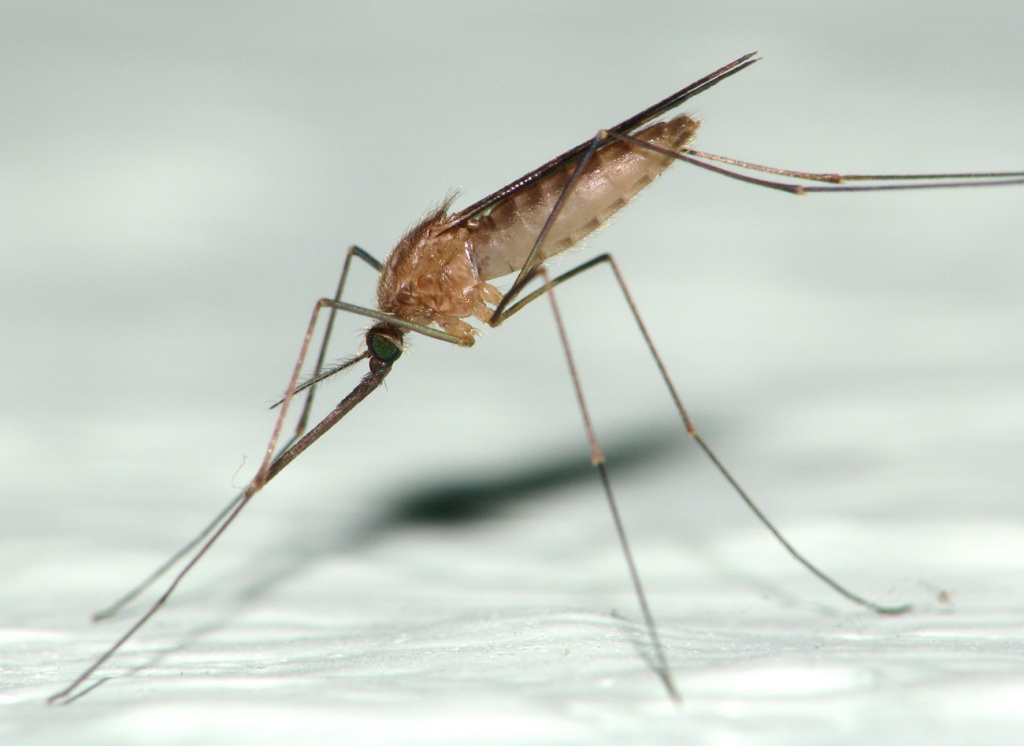
How can you tell a malaria-carrying mosquito from an обычный one? By its posture: ordinary mosquitoes rest on the skin parallel to the surface, while a malaria mosquito appears to “stand on tiptoes” — its abdomen sticks up at an angle. Also, unlike dengue carriers, malaria mosquitoes are active mainly at dusk and at night.
Good news: the risk of contracting malaria in Phuket is minimal. The main hotspots are in northern Thailand and border areas with Myanmar, Laos, and Cambodia. However, the risk cannot be completely ruled out, especially if you plan to travel beyond the island.
Symptoms of Malaria
Incubation period: from 7 to 30 days (depending on the type of Plasmodium).
- bouts of high fever;
- chills and heavy sweating;
- severe weakness and headaches;
- muscle and joint pain;
- nausea, sometimes diarrhea;
- enlargement of the liver and spleen.
The main danger is that malaria can progress to a severe form. Complications are also possible, including anemia, brain damage (cerebral malaria), and kidney and liver failure. Without proper treatment, it can be fatal.
Today, malaria is treated with specific medications (for example, artemisinin-based combination therapies, chloroquine — depending on the region and strain).
There is currently no malaria vaccine for mass use (only in Africa). The main prevention method is medication, used for people traveling to endemic areas. Drugs such as atovaquone–proguanil, doxycycline, or mefloquine are commonly prescribed.
4. Other Infections
Other mosquito-borne viruses also occur in Asia, including chikungunya and the Zika virus. They are less common but can still cause unpleasant symptoms — from high fever to rashes and joint problems.
How to Protect Yourself from Mosquito Bites
You can avoid encounters with this small but “dangerous enemy” by following a few simple rules.
- Repellents are your best friends. In Thailand, effective products based on DEET or icaridin are widely available. Use them both during the day and in the evening. Apply to exposed skin and lightly to clothing.
- Clothing. In the evening, and especially in rural areas, it’s better to wear lightweight long pants and long-sleeved shirts. Light-colored clothing attracts mosquitoes less.
- Screens and air conditioning. In good hotels and villas, windows are usually protected with mosquito screens. Air conditioning also reduces mosquito activity, as they prefer warm, humid air.
- Avoid standing water, as mosquitoes breed in stagnant water. Don’t leave containers with water on balconies, and check for puddles near your accommodation.
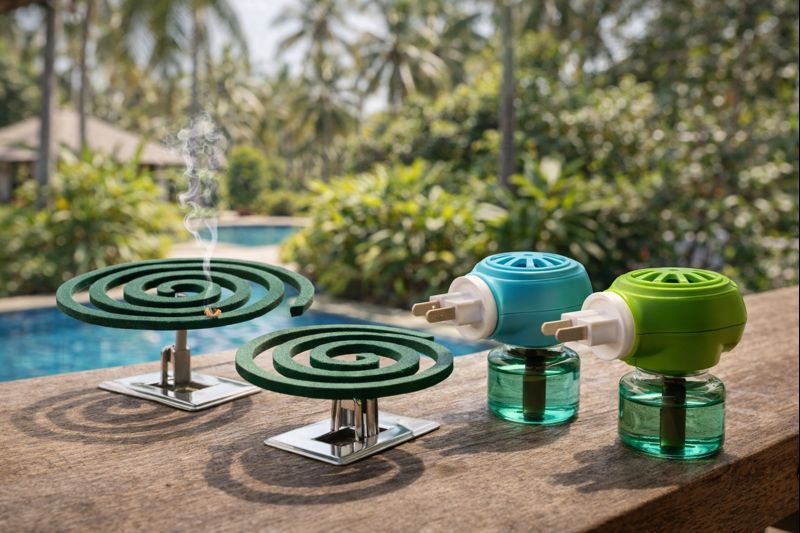
- Mosquito coils and fumigators. These can be bought at any supermarket or pharmacy. Coils repel mosquitoes outdoors, while electric fumigators are used indoors.
Vaccinations: Should You Get Them in Advance?
- Japanese encephalitis: recommended for those planning a long stay in Thailand, especially with children. Vaccination can be done either in your home country or locally.
- Malaria: there is no vaccine yet, but preventive tablets are available (relevant for northern regions, not for Phuket).
- Dengue: there is currently no widely available vaccine, but research is actively ongoing.
What to Do If Symptoms Appear
If you suddenly develop a fever above 38.5–39°C (101.3–102.2°F), a rash, severe headache, or muscle or joint pain, do not self-medicate. Paracetamol is acceptable for reducing fever, but avoid aspirin and ibuprofen — they can increase the risk of bleeding in cases of dengue.
Where to Seek Help in Phuket
There are several modern international hospitals on the island with English-speaking staff, where tests can be carried out quickly and medical assistance provided. They are listed in our Hospitals section. We also recommend getting medical insurance in advance — if inpatient treatment is needed, it can help save a significant amount of money.
We’ve found a reliable insurance company in Phuket for you. Fill out the form, and we’ll forward your request — they’ll contact you to provide details on the terms and pricing.
In emergency situations, you can call an ambulance at 1669, the nationwide emergency number in Thailand.
Living in the tropics can be safe if you know and follow simple rules. And let mosquitoes remain just a background detail of your vacation — not its main memory.