Phang Nga Province: A Paradise for Nature Lovers
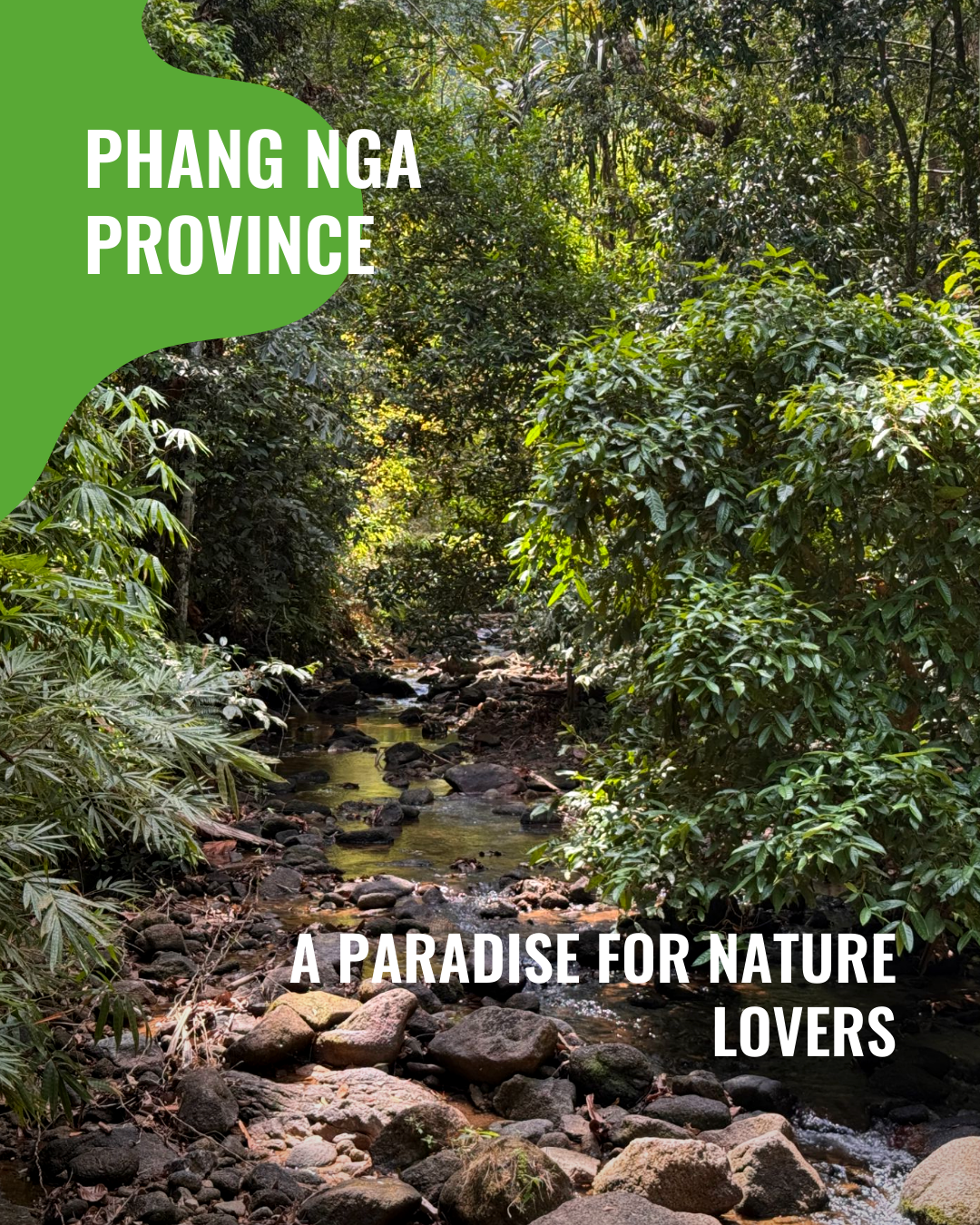
Phang Nga is one of Thailand’s most picturesque provinces with pristine nature and deserted beaches. It is located on the mainland and borders Phuket to the south. This oasis of beauty and tranquility primarily attracts travelers with its unspoiled nature, stunning landscapes, deserted beaches, and rich variety of flora and fauna.
Here you can also find many other attractions. Let’s explore what you absolutely must see in Phang Nga.
We’ve selected the three best tour companies that offer excursions to Ao Phang Nga National Park. Fill out the form, and we’ll forward your request — they’ll contact you to provide details on the terms and pricing.
To visit Phang Nga National Park (including the famous James Bond Island) in a private format rather than as part of a group tour, please contact us using the buttons below:
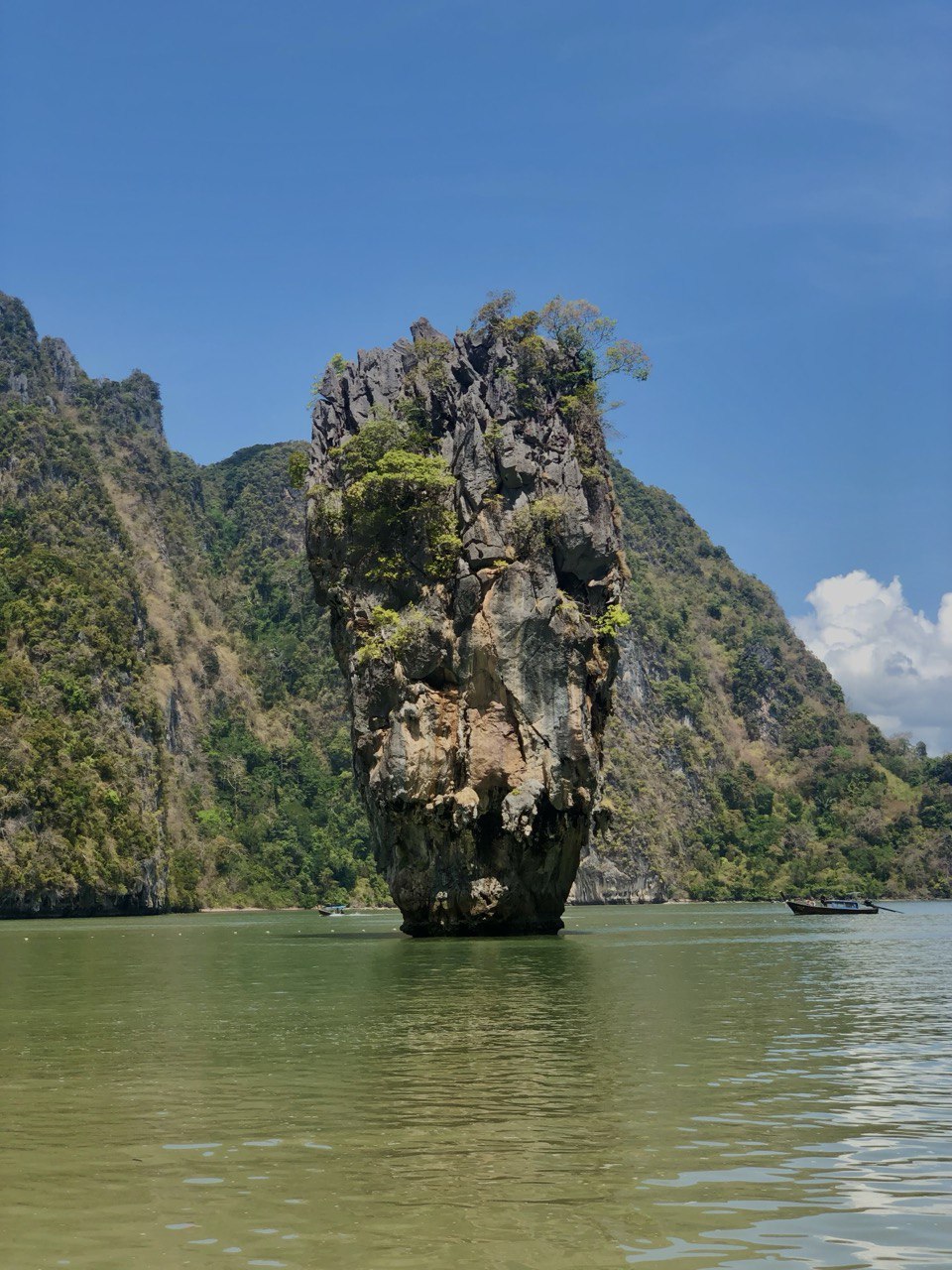
Phang Nga Bay – the region’s most famous natural attraction. It is home to dramatic limestone karst formations rising out of the water, creating breathtaking landscapes. The bay is also famous for its islands, the most iconic being James Bond Island, which became a global symbol after it was featured in a 007 movie. With its towering cliffs and karst caves, the island attracts tourists and filmmakers from all over the world.
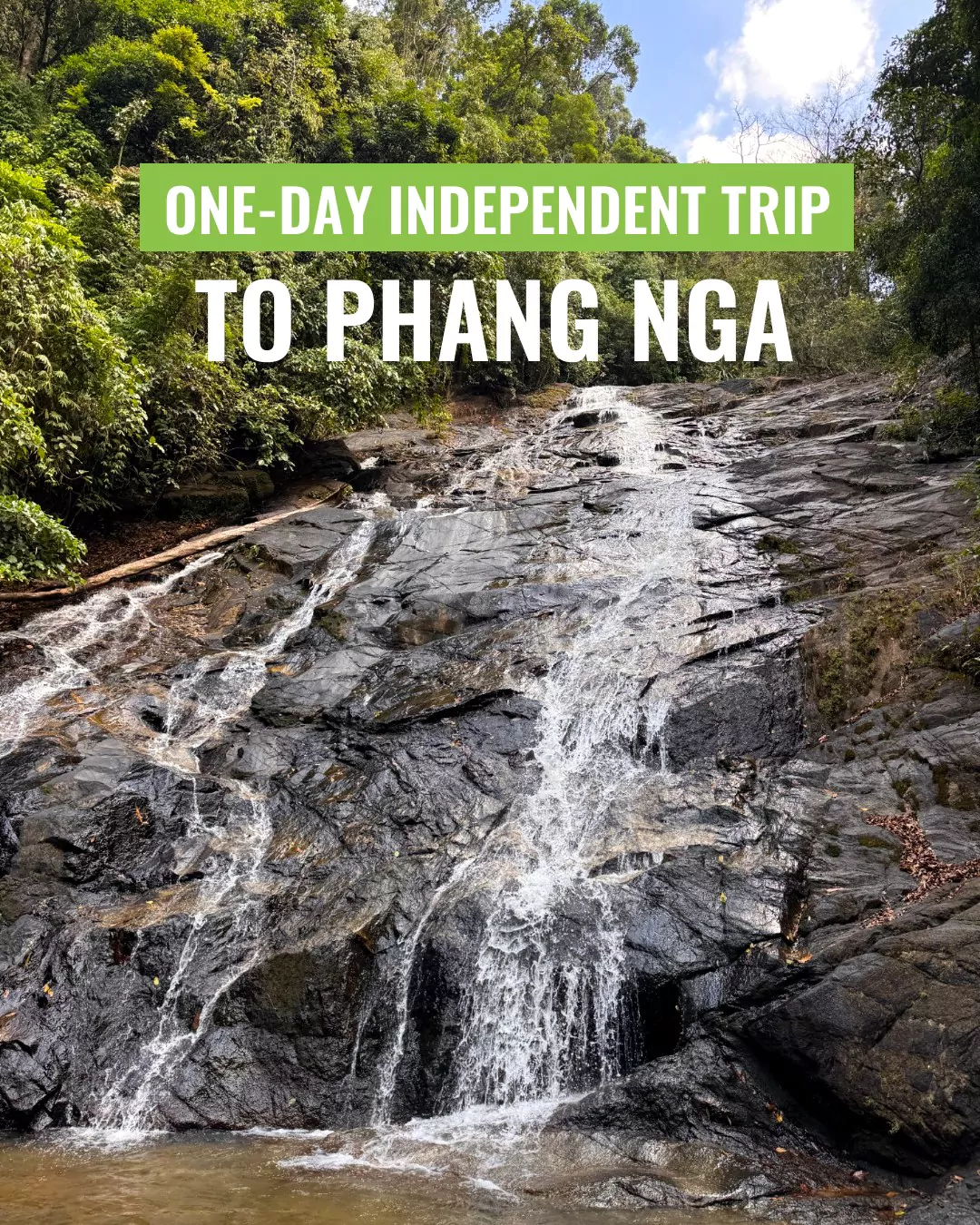
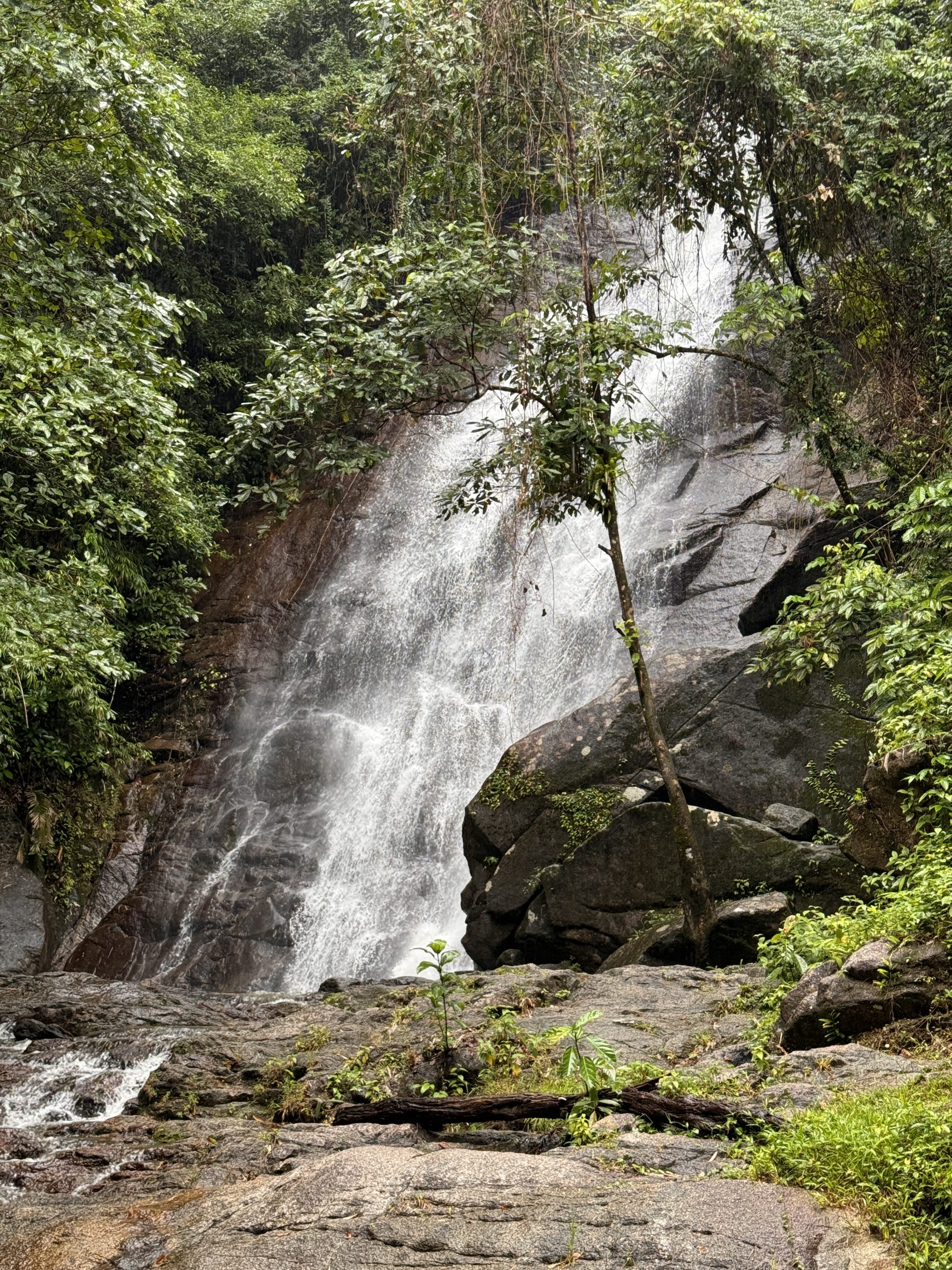
Khao Lak–Lam Ru National Park. Another natural gem of Phang Nga is Khao Lak–Lam Ru National Park, which features tropical forests, waterfalls, and mountain ranges. The park is perfect for hiking, kayaking, and wildlife watching. Visitors can spot rare species of flora and fauna, including monkeys and exotic birds. For example, you can find macaques, silvered langurs, flying squirrels, hornbills, and various species of butterflies here. The park is also home to several beautiful waterfalls, such as Lam Ru, Lam Prao, Ton Chong Fa, and Hin Lad. Another popular waterfall in Phang Nga is Phu Pha Waterfall — a powerful, full-flowing cascade surrounded by dense jungle.
Khao Sok National Park. Breathtaking landscapes, the Amazon-like Sok River, extraordinary temples, and the rare, giant, and fragrant Rafflesia flower — all of this can only be found in this part of Thailand. The blooming period usually falls between November and March, especially during the peak of the dry season in January and February. The flower lasts only 3–5 days, so even during the season, spotting one is always a lucky find. To see the rafflesia, you need to go deep into the park along trails with a guide — finding it on your own is practically impossible.
One of the wonders of Khao Sok is the man-made Cheow Lan Lake, a reservoir with winding, rocky shores that resemble the famous Norwegian fjords. You can rent a boat and explore the surrounding nature, gliding among the towering karst cliffs.
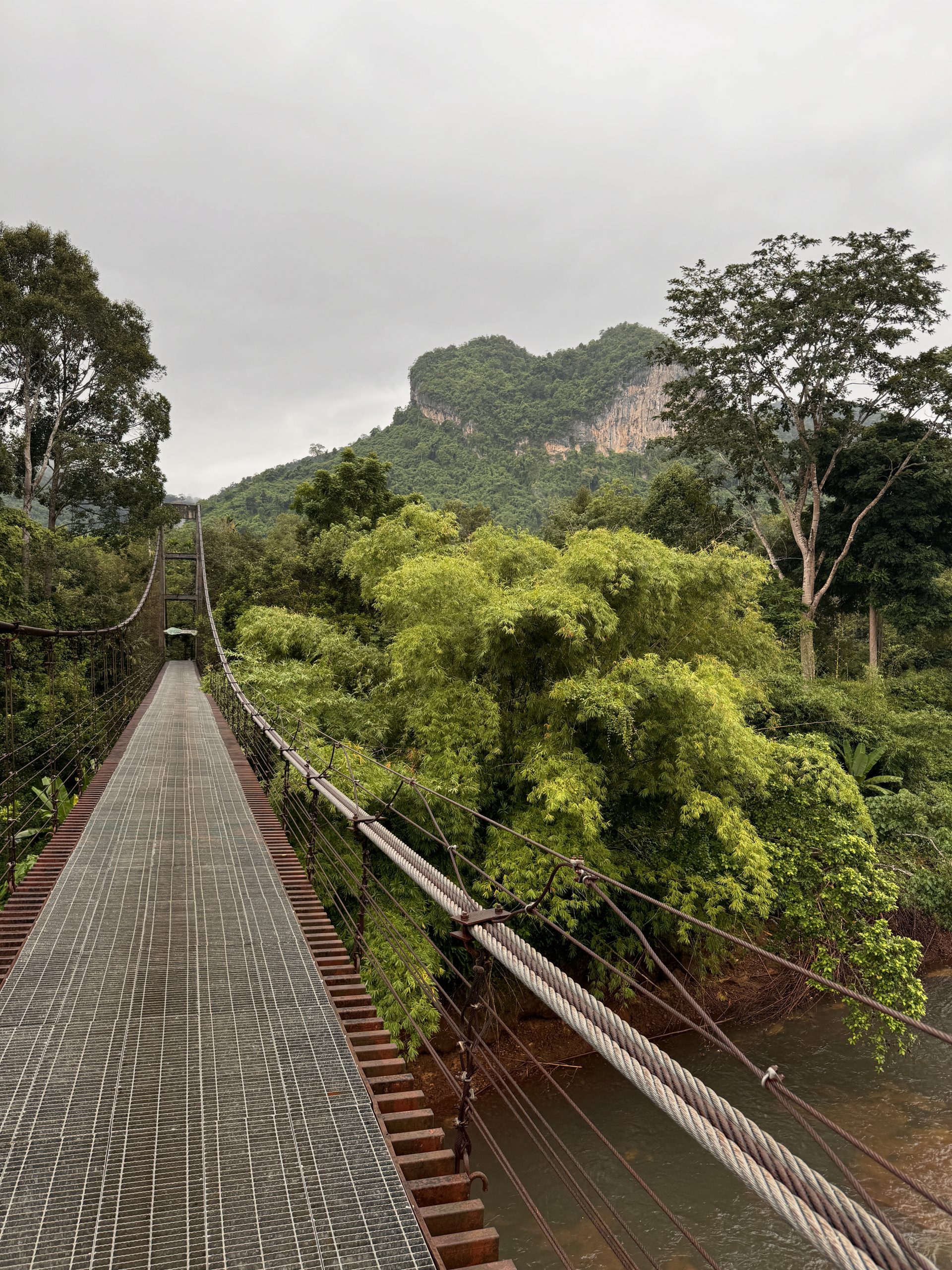
Suspension Bridge. This pedestrian bridge offers stunning panoramic views and is a perfect spot for capturing incredible photos.
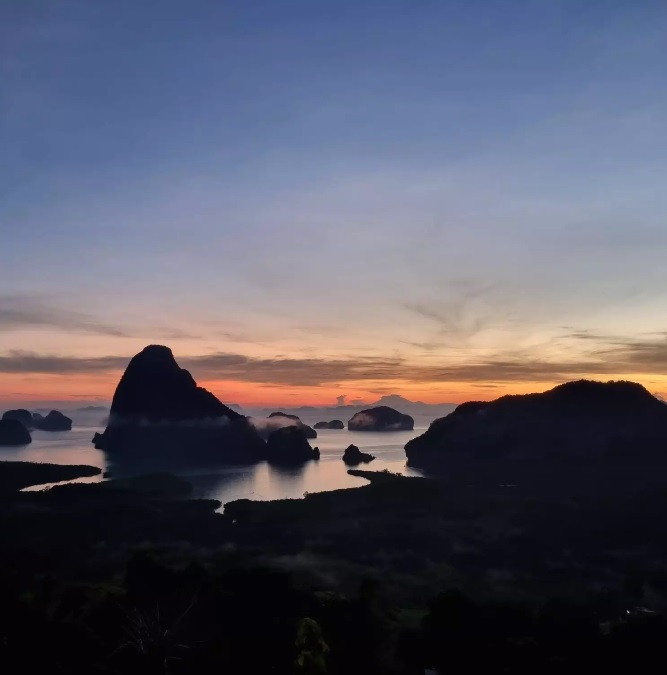
Samet Nangshe Viewpoint. This hilltop viewpoint offers a stunning panorama of the location where the James Bond movie was filmed. Wide open spaces, lush jungles, scattered islands, vivid greenery, boat trails on the water, and airplane traces in the sky — all create a breathtaking scene. It’s best to arrive at Samet Nangshe by 5:30 AM (it opens at 4:30 AM) to catch the beauty of the rising sun. Keep in mind that you should be at the base at least 15 minutes before sunrise to have enough time to reach the highest point.
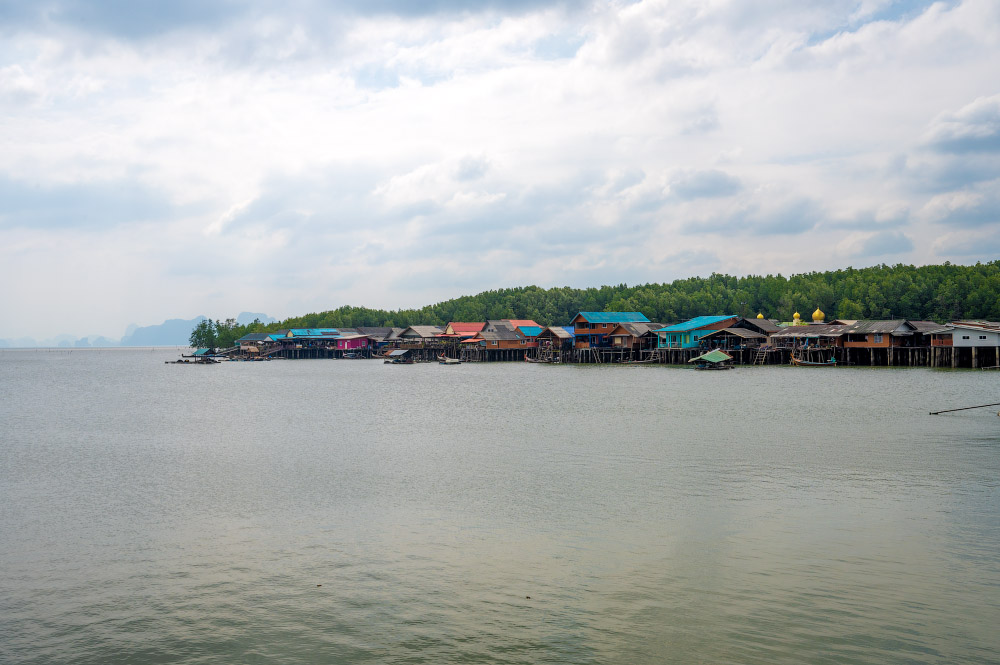
Sea Gypsy Village. This fishing village is located on Koh Panyee Island. It’s a truly unique place: all the houses stand on stilts, bridges and wooden walkways replace streets, and boats take the place of cars.
The village was founded back in the 18th century by nomadic fishermen. Today, it is still home to around 1,700 residents who continue to live off fishing. You can visit this fascinating place on a guided tour — book it here.
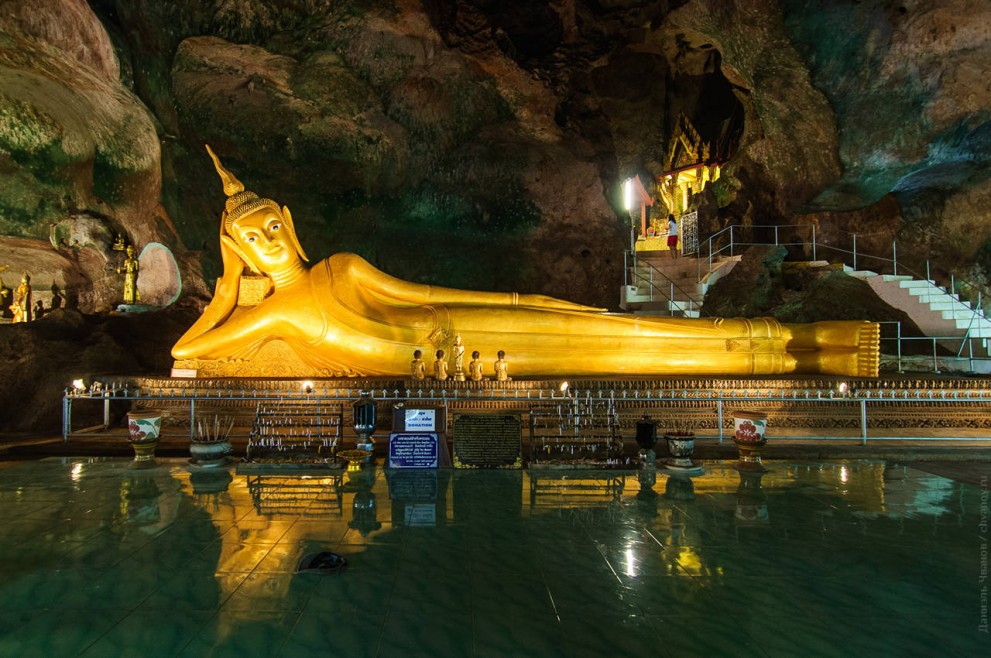
Wat Suwan Kuha Temple. This site is better known as the Cave Temple or the Monkey Temple. It is located inside a cave, where visitors can see ancient relics — including a chedi containing the bones of a local governor’s family, several Buddha statues, and a 15-meter-long Reclining Golden Buddha.
Outside the temple, you’ll find plenty of macaques eagerly waiting for treats.
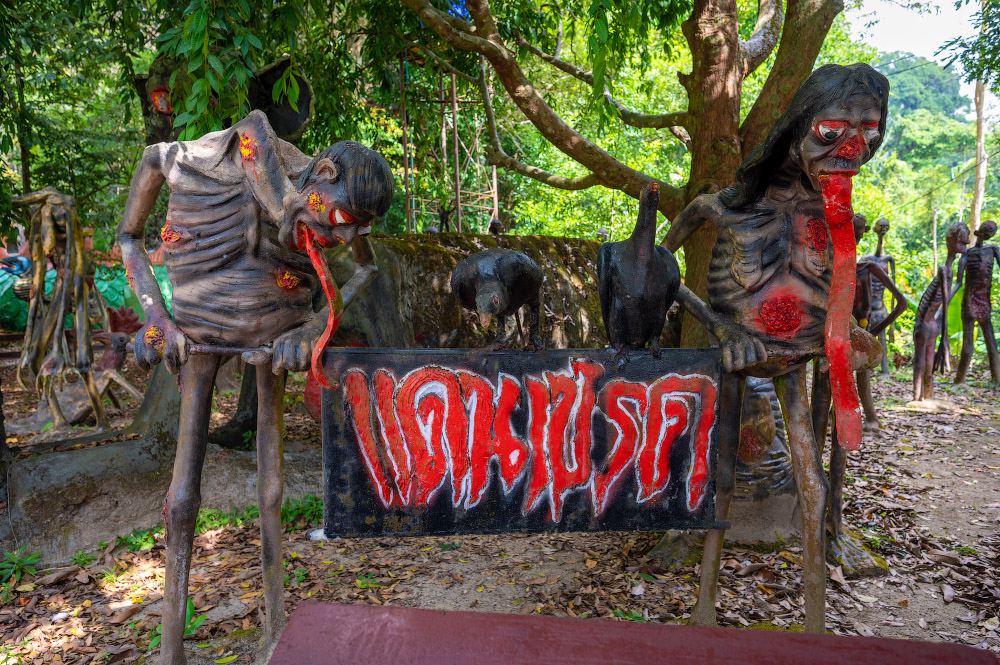
Heaven and Hell Temple. One of the most striking and eerie temples in Phang Nga. The temple grounds are filled with numerous statues depicting both the righteous and the sinners — many of them quite gruesome. Still, the temple is definitely worth a visit, offering a truly unique and unforgettable experience.
There are also several other temples in Phang Nga. Bang Riang Temple is located almost in the middle of the jungle, surrounded by mountains. On one of the hills, there is a chedi shaped like a bell. Wat Suwan Kuha is a cave temple where monks actually live — each cave has its own name, and one of them houses a statue of a Reclining Buddha. The Naraya Nikkaram Hindu Temple, located right in Phang Nga Town, features three shrines and is especially interesting for its collection of ancient artifacts. Other Buddhist sacred sites in Phuket and neighboring provinces can be found in the Temples section.
We’ve selected the three best tour companies that offer excursions to Ao Phang Nga National Park. Fill out the form, and we’ll forward your request — they’ll contact you to provide details on the terms and pricing.
Phang Nga Province is also home to natural hot springs, found at The Hotspring Beach Resort and Spa. It’s the perfect place for rejuvenation and wellness. The spring water reaches temperatures of up to 60 degrees Celsius and is known for its detoxifying properties.
Phang Nga is equally famous for its quiet, deserted beaches such as Bang Sak, Natai, Nang Thong, and others. The province also offers wonderful hotels, so if you don’t have time to explore all its numerous attractions in one day, you can easily stay overnight and continue your adventure the next day.
How to Get to Phang Nga from Phuket
The distance between Phang Nga and Phuket is about 90 km, and from the northern tip of Phuket to the nearest attractions, it’s only around 25 km. The easiest way to reach Phang Nga is by car — the drive takes about 1.5 to 2 hours. We have put together an itinerary you can use – Independent 2-day trip to Phang Nga and Surat Thani with an overnight stay.
Who Phang Nga is suitable for
- Nature lovers: jungles, waterfalls, wildlife
- Photographers: unique landscapes, sunrises
- Active tourists: trekking, kayaking, snorkeling
- Families with children: deserted beaches, monkeys in temples
- Seekers of solitude: calm atmosphere vs. noisy Phuket
- Cultural tourists: temples, sea gypsy village
Who it is NOT suitable for: party lovers, shopping enthusiasts, those looking for developed infrastructure.
FAQ
- How much time is needed to visit Phang Nga?
Minimum – one full day. During this time, you can see Phang Nga Bay, one viewpoint, and a waterfall. For a more relaxed and in-depth experience of national parks and beaches, it’s better to plan 2–3 days. See our itineraries: Independent Trip to Phang Nga in 1 Day (no overnight) and Independent Trip to Phang Nga and Surat Thani in 2 Days with Overnight Stay. - Is it possible to visit Phang Nga in one day?
Yes, this is a popular format for a trip from Phuket. However, in one day you can only see the main locations without a deep immersion in the region. - Is it worth staying overnight?
Definitely yes, if you want to see the sunrise at Samet Nangshe, walk along deserted beaches, and enjoy the silence without rushing or tourist groups. - How to get there without your own transport?
You can join an organized tour, take a private transfer, taxi, or rent a car with a driver. Public transport is poorly developed and does not suit all routes. - How much does a Phang Nga Bay tour cost?
Group tours usually cost 2,500–3,500 baht per person. Private tours are more expensive; the price depends on the route, number of people, and boat type. - When does the Rafflesia bloom in Khao Sok?
The flowering period is from November to March, most often in January–February. The flower lives only 3–5 days, so even in season its appearance is very lucky. - Is it safe to swim at Phang Nga beaches?
In high season (November–April), swimming is usually safe. During the rainy season, waves and underwater currents are possible — pay attention to flags and local recommendations. - Are there ATMs and shops in Phang Nga?
Yes, there are ATMs, shops, and 7-Eleven in towns and tourist areas. However, in remote areas and national parks, it’s better to have cash. - Do you need a guide, or can you travel independently?
The main places can be visited independently, especially if you have a car. For jungle hikes, finding Rafflesia, and visiting some national parks, a guide is recommended. - What season is best for visiting Phang Nga?
The best time is November–April: dry, comfortable weather, and calm sea. During the rainy season, the nature is especially green, but rain and sea restrictions are possible. - Where is best to stay overnight?
For nature and solitude, hotels in Khao Lak and Khao Sok are suitable. For beach holidays – Natai and Bangsak. For views – hotels near Samet Nangshe. - Can you visit Phang Nga with children?
Yes, the region is suitable for family holidays. It’s better to choose beaches with gentle entries, easy routes, and tours without long transfers or difficult treks.
Phang Nga is exactly the place where you can feel the true spirit of nature. Thanks to its picturesque landscapes and rich cultural heritage, the province is a must-visit.
To visit not only Phang Nga but also other interesting places in Thailand, check the Excursions and Attractions sections. Also see other must-visit places in Phuket and neighboring provinces in the sections Places to Visit in Phuket and Temples.