Similan Islands

The Similan Islands are an incredibly beautiful archipelago in the Andaman Sea, located about 100 km northwest of Phuket. UNESCO has recognized the archipelago as one of the most beautiful places on Earth and a popular excursion destination from Phuket.
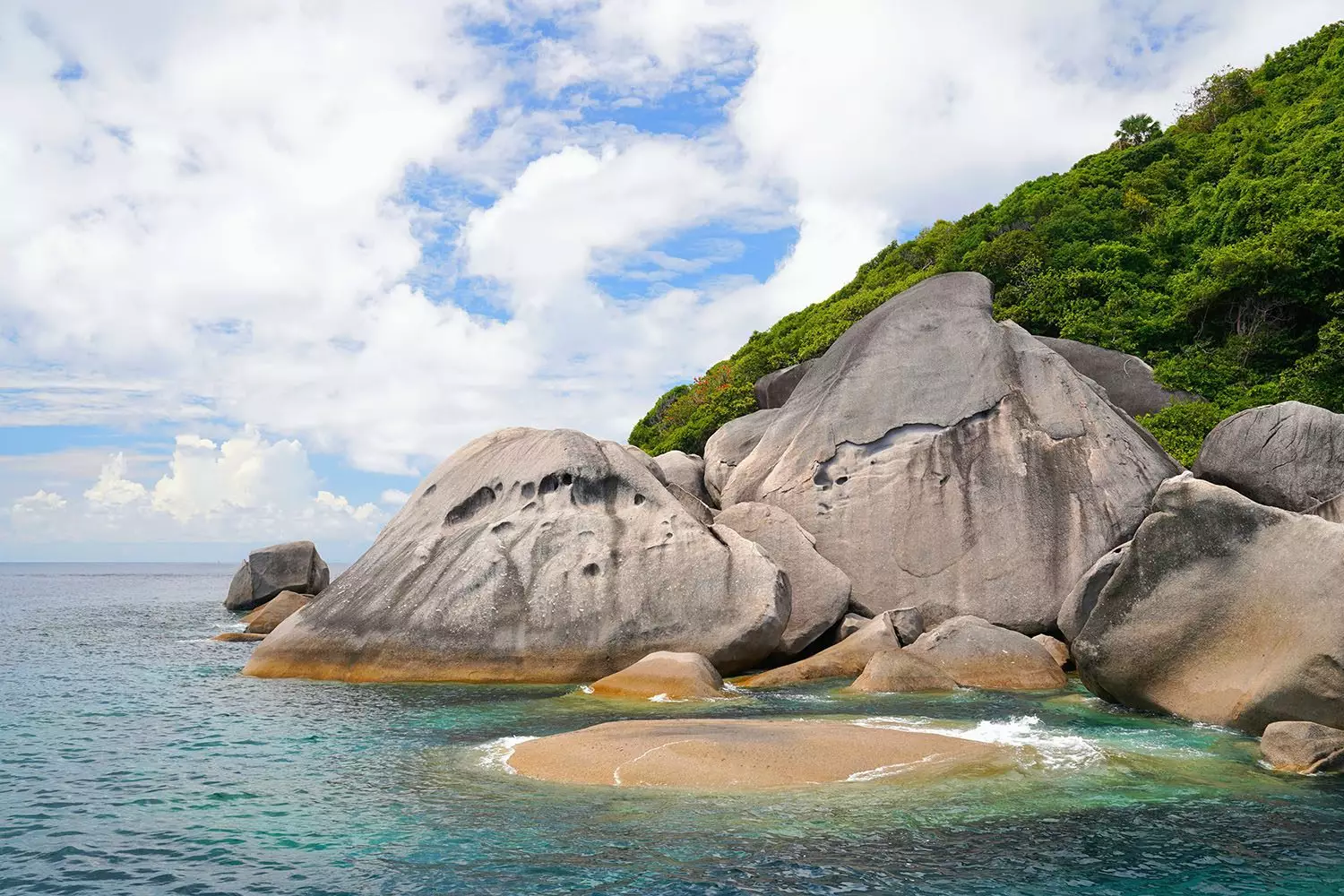
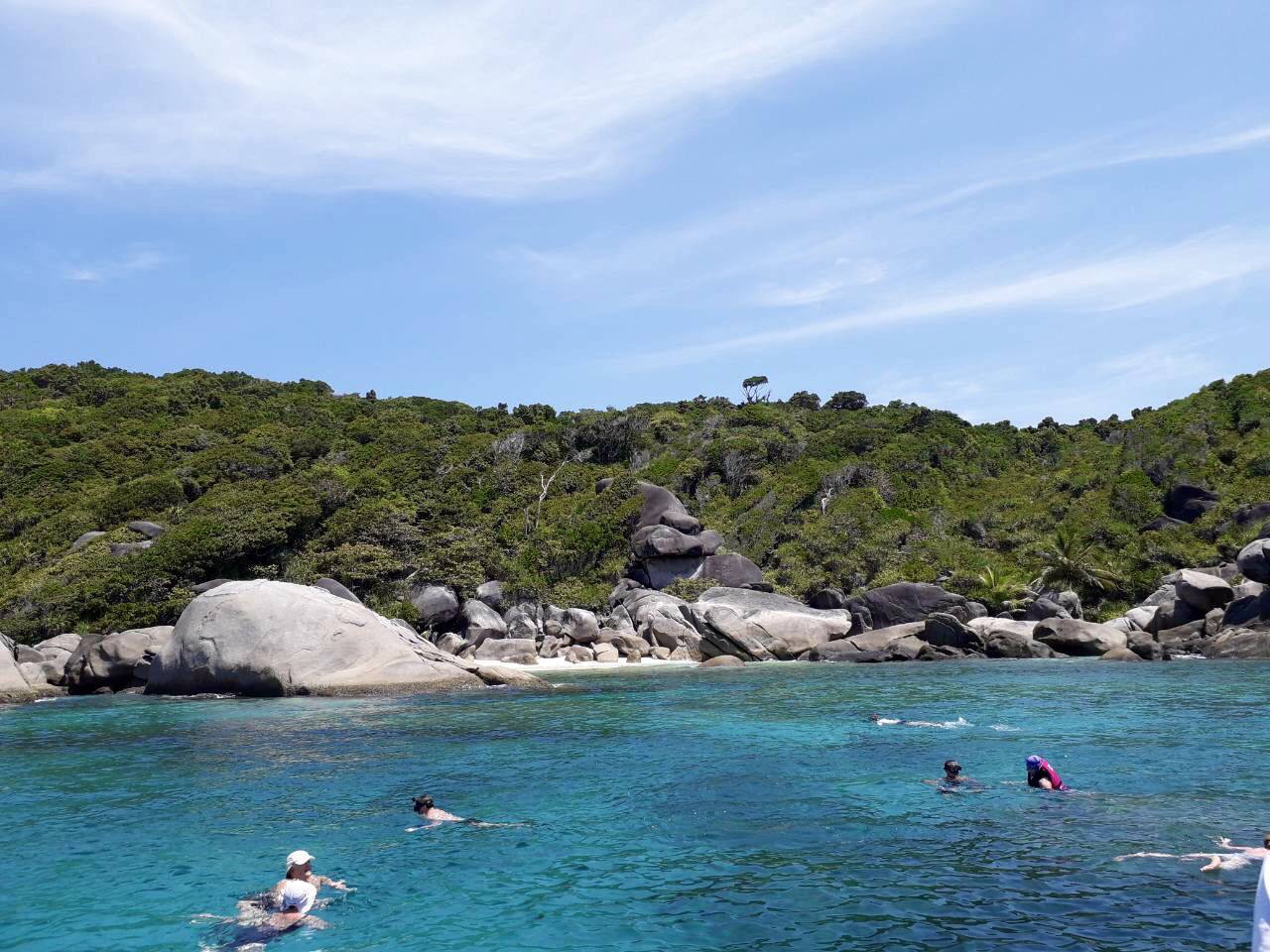
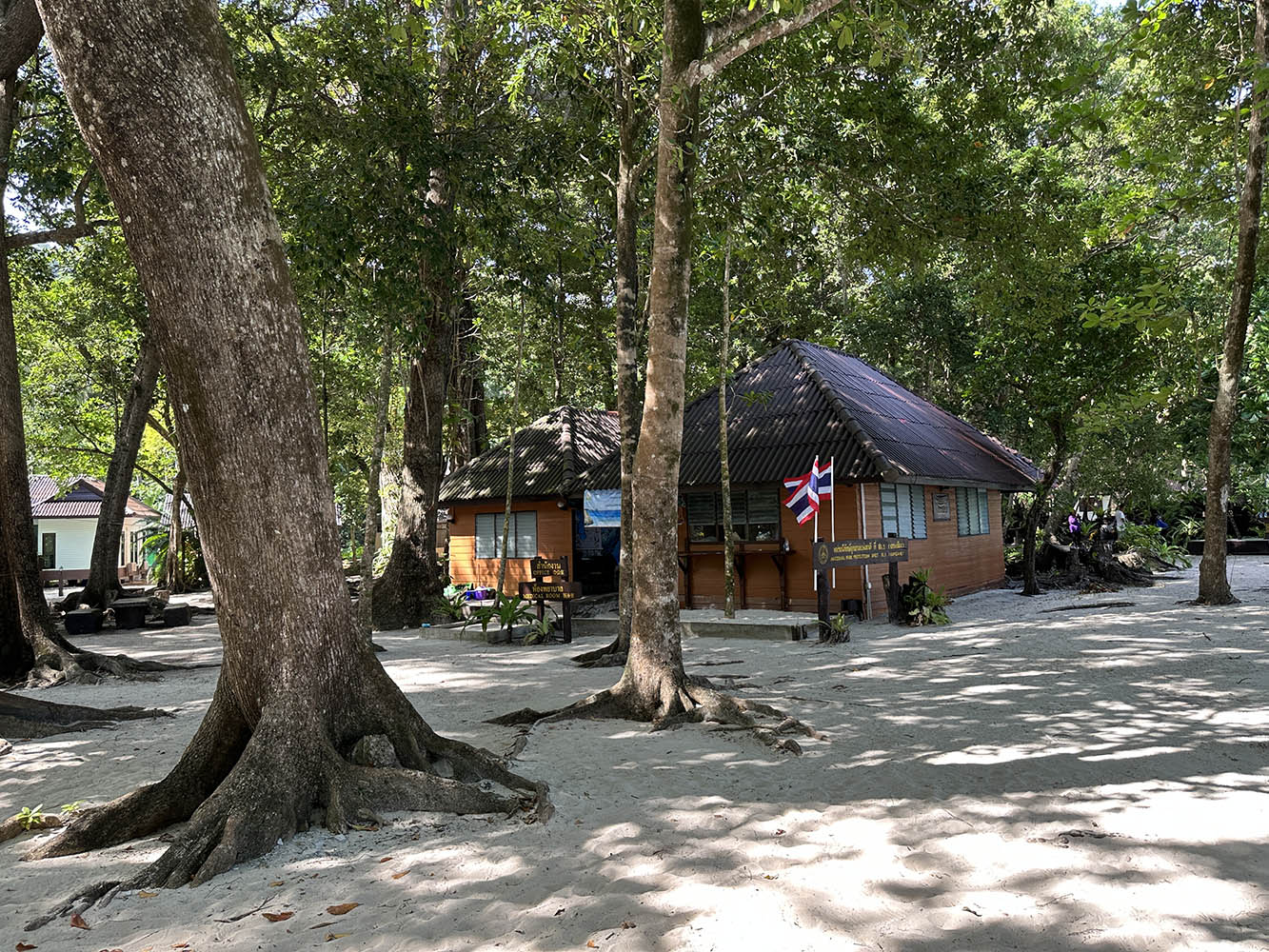
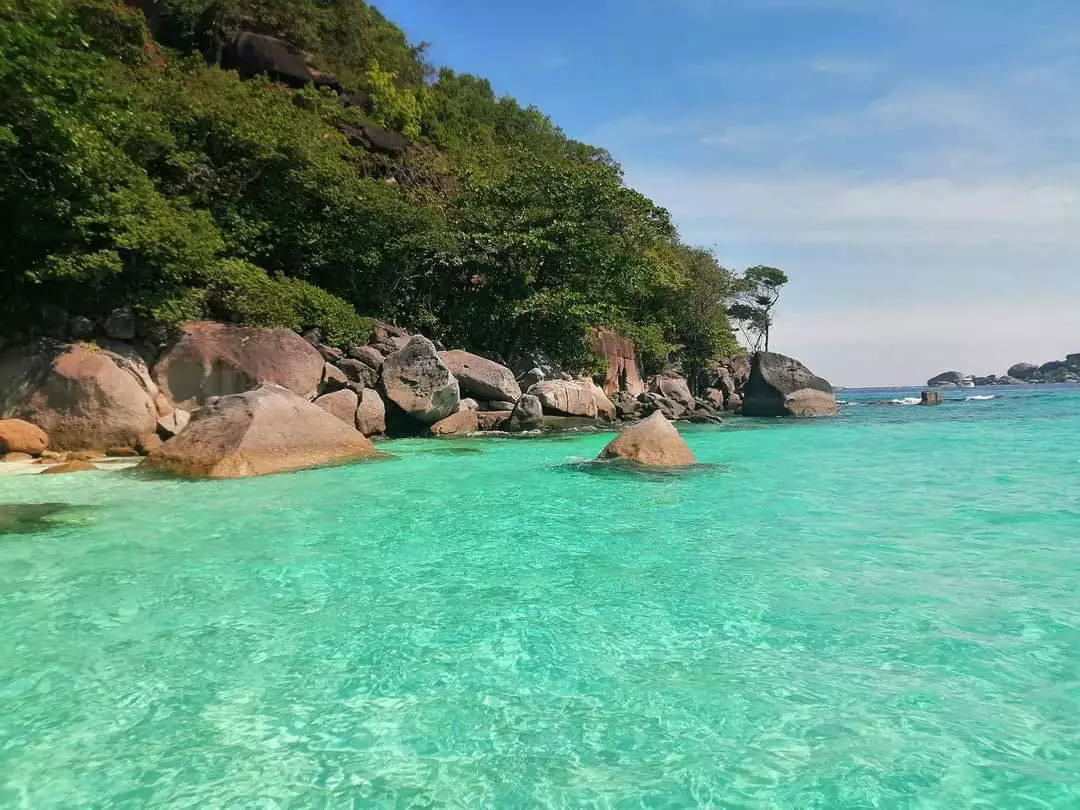
The name “Similan” means “nine” in the Malay dialect, reflecting the original number of islands in the archipelago. Today, the Similan Islands also include two additional islands, Koh Tachai and Koh Bon, bringing the total to 11.
The Similan Islands are open to visitors only during the high season – usually from October 15 to May 16. The exact dates may vary, as they depend on weather conditions. For example, sometimes the sea becomes too rough as early as April, which leads to early restrictions.
How to Get to the Similan Islands
How to get to the Similan Islands from Phuket? You can take a speedboat or a small vessel as part of a guided tour. The trip usually takes around 2.5 hours.
If you are prone to seasickness, we recommend taking a motion sickness pill half an hour before the trip.
"Recently, independent trips to the Similan Islands have been prohibited. In addition, overnight stays on the islands are not allowed — only day tours are permitted. All these measures are taken to reduce the impact of tourists on nature and preserve its pristine condition.
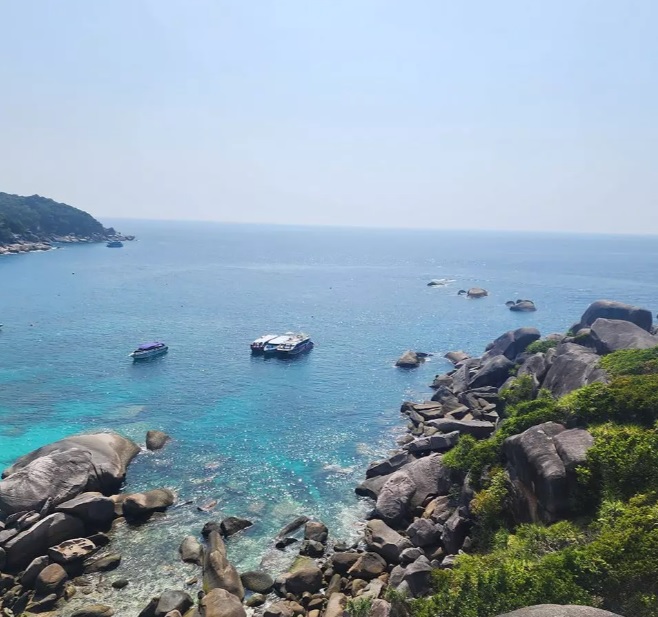
Usually, tours to the Similan Islands from Phuket follow a typical program. It includes a visit to the Similan National Park (the entrance fee is 500 baht per person), stops in scenic lagoons, swimming, snorkeling, lunch, and guide assistance.
We’ve selected the three best tour companies that offer Similan Islands tours. Fill out the form, and we’ll forward your request — they’ll contact you to provide details on the terms and pricing.
To visit the Similan Islands and their picturesque bays and lagoons in a private format rather than as part of a group tour, please contact us using the buttons below:
The best months to visit the Similan Islands are April and October. April offers a trip with no surprises and maximum comfort. If you want to save money, avoid crowds, and are not too demanding about “perfect weather,” October can be a reasonable compromise.
During the period when the islands are closed to tourists, national park staff conduct monitoring and scientific research of the marine environment: coral reefs, underwater life, and ecosystem conditions. Maintenance and infrastructure repairs are also carried out — boats, rescue equipment, shoreline structures, inspections — in general, everything is put in order.
How the Similan Islands are organized
Each island has its own number and name:
- № 1: Ko Huyong
- № 2: Koh Payang
- № 3: Koh Payan
- № 4: Ko Miang
- № 5: Ko Ha
- № 6: Ko Payu
- № 7: Ko Hin Pousar
- № 8: Ko Similan
- № 9: Ko Ba-ngu, also known as Ko Bayu
- № 10: Ko Bon, also known as Ko Talu
- № 11: Ko Tachai
Tourists are only allowed to disembark on a few islands. One such island is No. 4, Ko Miang, which spans approximately 1.5 km². It has the most developed infrastructure, including cafes, bungalows, showers, and restrooms. Visitors can stroll around the island and enjoy snorkeling.
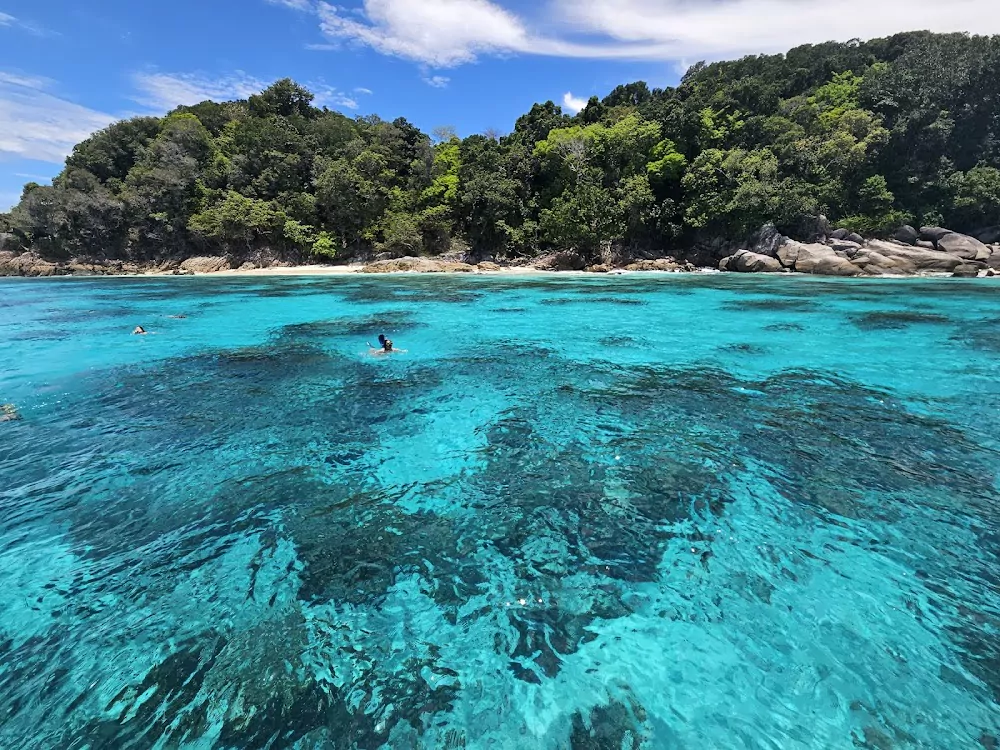
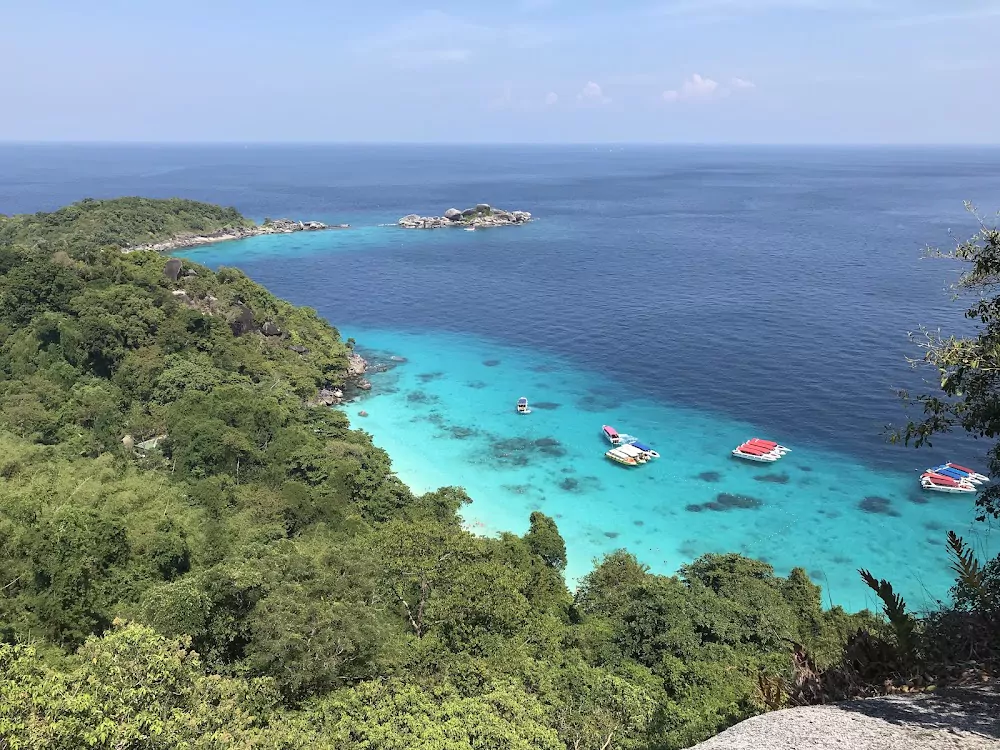
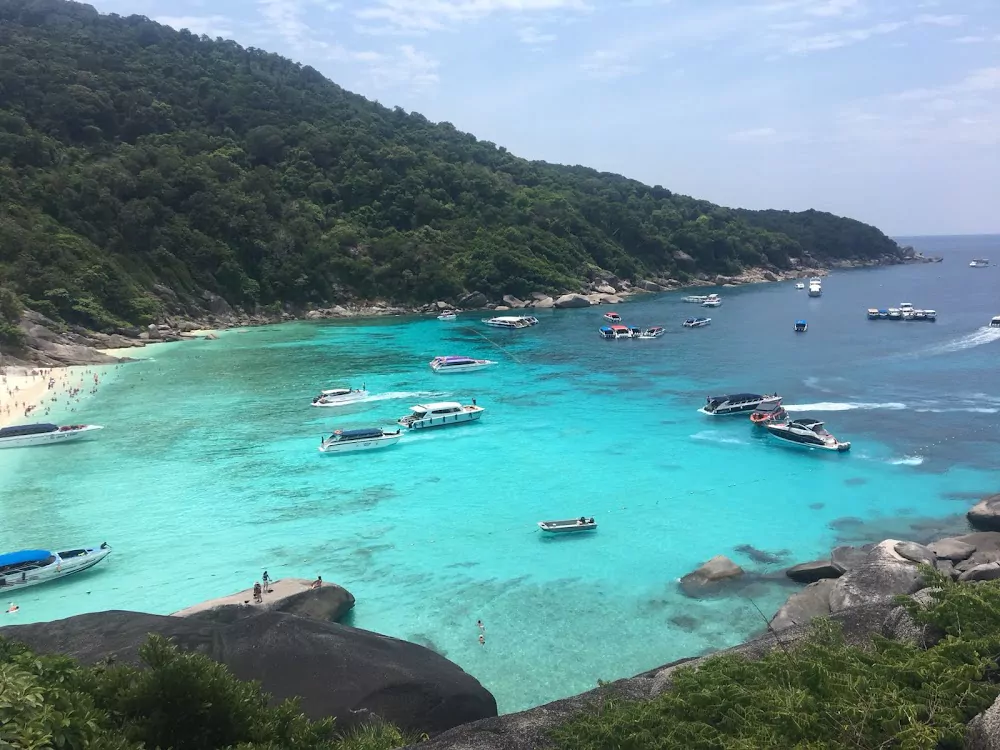
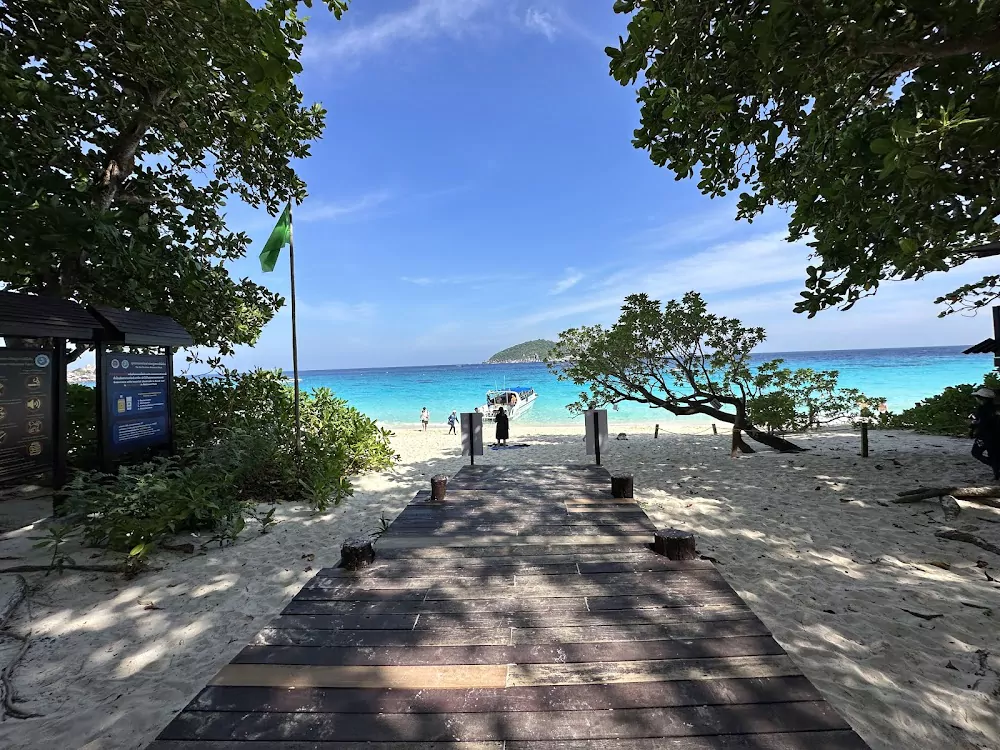
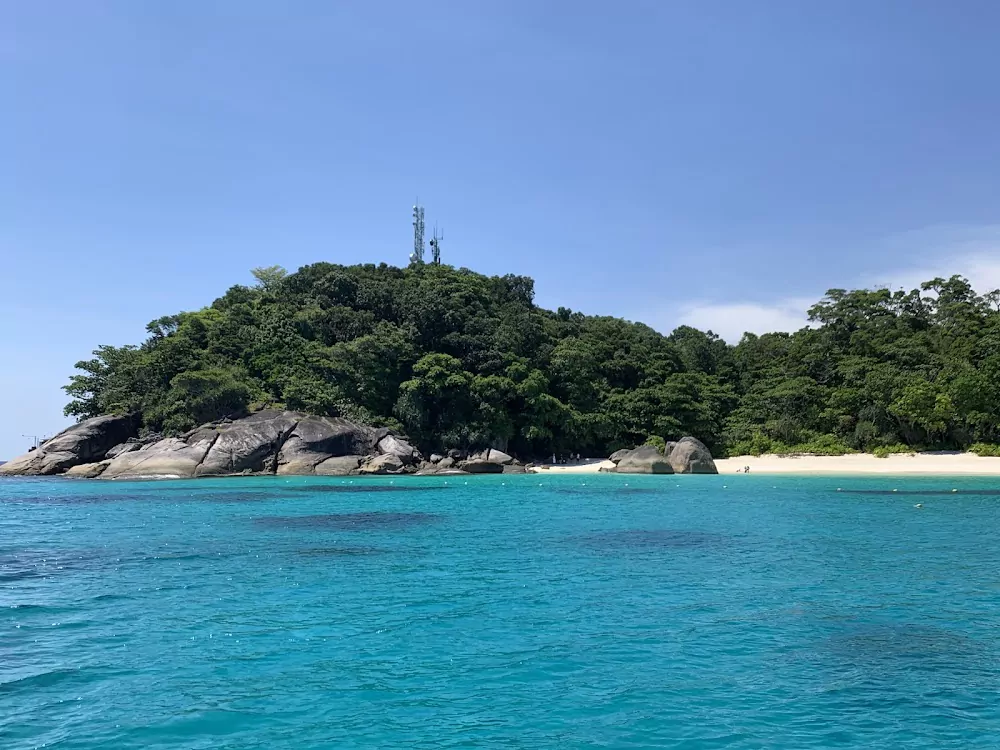
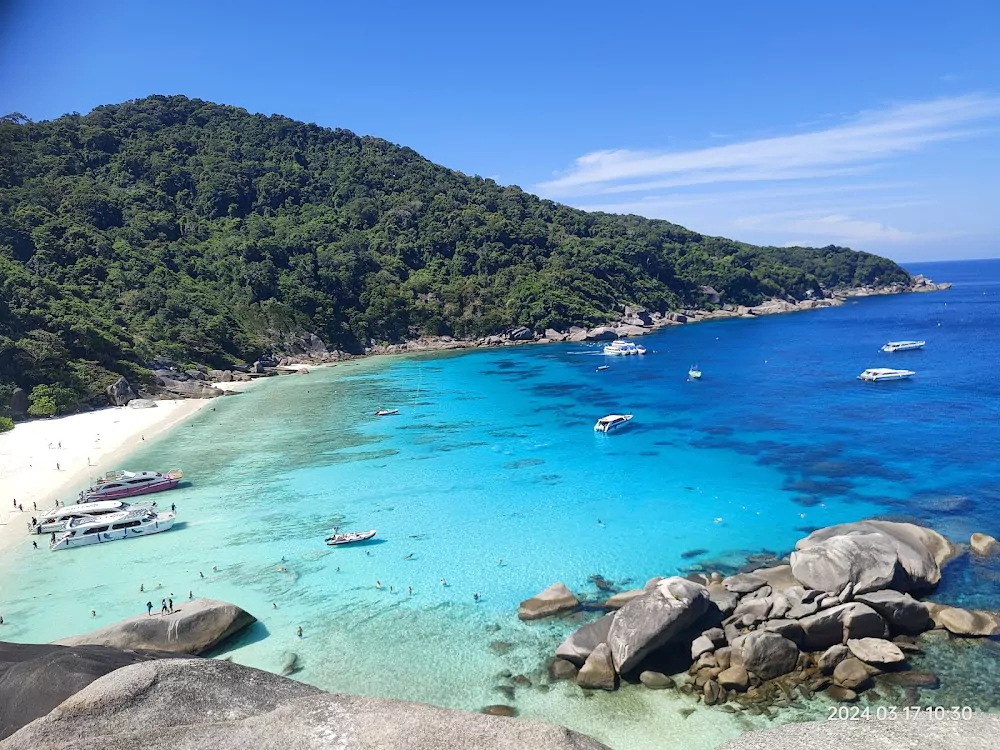
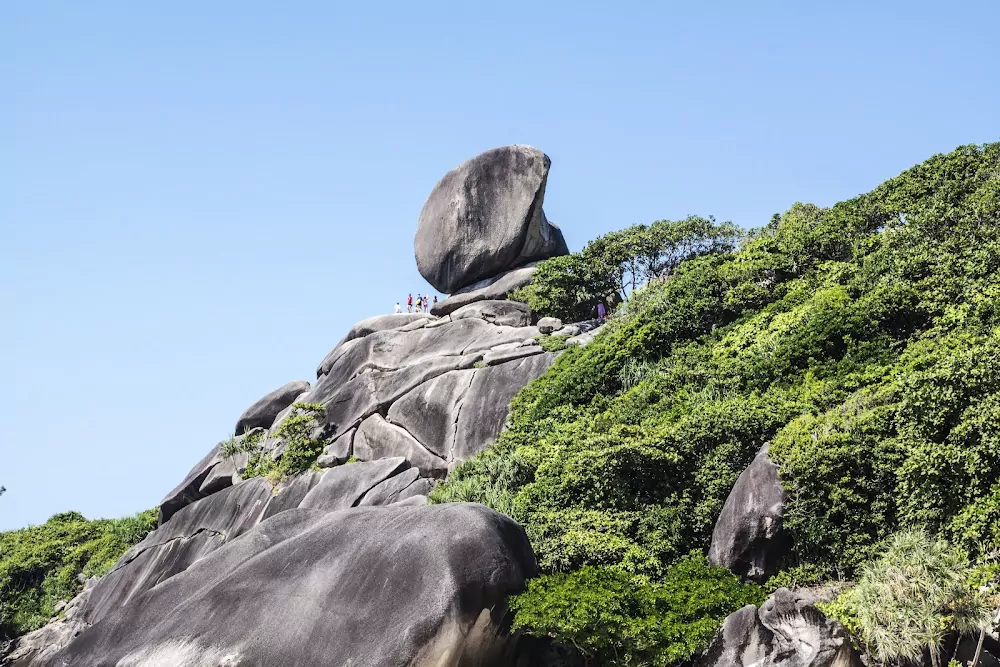
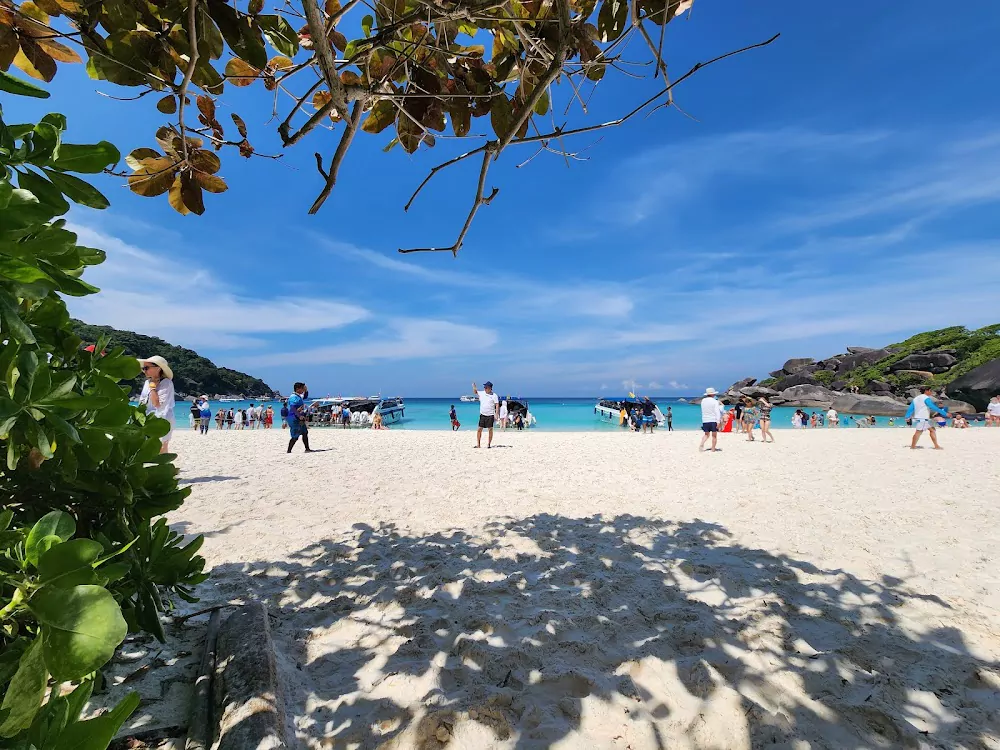
Another accessible island is No. 8, Ko Similan, which is 5 km². It features two beaches — Donald Duck Beach and Beacon Beach — and the island’s highest point, Sail Rock, a 25-meter-high rock with a viewing platform. There’s also a campsite and a cafe on the island.
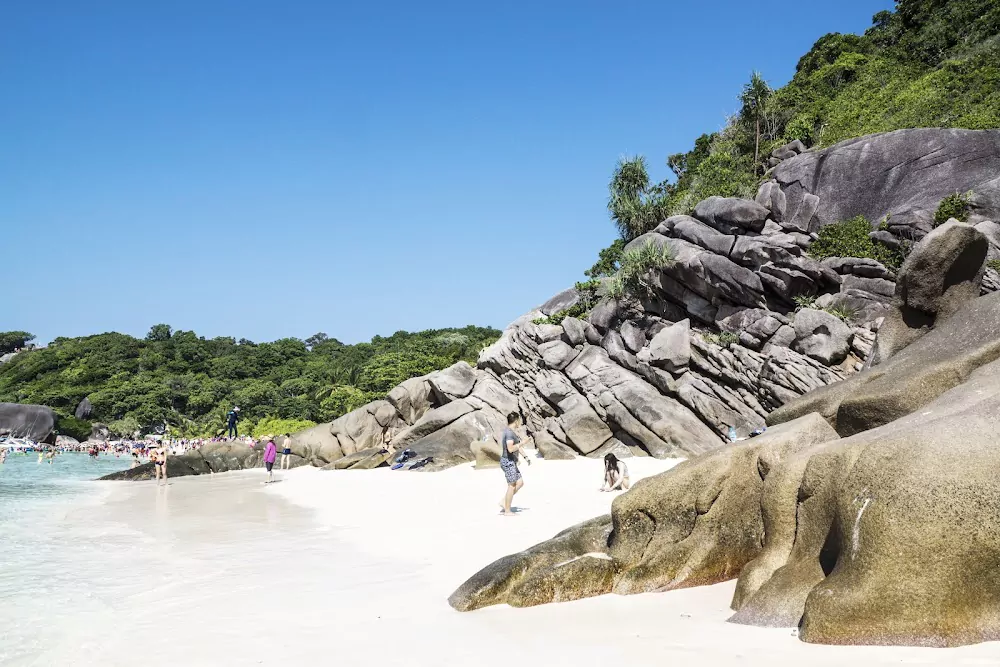
No. 11, Ko Tachai, is also open to visitors. Here, you can relax on the beach and snorkel in the surrounding waters.
The list of islands where landing is allowed or prohibited sometimes changes. This depends on how well the island’s ecosystem has recovered after tourist visits.
Why Visit the Similan Islands
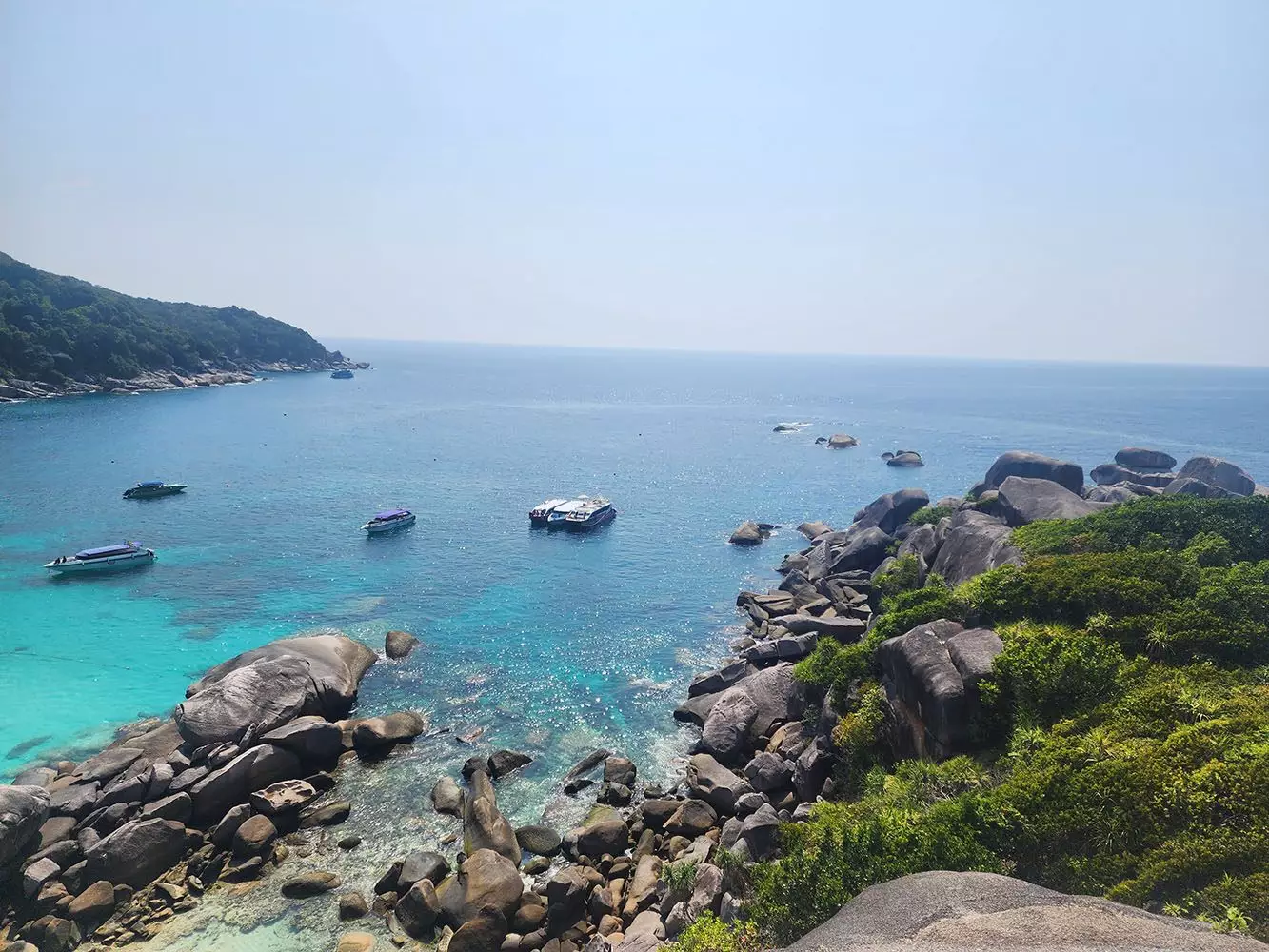
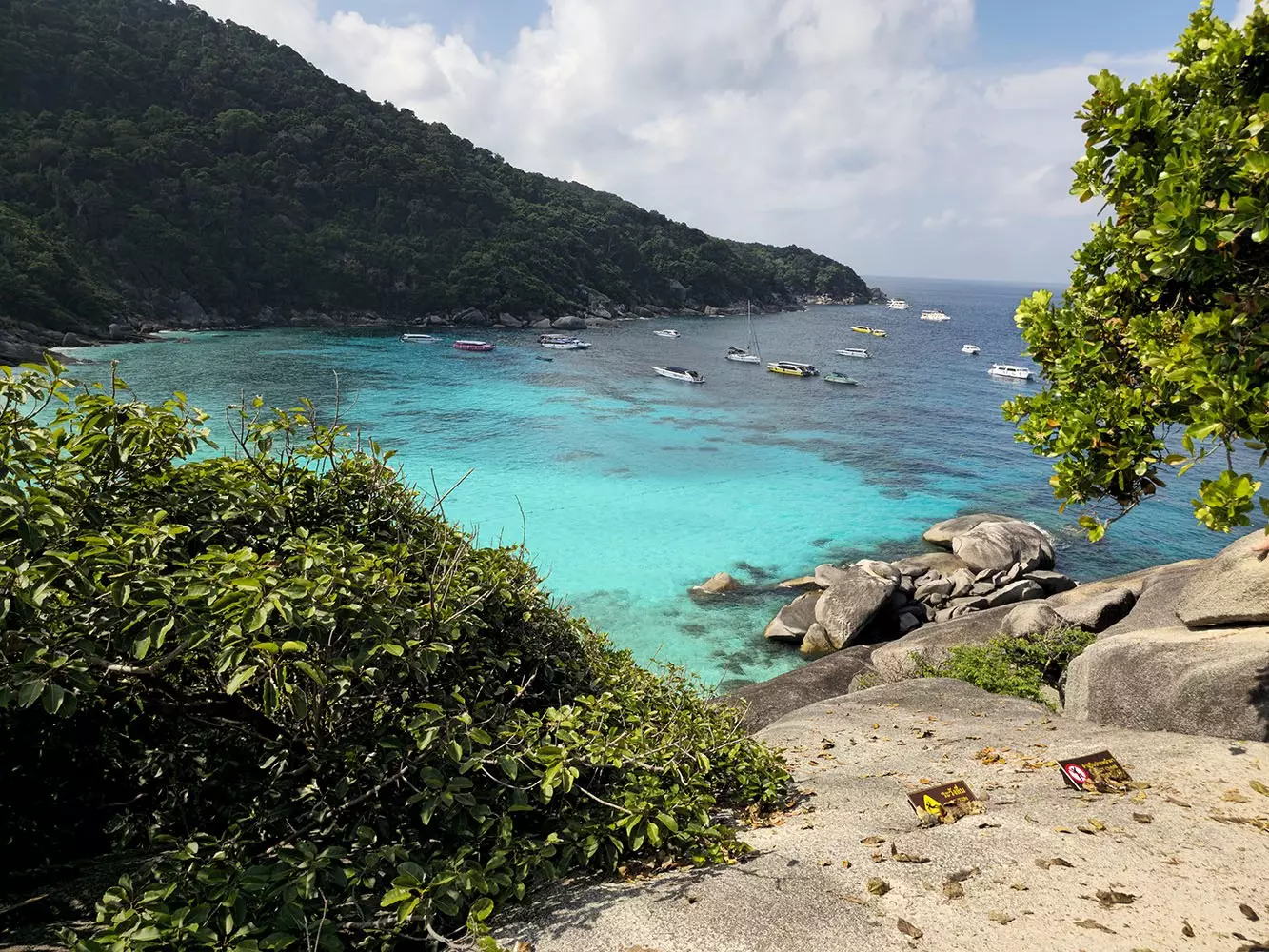
Beaches. The Similan Islands are often referred to as the "Thai Maldives" for good reason. With powdery white sand, coral-rich shores, turquoise seas, and secluded beaches, they are a paradise. The volcanic origin of the islands ensures crystal-clear waters and excellent visibility.
Nature. The lush flora includes eucalyptus, jackfruit, bamboo, and rattan, while the fauna features monkeys, squirrels, langurs, flying foxes, and exotic birds.
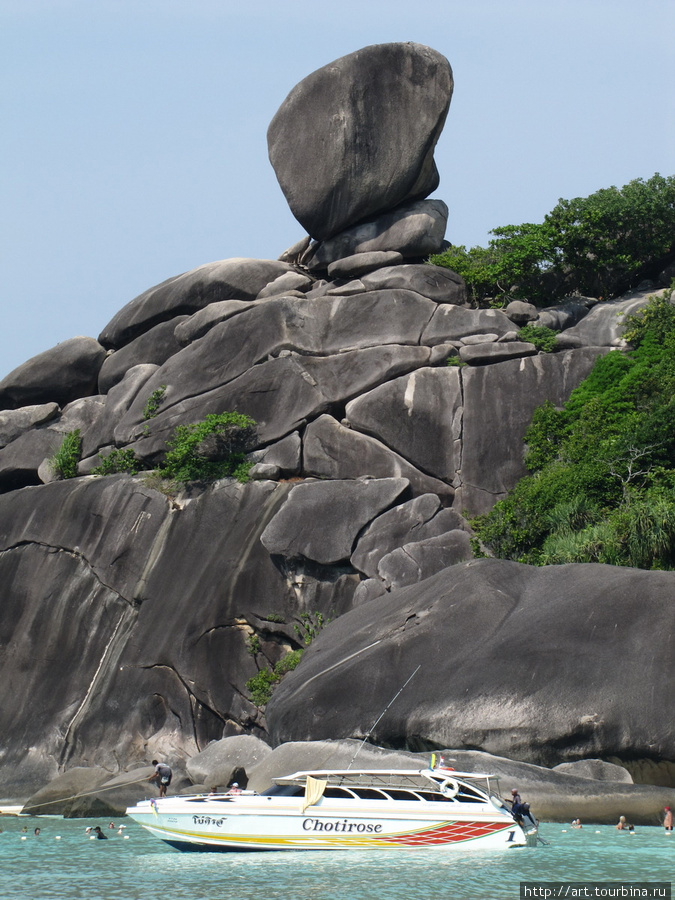
A unique feature of the Similan Islands is the presence of giant boulders on the southern and western shores. On Island No. 8, you’ll find a famous 25-meter-high landmark called “Sail Rock”, which has a viewing platform. Climbing it is easy, and the breathtaking views from the top make it worthwhile. This rock is miraculously balanced on a single edge, leading to a fun tourist tradition of placing small branches underneath for support.
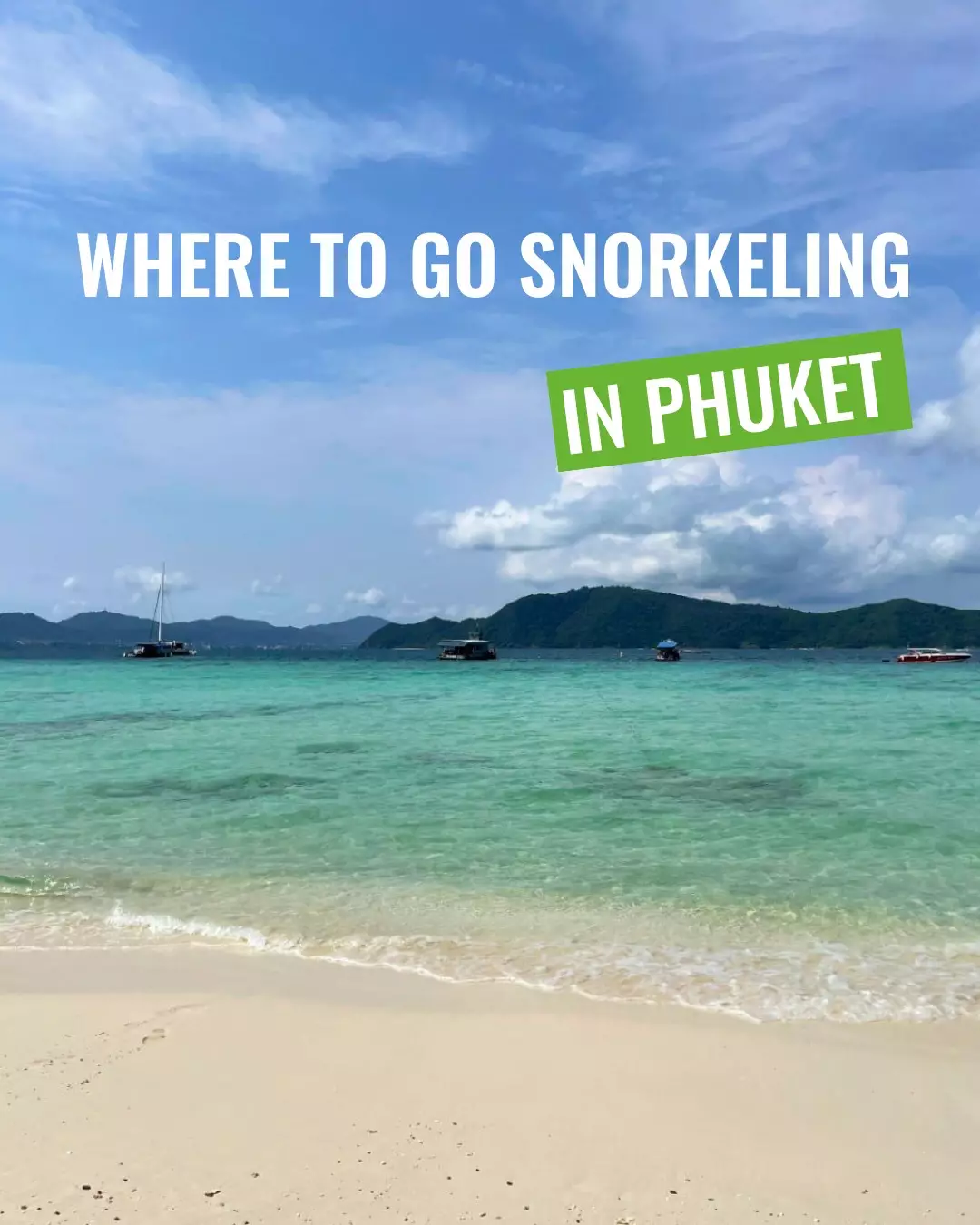
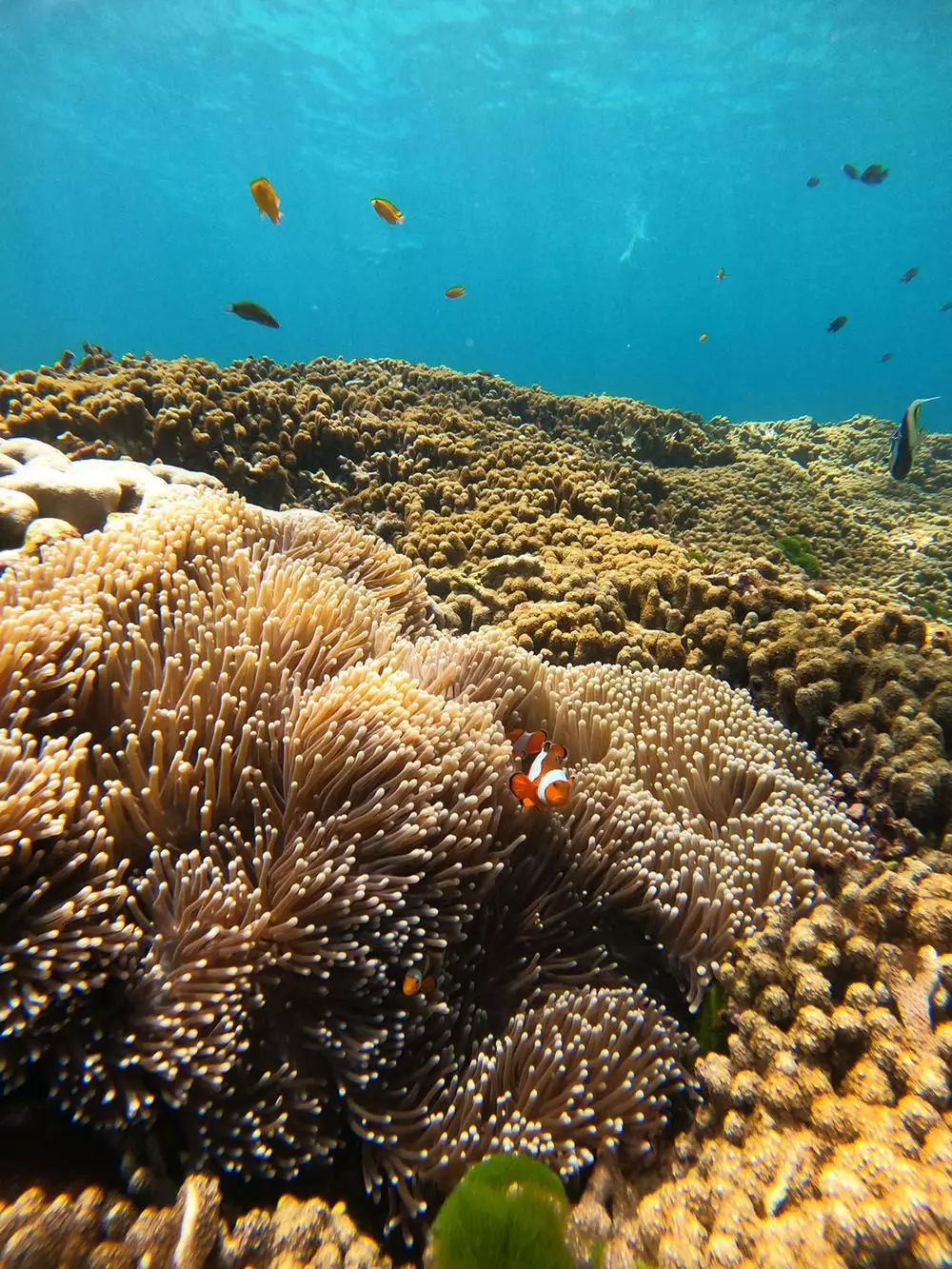
Snorkeling. The underwater world of the Similan Islands is very rich — there are many beautiful corals here. In fact, the Similans are considered one of the best places for snorkeling: it is here that you can swim not only with schools of colorful exotic fish, but also with sea turtles, which is quite a rare experience.
Diving is another popular activity not only on the Similan Islands. You can use the feedback form below to have the best diving tour selected for your needs.
We’ve selected the top 3 diving companies. Fill out the form, and we’ll forward your request — they’ll contact you to provide details on the terms and pricing.
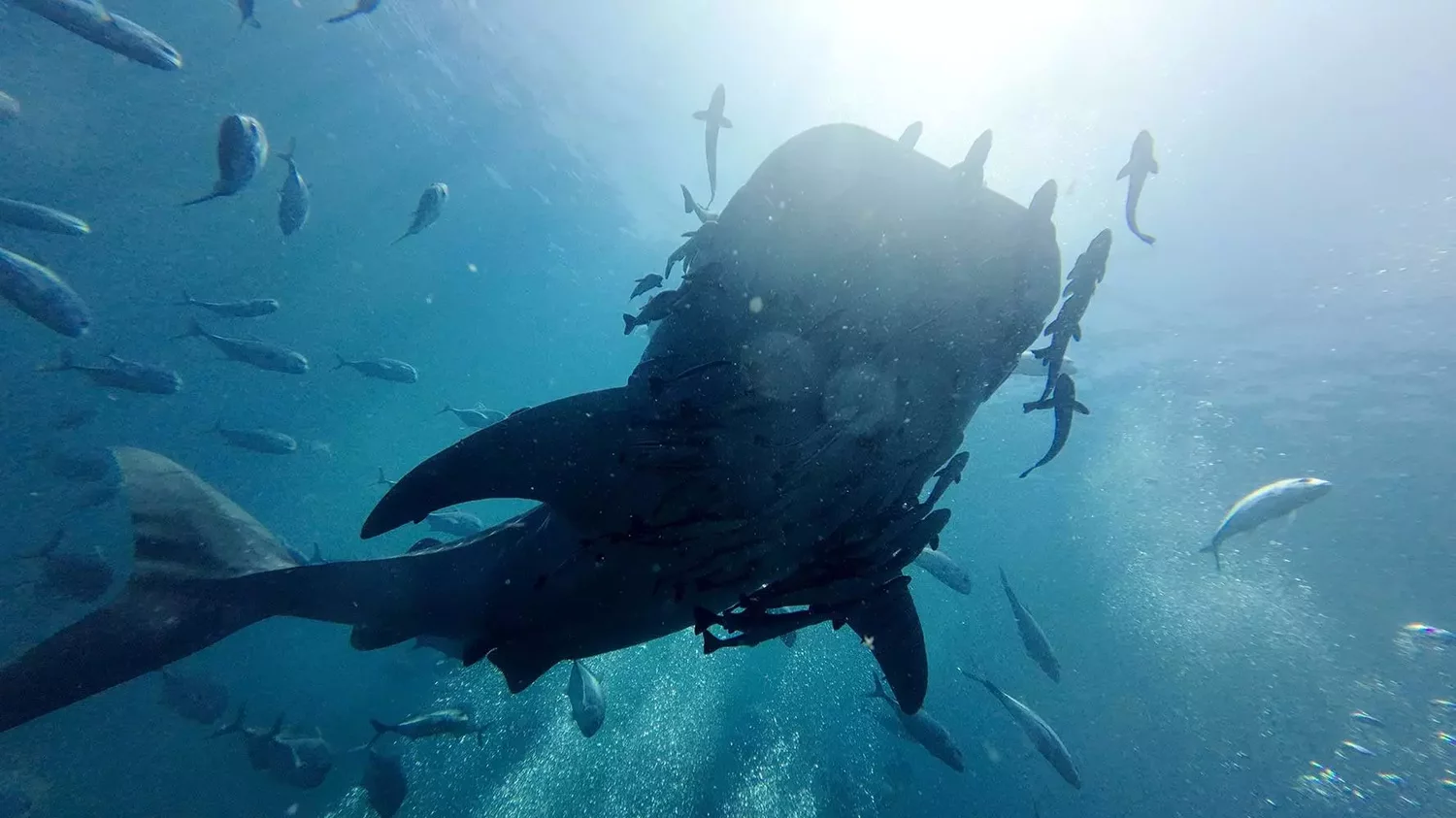
During the “open season” (especially November–April), the water is very clear, with visibility reaching about 30 meters. The best months for diving are considered to be from December to April. During this period, conditions are the most stable, and there is a high chance of seeing manta rays, whale sharks, and diverse marine flora and fauna. Closer to May, visibility may worsen: the water becomes murkier, and plankton and underwater currents may appear due to the start of the monsoon season.
Rules of the Similan Islands National Park
The Similans are one of Thailand’s most fragile marine parks. To prevent the islands from repeating the fate of Maya Bay (which was nearly destroyed by excessive tourist flow), strict controls have been introduced: limits on the number of visitors, a ban on overnight stays, route restrictions, and active reef restoration.
1. Overnight stay ban. Overnight stays on the Similans have been prohibited since 2018. At that time, the park dismantled all tent camps and bungalows. The reason: ecosystem overload. Before 2018, the islands received 5,000–7,000 tourists per day, which led to coral degradation, shoreline destruction, beach pollution, and stress for wildlife.
2. Ban on plastic and garbage. The Similans follow a strict “carry-in / carry-out” policy: everything you bring, you must take back with you. There are almost no trash bins on the islands to avoid attracting animals and to keep nature clean. Single-use plastic (bags, straws, bottles) is prohibited. Boats are required to provide reusable water bottles.
3. No touching corals, marine life, sand, or rocks. This is a key rule. It is strictly forbidden to lift corals or shells, touch turtles, starfish, fish, octopuses, move stones or natural objects, or step on corals while snorkeling.
4. No feeding fish or turtles. Feeding causes unnatural behavior: fish become aggressive and change migration patterns, and turtles stop seeking natural food sources. Rangers strictly monitor this on the Similans.
5. Only reef-safe products allowed. Sunscreens are sometimes checked at the island entrance. The best choice is zinc- and titanium-dioxide–based mineral sunscreens that do not harm corals.
For any of these violations, substantial fines are imposed — we do not recommend testing it!
Who can and cannot visit the Similan Islands
Children aged 4–5 and older are recommended for trips to the Similan Islands, as the journey involves a speedboat ride with strong shaking, heat, and long transfers. For toddlers aged 2–3 and under, the trip is generally not recommended.
Pregnant women are not allowed on the Similan Islands at all — this is prohibited by tour operators due to the vibration of the boat, lack of medical assistance, and health risks.
Elderly tourists may go, but only if they have no heart, blood pressure, back problems, or limited mobility, and if they can tolerate the sea, sun, and long periods outdoors.
The untouched nature of the Similan Islands is their greatest treasure, offering a true glimpse of the beauty of the wild. Be sure to visit the "Thai Maldives" and explore other exciting tours in the Excursions, Fishing, and Diving section.