Thailand Biennale and Art in Phuket
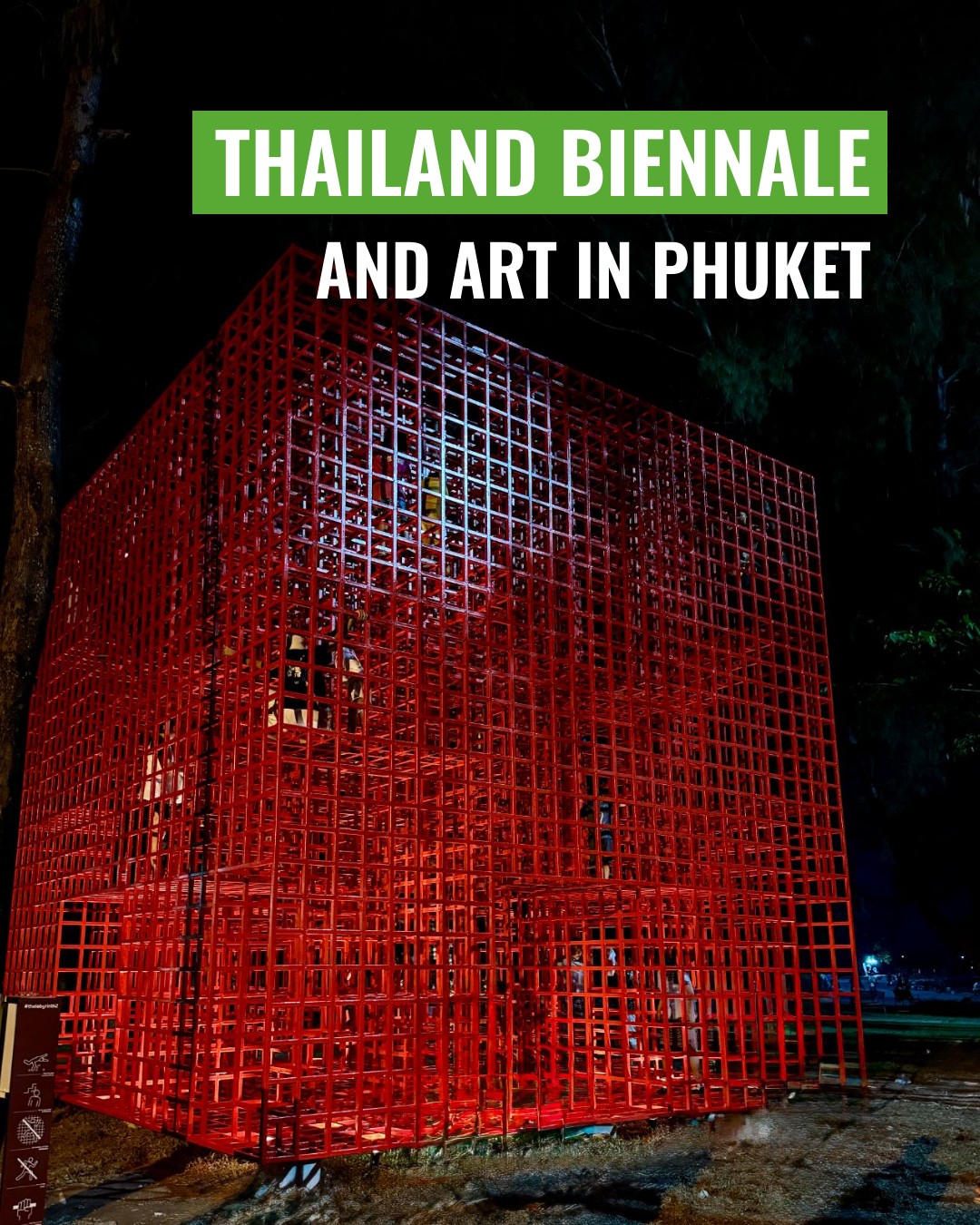
Do you think Phuket and art are concepts from different worlds? Not at all: Phuket can surprise you even here. The island has contemporary galleries, historic shophouses, street murals, and even major international festivals that turn Phuket into a true open-air art venue.
If you like to observe, feel, and think through art, Phuket is definitely worth adding to your travel list. Let’s tell you what art objects the island has.
Contemporary Art on the Island
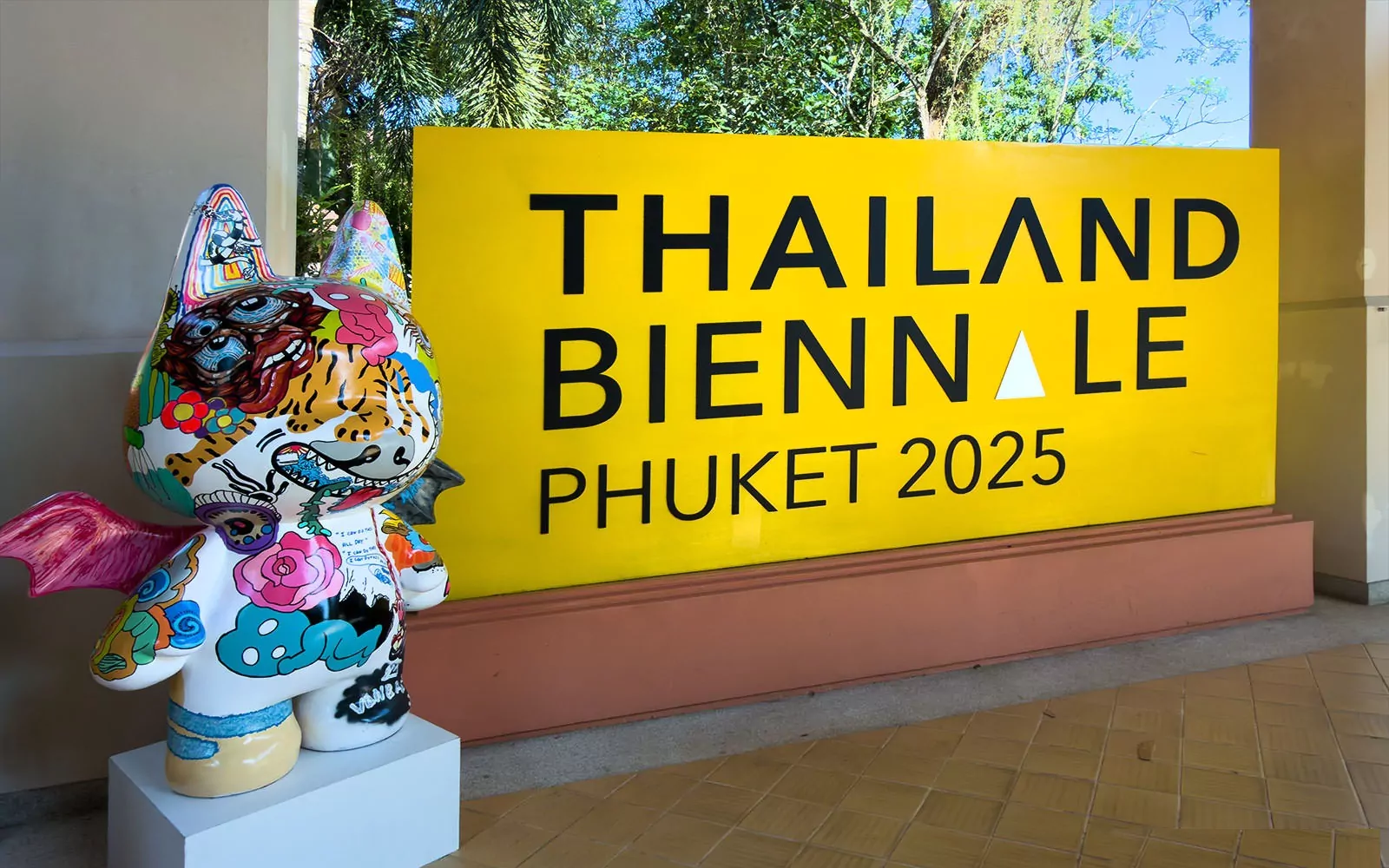
The main event of recent years is the Thailand Biennale — an international contemporary art exhibition that takes place every two years in different regions of the country. In 2025, it reached Phuket as well. From November 29, 2025 to April 30, 2026, the island also became a platform for art installations.
The theme of the biennale this year is Eternal Kalpa, which can be translated as “eternal era.” The artists propose looking at Phuket as a place that is constantly changing, yet preserves the memory of its history, culture, and nature.
The main idea of the biennale is to pause and rethink time. The project invites us to view it not as a rigid flow of hours and schedules, but as a rhythm in which the sea, people, animals, and the entire planet live. Against the backdrop of climate change, the disruption of natural balance, and the loss of human empathy, it is important to stop and learn to live more attentively, in harmony with the surrounding world and with one another.
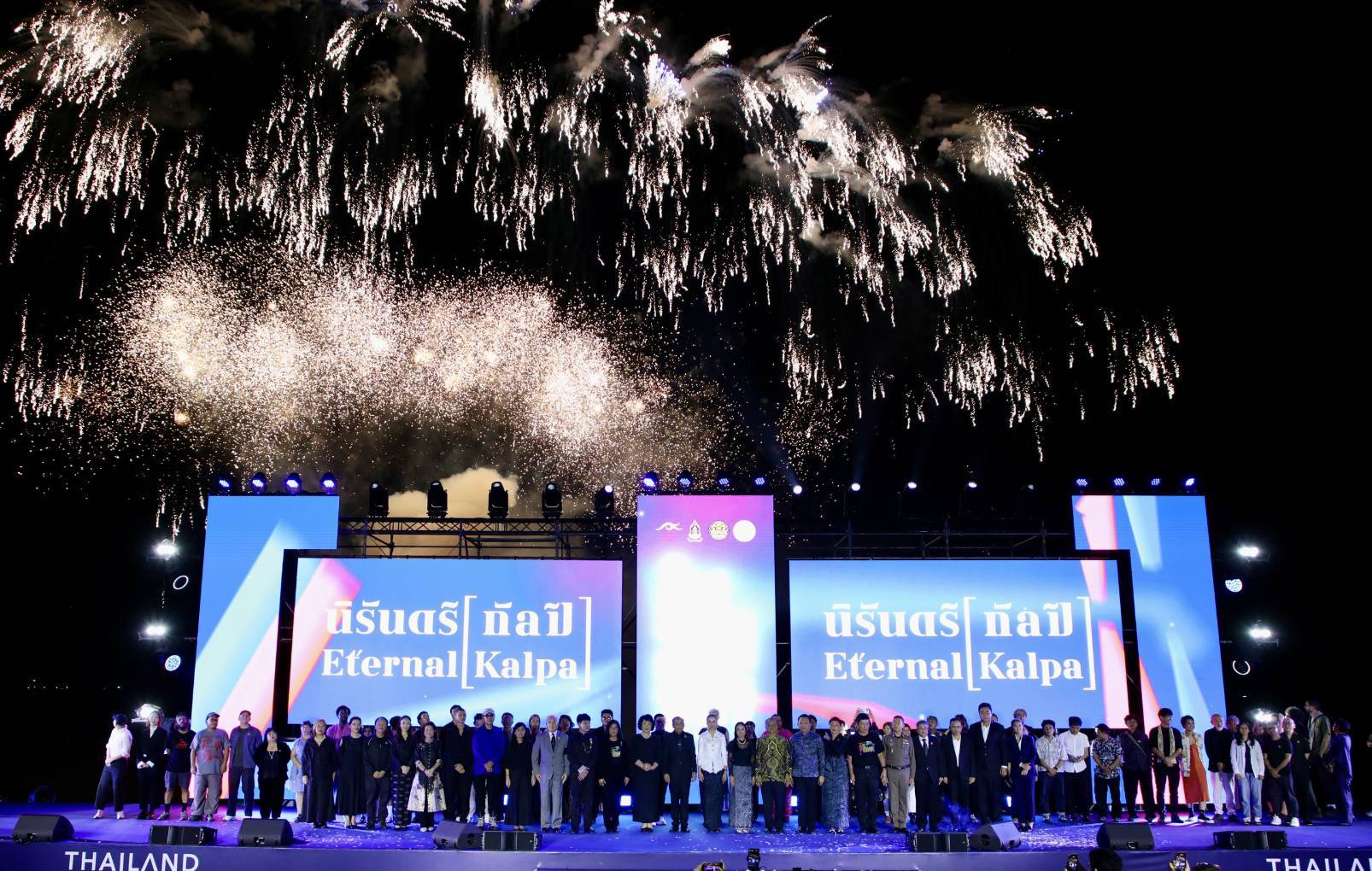
Through art, music, architecture, theater, and research, Eternal Kalpa raises a central question: how can we find ways of coexistence and mutual understanding in an era of instability, when the future requires not haste and competition, but cooperation, memory, care, and a new relationship with time.
The exhibition features 65 artists from 25 countries. The formats are very diverse: painting, photography, sculpture, sound, light, digital works, and performances. You can read more about the participants and exhibitions on the official biennale website https://www.thailandbiennale.org/en
Main Biennale Locations in Phuket
The exhibition sites are spread across the island, but the main “art map” is concentrated in Phuket Town. Here you can see both street installations and works in historic buildings, shophouses, and even abandoned spaces.
Here are the 19 main venues of the Thailand Biennale Phuket:
- Saphan Hin Park и Mangrove Walkway
- Saphan Hin 4000 Seat Gymnasium
- Promthep Cape
- Khao Rang Viewpoint
- Yi Teng Complex
- Chao Fah Power Station
- The First House of Luang Amnat Nararak
- Kathu Shrine
- Kathu Distillery
- Phuket Contemporary Art Gallery
- DC Phuket Town
- Mellow Pillow Hotel
- Poon Phol Night Plaza
- Bége
- Baan Turtle Phuket
- Jui Tui Shrine
- Former Bangkok Bank Building
- Pearl Bowl
- Pearl Theater
Indoor venues are open from 10:30 to 18:30. Outdoor art can be enjoyed at any time of day. But these are far from the only points of attraction of the biennale — exhibitions may appear at viewpoints, beach pavilions, and historic mansions — you will find the full list on the locations map https://www.thailandbiennale.org/en/program/venues. In this material, we will talk only about some of the exhibition centers.
Saphan Hin Park
Geo on Google Maps
Working hours: Mon - Sun: 06:00 - 22:00
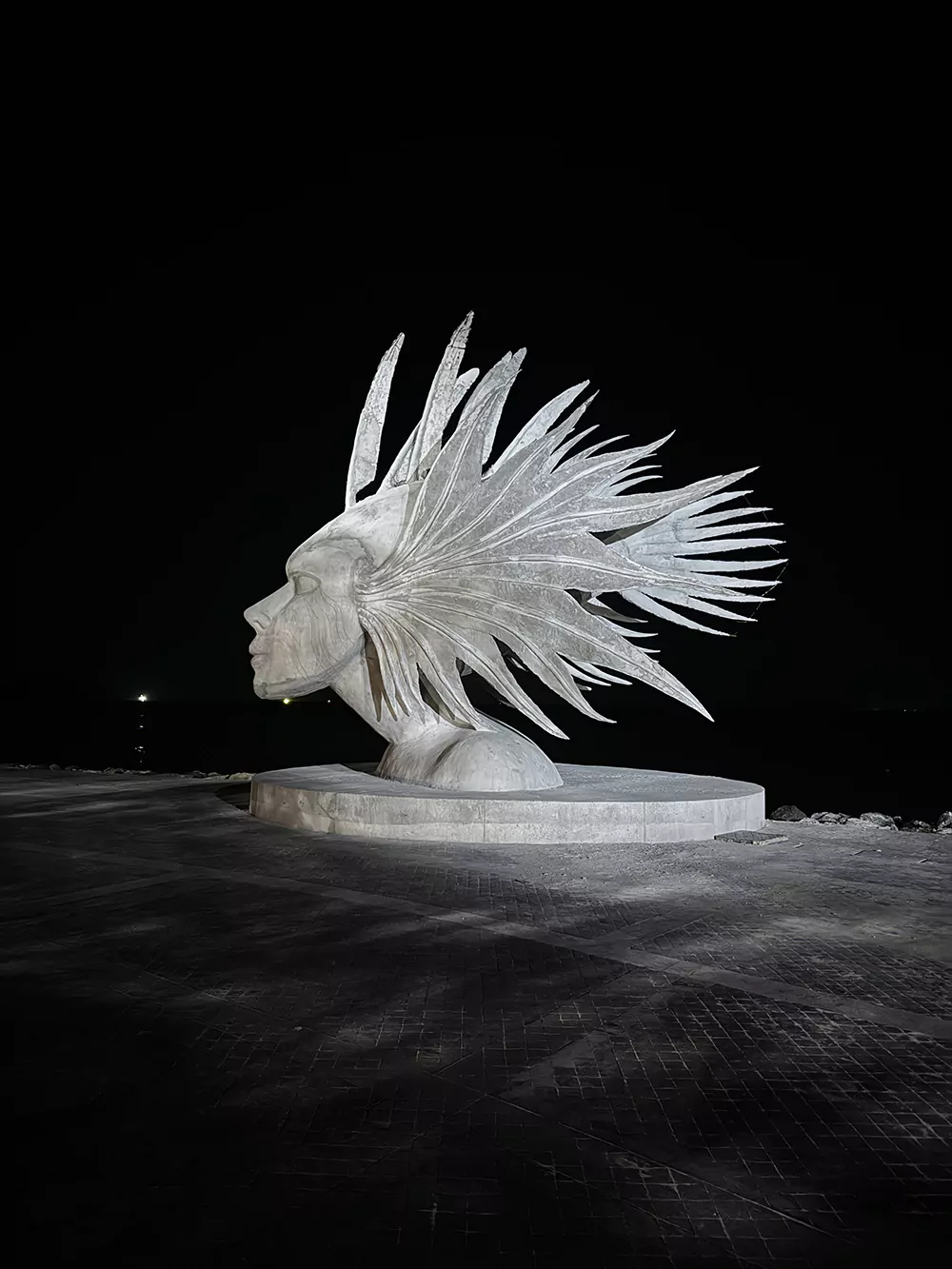
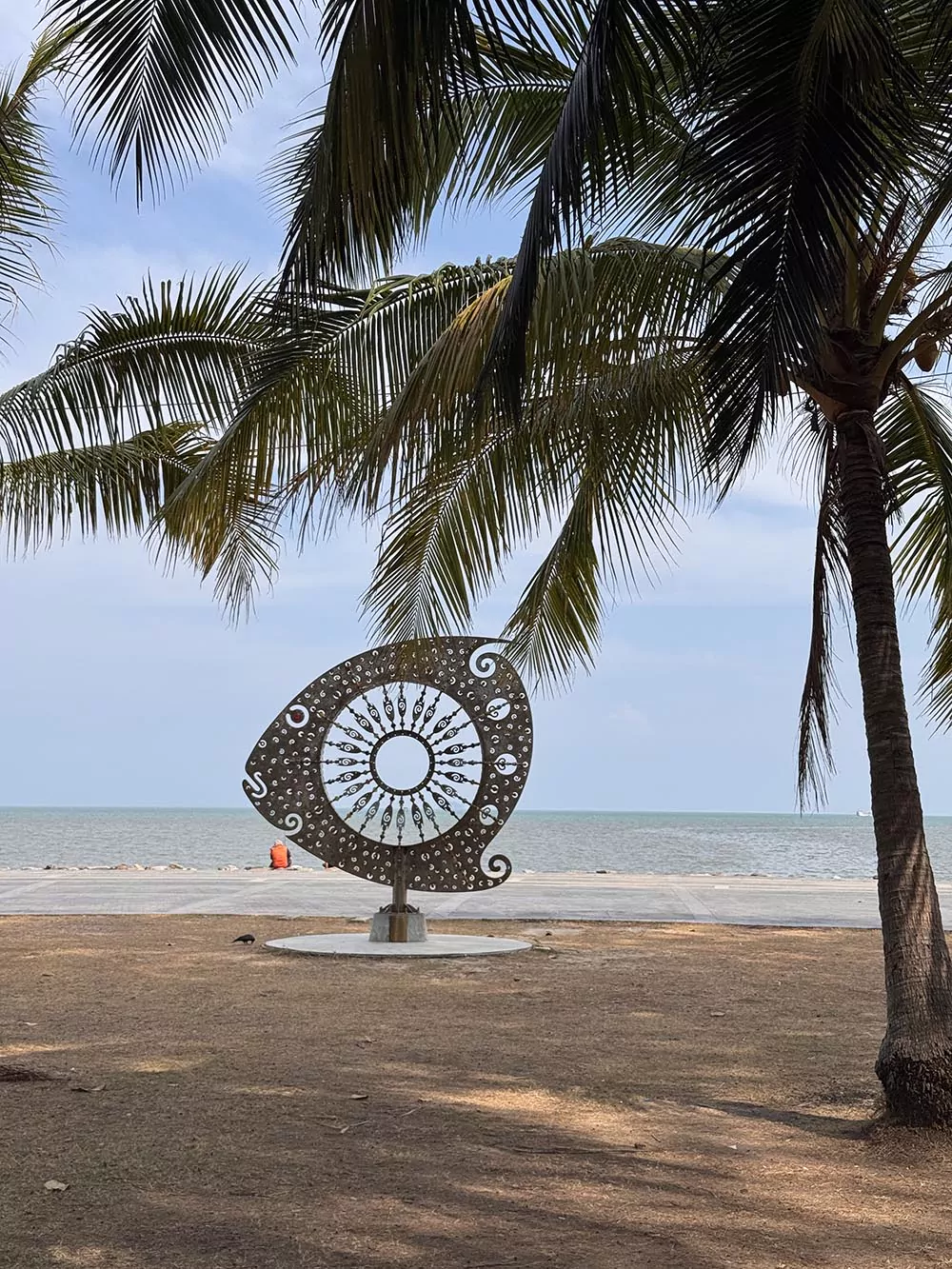
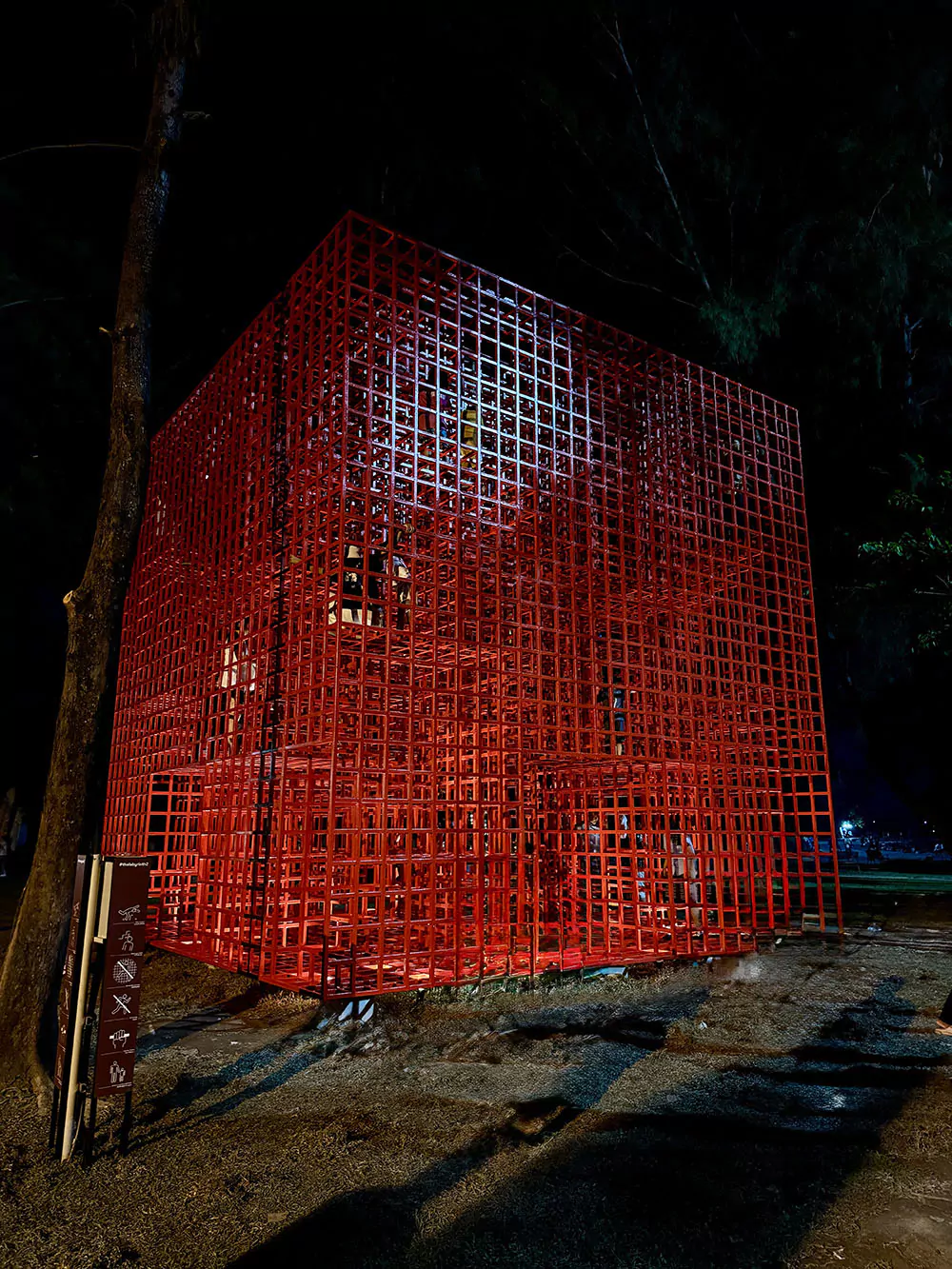
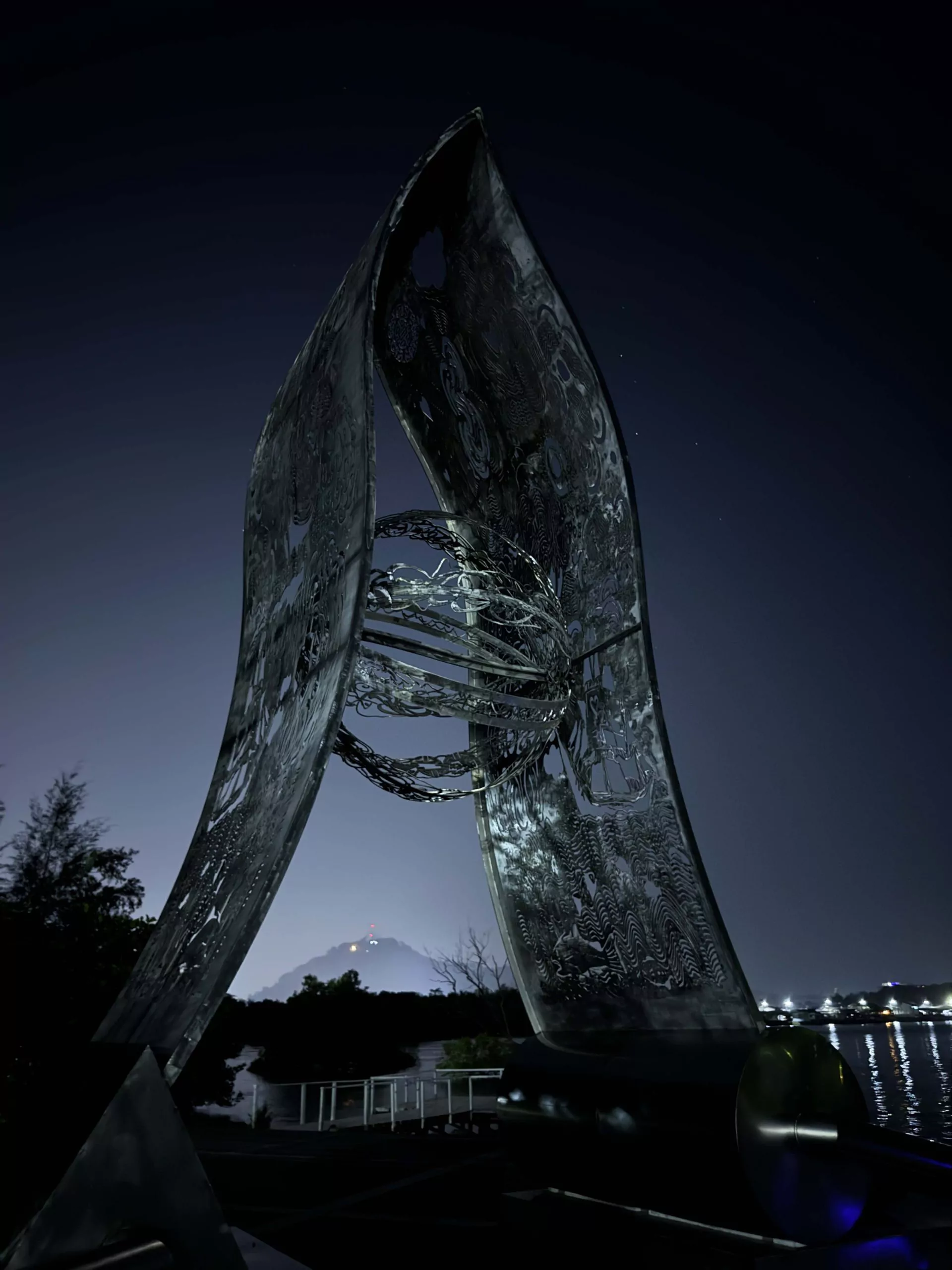
The main open venue of the Thailand Biennale and the site of its official opening on November 29, 2025. During the biennale, this coastal park was transformed into a large open-air sculpture trail. Large-scale art objects are placed on the lawns, along the waterfront, and extend all the way to the tip of the cape. Three of the works installed here will become permanent and remain public landmarks even after the exhibition ends.
The most striking of them is a monumental white sculpture of a sea goddess. It is installed at the very edge of the cape and faces the open sea. The long, blade-like strands of her hair resemble fins and symbolize the guardian spirit of the Andaman Sea.
Next to Sapan Hin Park, a wooden walking trail runs through a shaded forest. Here, the artworks are smaller and more intimate — they seem to dissolve among the mangrove roots and water. Together, these two areas form a unified coastal space: first, you can walk along the sculpture trail by the sea, and then venture into the mangrove thickets, where the atmosphere becomes calmer and more contemplative.
Suuko Pavilion Phuket biennale
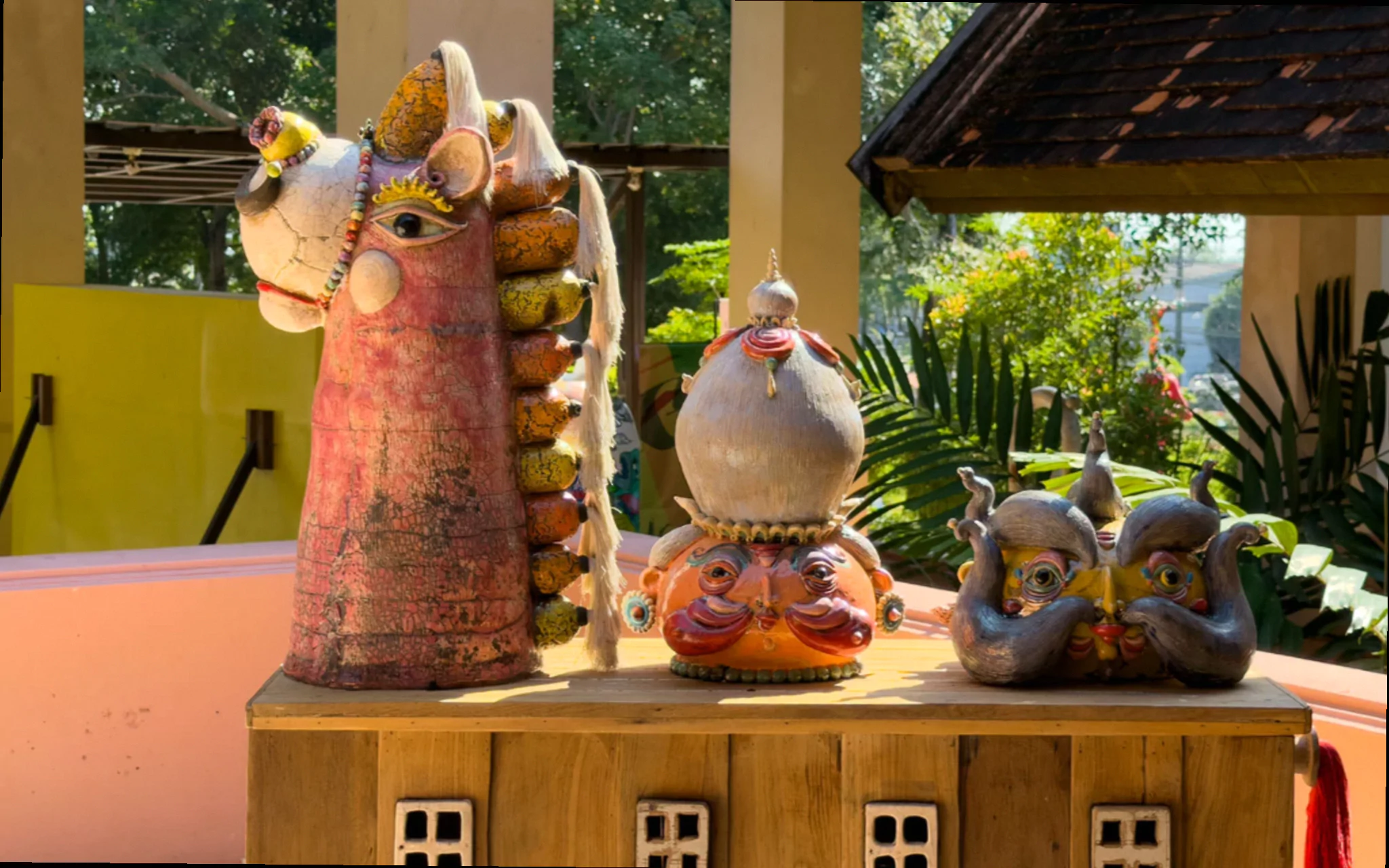
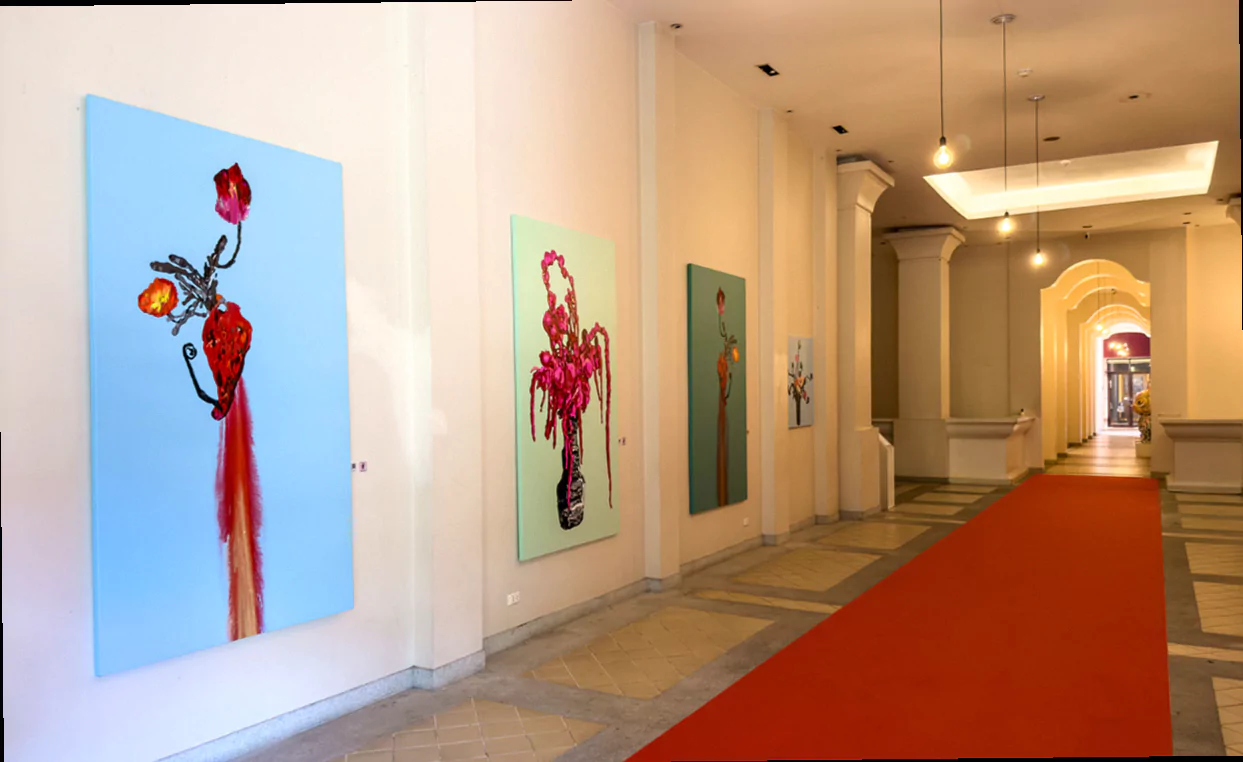
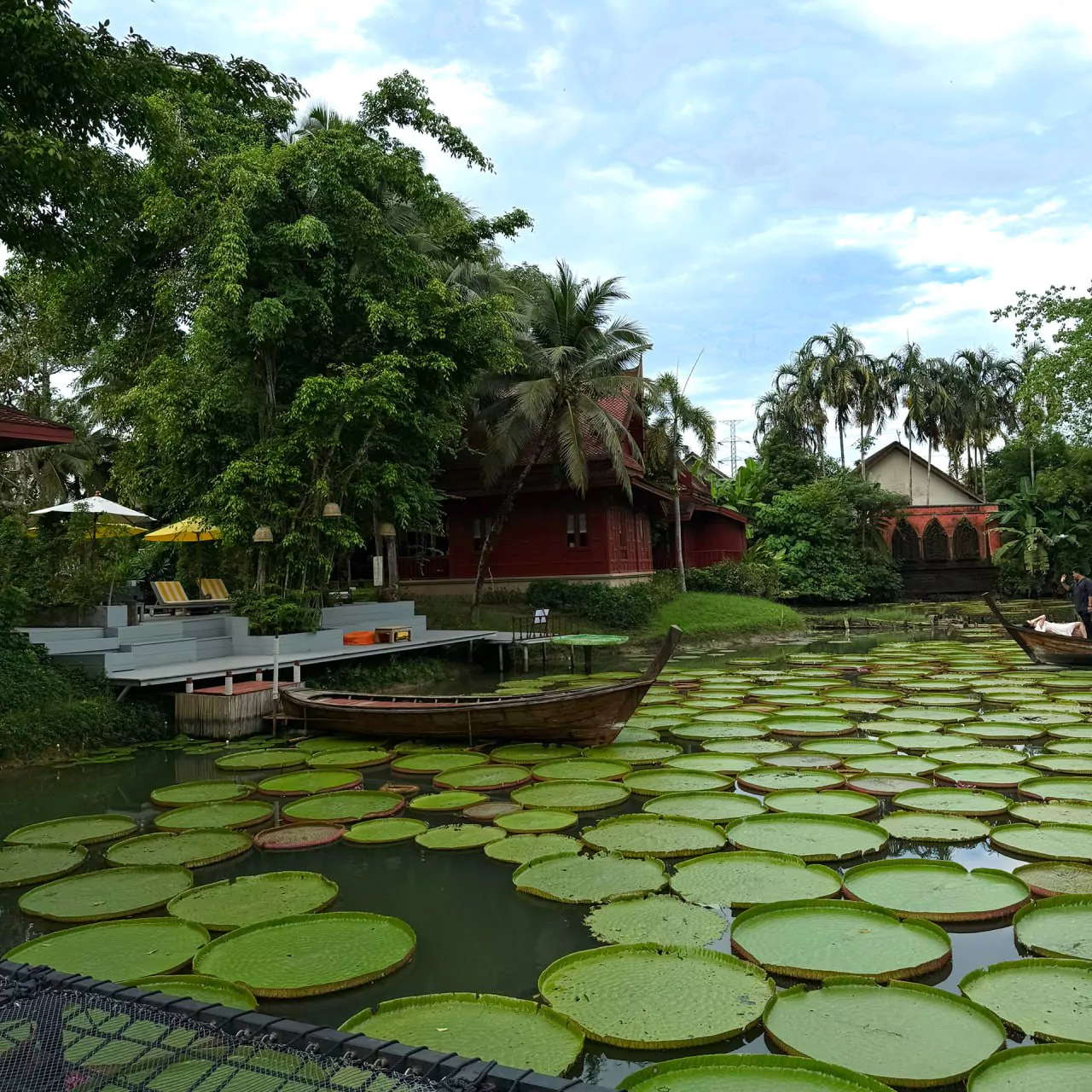
The Suuko Pavilion is the largest venue among the 19 pavilions of the Thailand Biennale. It is located on the grounds of the Suuko Wellness & Spa Resort in Chalong. During the biennale, its traditional Thai pavilions and halls were transformed into a large-scale exhibition space. In total, the venue presents over 100 works of art spread across five distinct zones, so it’s worth setting aside several hours to explore the exhibition.
The main hall is surrounded by four open pavilions, each dedicated to one of Thailand’s regions. The Lanna Pavilion (North) was organized by the Khua Silapa art collective from Chiang Rai. It showcases over a hundred works by artists, including traditional Buddhist banners of Lanna culture. The Isan Orklai Pavilion (Northeast) displays works by artists from the Isan Artists Association, featuring installations made with vibrant woven materials characteristic of the Isan region. The Andaman Pavilion (South) brings together artists from the provinces along the Andaman coast, while the Gulf of Siam Pavilion presents works by 32 artists united under the theme “Sound Waves from the Bay Shore to Stories from the Edge of the Earth.”
The centerpiece of the exhibition is a majestic building in traditional Thai style, with columns, pointed gables, and a reflecting pool. Inside is the exhibition “Wheel of Eternal Serenity,” featuring works by some of Thailand’s most renowned artists. Visitors can see large-scale paintings incorporating gold leaf, polished metal sculptures, as well as an impressive transparent acrylic Buddhist stupa that reflects light and creates a unique atmosphere.
Jee Teng Complex
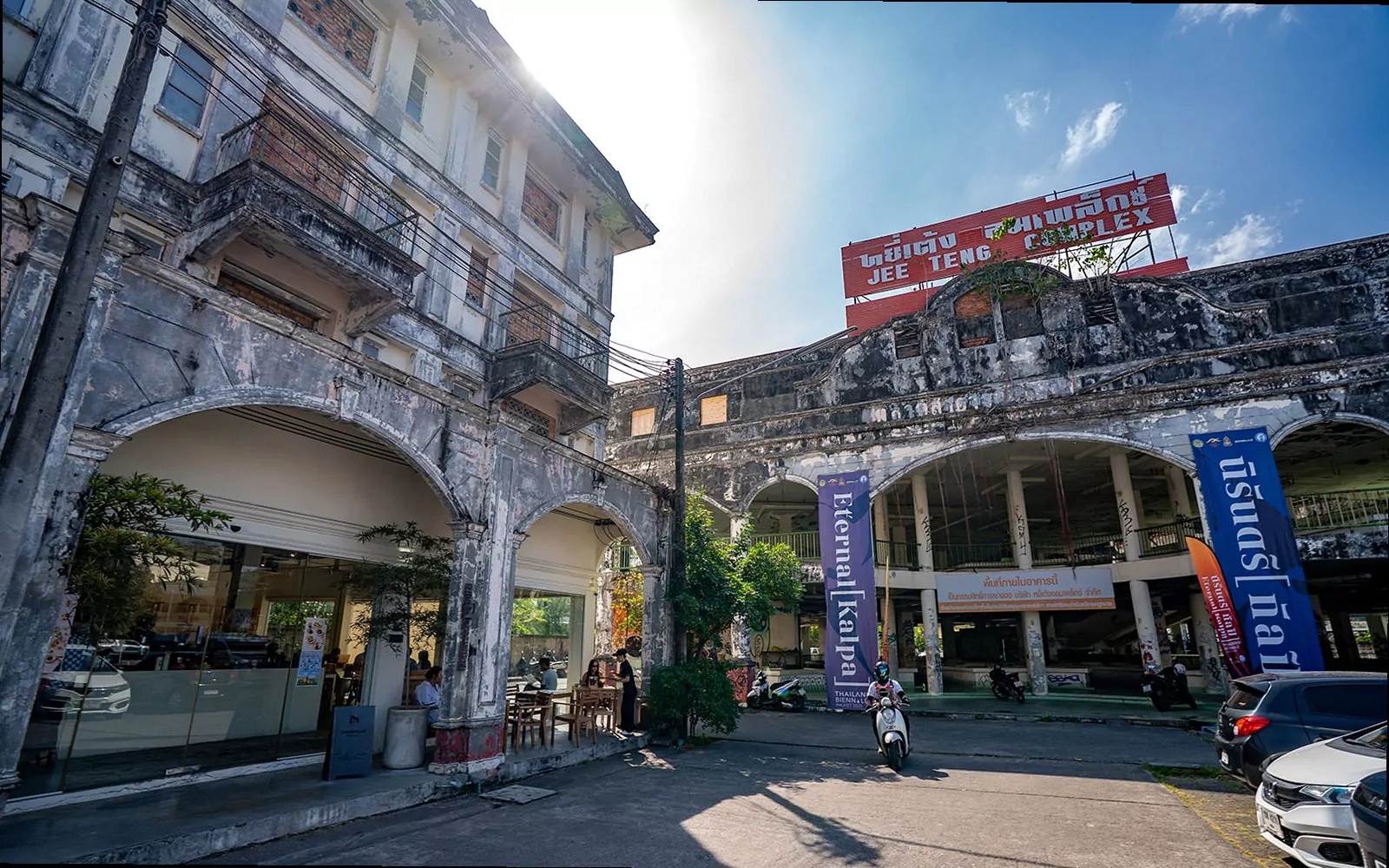
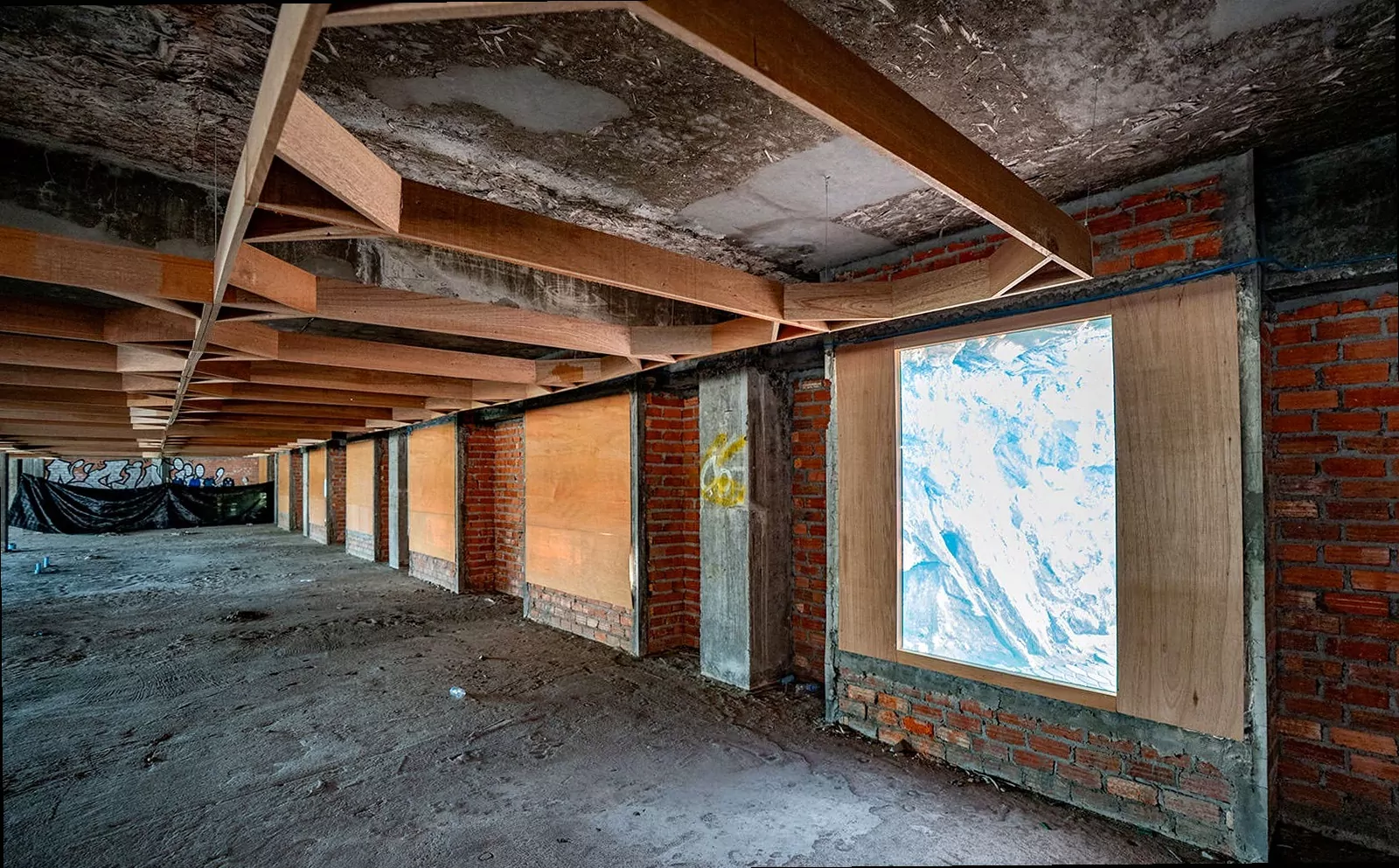
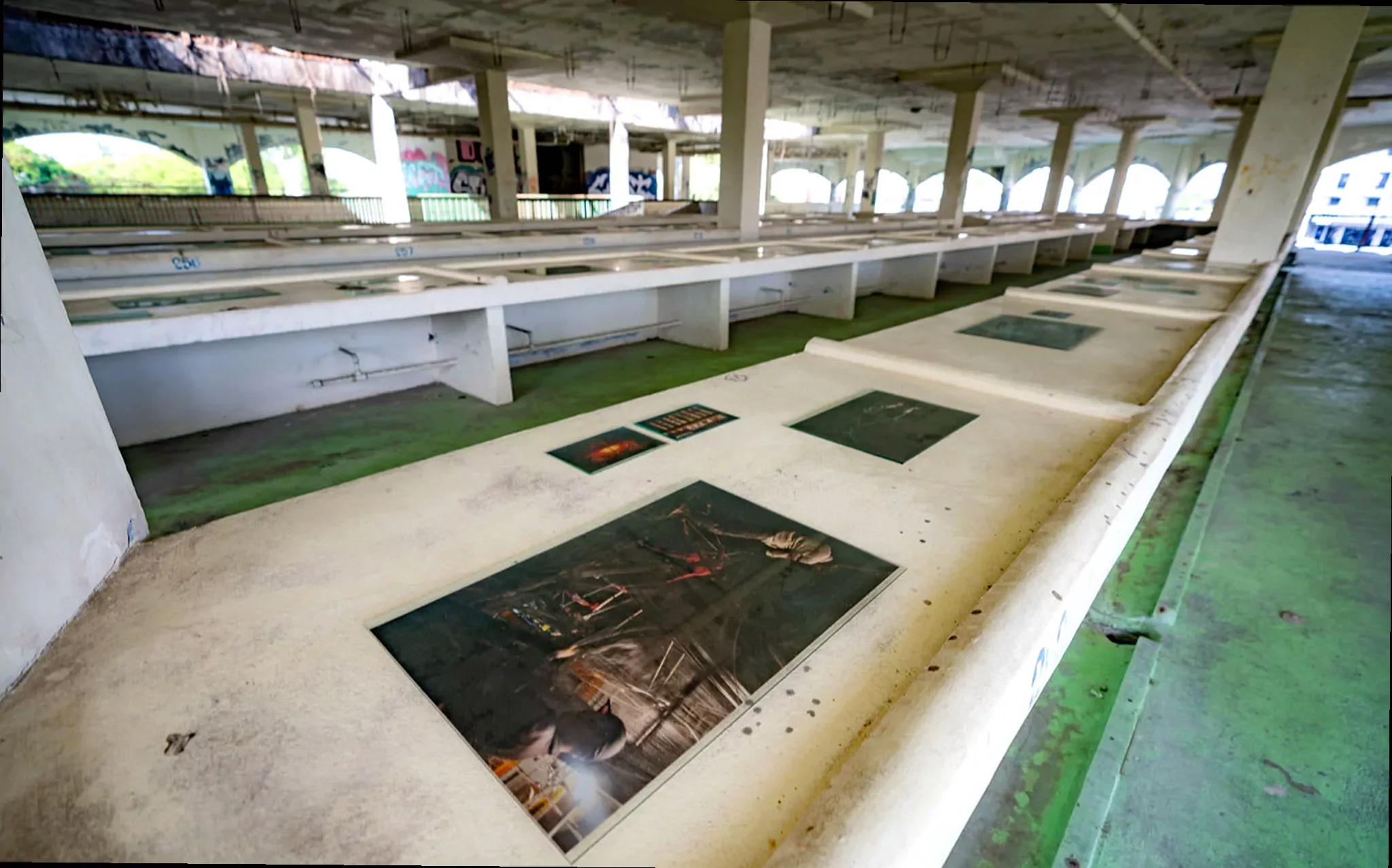
The Jee Teng Complex is one of the most unusual and atmospheric venues of the biennale. It is a market building that has been abandoned for many years. On maps, you will see a “permanently closed” icon. In some places, the roof has already collapsed, trees grow through the concrete, and the staircases are covered with layers of graffiti. Walking through this space evokes a slightly unsettling feeling, and that is no coincidence.
The complex was built next to the site where a tragic fire occurred on January 30, 1985. The building housed a brothel, and 5 of the 13 women working there were chained to the beds. As a result, they were unable to escape and perished in the fire.
For the biennale, Thai artist Prachaya Phinthong created a two-part sound installation here. On the first floor, a video of underwater scenes is shown on an LED screen placed directly on a mattress, accompanied by the sounds of coral reefs recorded by a marine biologist.
On the second level, wooden structures are suspended from the ceiling to attract swallows and allow them to nest inside the building. Speakers play recordings of birdsong — designed to lure the birds into this space.
The installation is complemented by archival photographs of the old market, displayed on the original concrete market stalls. This way, the building’s past becomes part of the artwork, and the space transforms into a powerful and unsettling dialogue between memory, nature, and time.
Kathu Temple and the former liquor factory
Kathu Temple, together with the nearby former liquor factory, forms the art cluster Sala 4 Kor Artland. The main work presented in the temple is the installation “Nine-Colored Deer” by Chinese-American artist and filmmaker Andrew Thomas Huang.
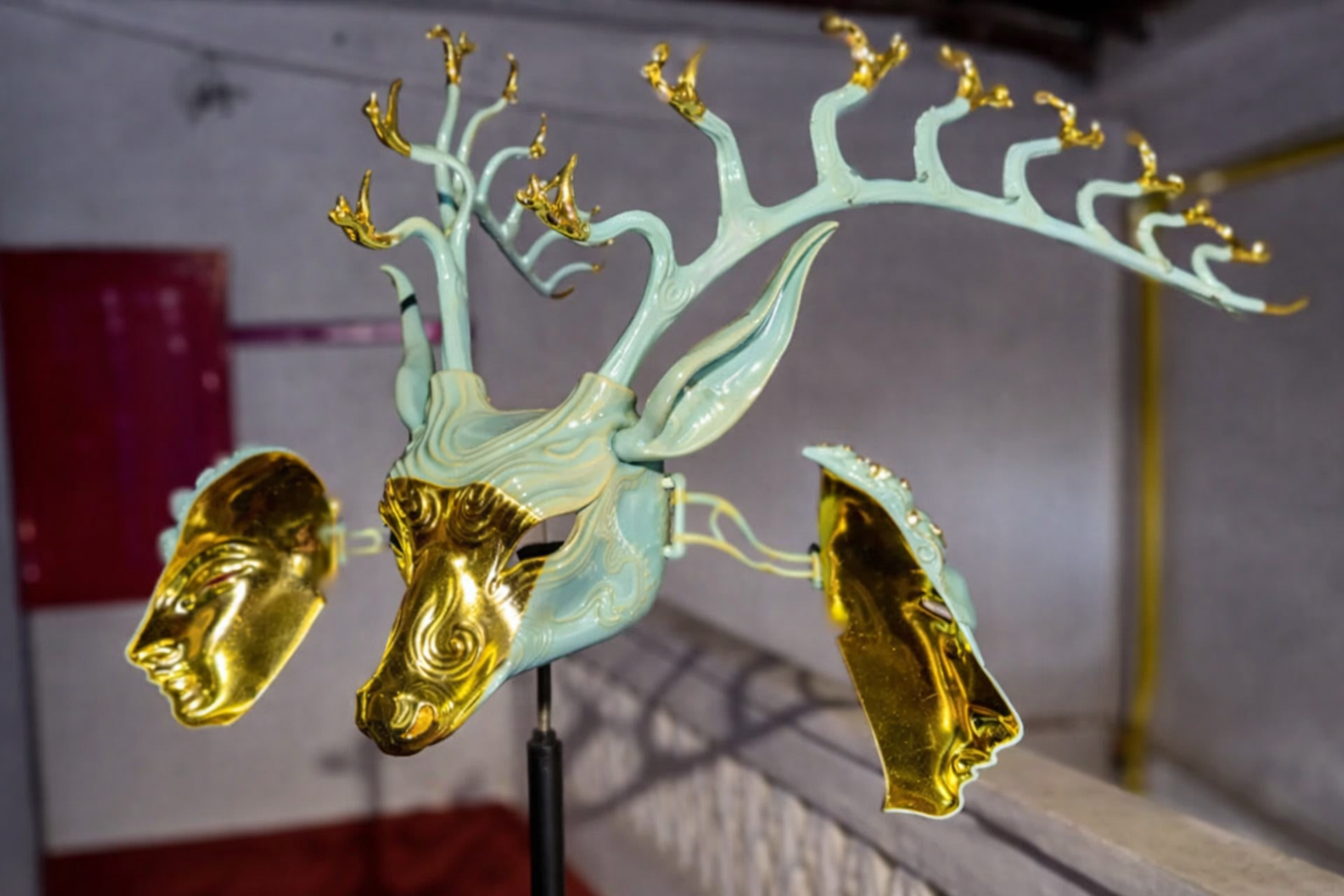
The work combines two stories associated with the image of the deer. The first is an ancient Buddhist legend of the nine-colored deer. It tells of a noble deer that saves a drowning man, only to be betrayed by him in pursuit of a reward. The second story is based on a real animal — the Schomburgk’s deer, which once lived on the swampy plains of central Thailand and became completely extinct by the mid-20th century.
In Huang’s video installation, these two narratives intertwine. The main character is a Thai girl named Nuan, who discovers that she is the reincarnation of the last Schomburgk’s deer. The story follows her transformation into a radiant nine-colored deer — a symbol of memory, loss, and rebirth.
The video is complemented by golden and polymer sculptures of deer masks. They function not only as art objects but also as a kind of “lens” through which viewers engage with the story and symbolism of this mythical animal.
Pop Form X Pop City
One of the 13 independent Sala pavilions accompanying the main program of the Thailand Biennale. It is located in an abandoned commercial building near Poon Phol Night Plaza in Phuket Town.
The pavilion is conceived not as a traditional gallery, but as an open public space for creativity. Its centerpiece is the “White Room” — a place for collaborative drawing, where visitors are encouraged (and expected!) to leave drawings and writings on the walls, floor, sofa, and even on the tablecloths.
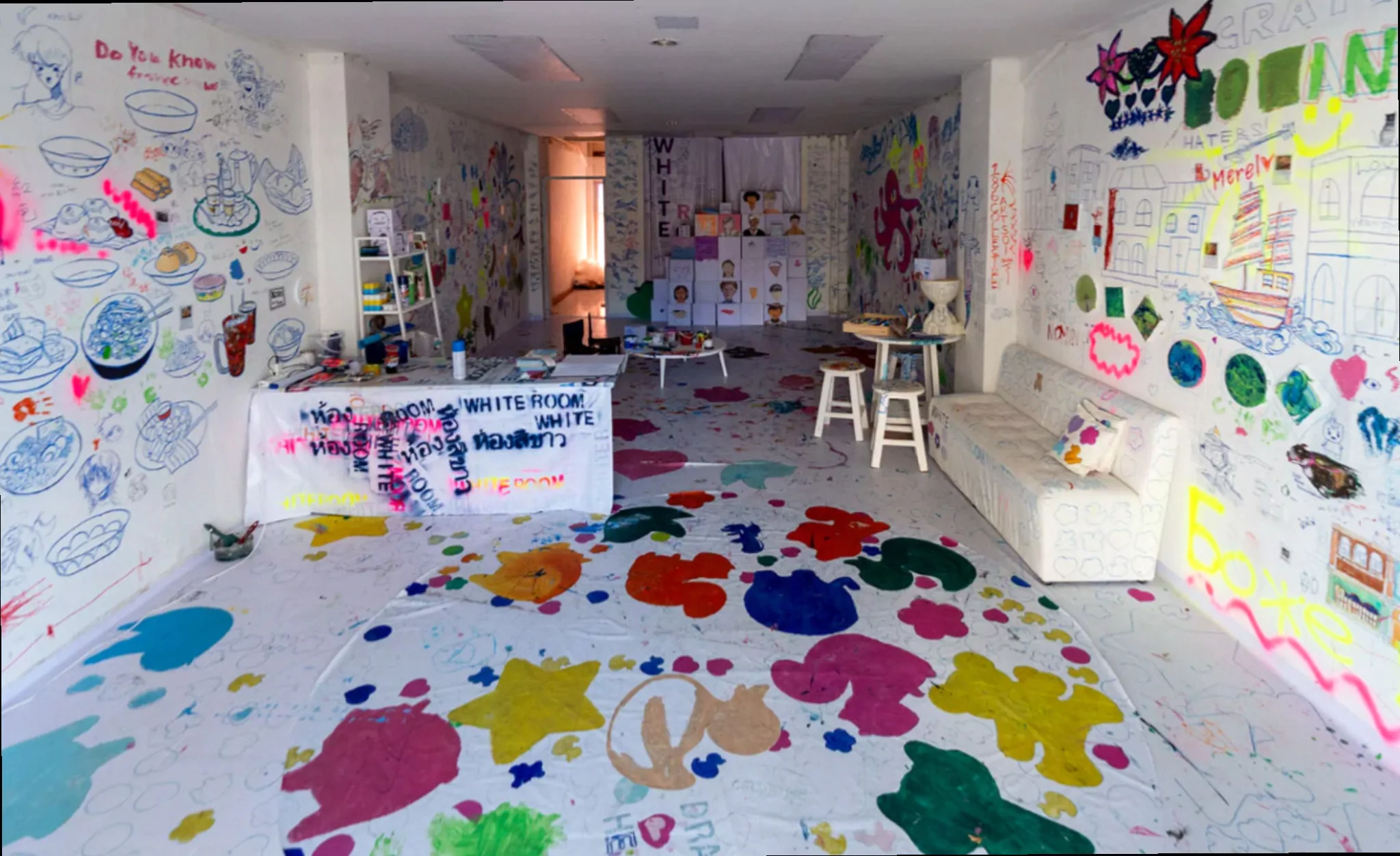
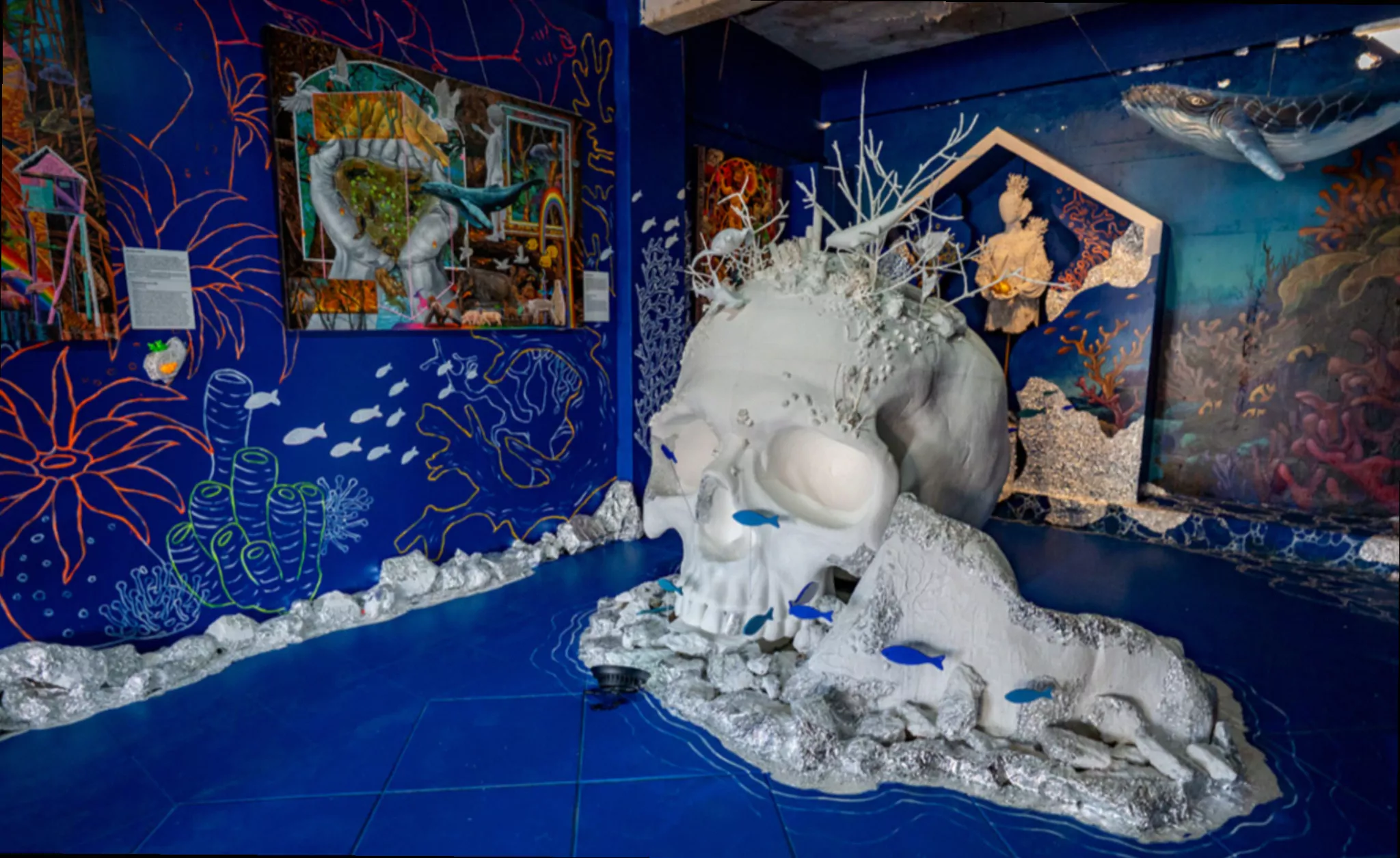
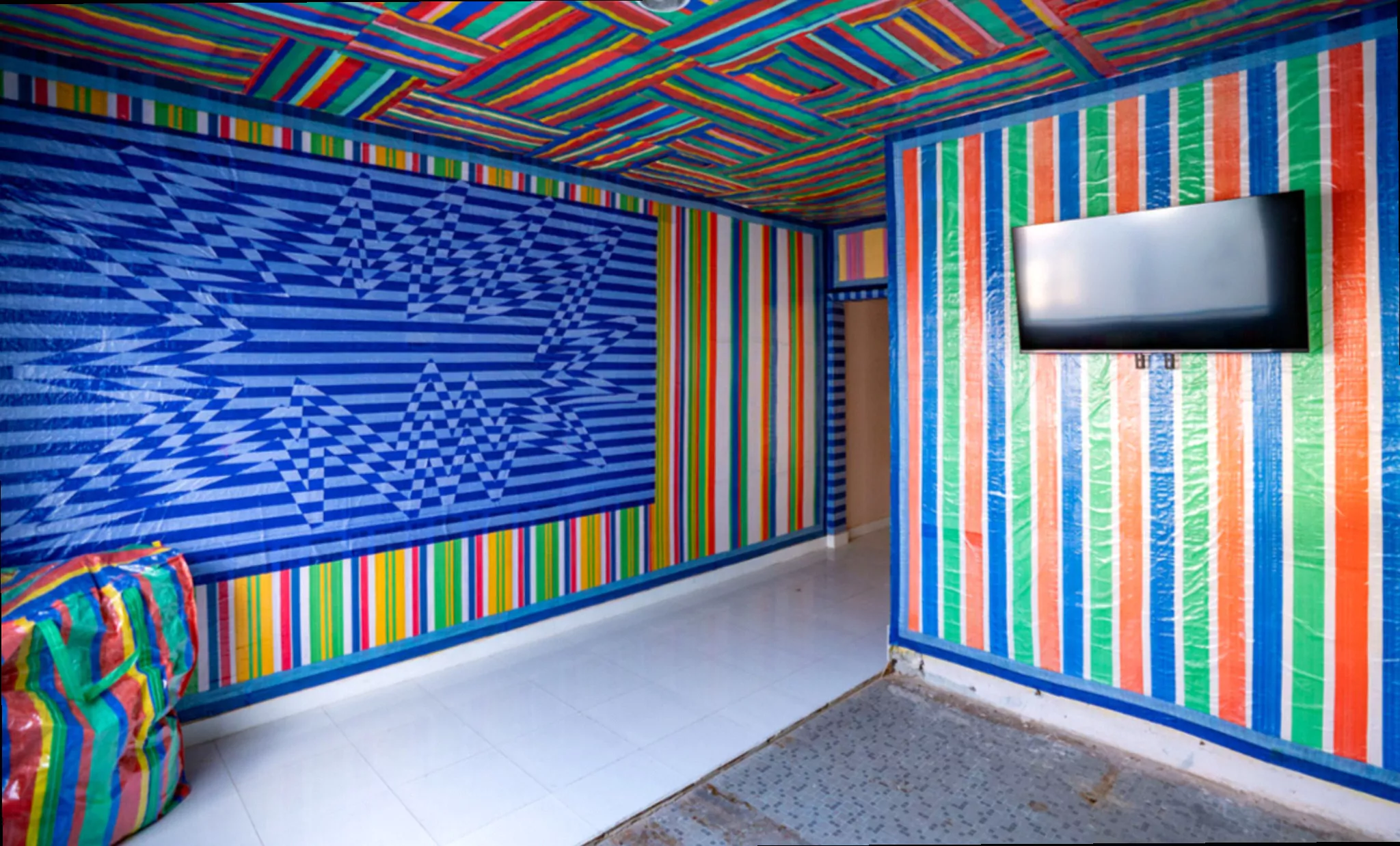
The space is primarily aimed at children and families and is designed as a playful, open area where visitors can experience the biennale in a relaxed and informal atmosphere.
Promthep Cape
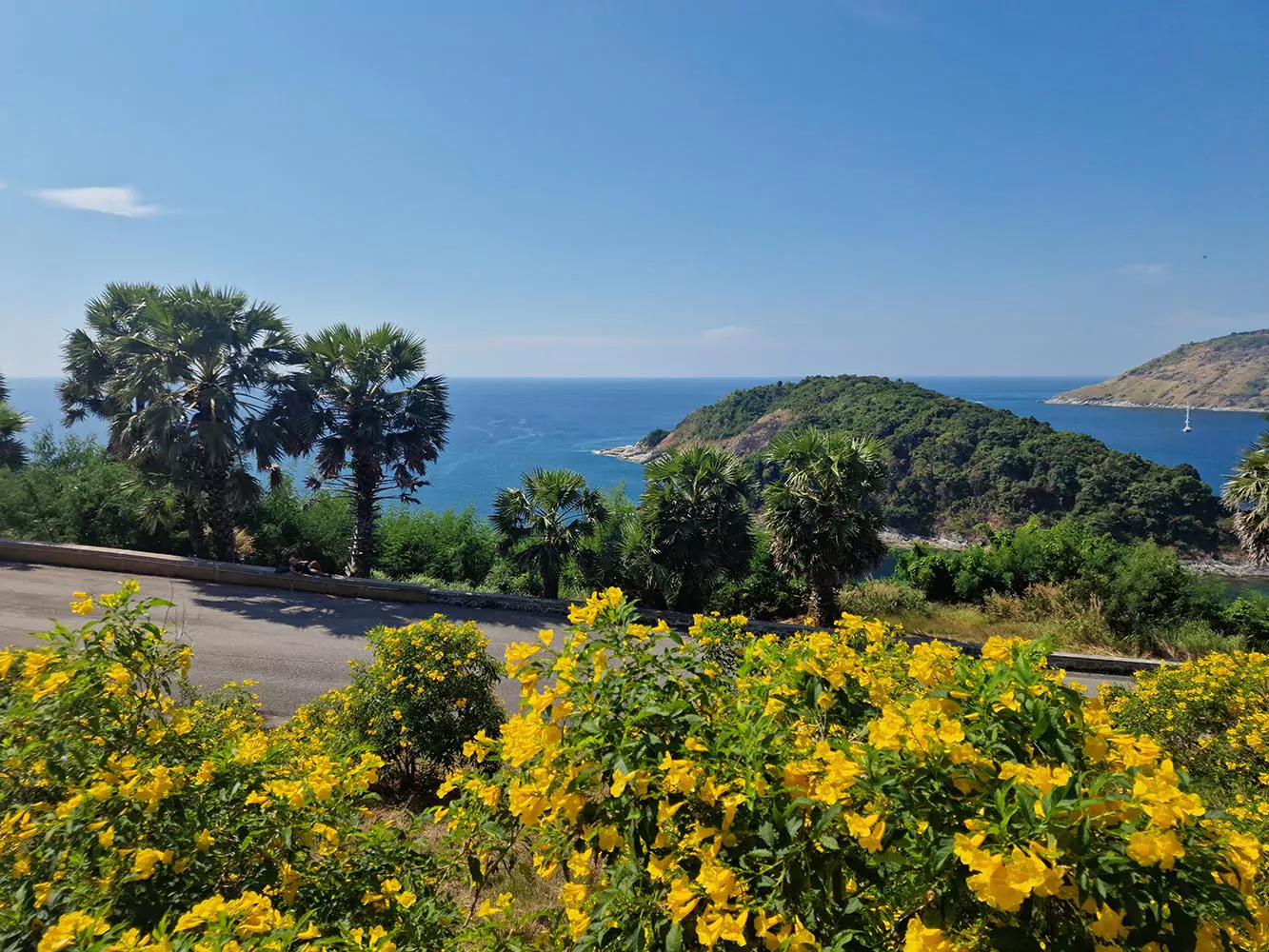
Promthep Cape is one of Phuket’s most famous viewpoints, attracting visitors to watch sunsets over the Andaman Sea. As part of the Thailand Biennale, an impressive sculpture by South African artist Nolan Oswald Dennis has been installed here.
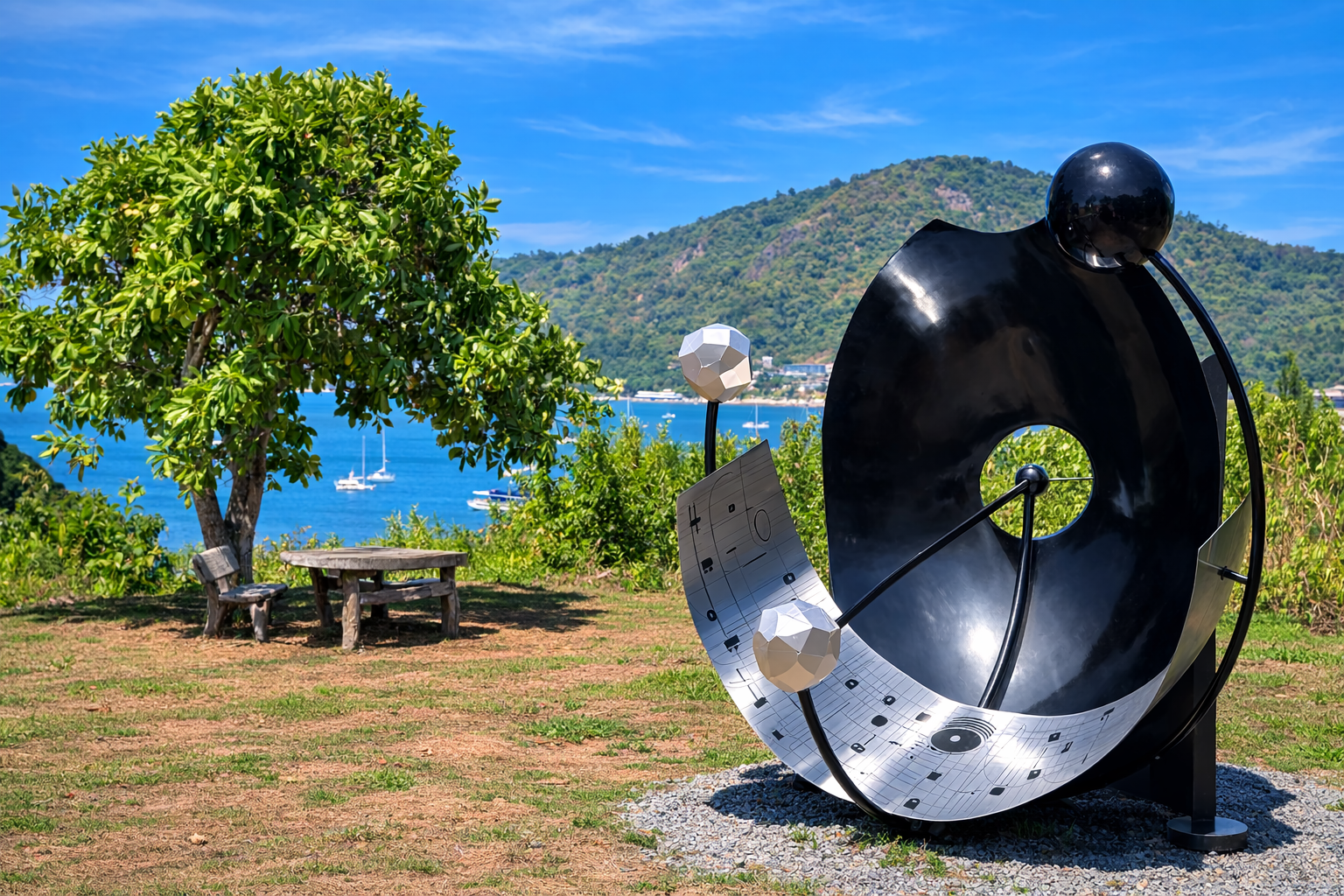
The work is a “moon clock” — a curved structure made of dark polished metal with geometric polyhedrons and a black sphere on top. The sculpture simultaneously evokes an astronomical instrument and a navigation device, as if it tracks not solar, but lunar time.
Installed on a grassy slope overlooking the bay, it stands in sharp contrast to the familiar tourist landscape of sea and mountains. According to reports, after the biennale concludes, the sculpture is planned to be moved to Surin Beach, where it will become one of the island’s permanent art attractions.
Khao Rang Viewpoint
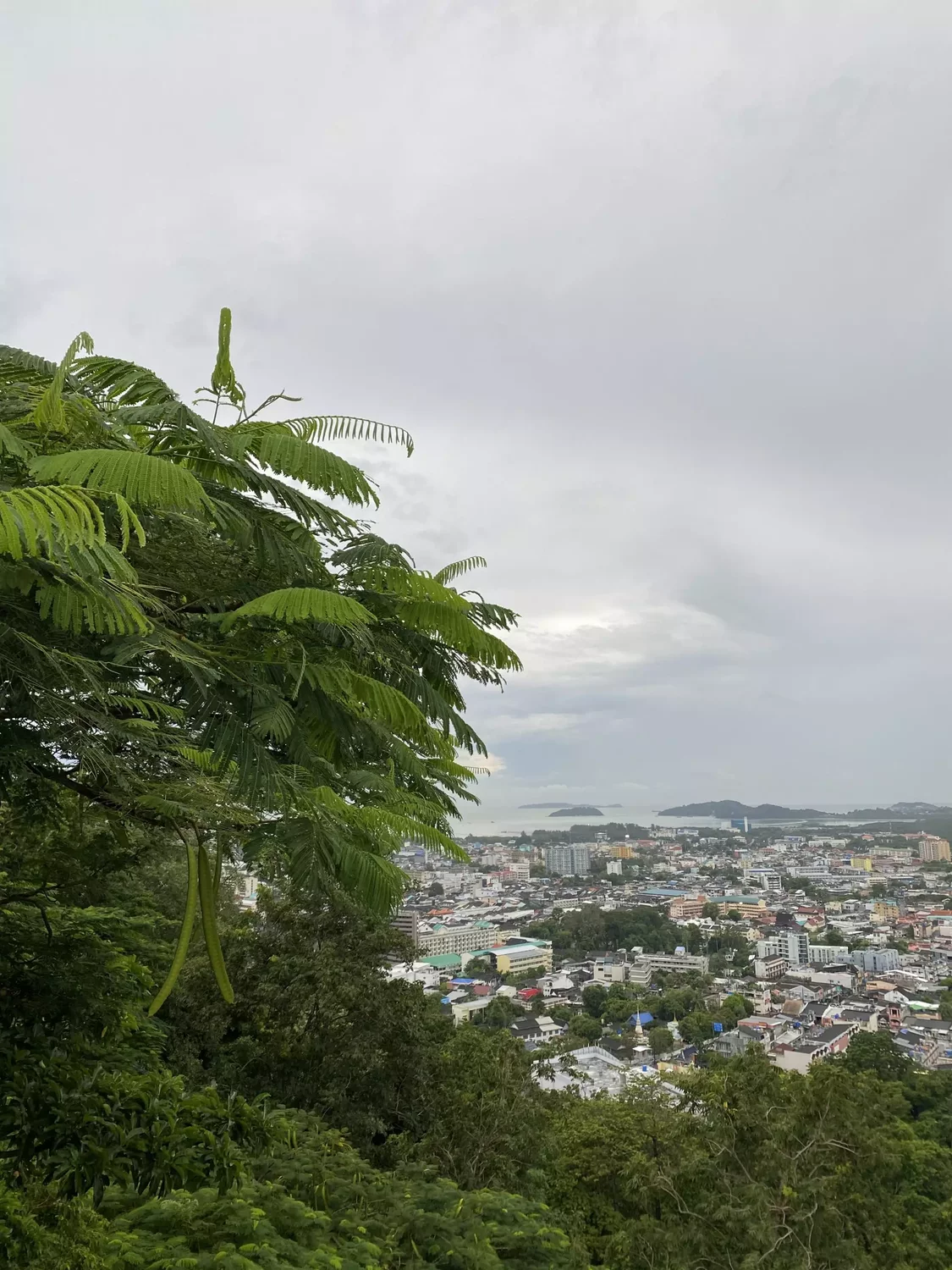
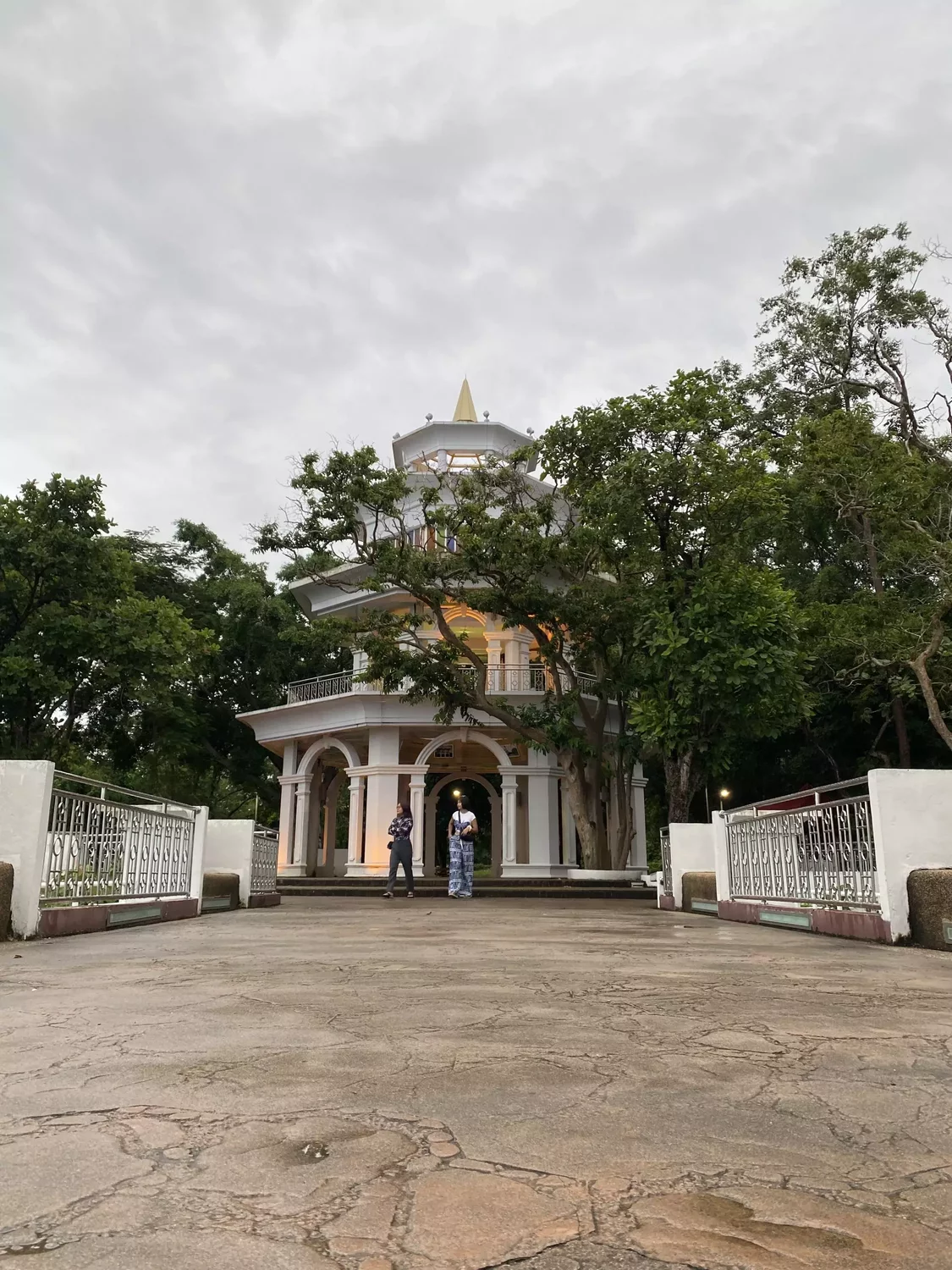
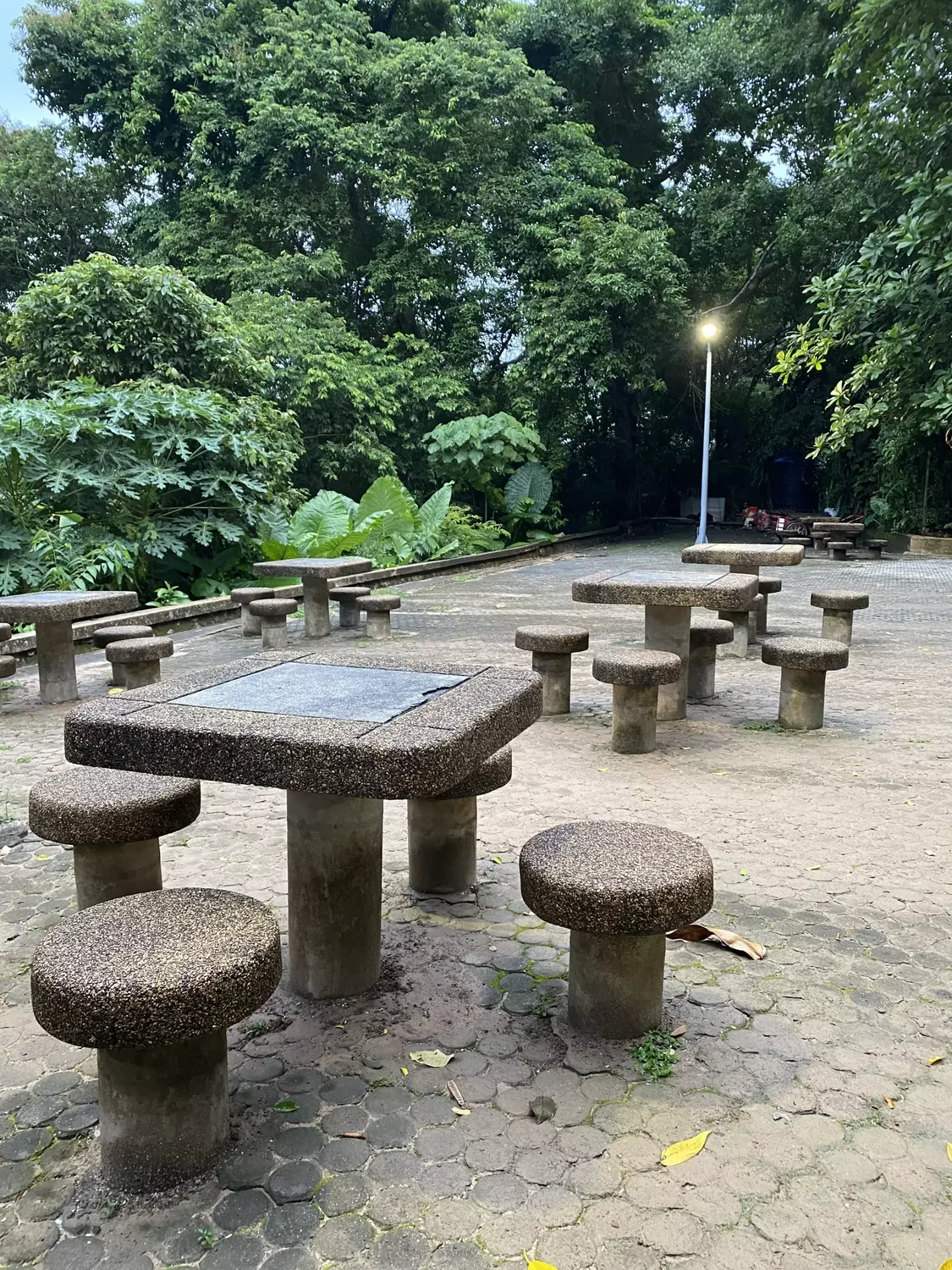
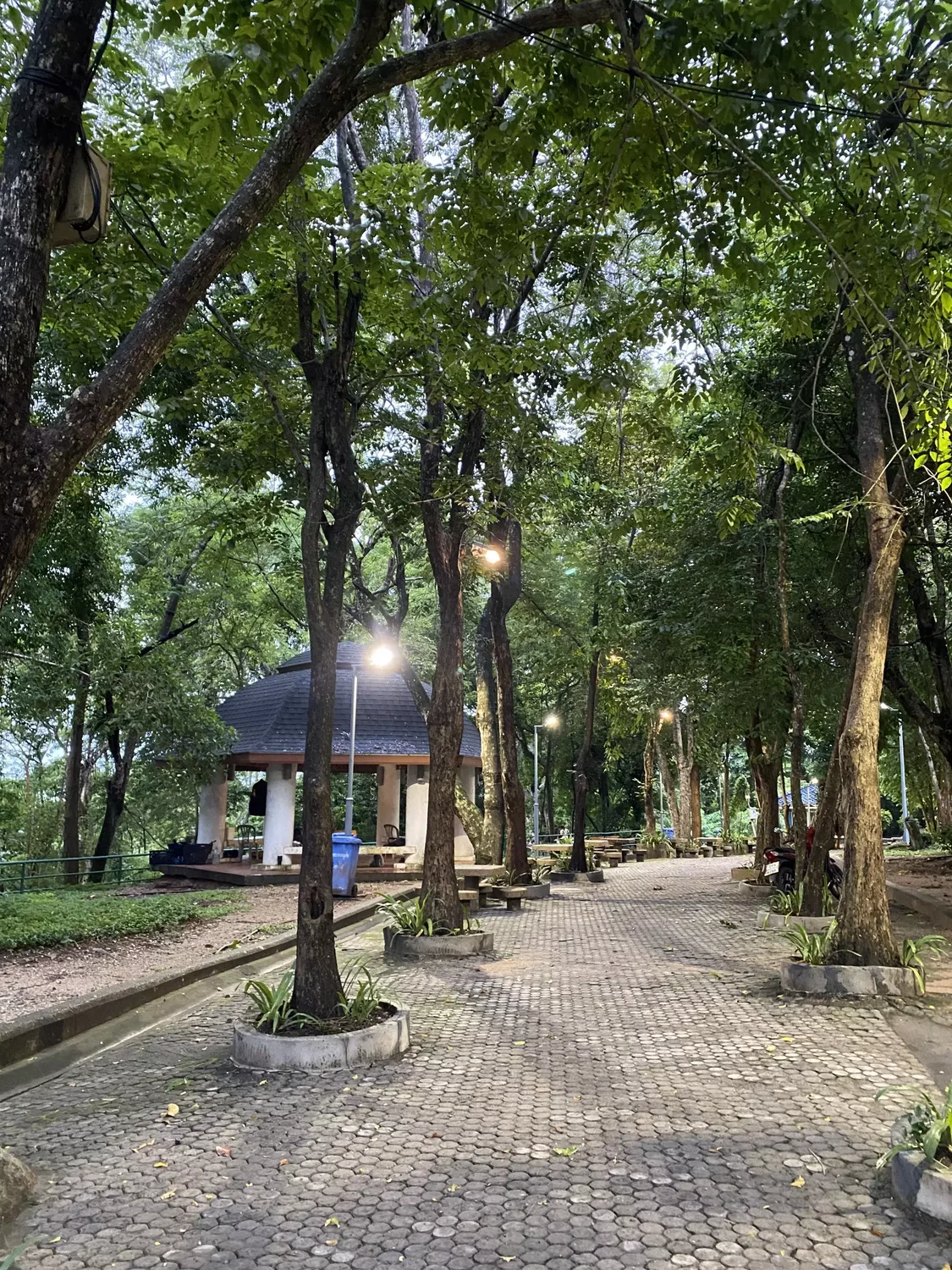
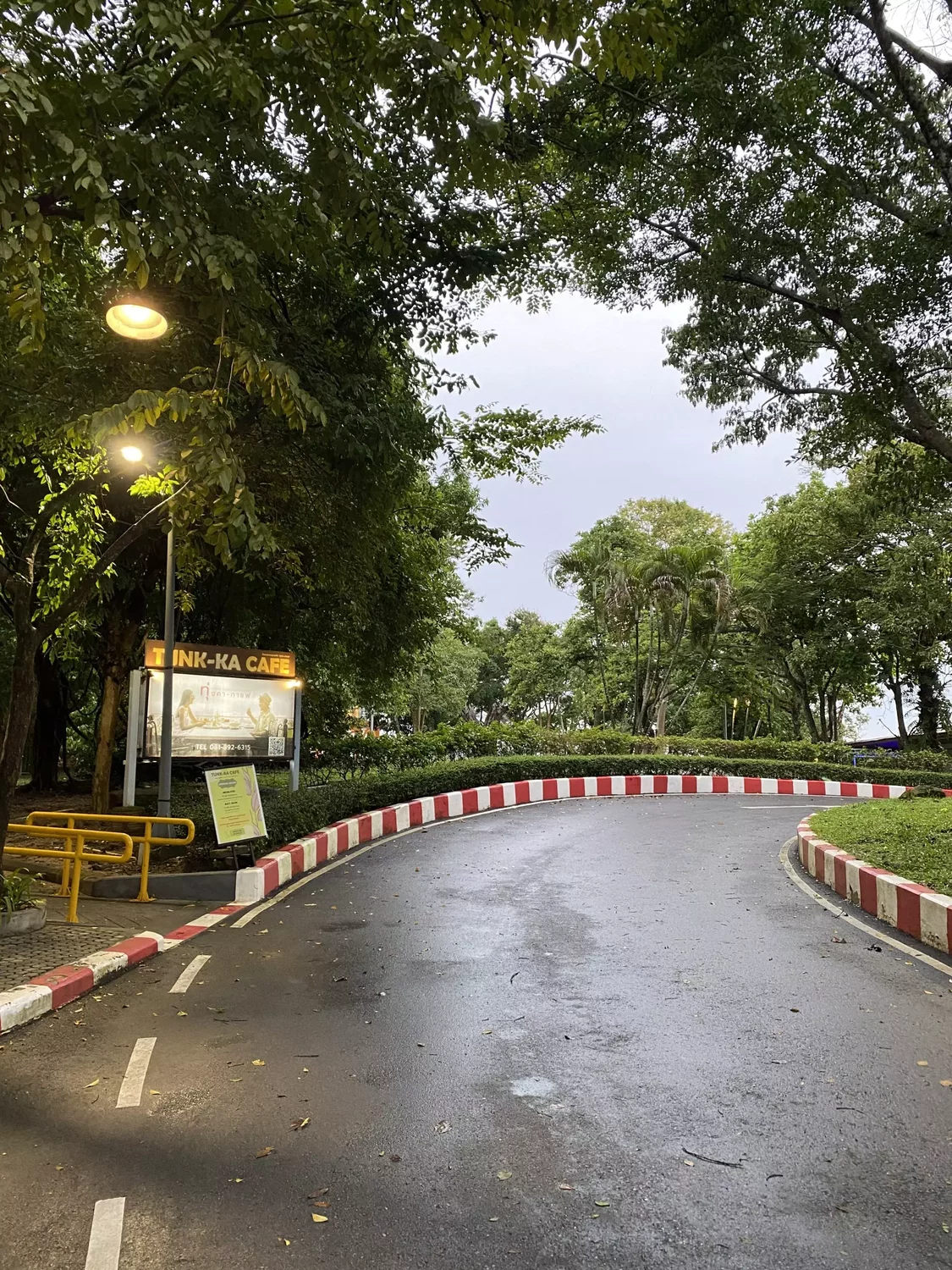
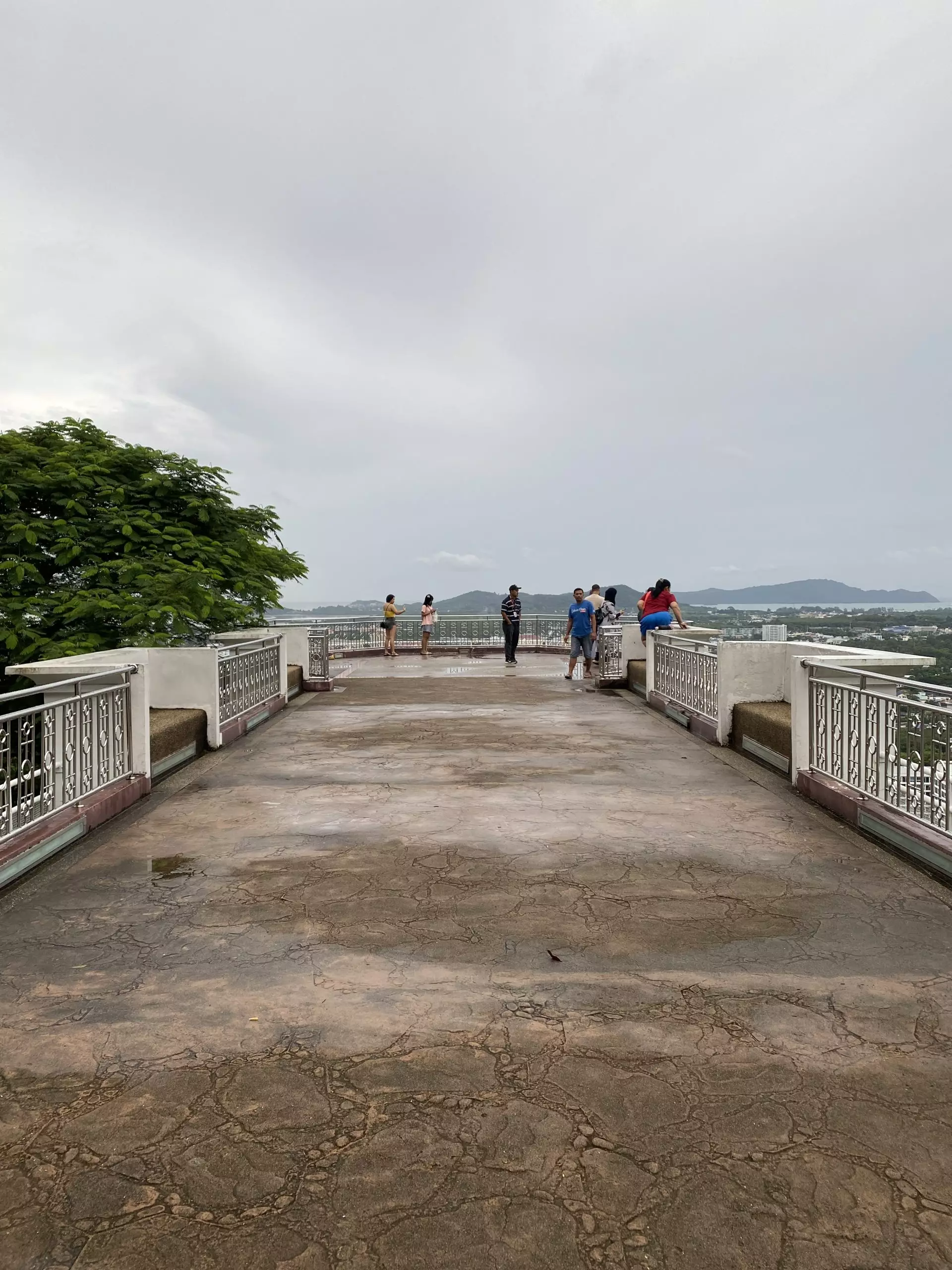
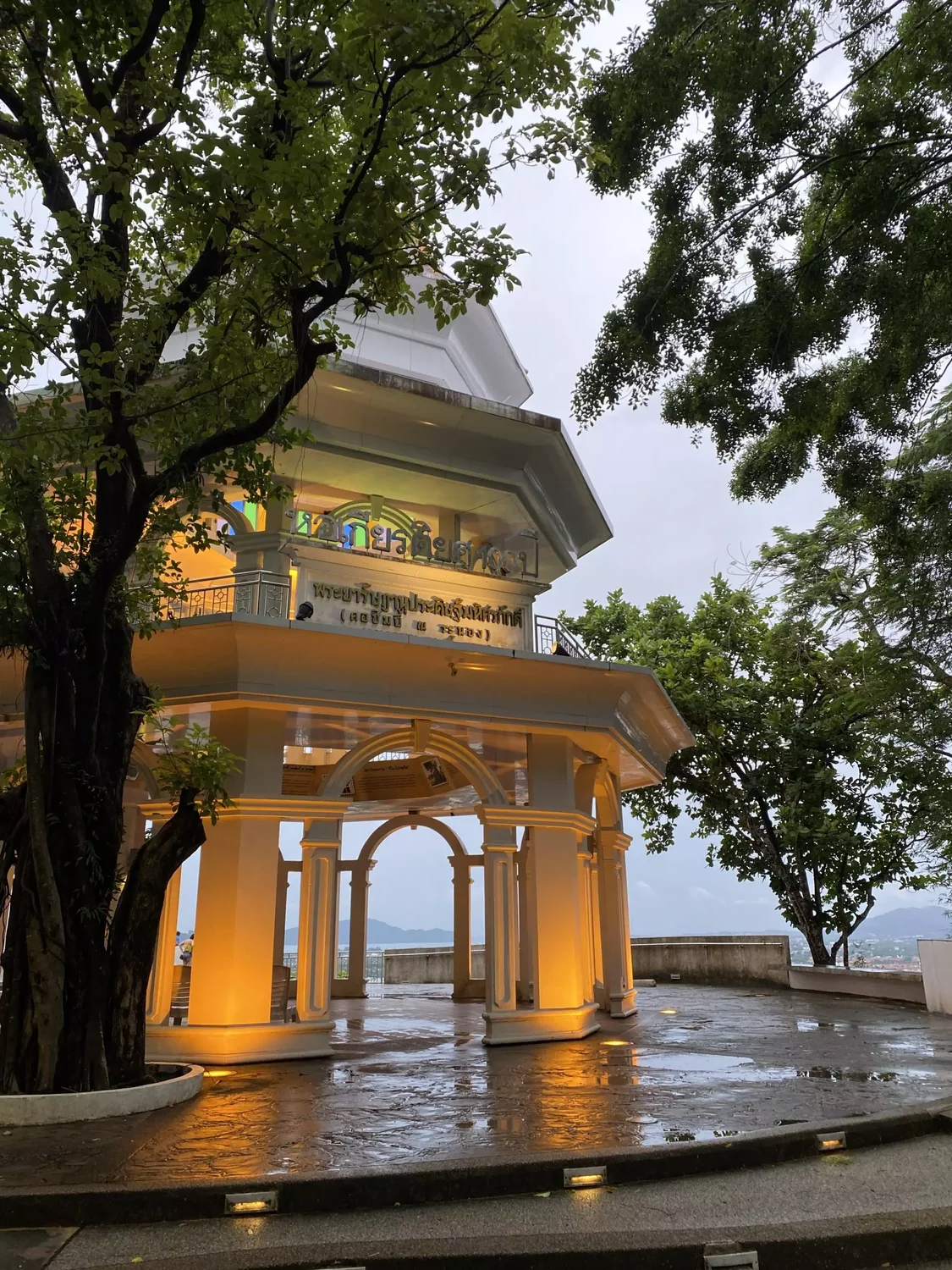
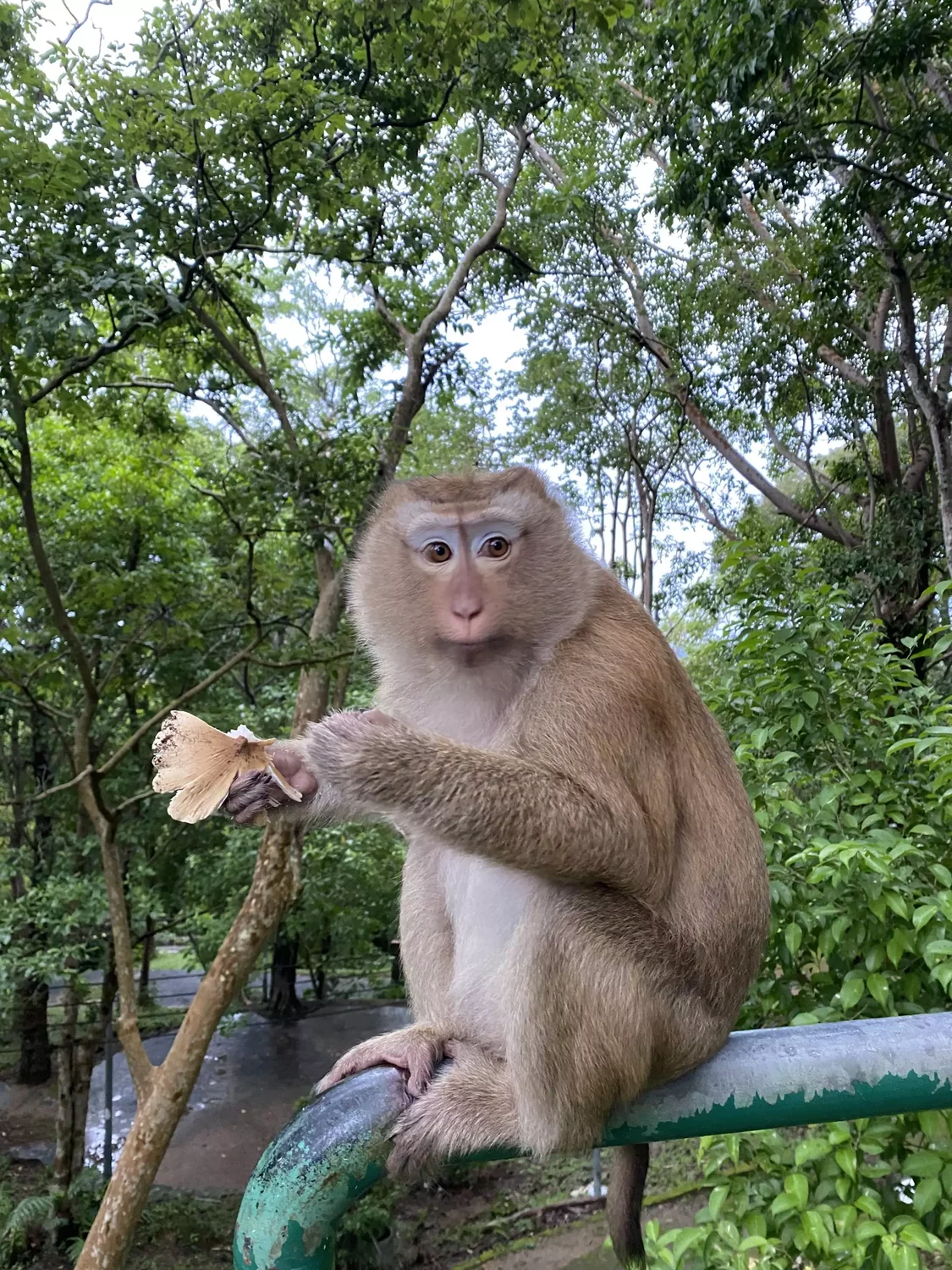
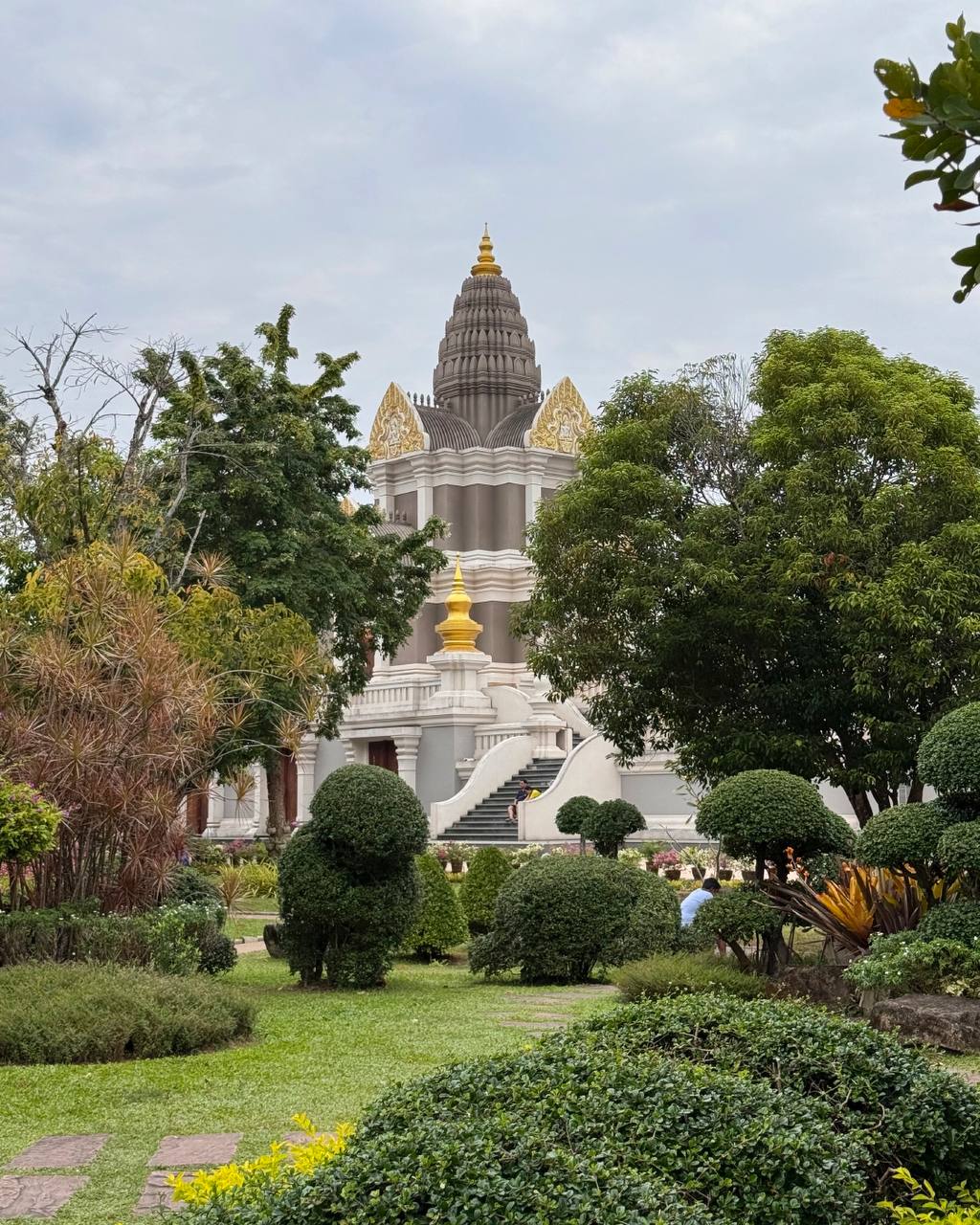
A hill on the northwestern outskirts of Phuket, atop which stands a pavilion built in honor of the former Phuket commissioner Monthon, in recognition of his significant contribution to the region’s development.
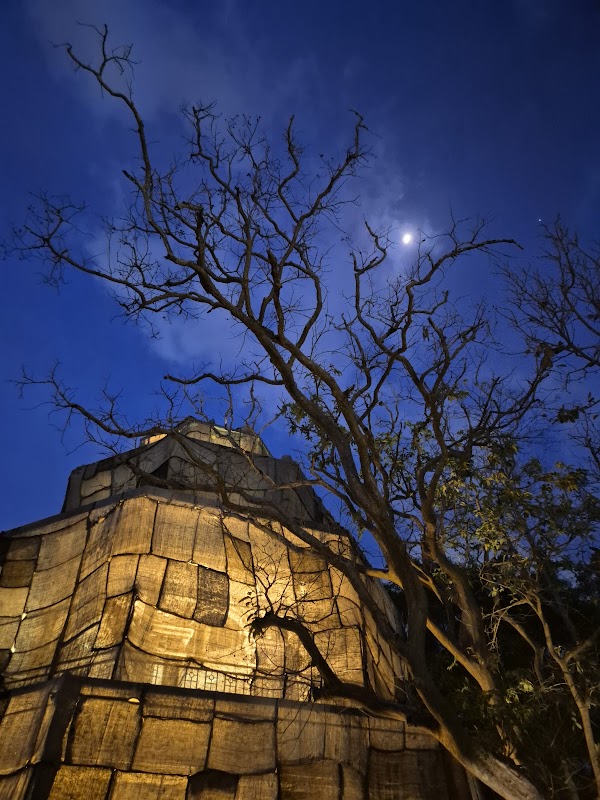
The pavilion is designed in an elegant octagonal style and is surrounded by a terrace offering panoramic views. The area around the hill serves as a public park, where people come to relax, exercise, and enjoy the scenery. During the biennale, visitors can see a work by the artist Ibrahim Mahama here.
Where to Find More Art in Phuket
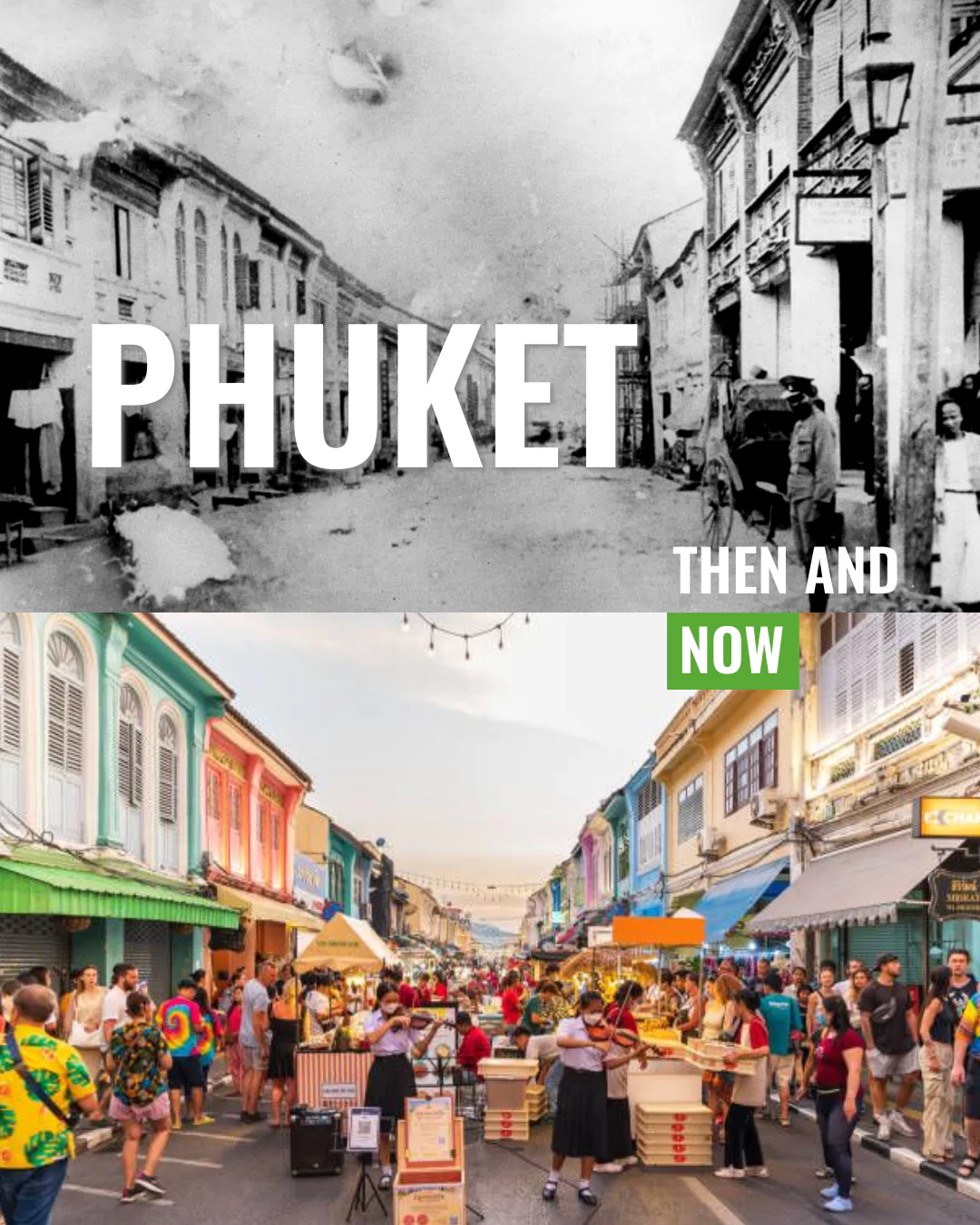
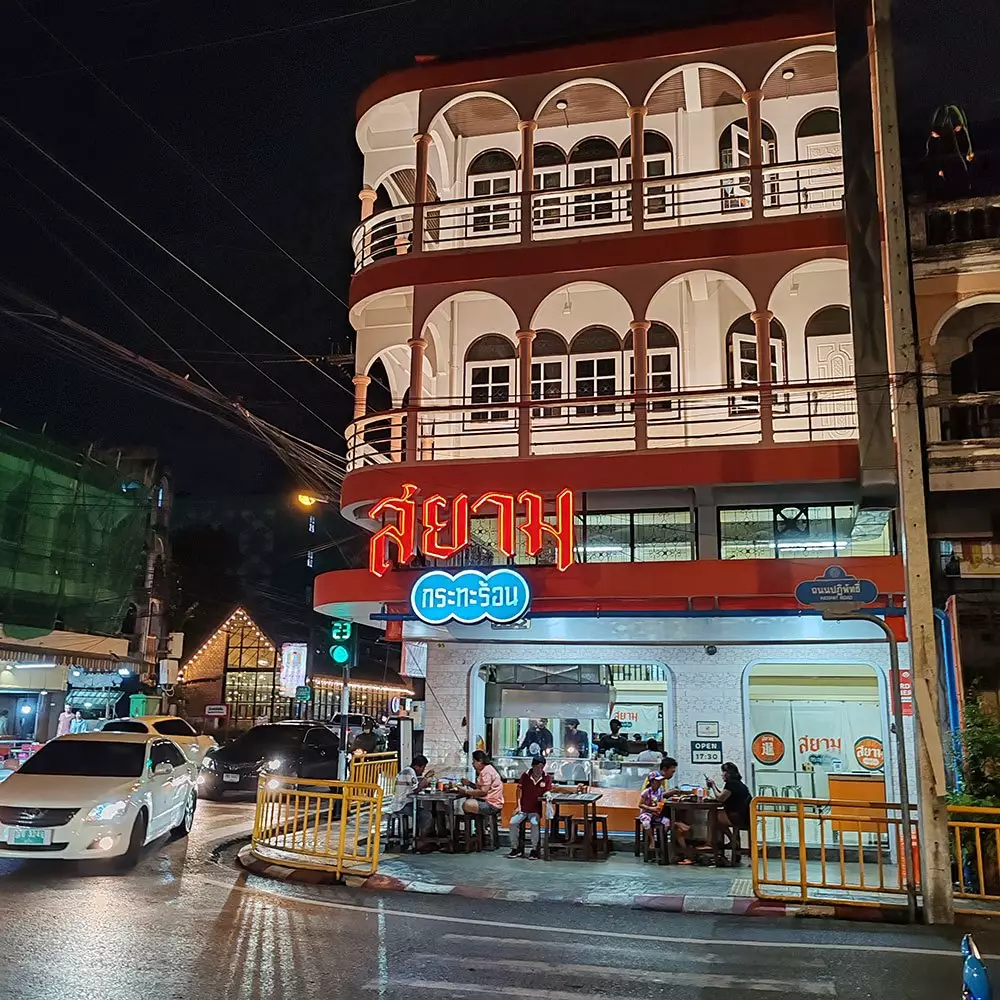
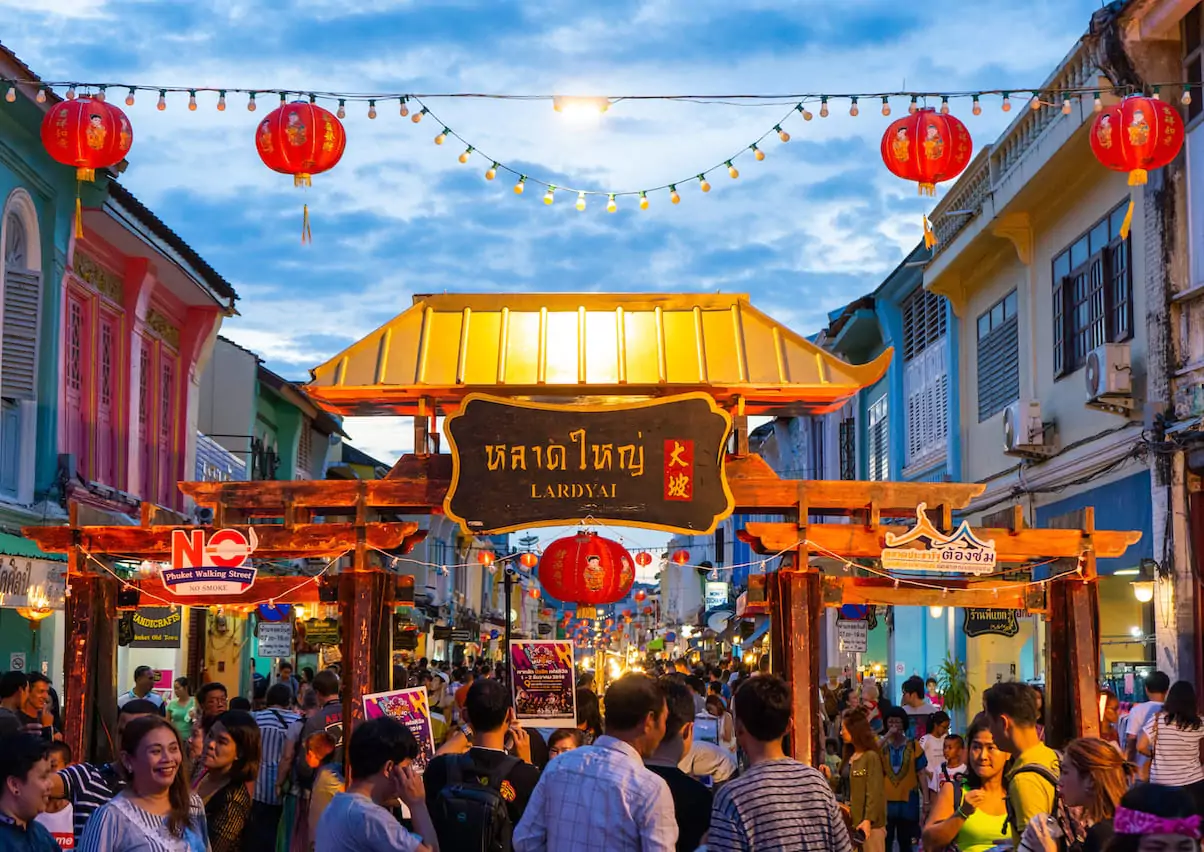
Undoubtedly, the main “open-air gallery” in Phuket is the Old Town. Here, art is literally built into the streets: the facades of shophouses in the Sino-Portuguese style, carved shutters, arches, and decorative tiles. This is not a museum exhibit but a living environment, where the island’s past can be read through its details.
The dominant architectural style of Old Phuket is Sino-Portuguese. It emerged in the 19th and early 20th centuries, when Phuket was a wealthy tin-mining hub and an important port. Chinese merchants, European traders, and missionaries came to the island, and all these influences gradually blended into the city’s appearance.
Read more about this period in our article From Tin Mines to a World-Renowned Resort: The History of Phuket’s Transformation.
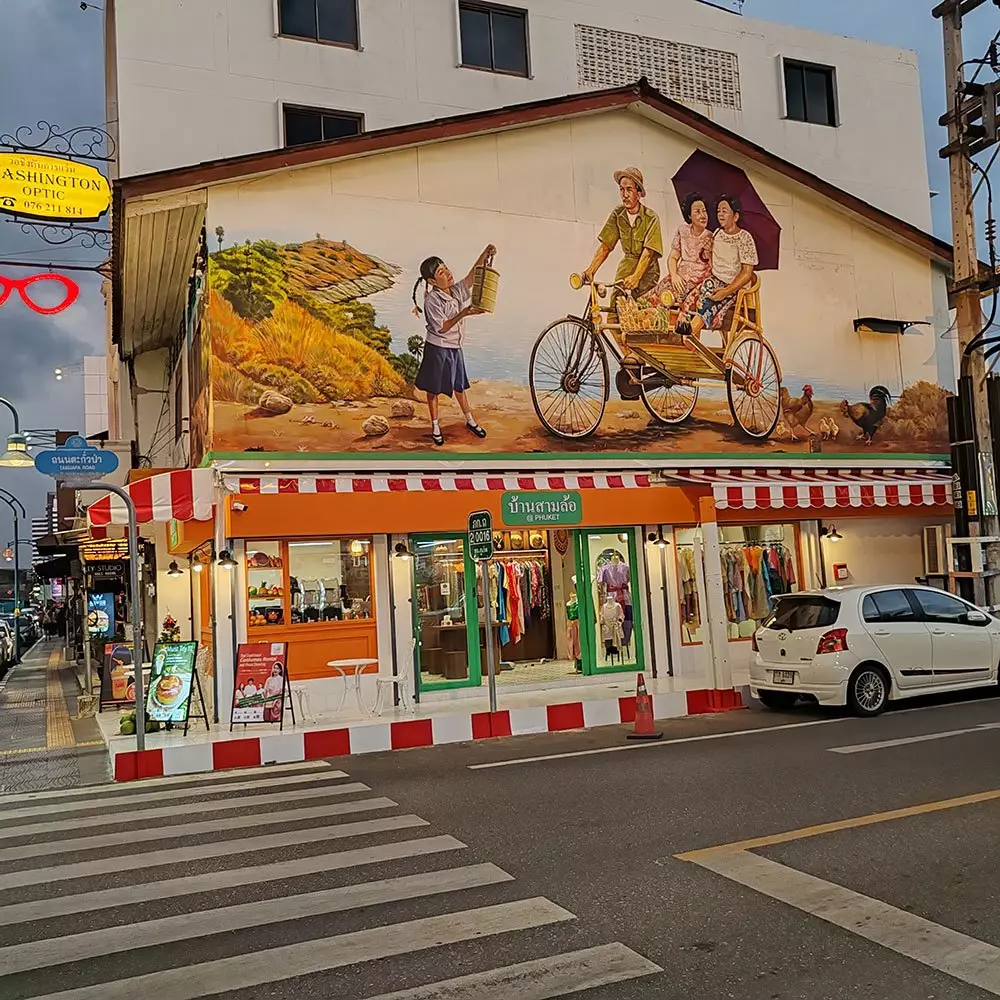
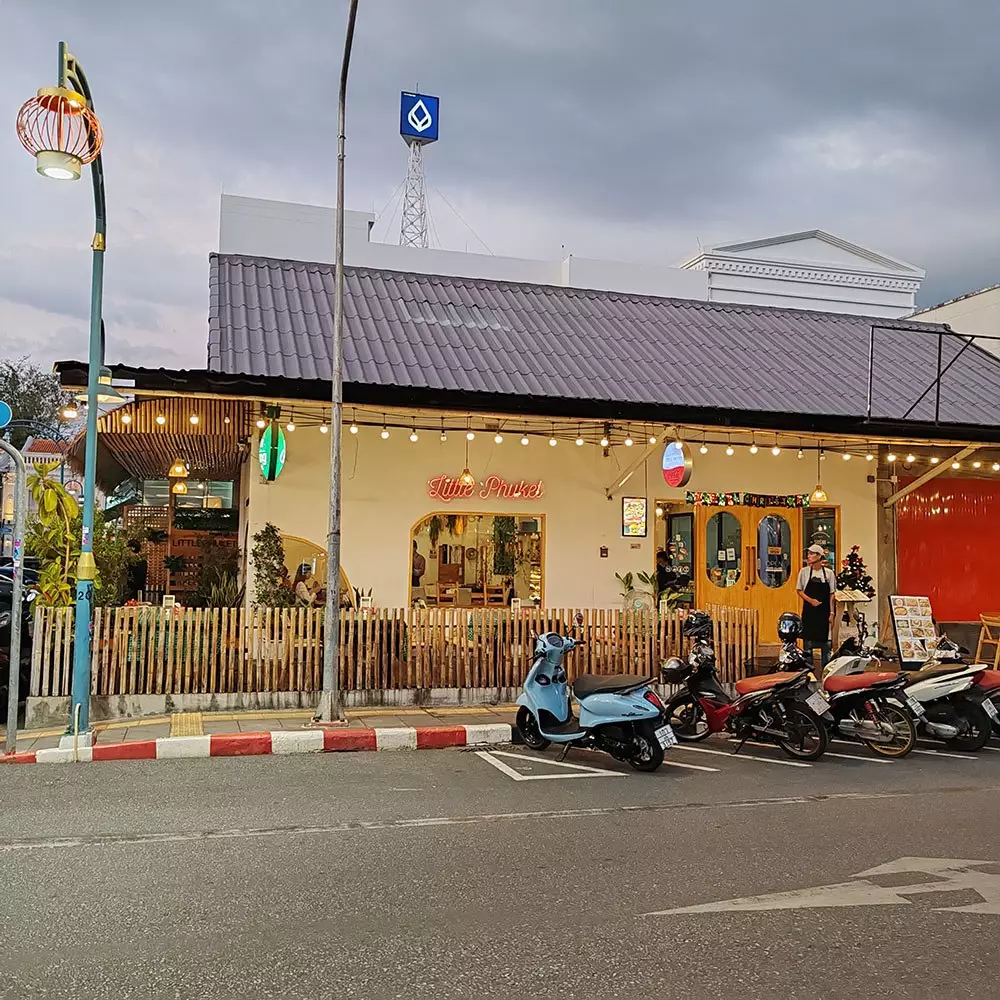
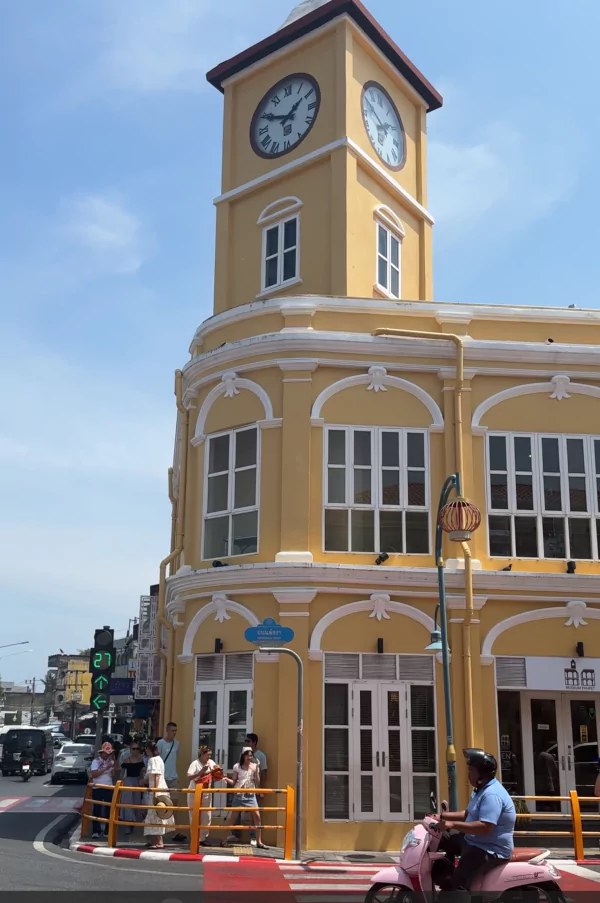
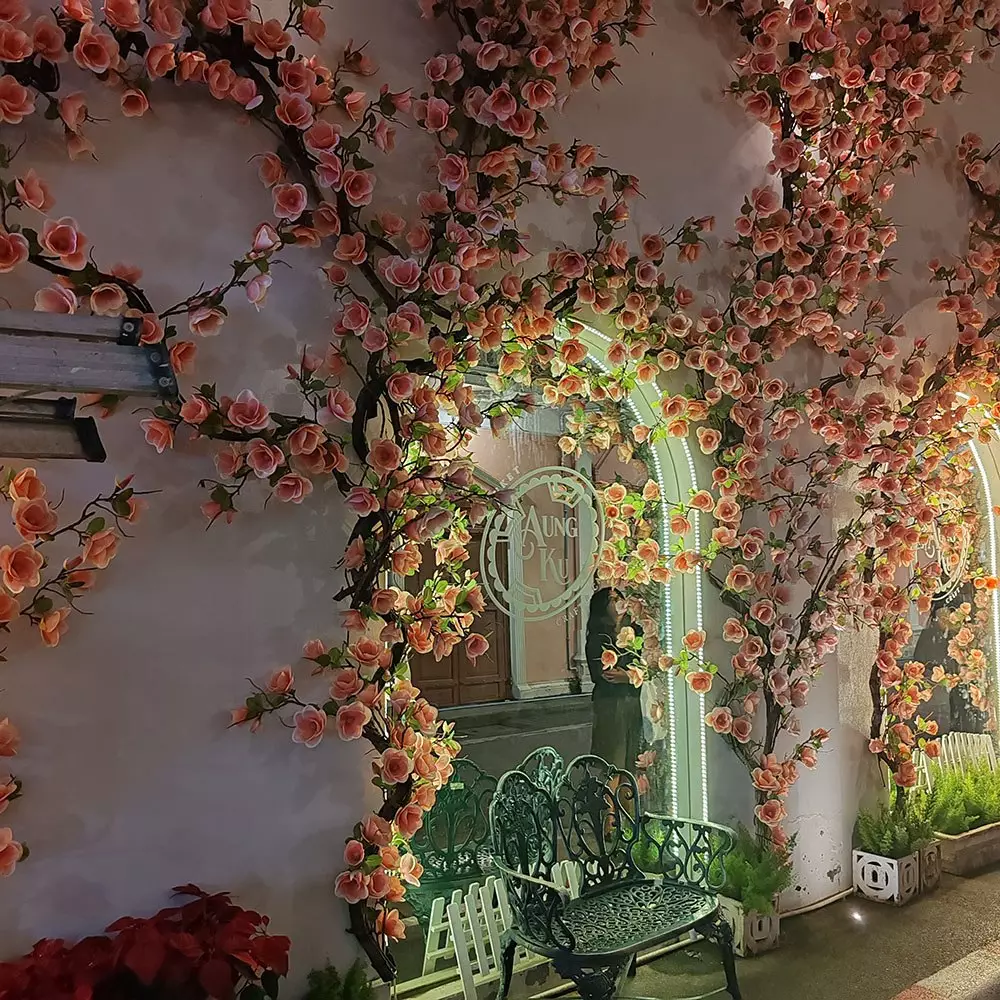
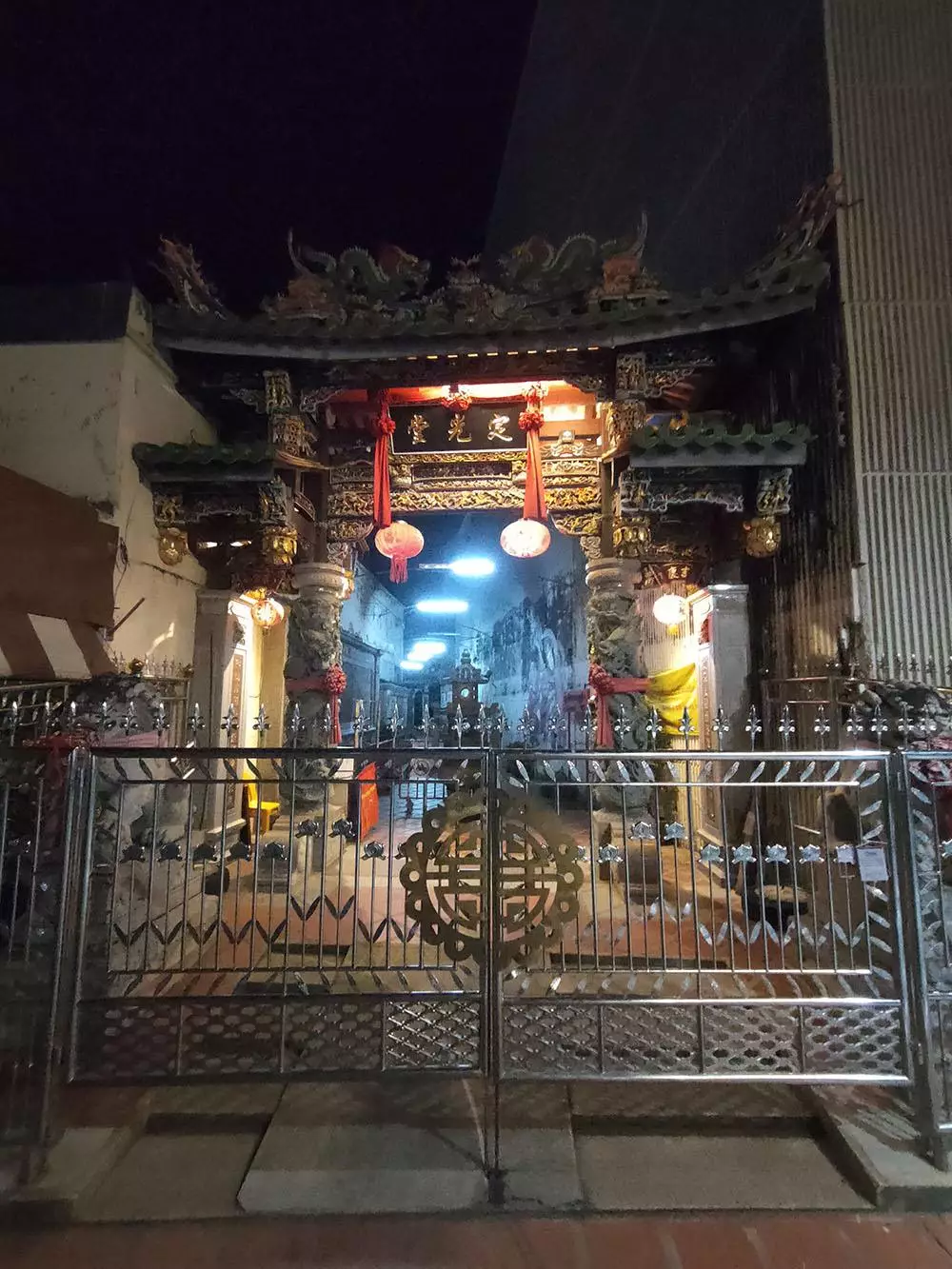
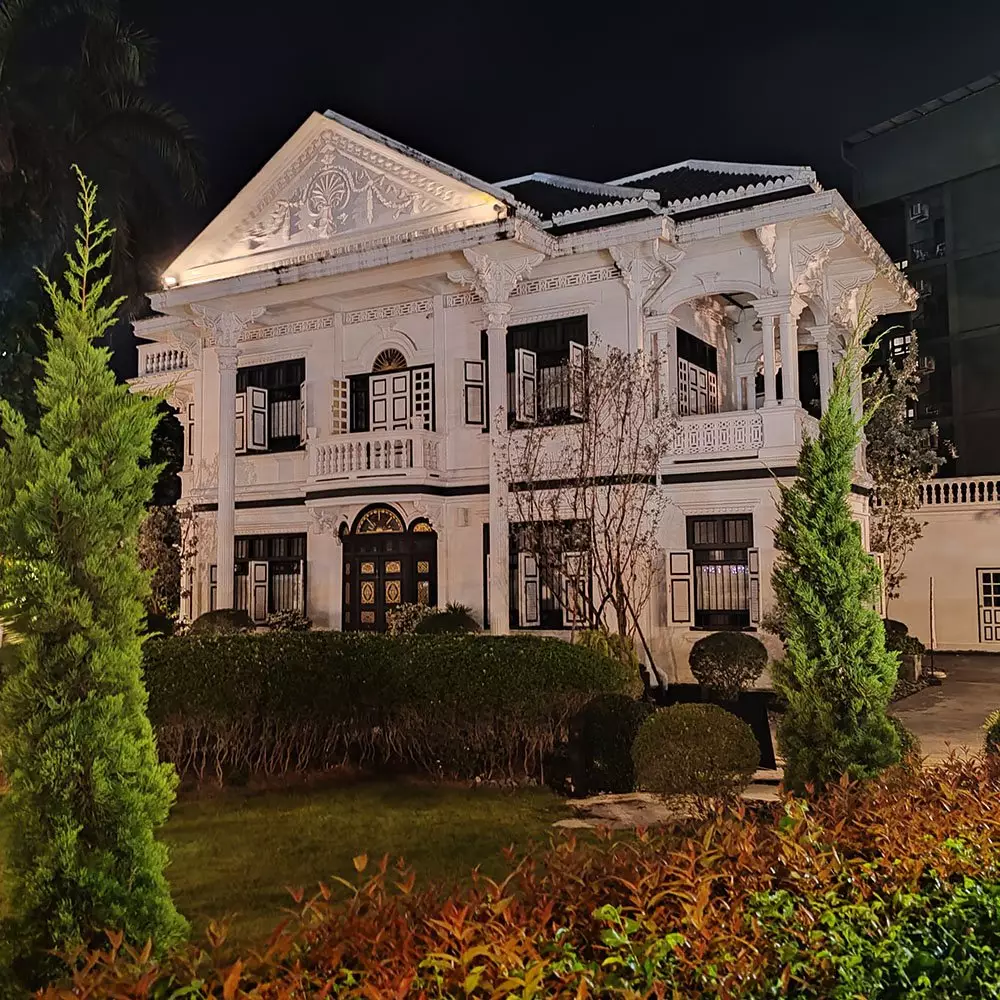
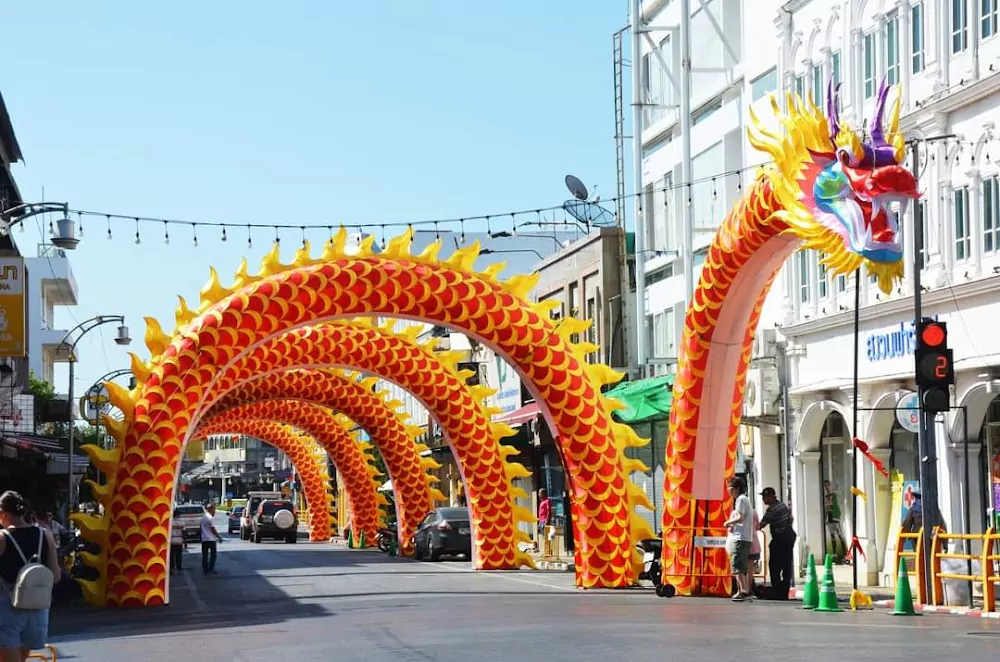
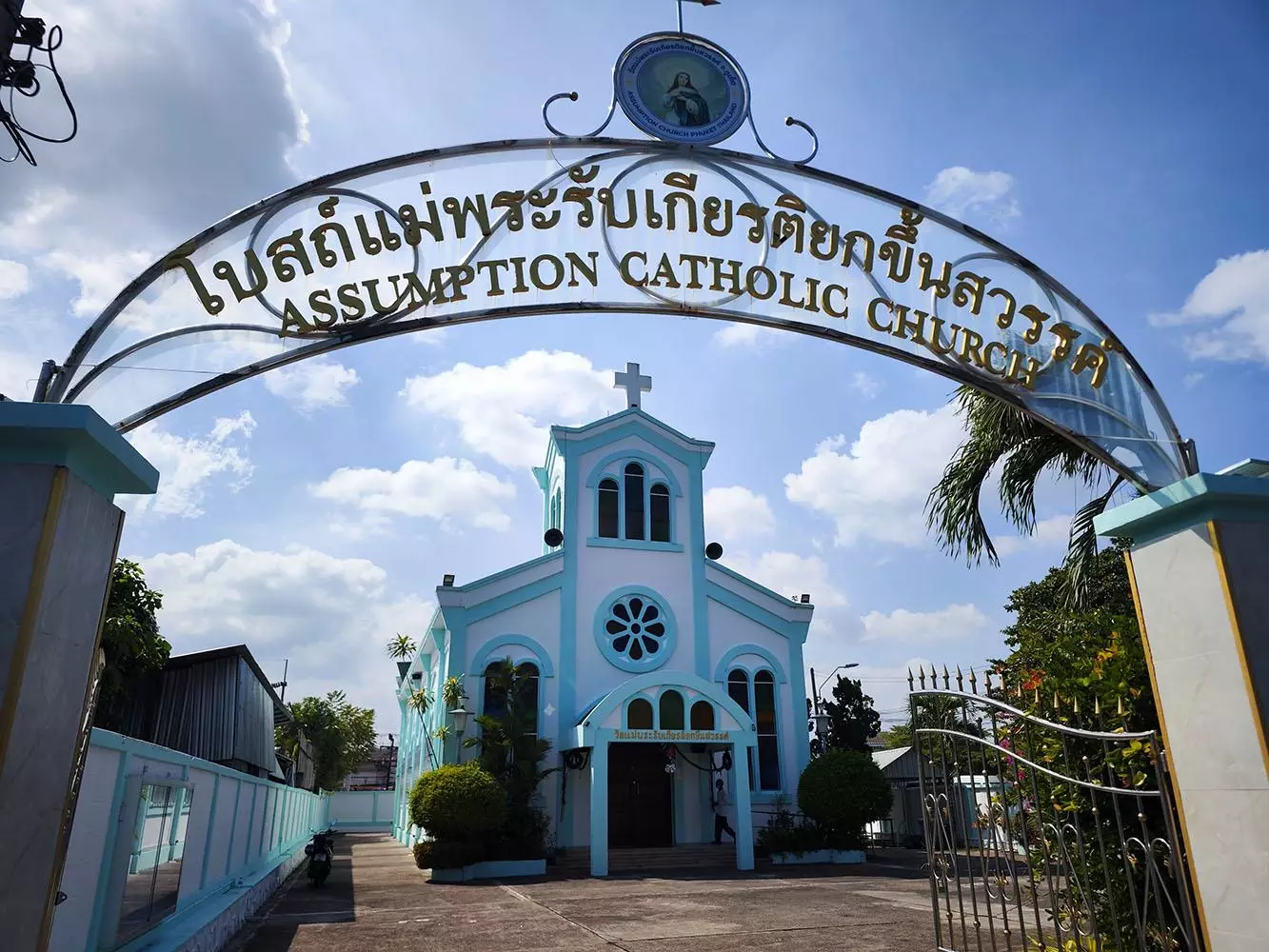
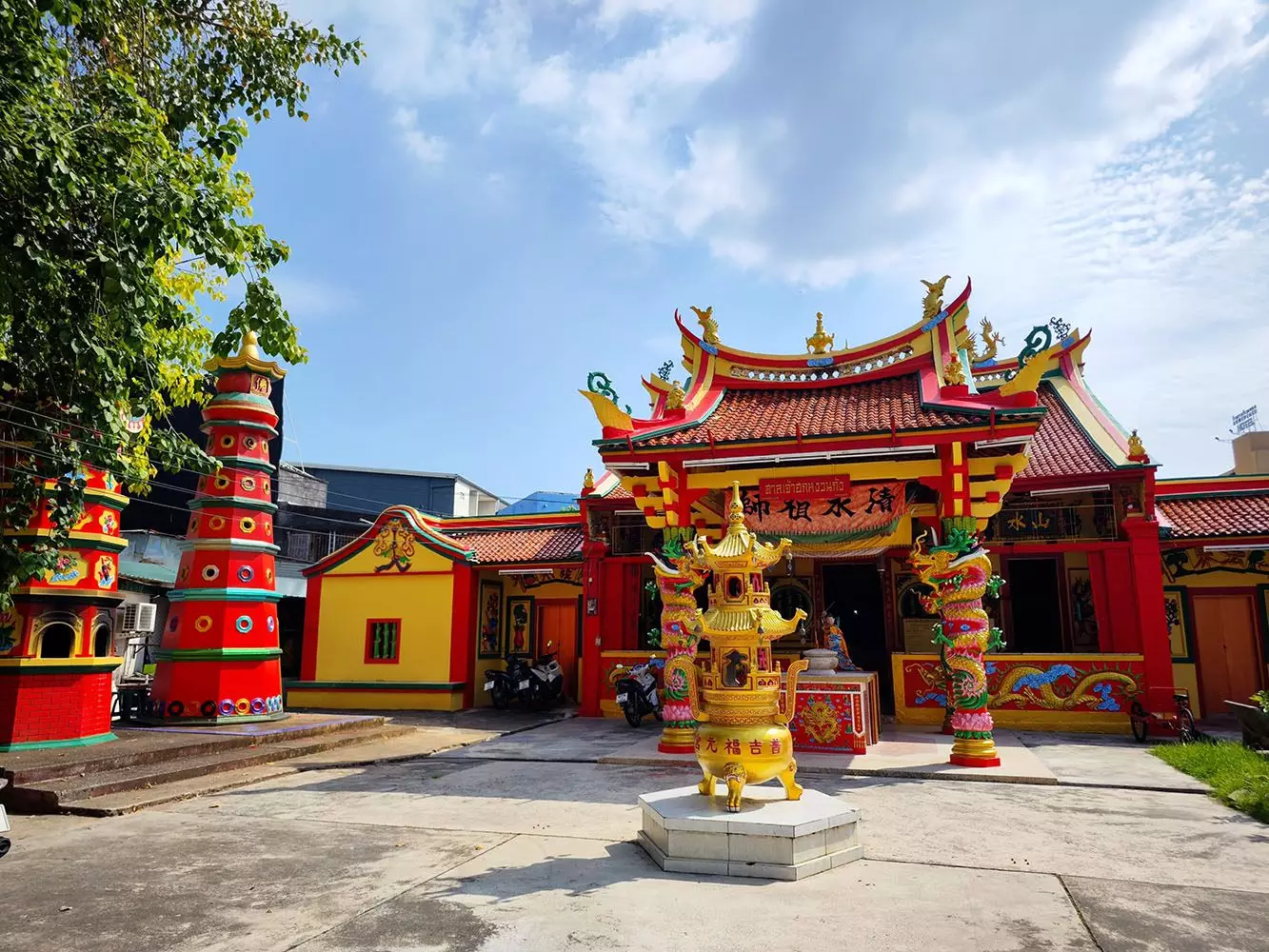
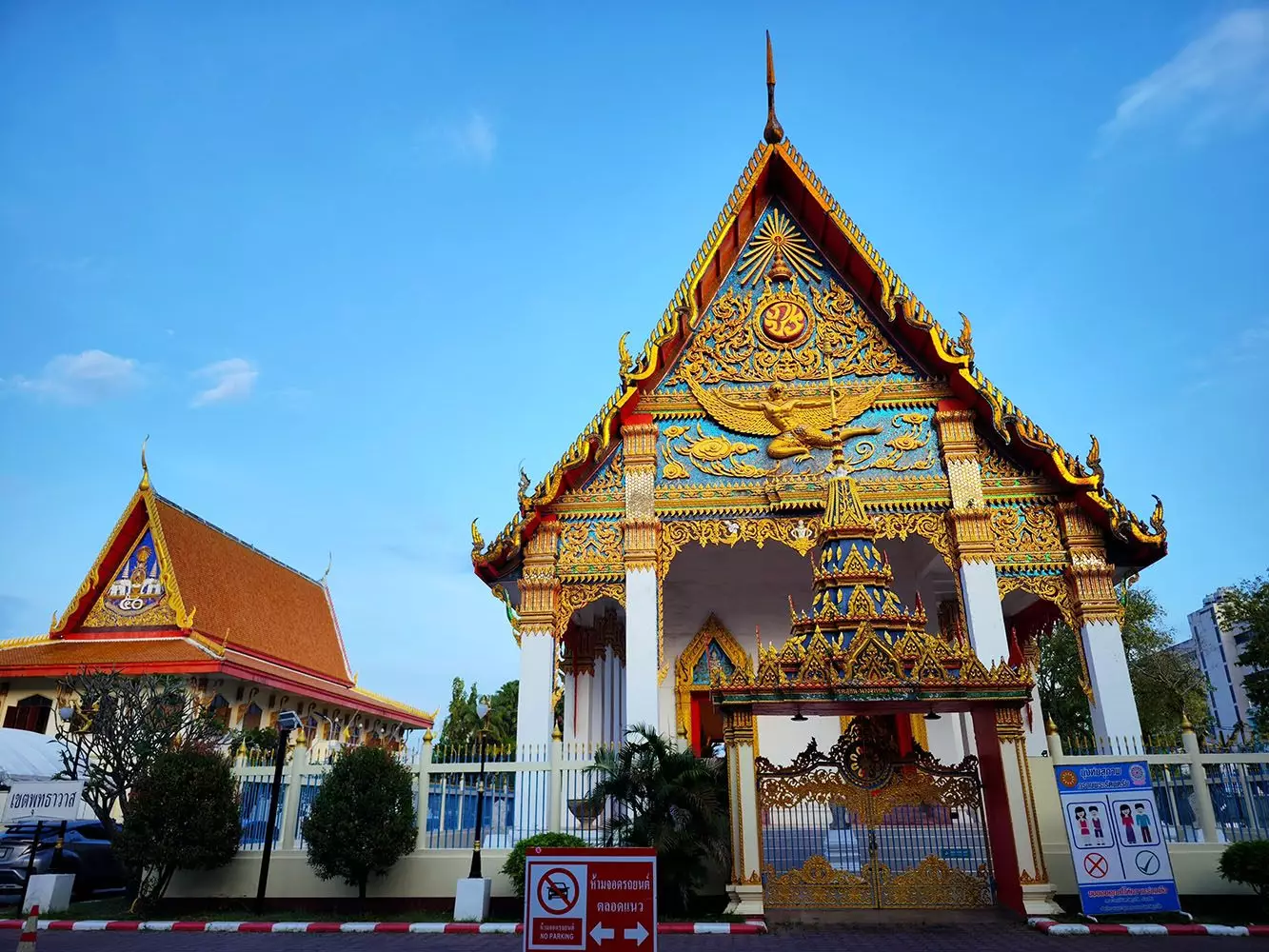
In addition, Phuket is actively developing street art. In the Old Town, you can find dozens of wall murals – ranging from tourist-themed scenes to works connected to local identity. This is part of the city’s culture, which makes the island feel more modern.
Dibuk, Phang Nga, and Thalang – these three parallel streets and the alleys between them – are the main space for street art in the Old Town. Walking here feels like visiting an open-air museum, where paintings don’t hang in halls but live directly on the facades of buildings.
- Thalang Road is the central street of the Old Town. Here you’ll find many small works dedicated to Phuket’s history and everyday life.
- Dibuk Road is a place where it’s hard to pass by the huge mural featuring a pineapple (one of the island’s symbols) and a hornbill.
- Phang Nga Road is the street of large and expressive murals: portraits of local residents, scenes from Phuket’s past, and atmospheric compositions that seem to transport you to the old times of the island.
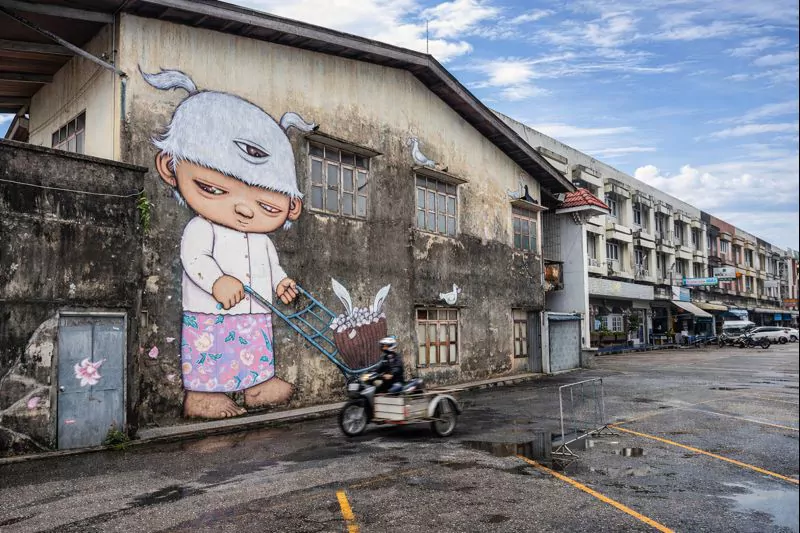
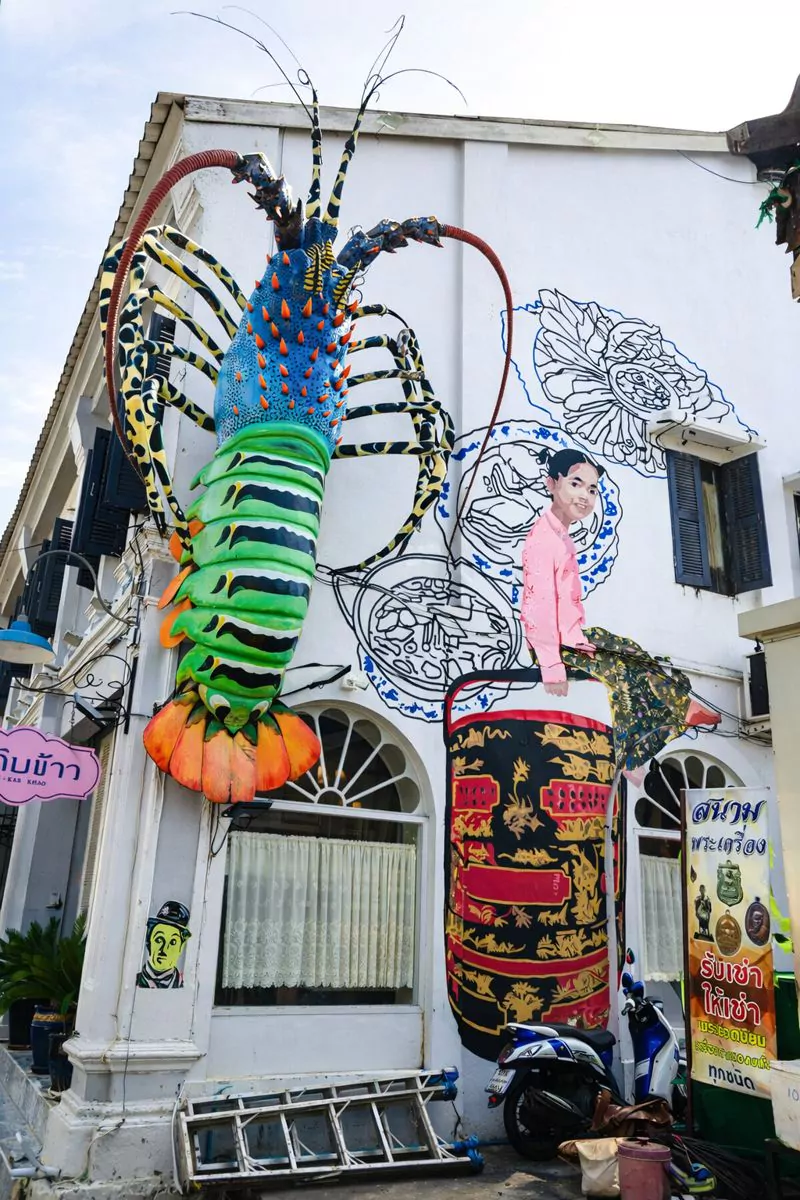
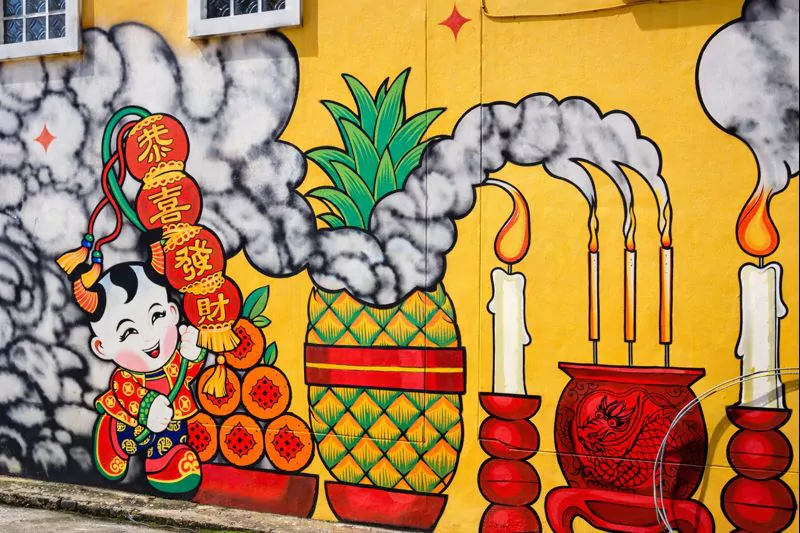
Phuket’s Old Town is the perfect place to capture vibrant shots. Check out our video-photo route highlighting the top locations.
In the Old Town, there are art galleries and small museums that art enthusiasts can visit.
Phuket Art Village
Geo on Google Maps
Working hours: Mon - Sun: 09:00 - 21:00
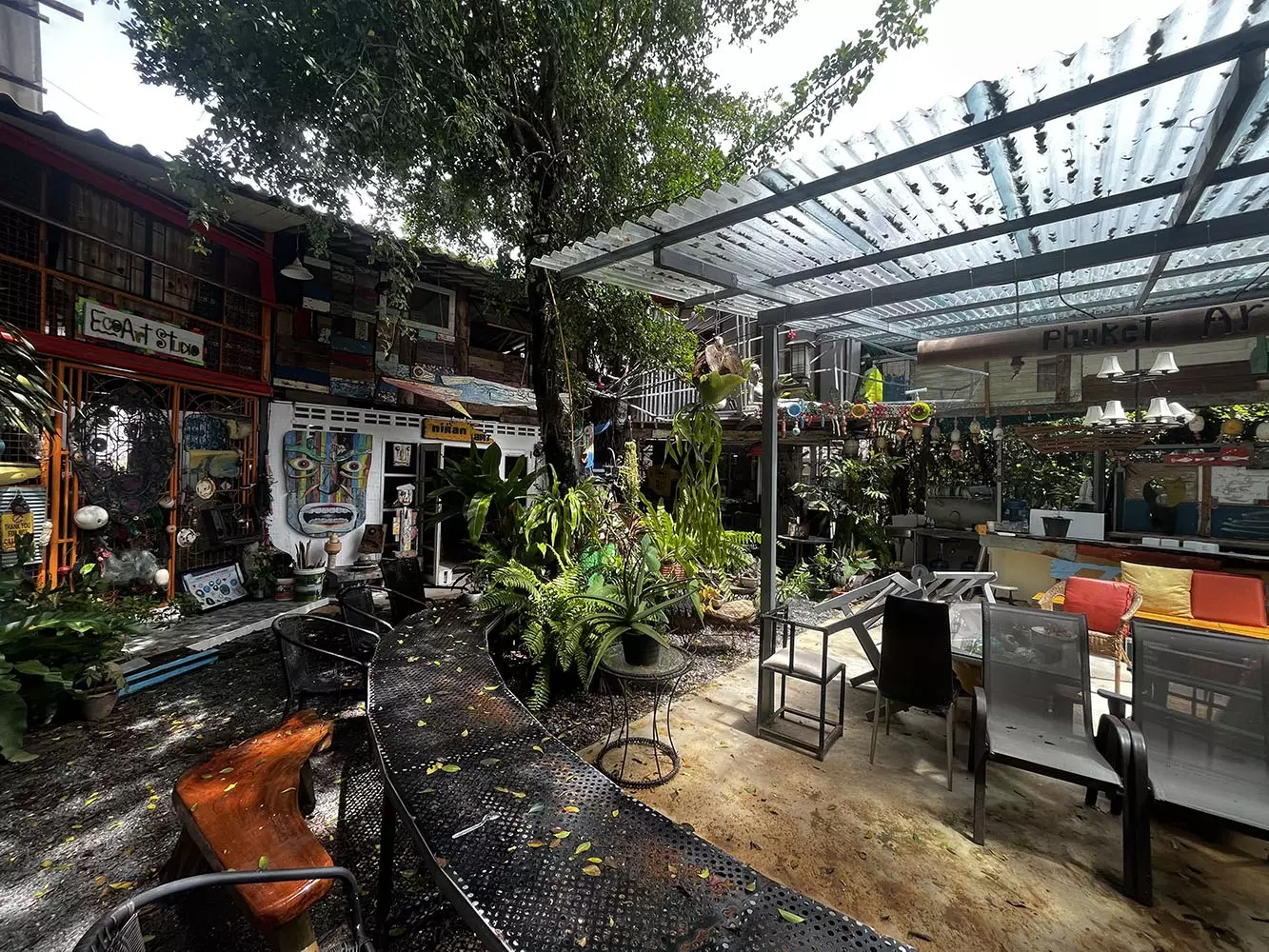
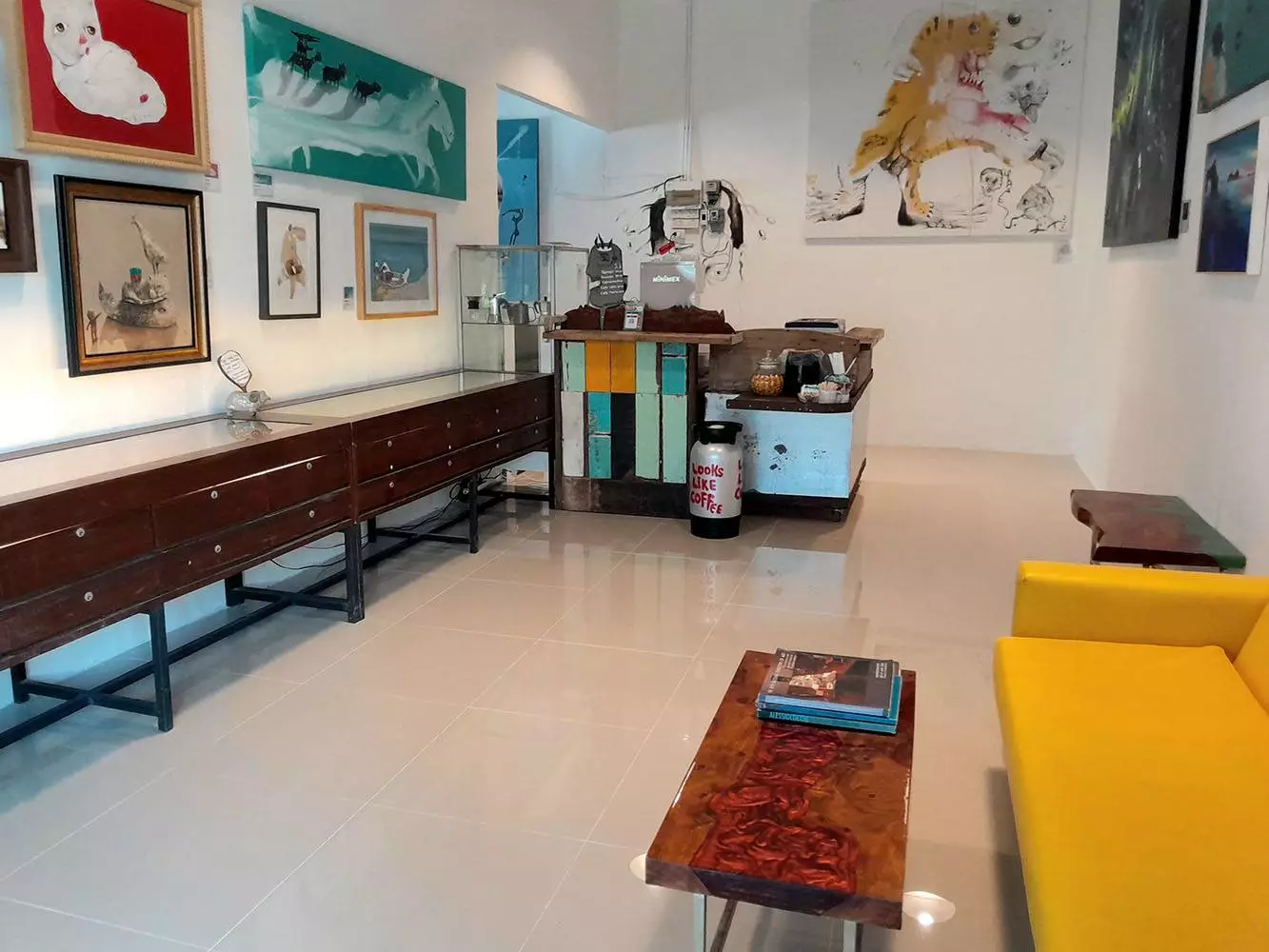
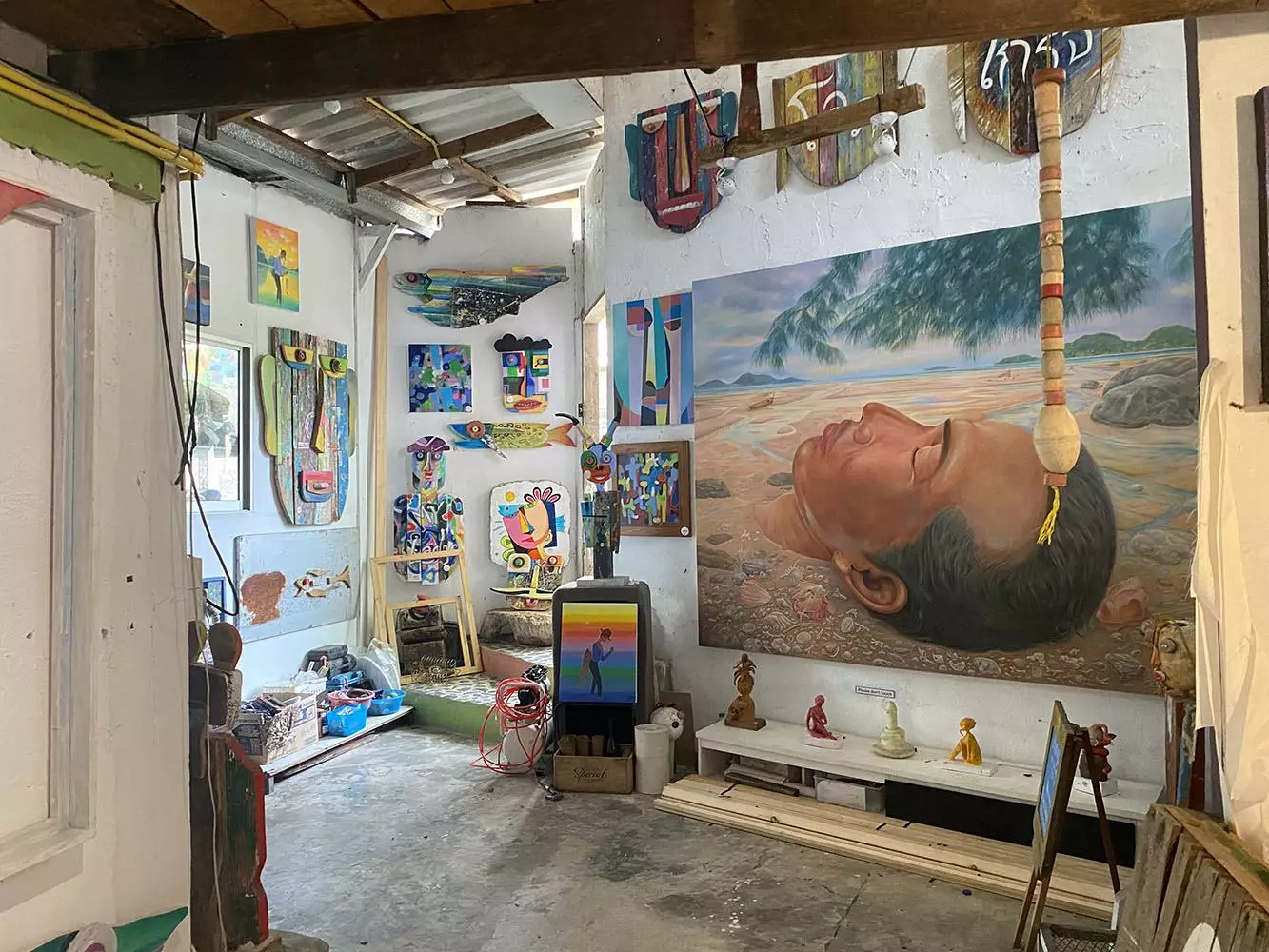
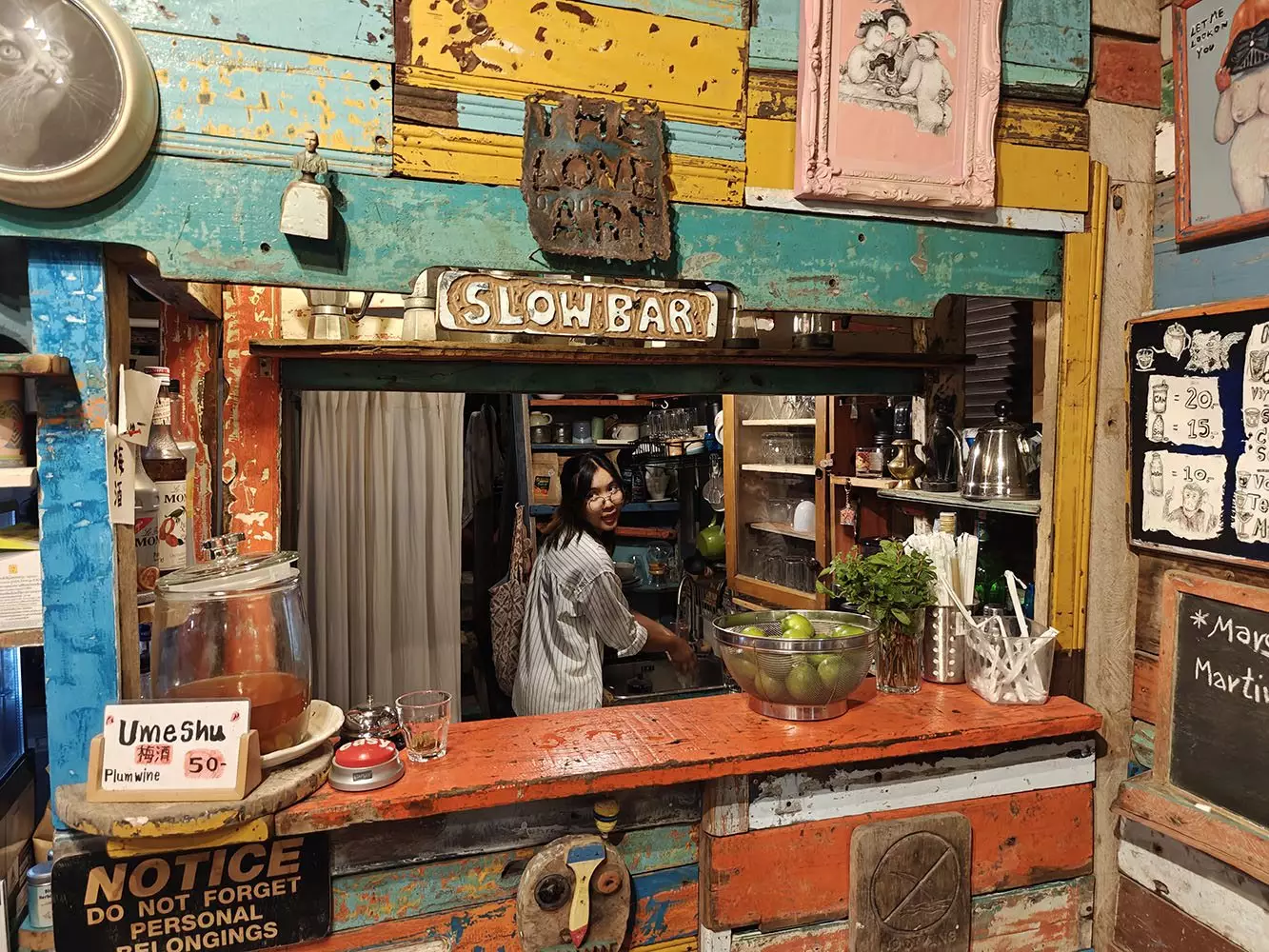
The Artists’ Village is a place where art can be felt literally in every inch. A group of talented creators settled here back in 2010 to work and share their projects.
The complex consists of several houses on a shared property, which house galleries and studios. For visitors, there is a burger joint and a bar with live music on Fridays. Here, artists live, create, sing, and share their atmosphere with guests.
Anyone is welcome to visit the Artists’ Village: you can take a leisurely walk around the property, step into the studios, and see the works right where they are made. Guests are often greeted by Somrak Manimai, known to everyone by the nickname Yen. He creates unusual paintings with vivid combinations of shapes and colors, and he also decorates stones so skillfully that they become full-fledged art objects.
Other artists are no less interesting — take a stroll through the village and pick your favorite. We also have a video about this art space in Phuket.
Art Jupoo&Mai
Geo on Google Maps
Working hours: Mon - Sat: 10:00 - 21:00
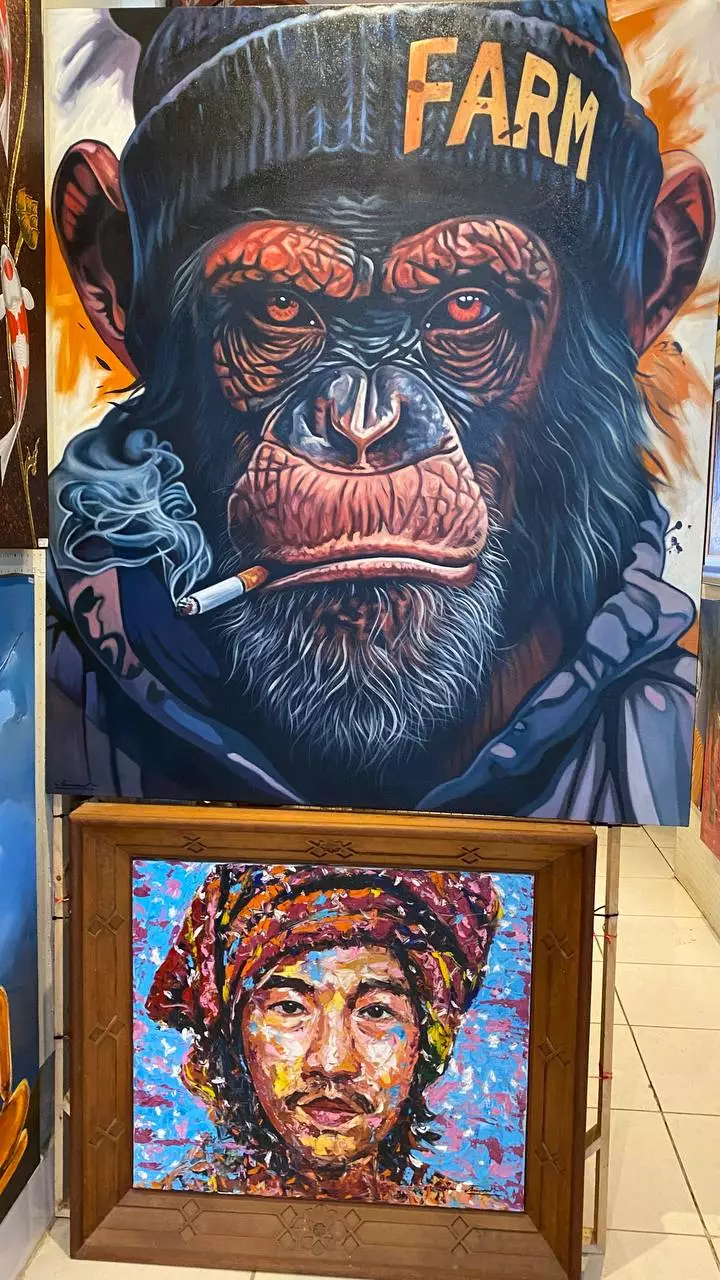
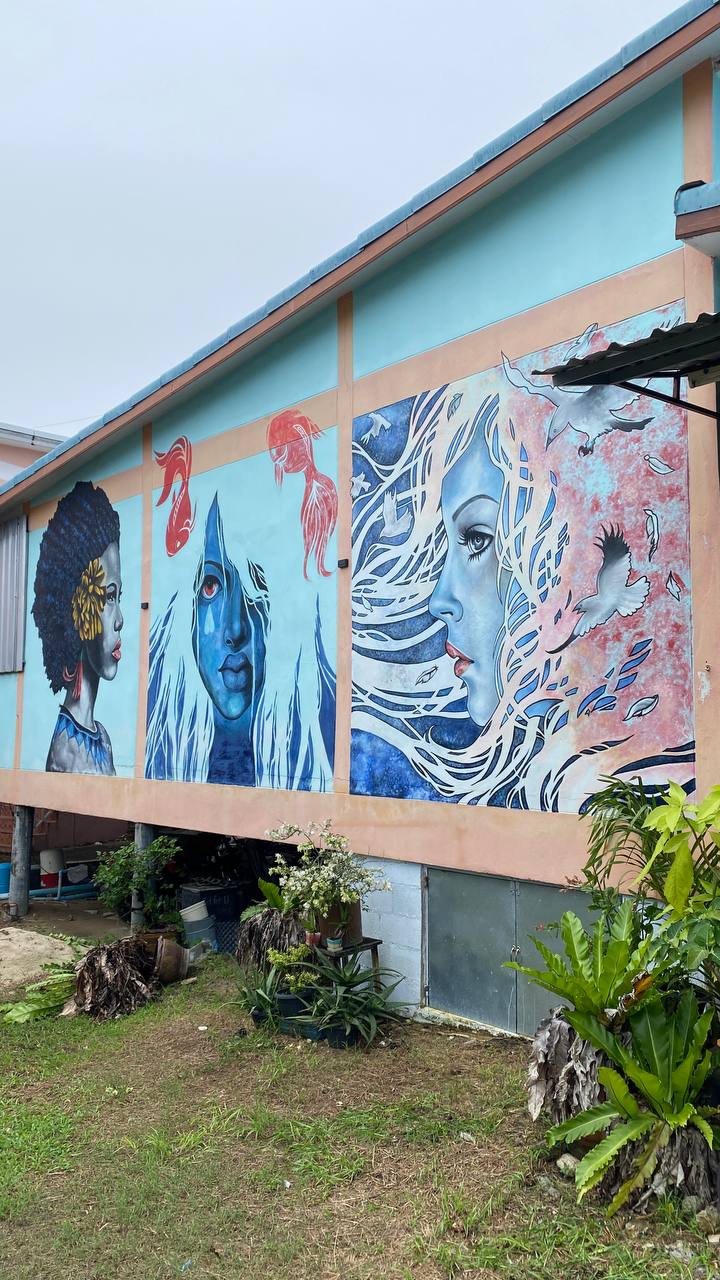
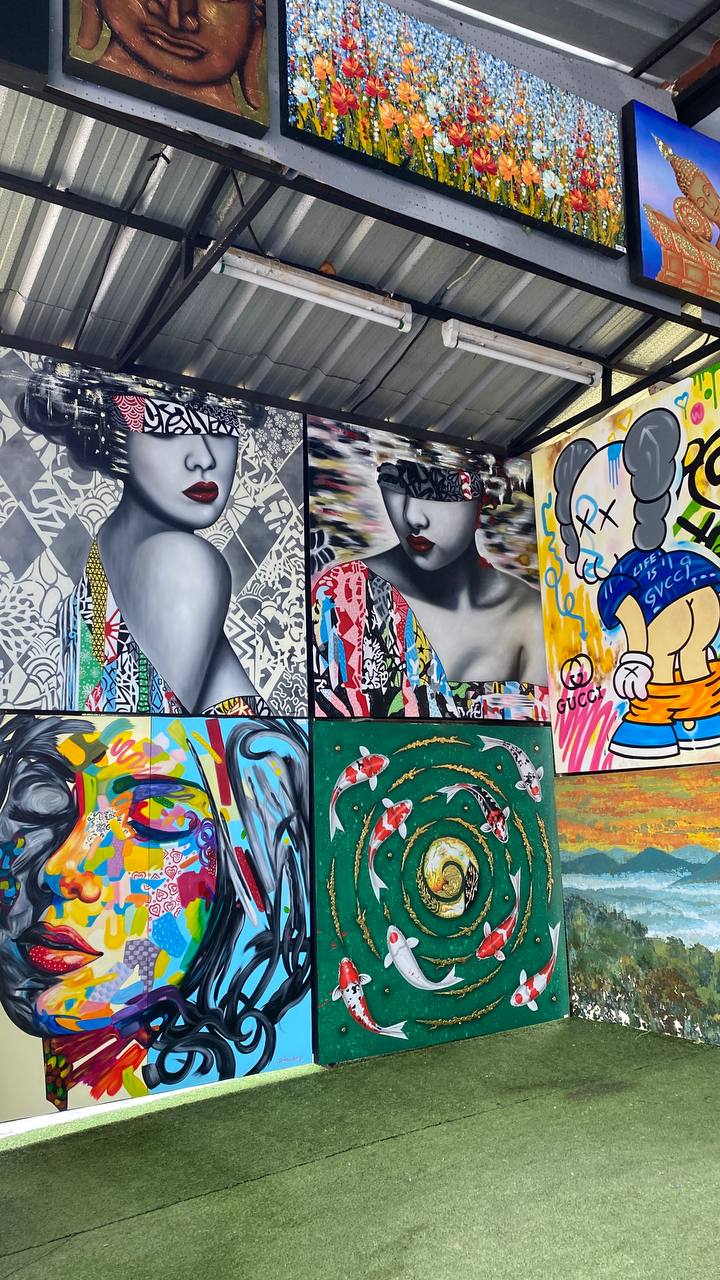
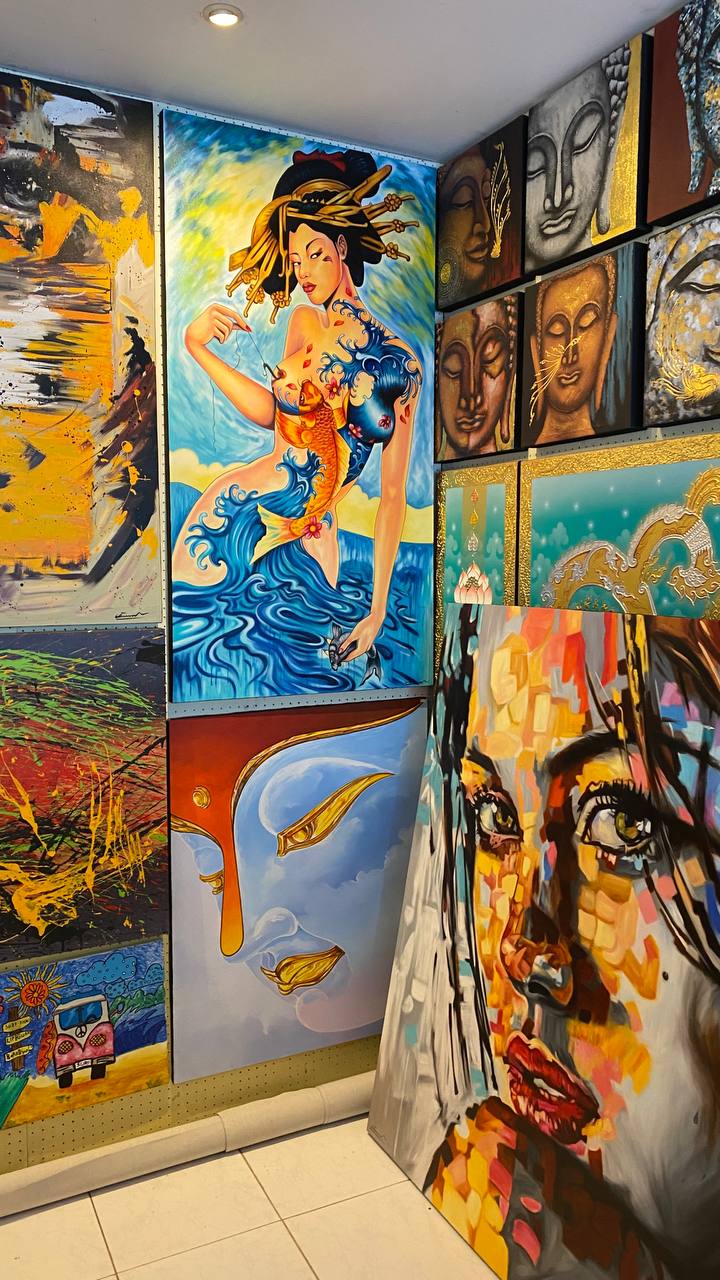
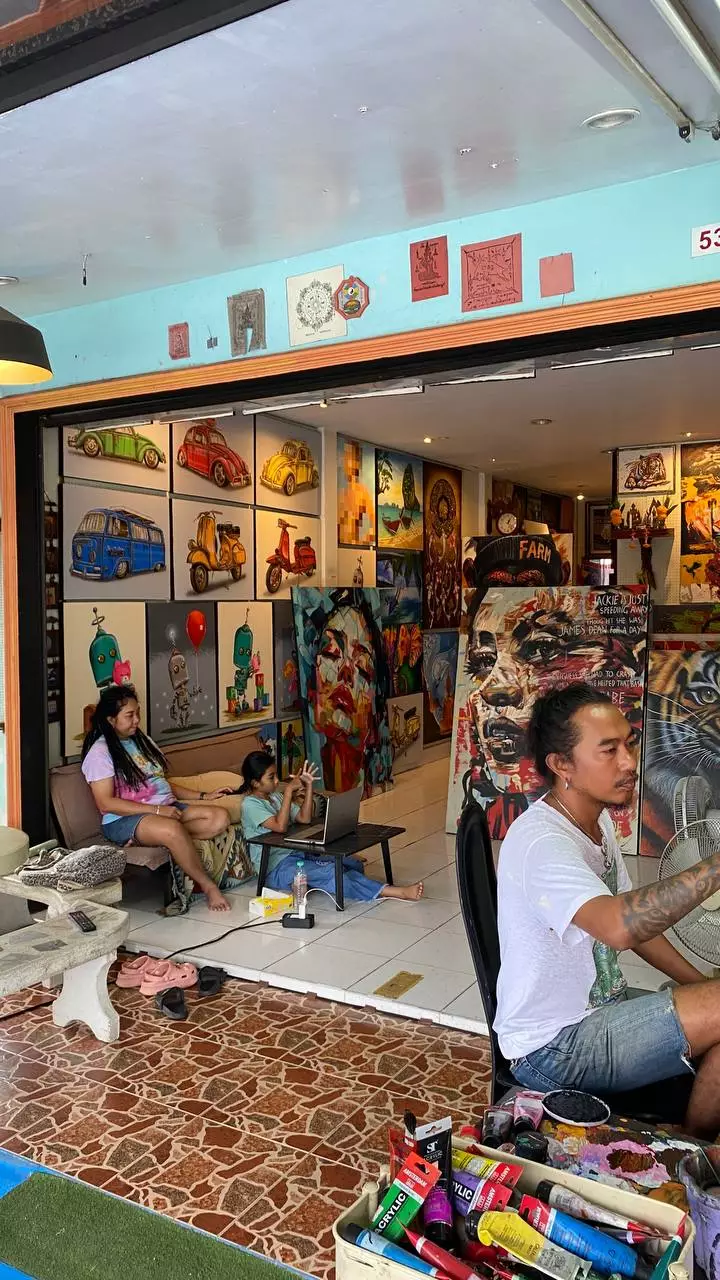
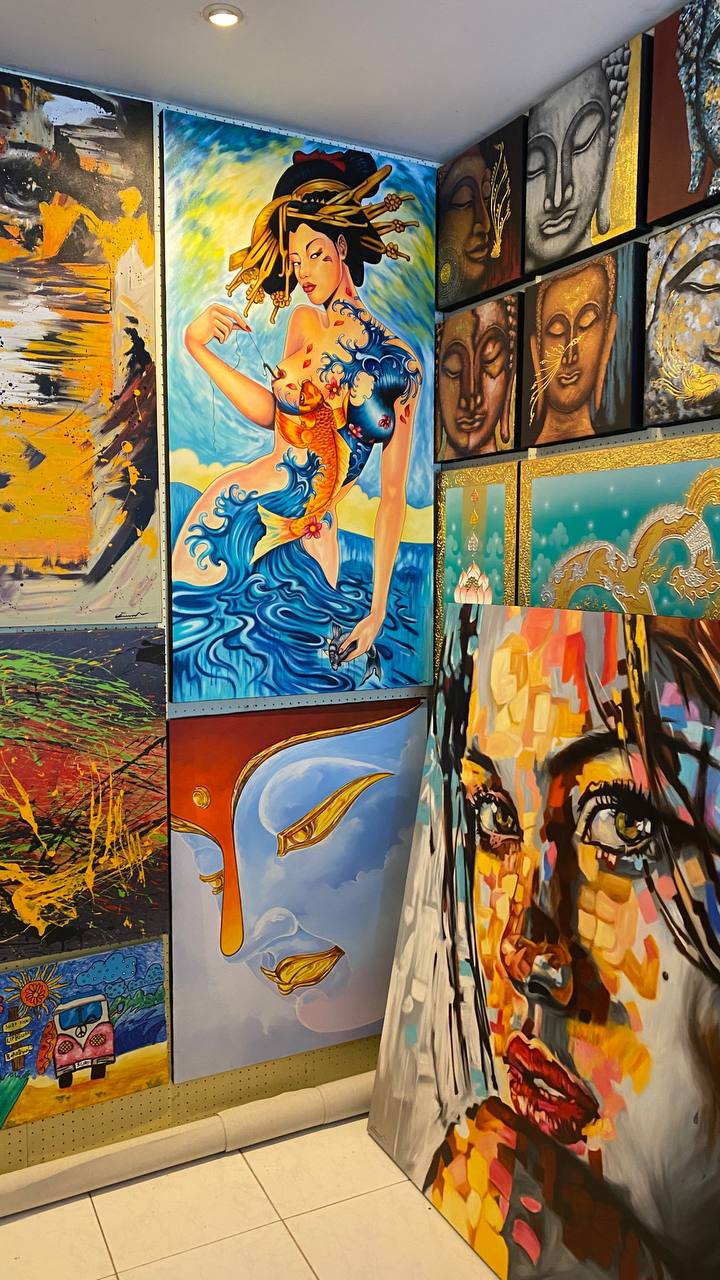
A small, bright gallery. Here, you can immerse yourself in the world of art and beauty. The exhibition features works by Thai artists in various styles. The paintings transport viewers to new worlds and help reveal unexpected facets of creativity. You can also purchase a finished piece or commission a custom work based on a photograph.
Mr.Zen Art Studio
Geo on Google Maps
Working hours: Mon - Sun: 09:30 - 20:30
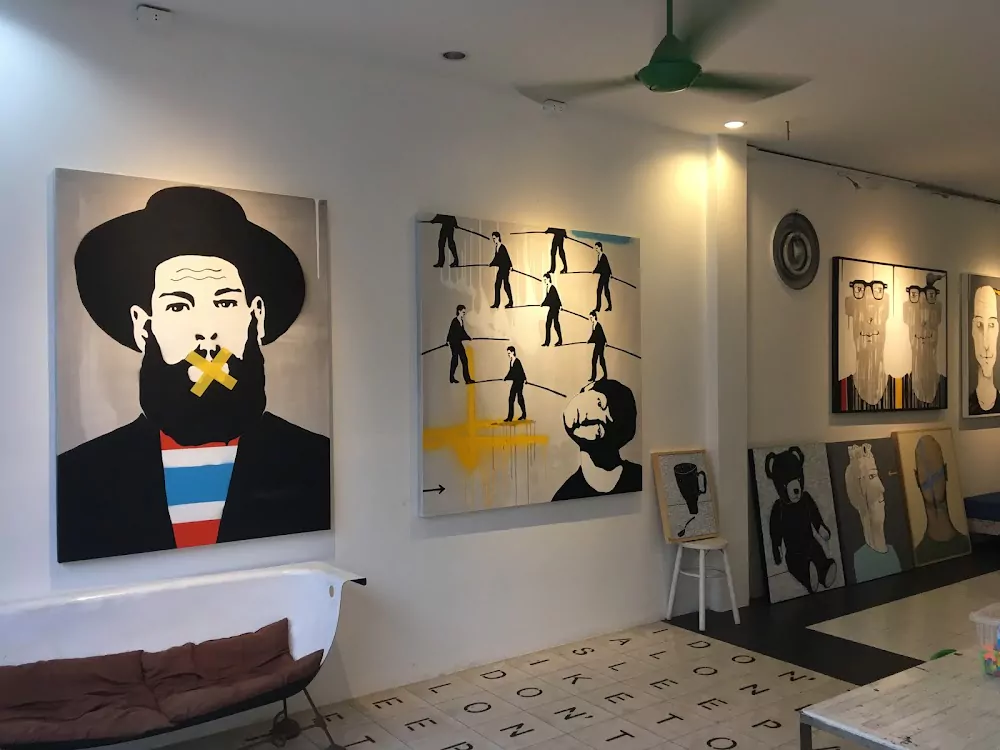
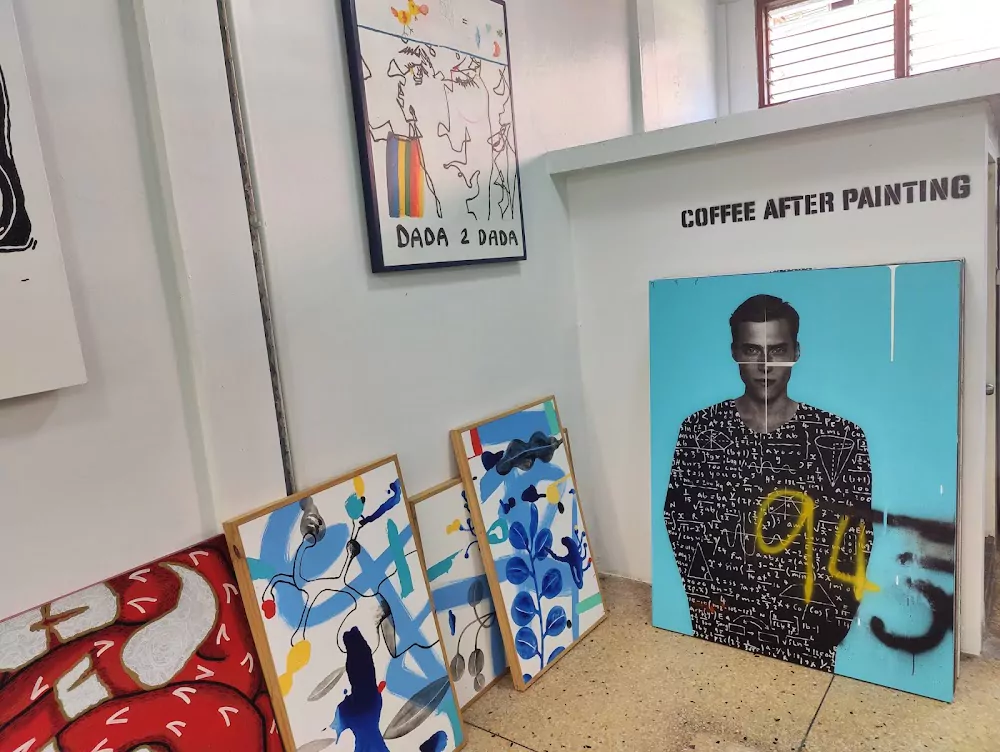
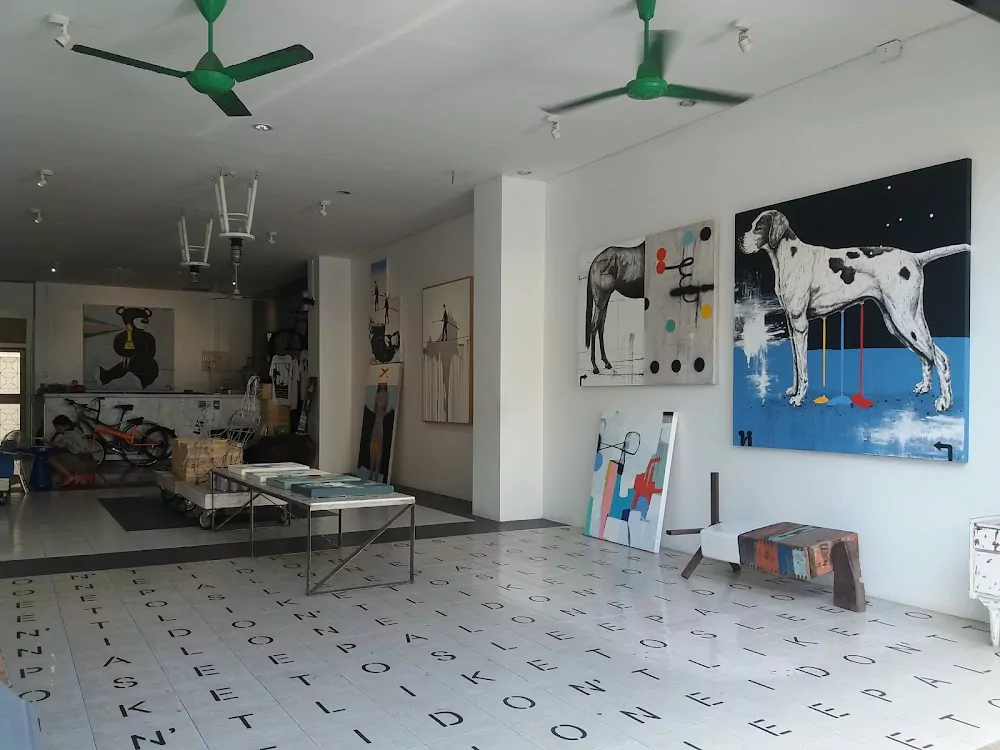
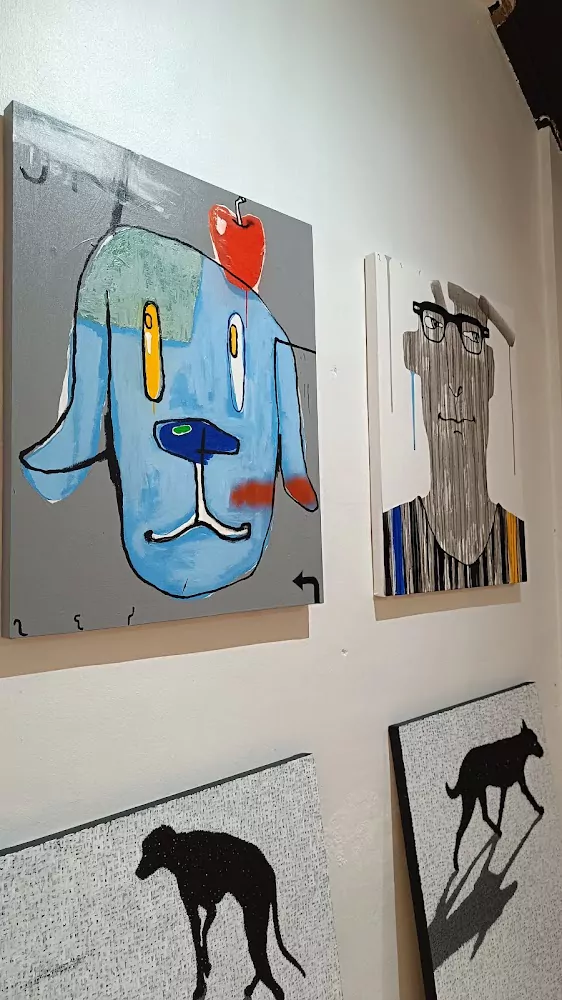
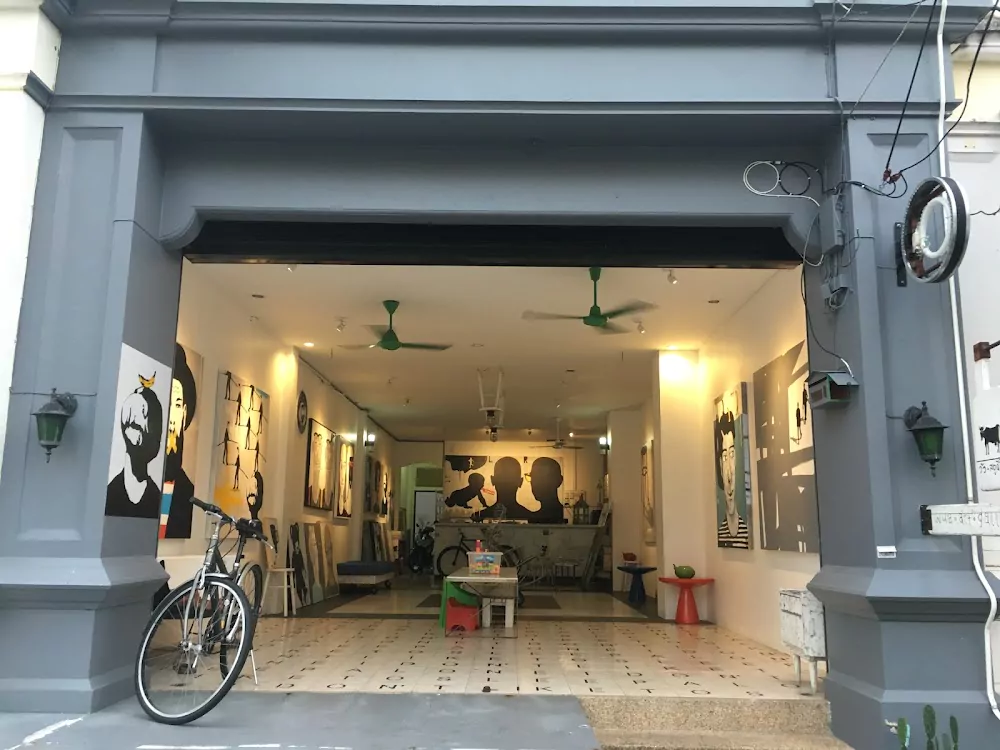
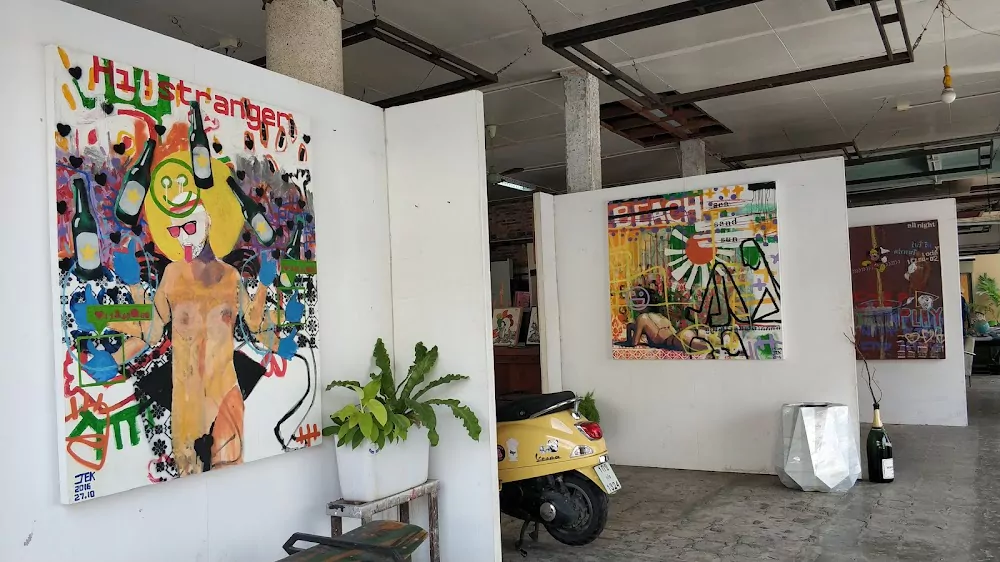
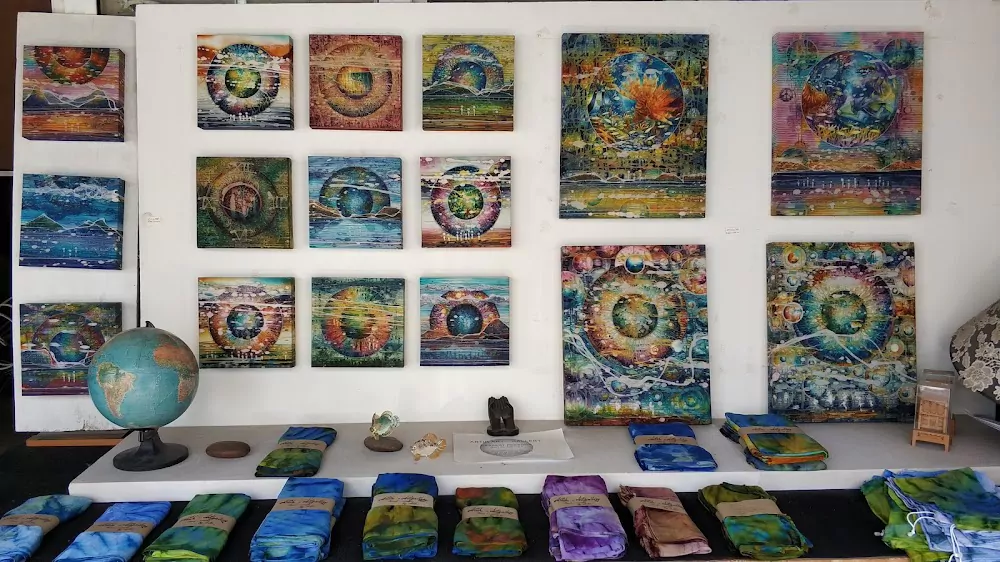
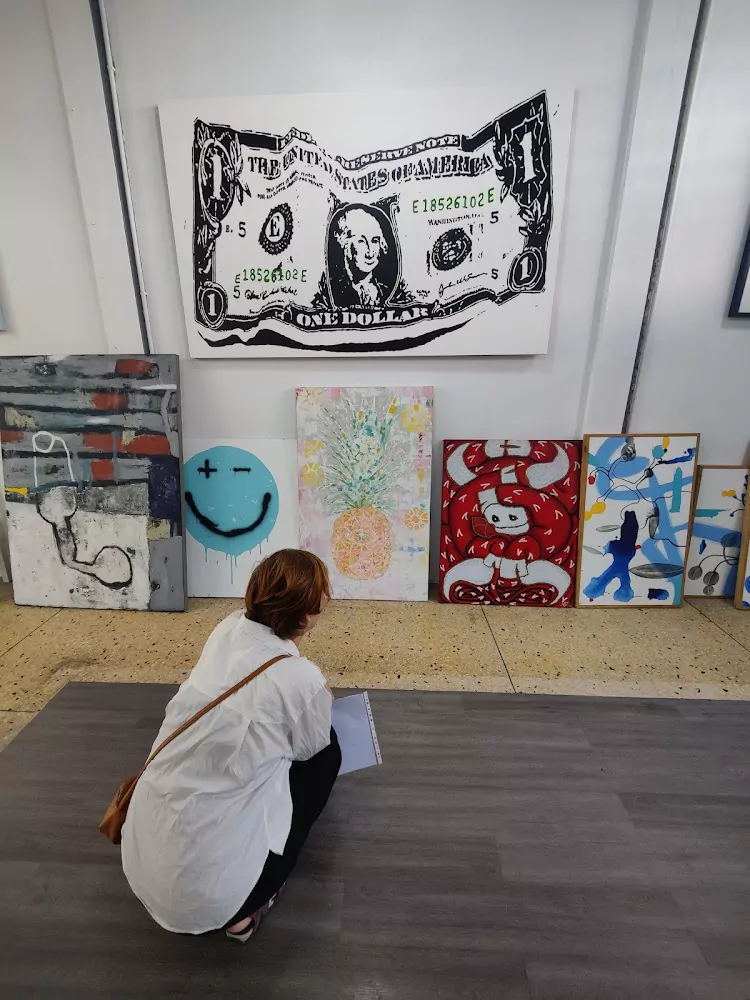
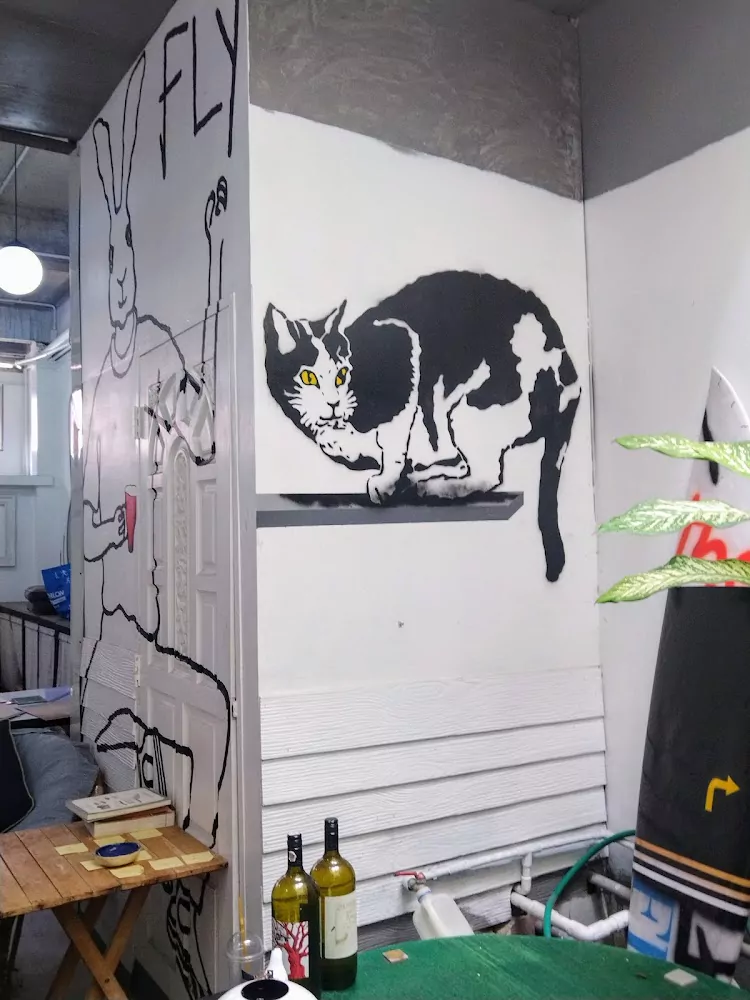
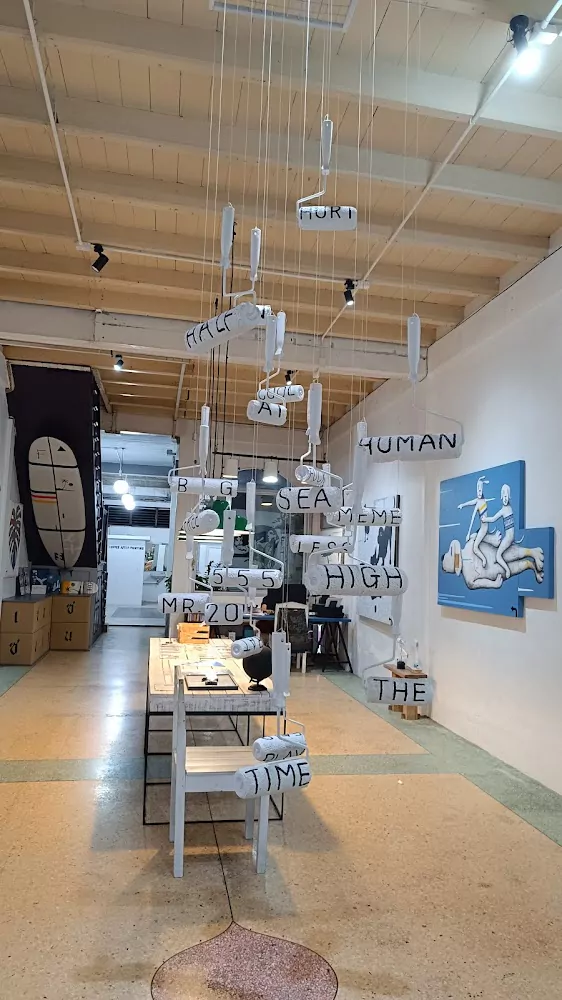
A gallery in the very heart of Phuket Town’s art cluster. The Thai artist chose this location for the atmosphere of its historic streets and the opportunity to observe everyday city life, drawing inspiration from ordinary human interactions and social situations. At Mr.Zen, you’ll find not only traditional painting but also murals, street installations, and creative projects.
What you can see and experience:
- Large canvases, sculptures, and unique exhibitions available for purchase;
- Exhibitions, art events, and creative evenings, often free and fully immersive in local art;
- The chance to observe the artist at work, experimenting and constantly exploring new forms of expression.
Mr.Zen is fully devoted to his craft — sometimes personally delivering paintings to their new owners. The gallery offers a unique perspective on Phuket and Thai culture, turning each visit into a genuine art experience.
Buddhist Art
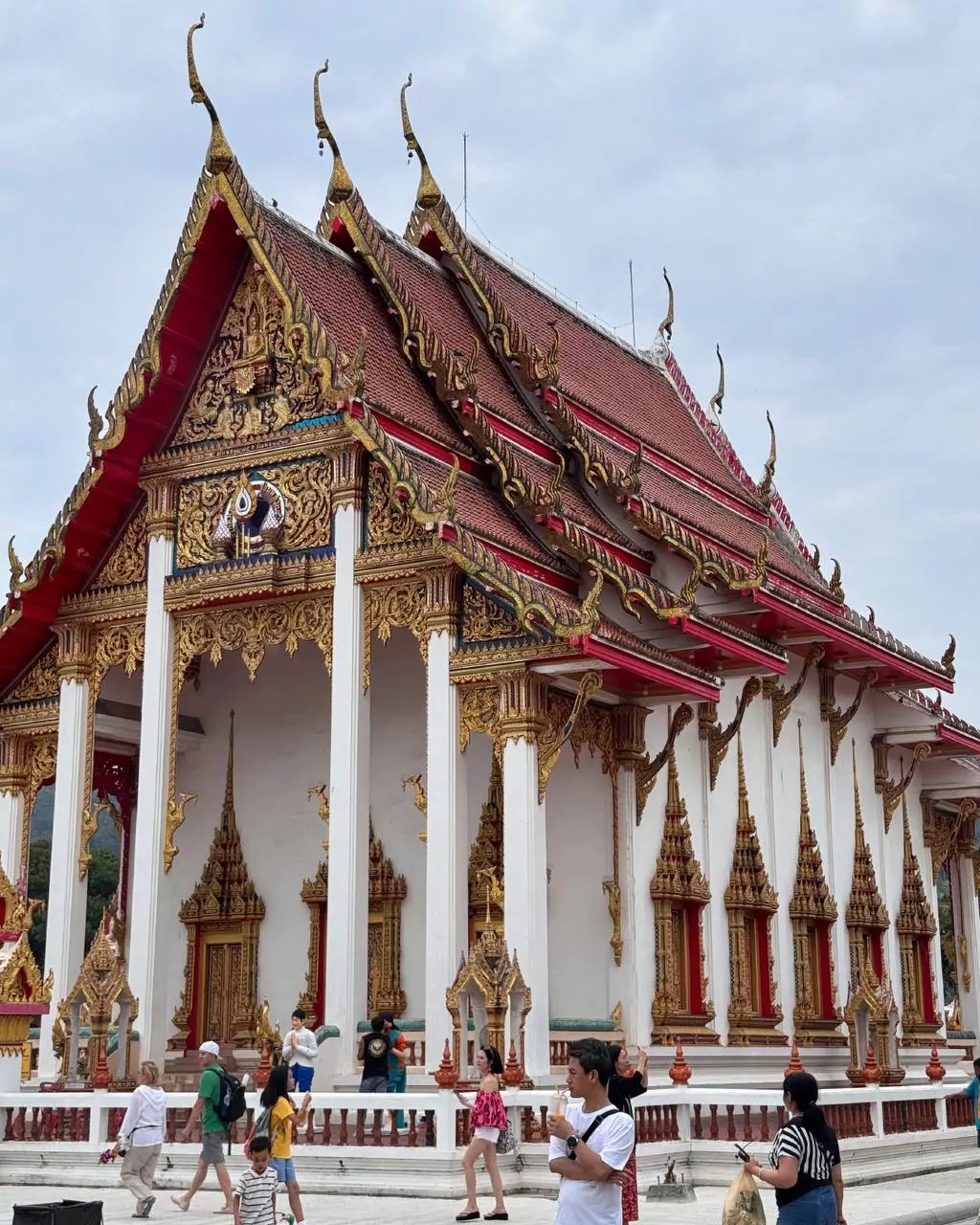
A distinct and powerful aspect of Phuket is its religious art. The island’s temples, such as Wat Chalong, are not only places of worship but also complex works of art: frescoes, gilding, carvings, sculptures, and symbolism. For visitors, they provide one of the most accessible ways to experience traditional Thai art.
Other temples in Phuket, which are also important sites of Buddhist art, can be found in the Temples collection.
Art Routes in Phuket
To enjoy art to the fullest, you can plan several routes:
Historic Center of Phuket Town (Old Phuket)
- Walk through the old streets with Chinese-Portuguese architecture
- Murals and street installations
- Visit small private galleries and workshops
Phuket Art Village
- Contemporary art, painting, sculptures
- Workshops and meetings with artists
Festival Route
- During the biennale: beaches, hotels, and city squares turn into exhibition spaces
- Scandinavian, Asian, and Thai artists
- Photo and art installations not seen on regular days
Craft Route
- Markets, workshops, traditional techniques (see our Night Markets collection)
- Woodwork, ceramics, batik
- Opportunity to create your own art souvenir
To make your art trip in Phuket comfortable, it’s important to consider a few points:
1. Most Thailand Biennale exhibition sites are located in Phuket Town, which makes it convenient to combine them into one walking or taxi route. Plan at least half a day, ideally a full day, if you want to experience the artworks and atmosphere rather than just rush through the locations.
2. The best time for walks is in the morning before the heat or closer to the evening. Many installations look especially impressive at sunset, when the island is bathed in soft light. Indoor spaces are open from 10:30 AM to 6:30 PM, so it’s best to plan your route in advance.
3. If you are traveling independently, use the official biennale map — it helps to not miss works hidden in unexpected places: old buildings, parks, and even abandoned spaces.
Art in Phuket is a way to understand its history, culture, and contemporary life. Street installations and the biennale show how Phuket connects East and West, tradition and modernity. Every art object has meaning, from aesthetic enjoyment to cultural dialogue with locals and tourists.
You may also be interested in other sections of our website: