Thread That Protects: What Is Sai Sin and Where to Get It Tied in Phuket
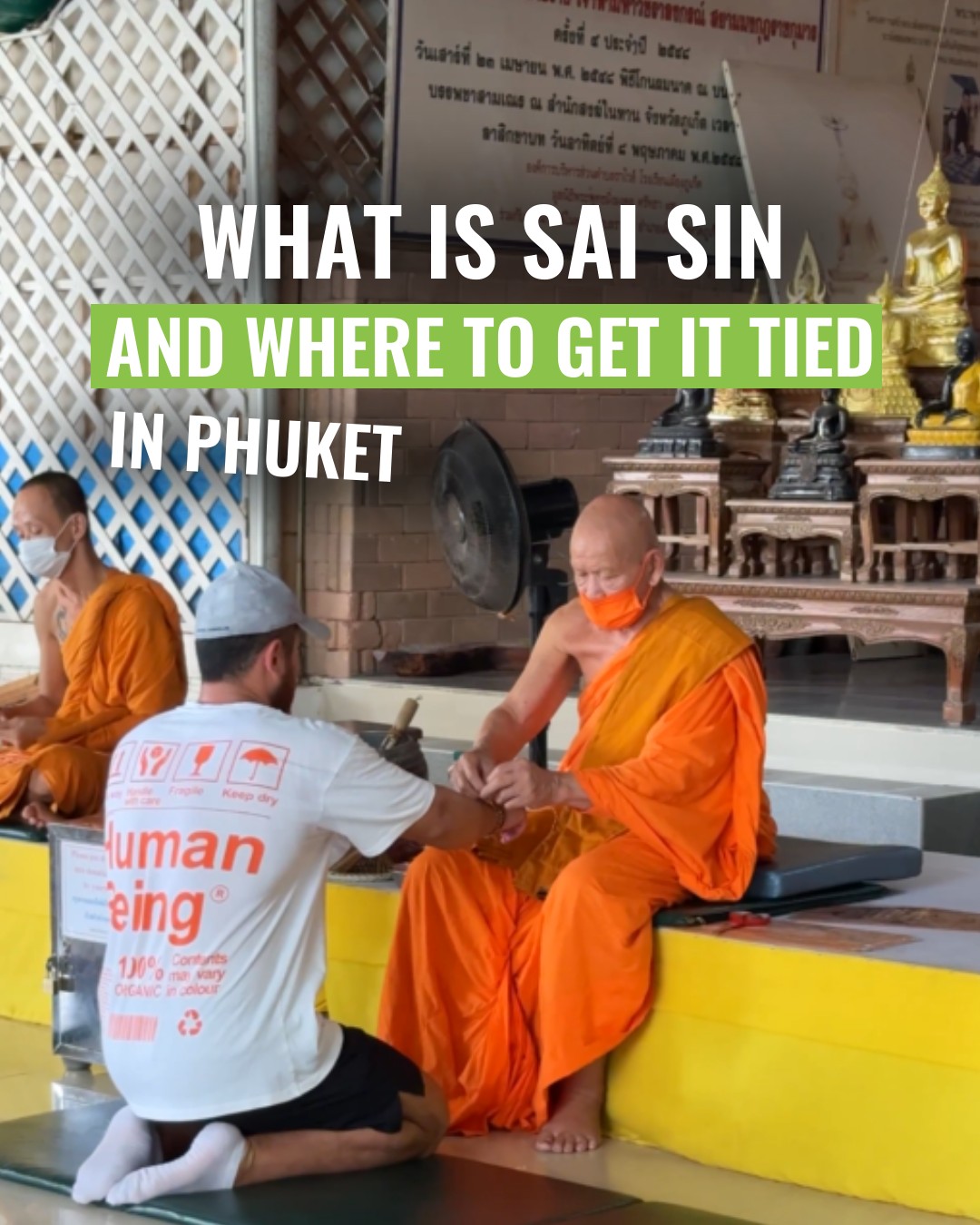
If you have already been to Thailand, especially with an immersion into island life, you have probably seen thin white threads on people’s wrists. Sometimes neatly tied, sometimes already a little frayed, as if they have been worn for more than a month. This is not a fashion accessory and not a “random string.” This is sai sin – one of the simplest and at the same time deepest traditions of Thai culture.
In Phuket, sai sin is especially common. We explain what this thread is, what significance it has in Buddhism, and where to have it tied in Phuket.
What is sai sin
Sai sin is a blessed cotton thread that is tied around the wrist in a Buddhist temple during a blessing ceremony.
In Thai tradition, it symbolizes:
- protection from misfortune and negative energy
- good intentions and pure thoughts
- a person’s connection with a monk’s blessing
- a reminder of an important period of life or a decision
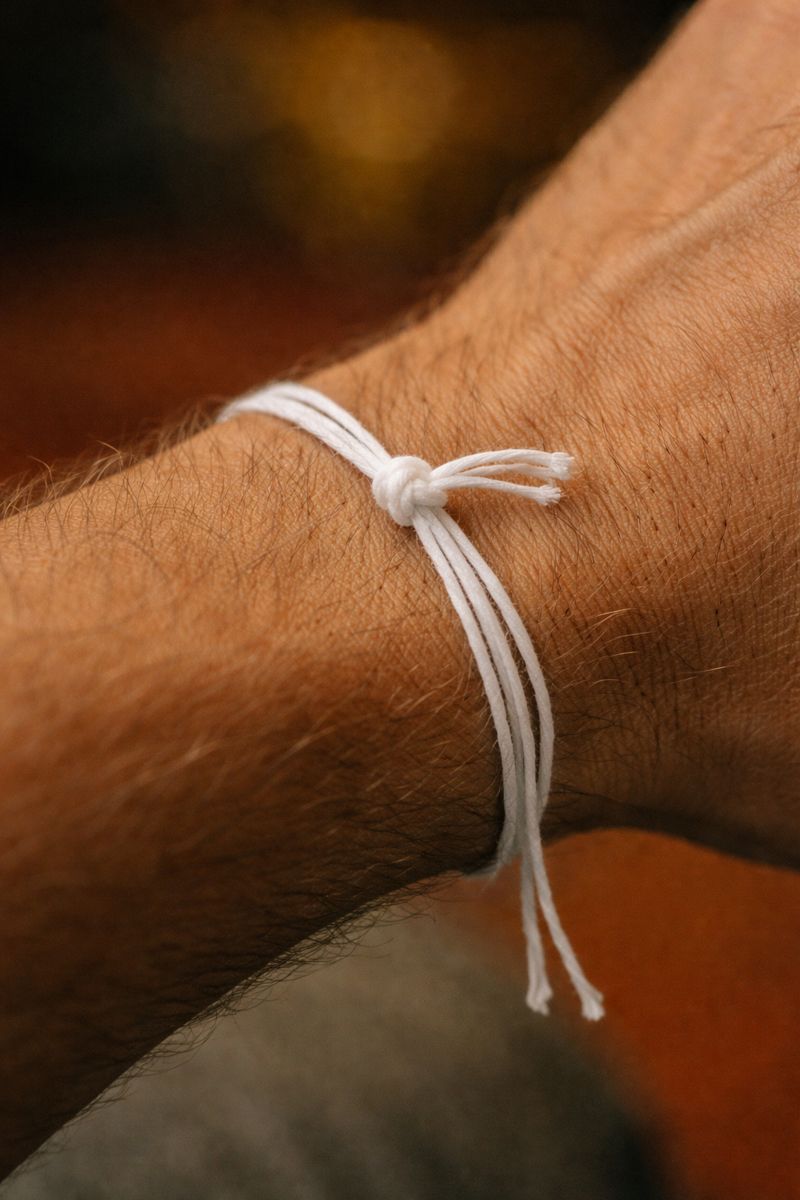
Sai sin is not an amulet in the usual tourist sense. It is rather a gesture, an intention, a point of support. It does not work on its own but is considered a continuation of the prayer and blessing that you received.
An interesting detail: in a traditional ceremony, sai sin is often used as a single thread that connects people, monks, and sacred objects during the ritual. This is where the idea of connection, protection, and continuity comes from.
Most often, sai sin is tied during transitional moments — before a journey, a move, an important decision, after an illness, at the beginning of a new stage, or when there is a lot of uncertainty inside. It is not a request to “let everything be fine,” but rather an inner point of support: I am here, I understand what is important for me right now, and I am ready to live through this stage consciously. That is why sai sin is perceived as a continuation of the blessing, not as a separate object.
A traditional sai sin is specifically white. In Phuket, you may also see threads of other colors:
- Red threads. Most often these are not sai sin, but folk or Chinese amulets for luck, protection, money, or relationships. In Phuket, where Chinese influence is strong, such threads are very common.
- Colored bracelets with knots. They may be tied during festivals, in Hindu shrines, or sold as “protective charms.” They are not related to the Buddhist sai sin.
- Threads with beads, pendants, or metal elements. These are already jewelry or amulets, but not a classic religious symbol.
Where to have sai sin tied in Phuket
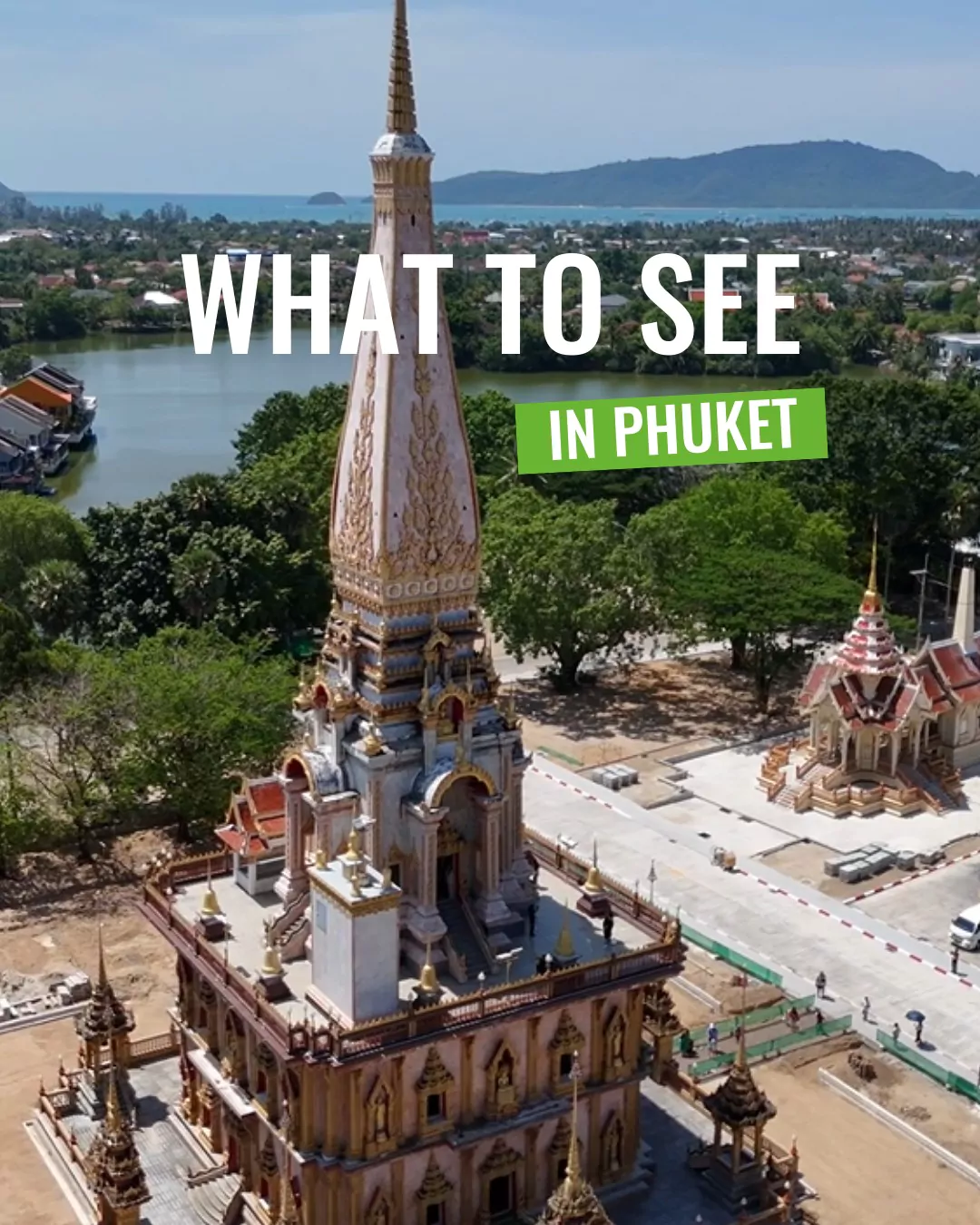
There are dozens of temples on the island, and in many of them you can receive a blessing. A full list is available in the article Historical Temples of Phuket.
Here are several places where you can have sai sin tied.
Wat Chalong
Geo on Google Maps (Chalong)
Working hours: Mon - Sun: 08:00 - 17:00
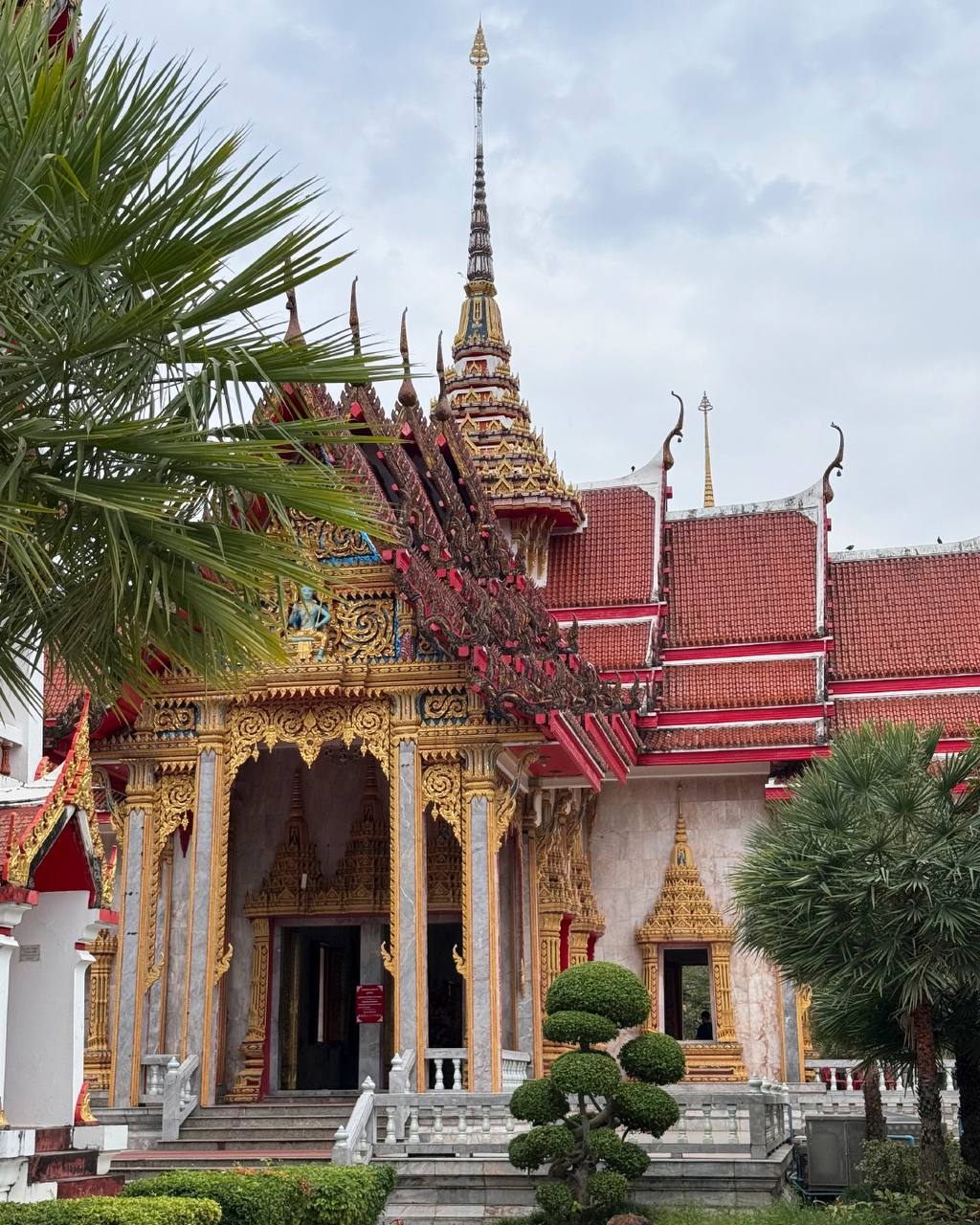
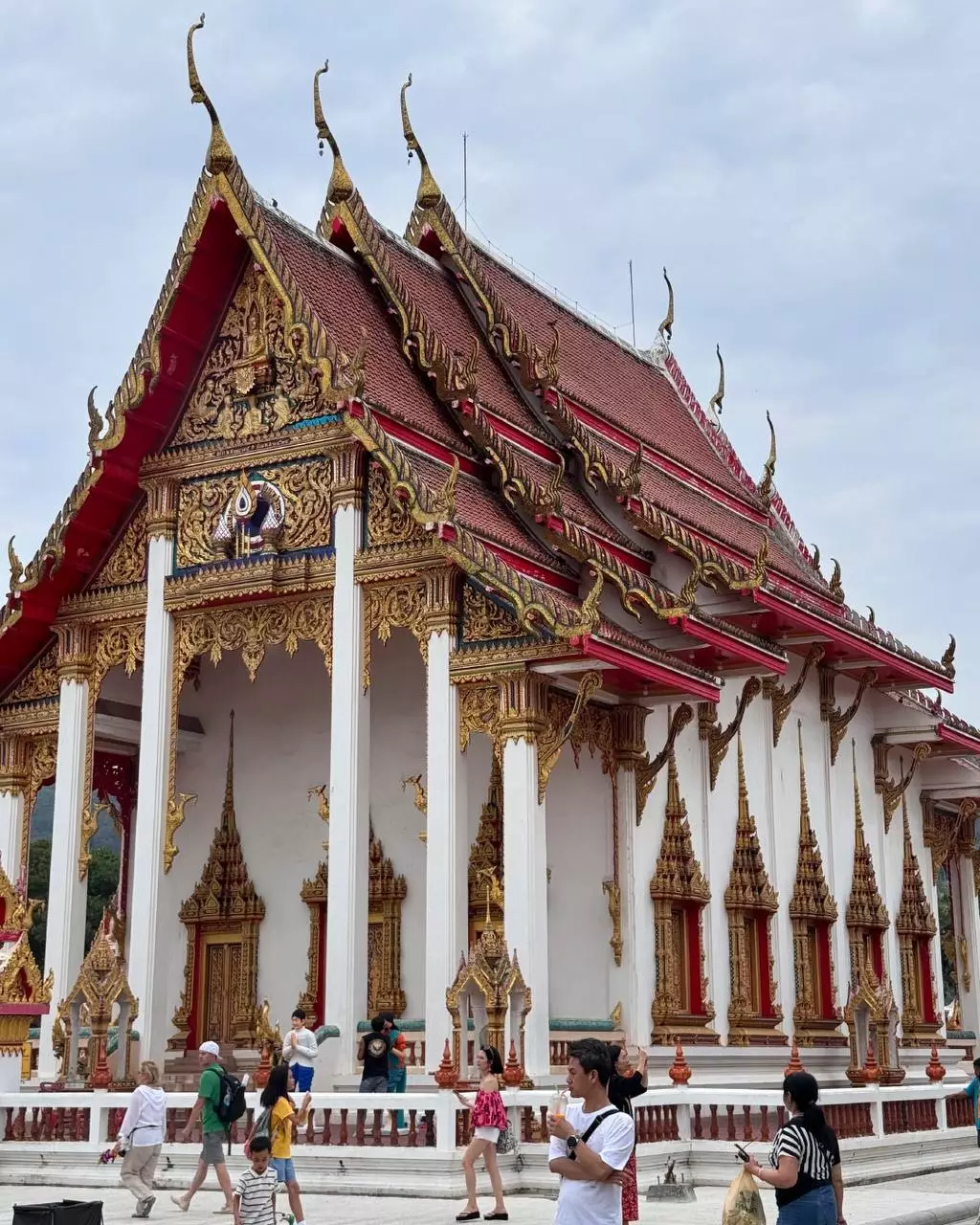
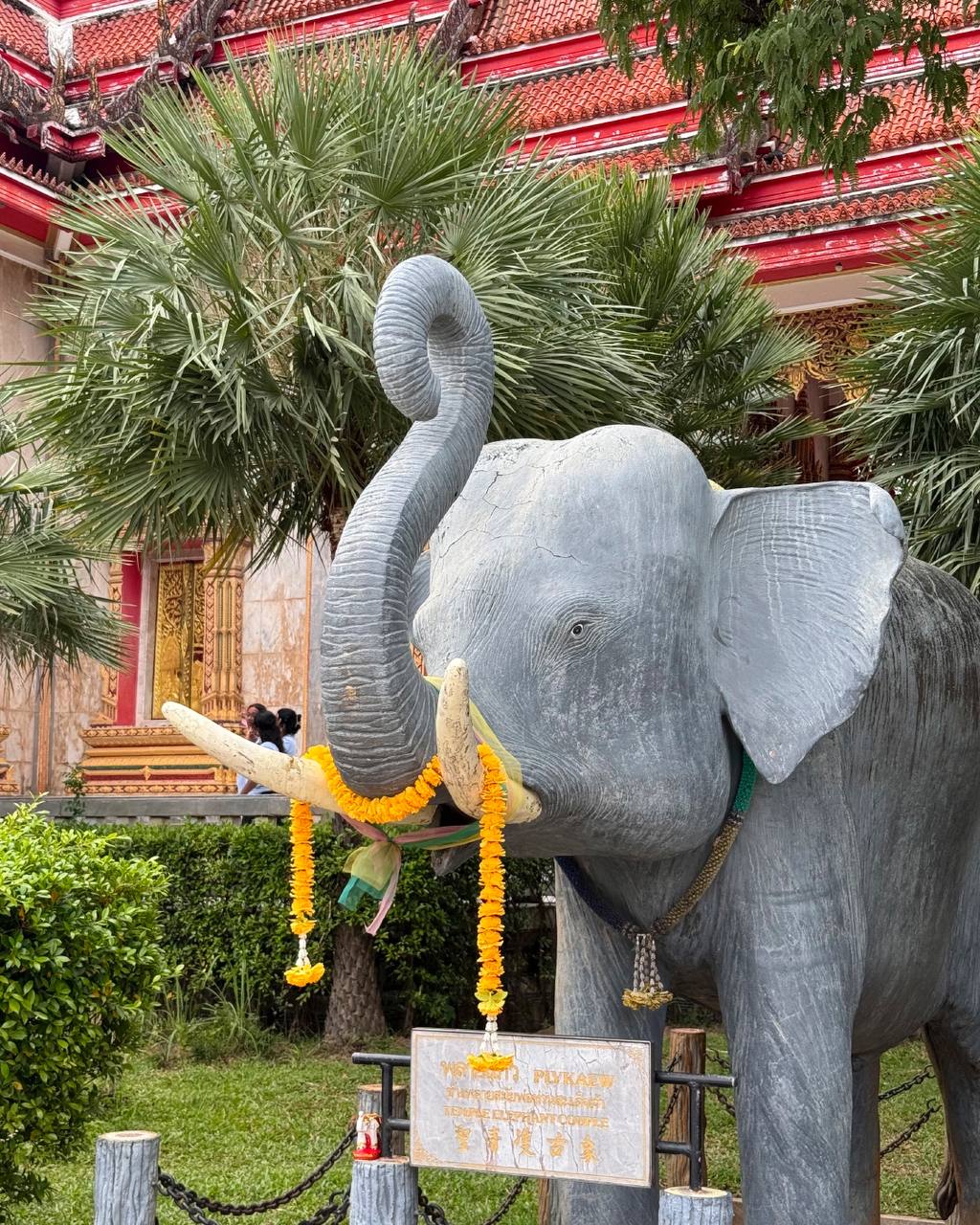
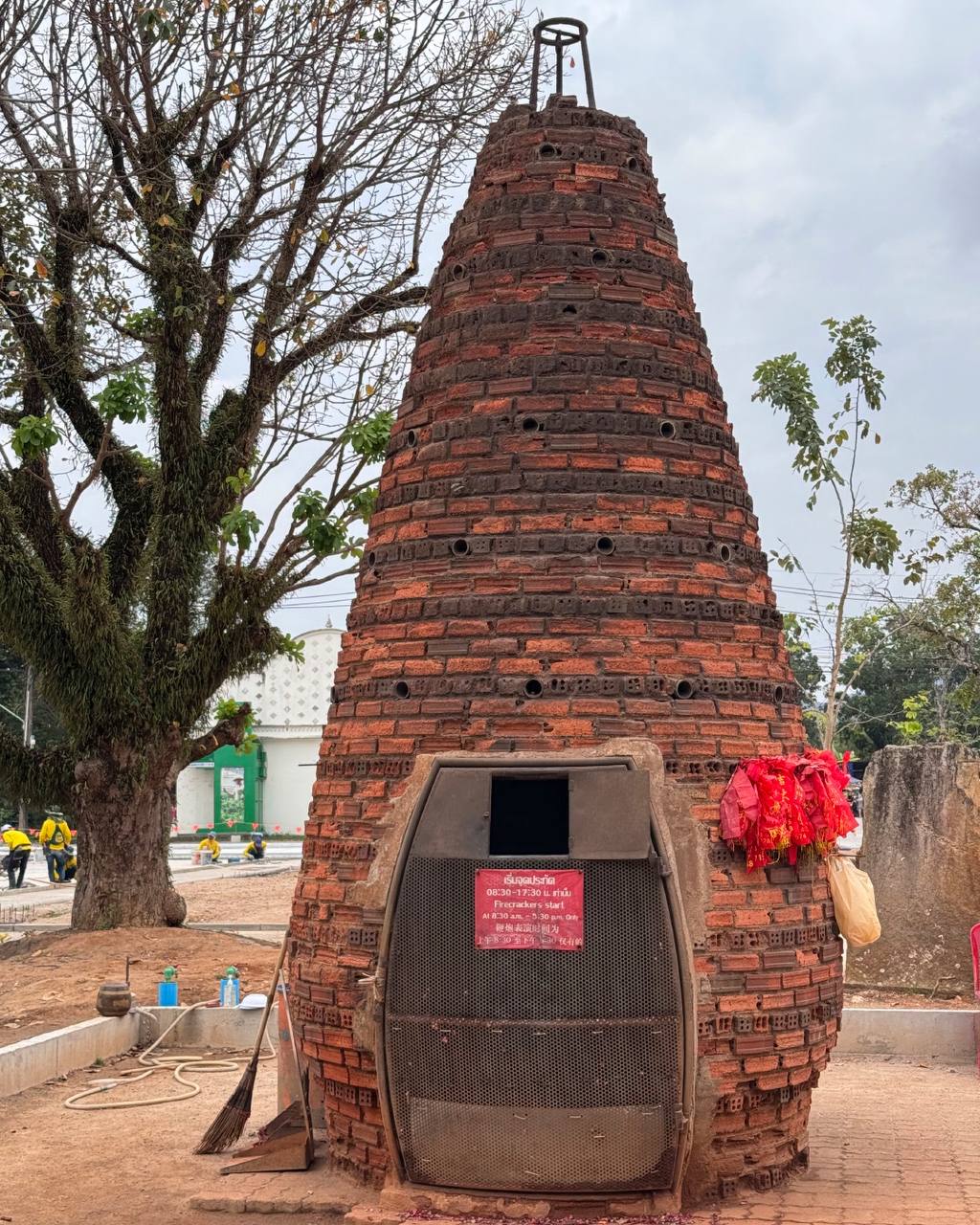
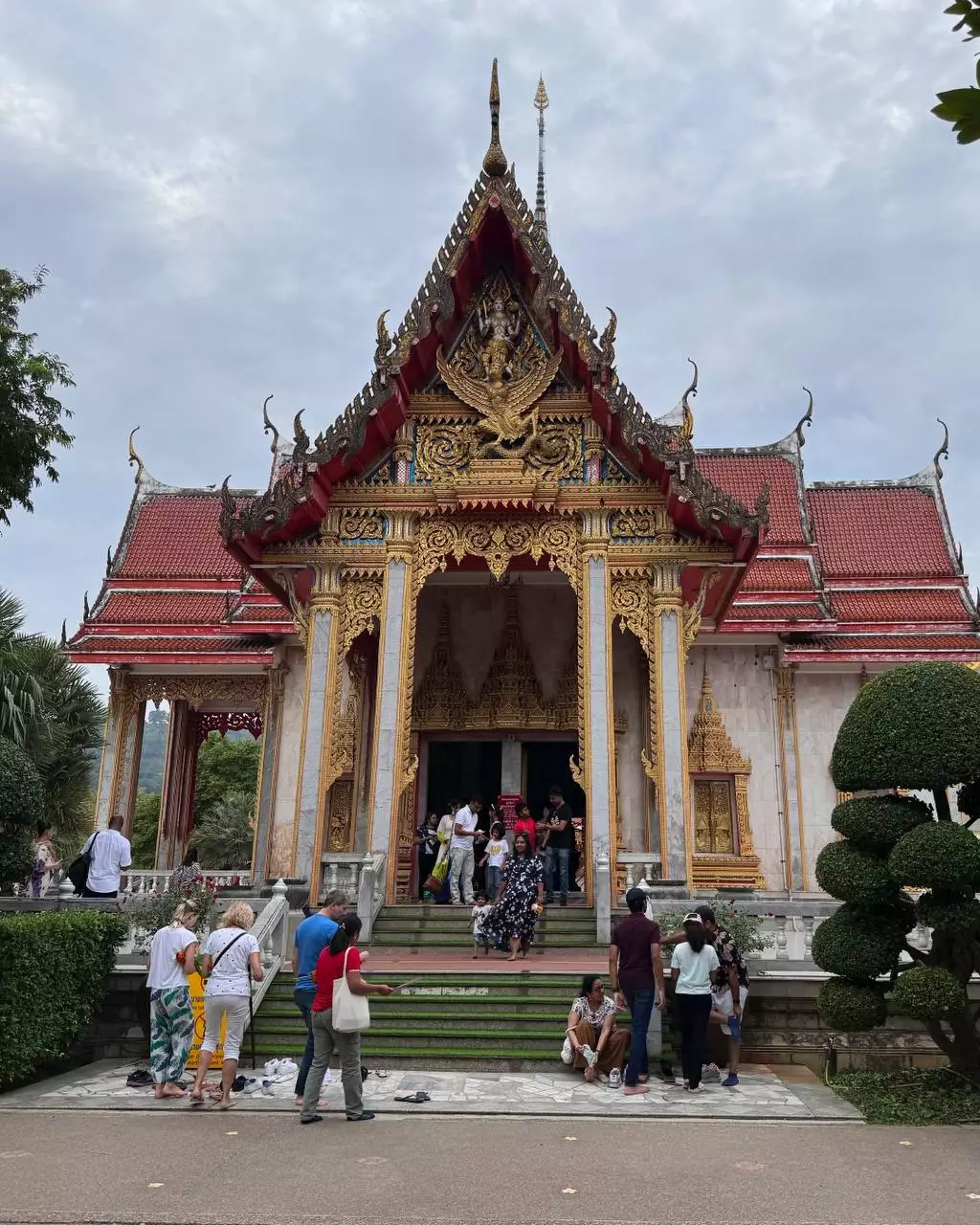
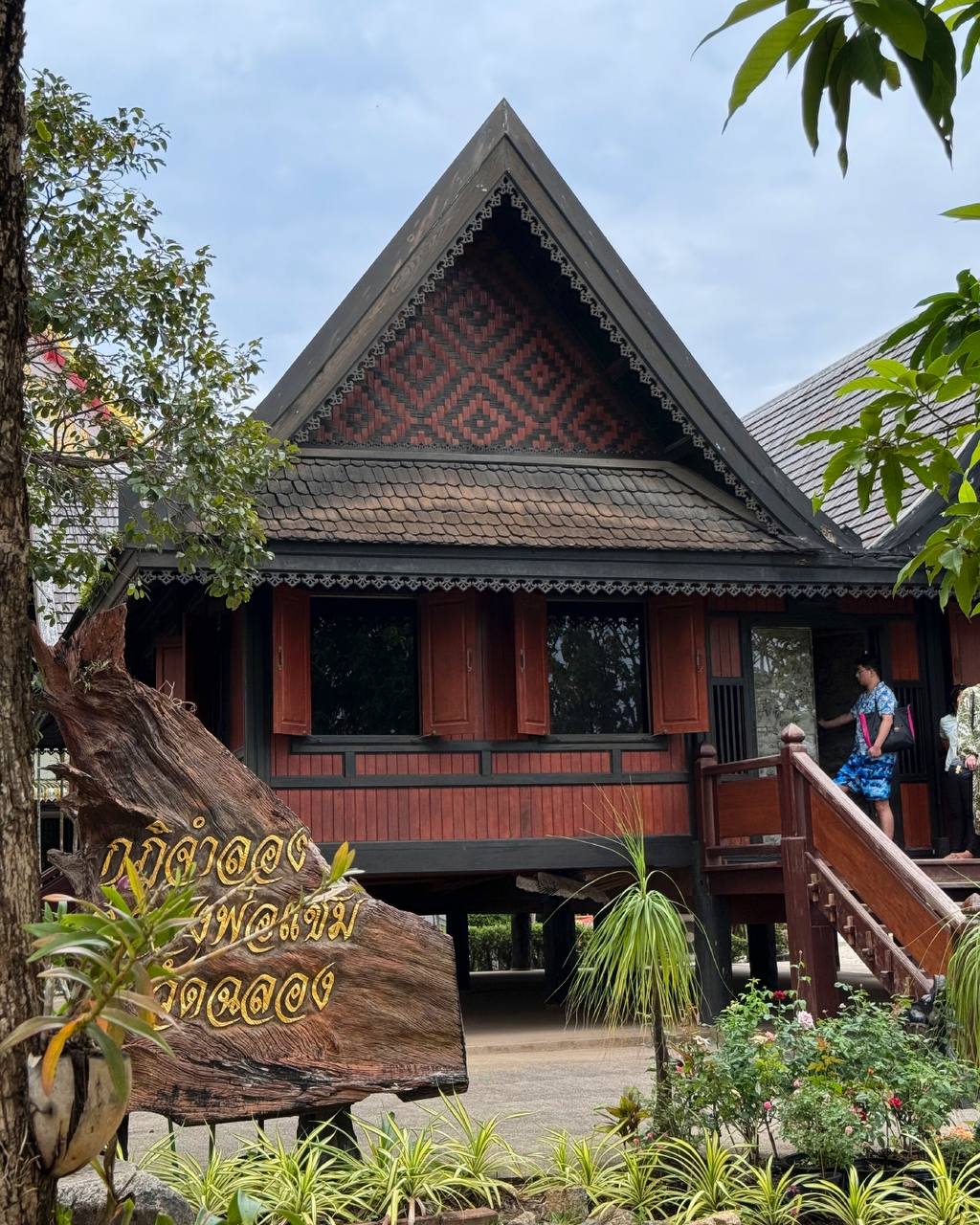
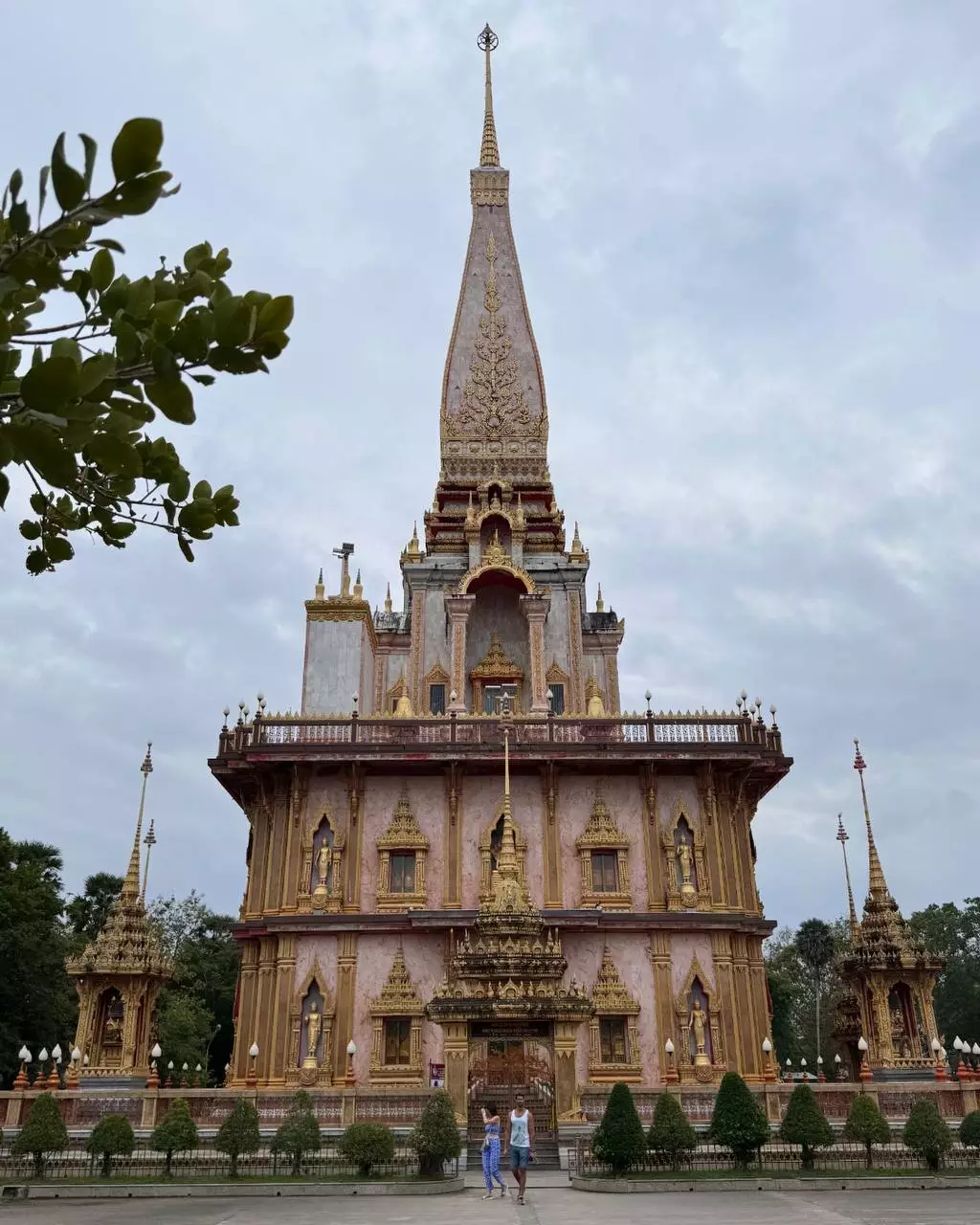
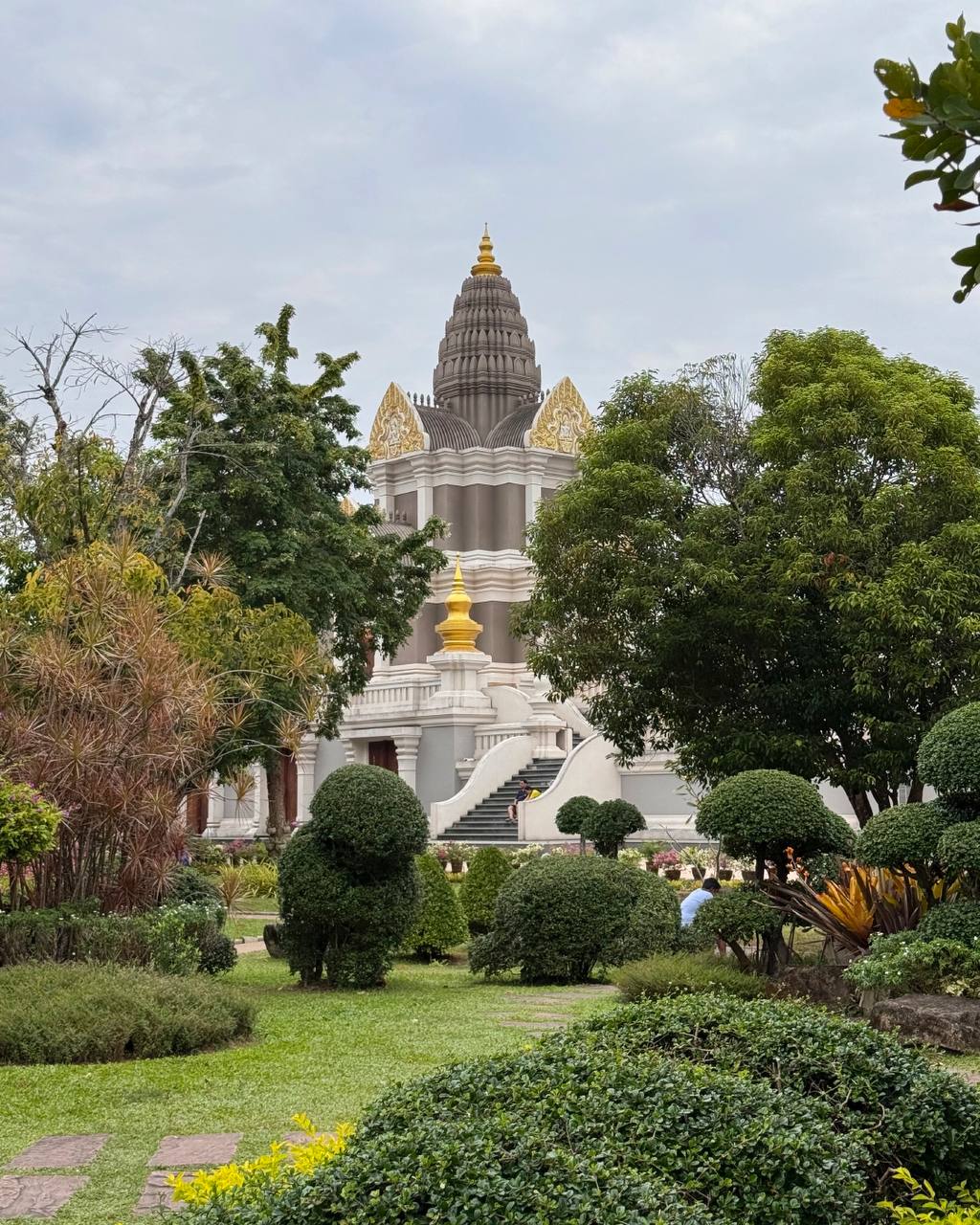
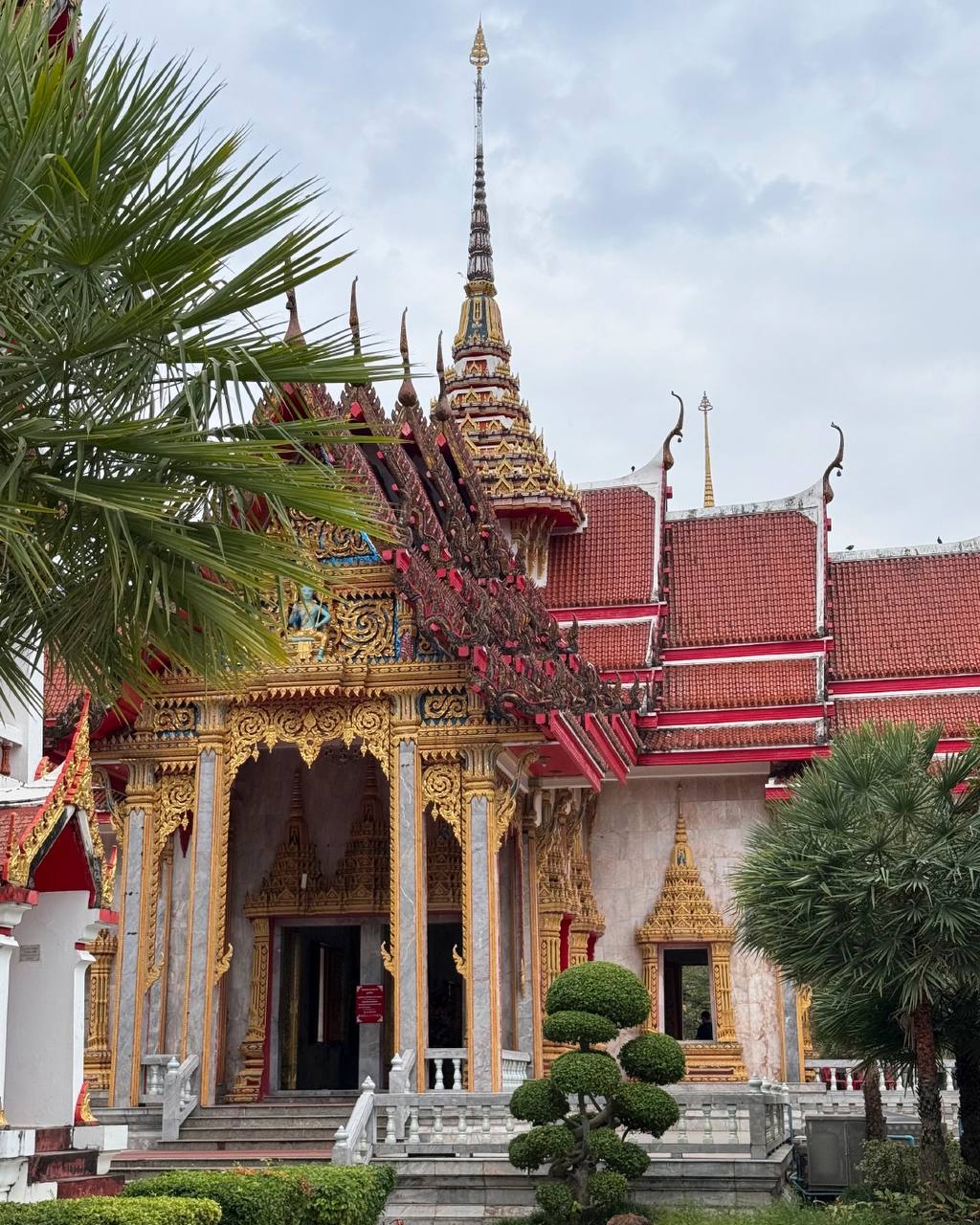
The main and most famous temple on the island — yes, touristy, but no less significant because of it. This is where a relic of the Buddha is kept, and it is here that people most often come for a blessing before important events.
Tip: it’s better to come in the morning, when the temple is not yet crowded with tour groups. At this time, it’s easier to catch that very feeling of silence and presence that makes the visit worthwhile in the first place.
Wat Srisoonthorn
Geo on Google Maps (Sri Sunthon)
Working hours: Mon - Sun: 06:00 - 09:30
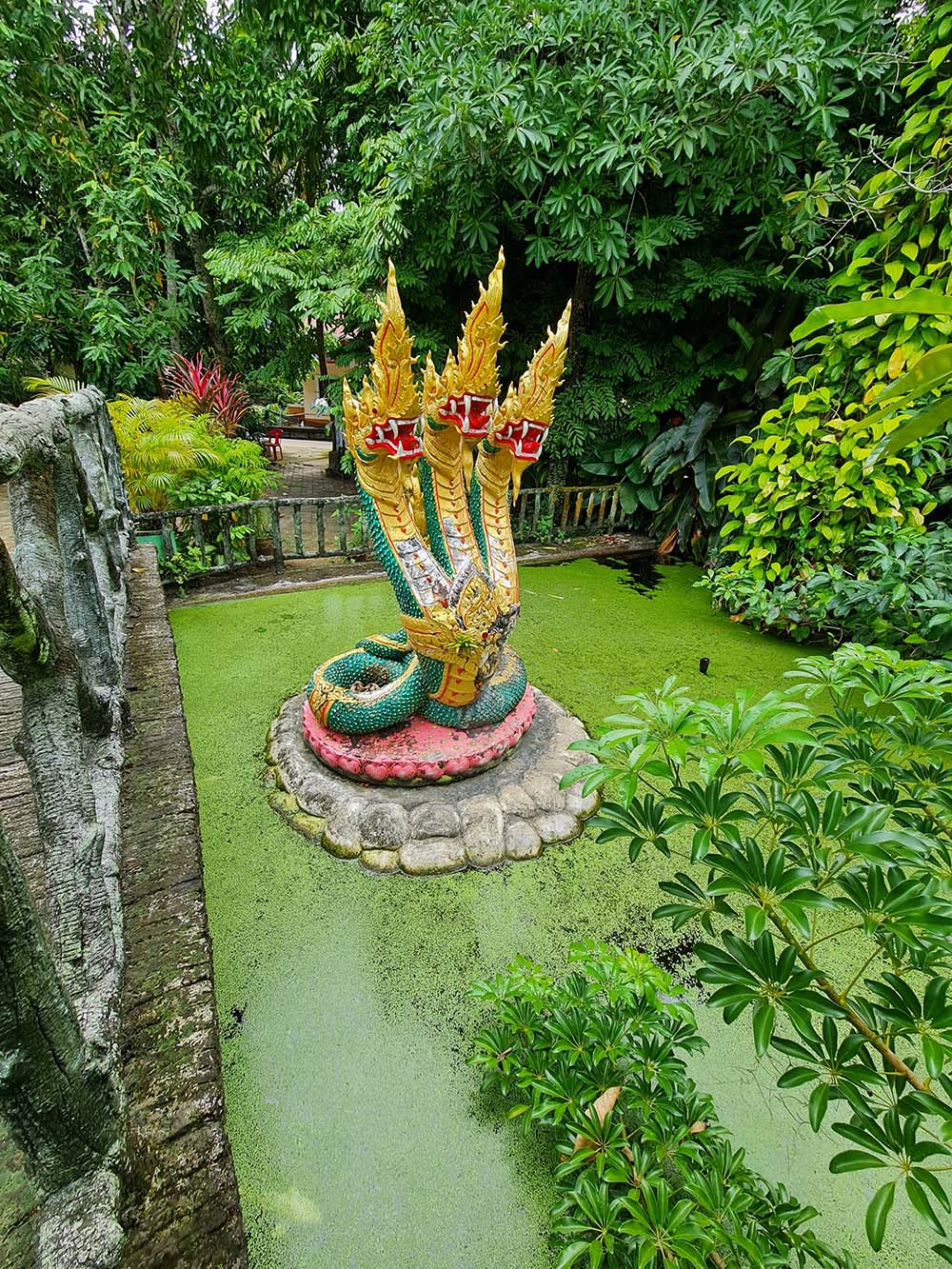
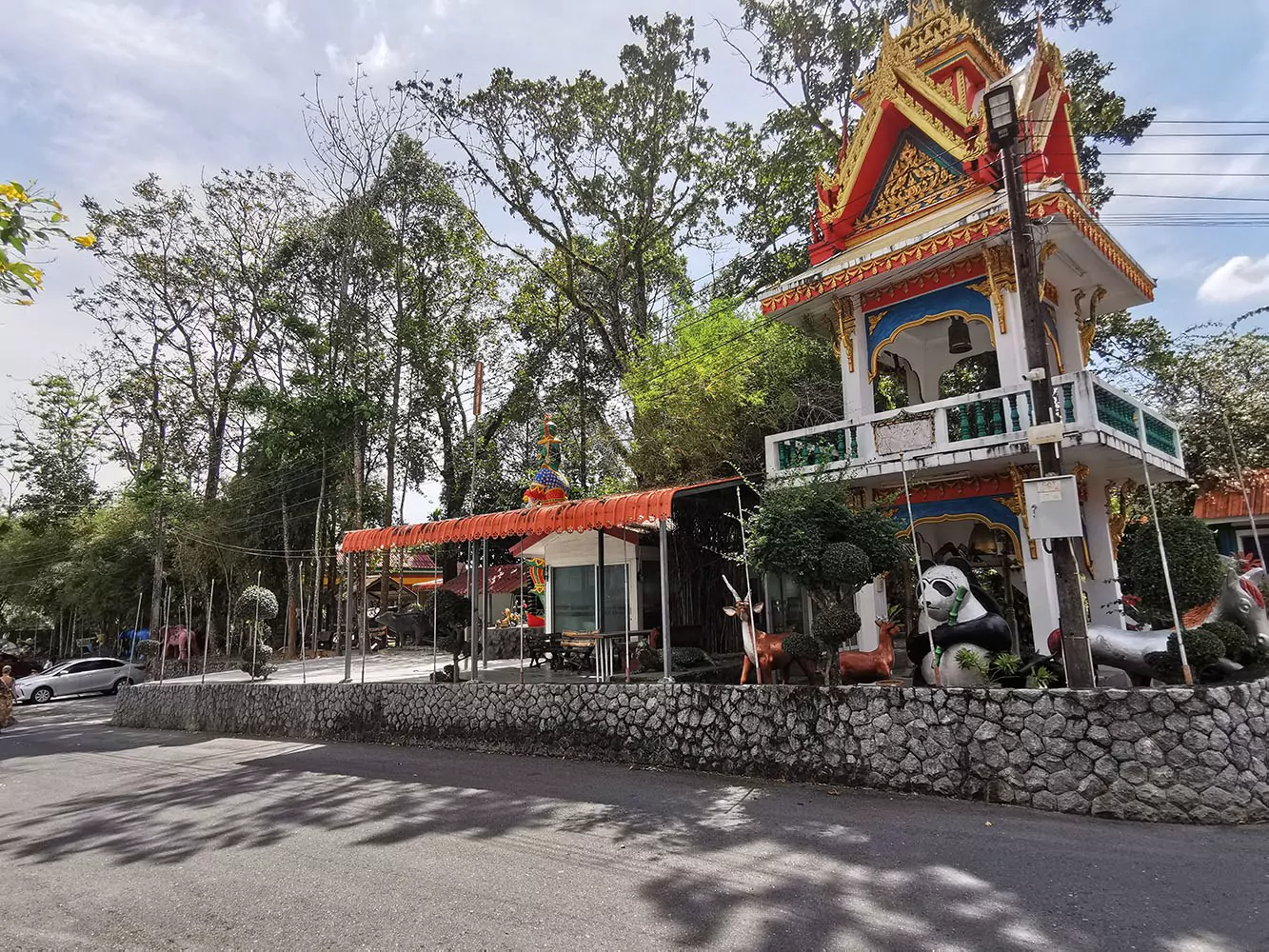
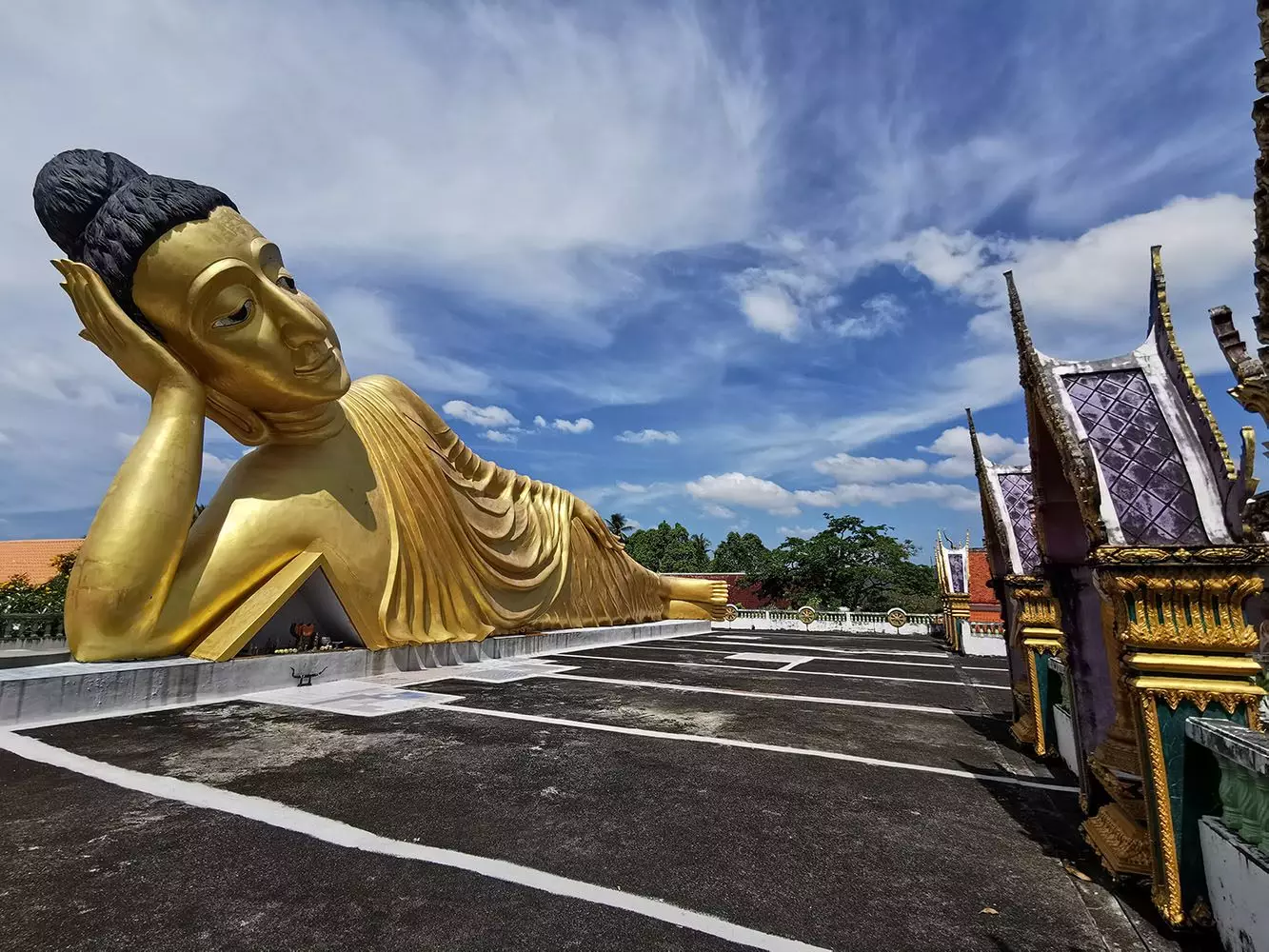
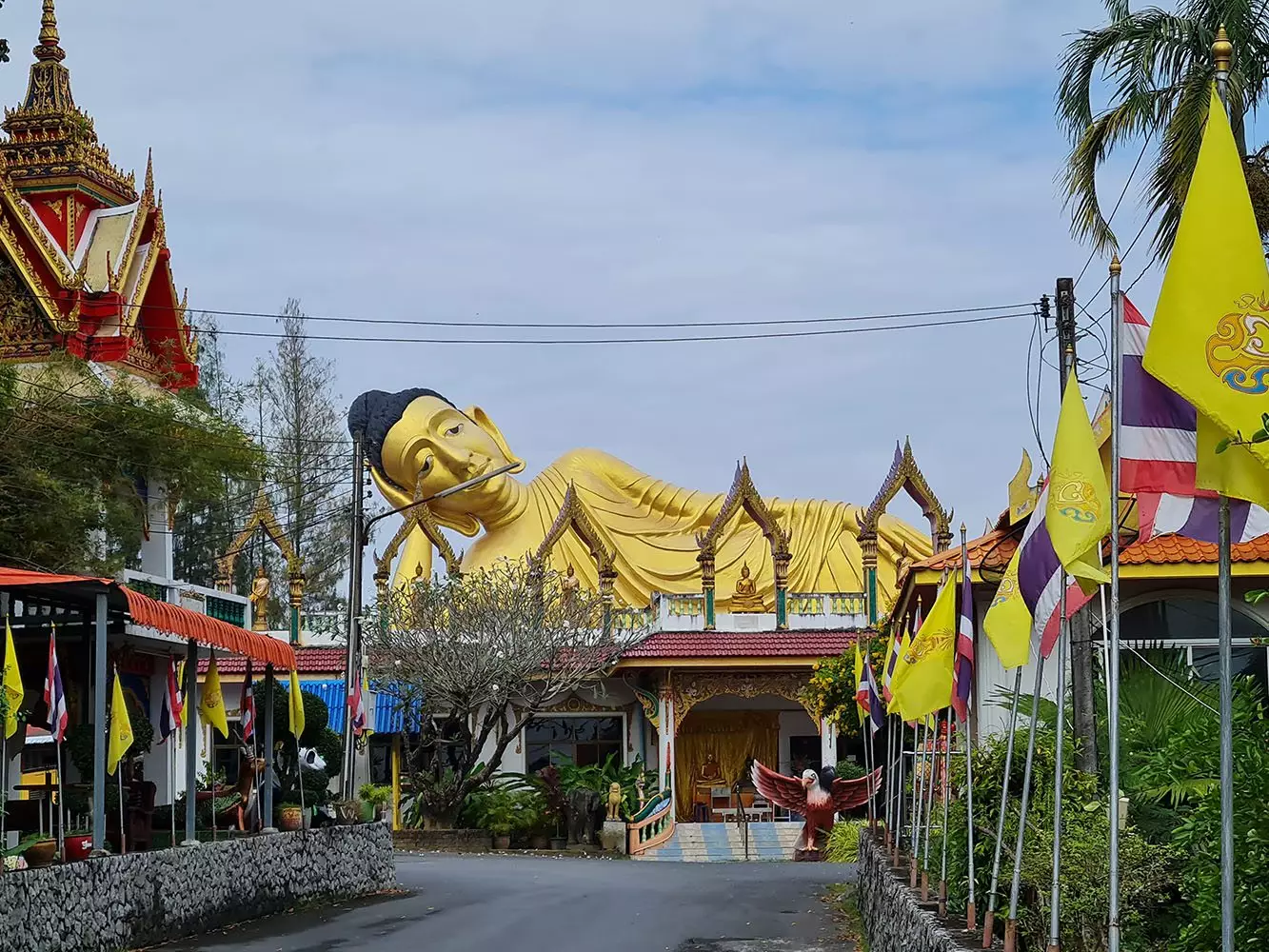
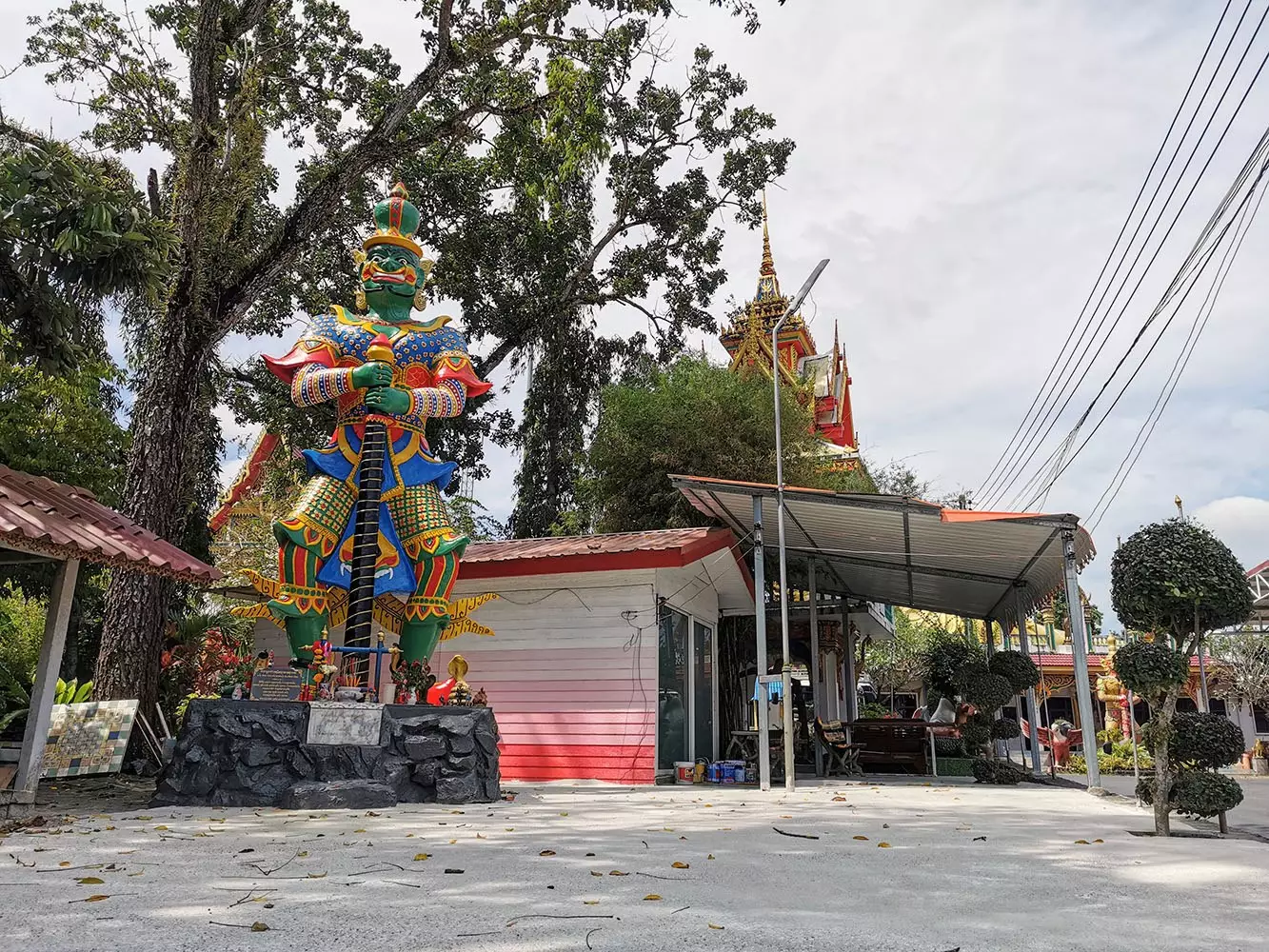
A temple famous for its huge reclining Buddha statue, which is hard to pass by without noticing. There is much less bustle here than at Wat Chalong, and more locals. The monks are approachable, and the sai sin tying ritual is carried out very simply and in a homely way.
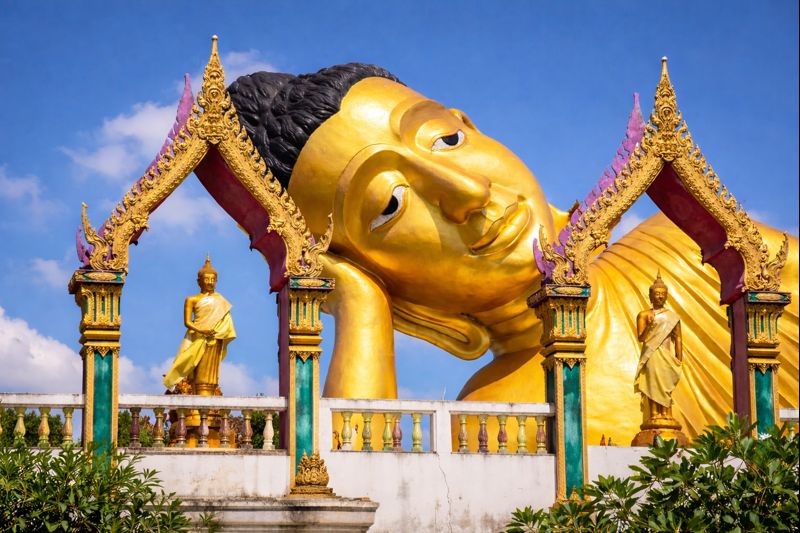
Wat Phra Thong
Geo on Google Maps (Thep Krasatti)
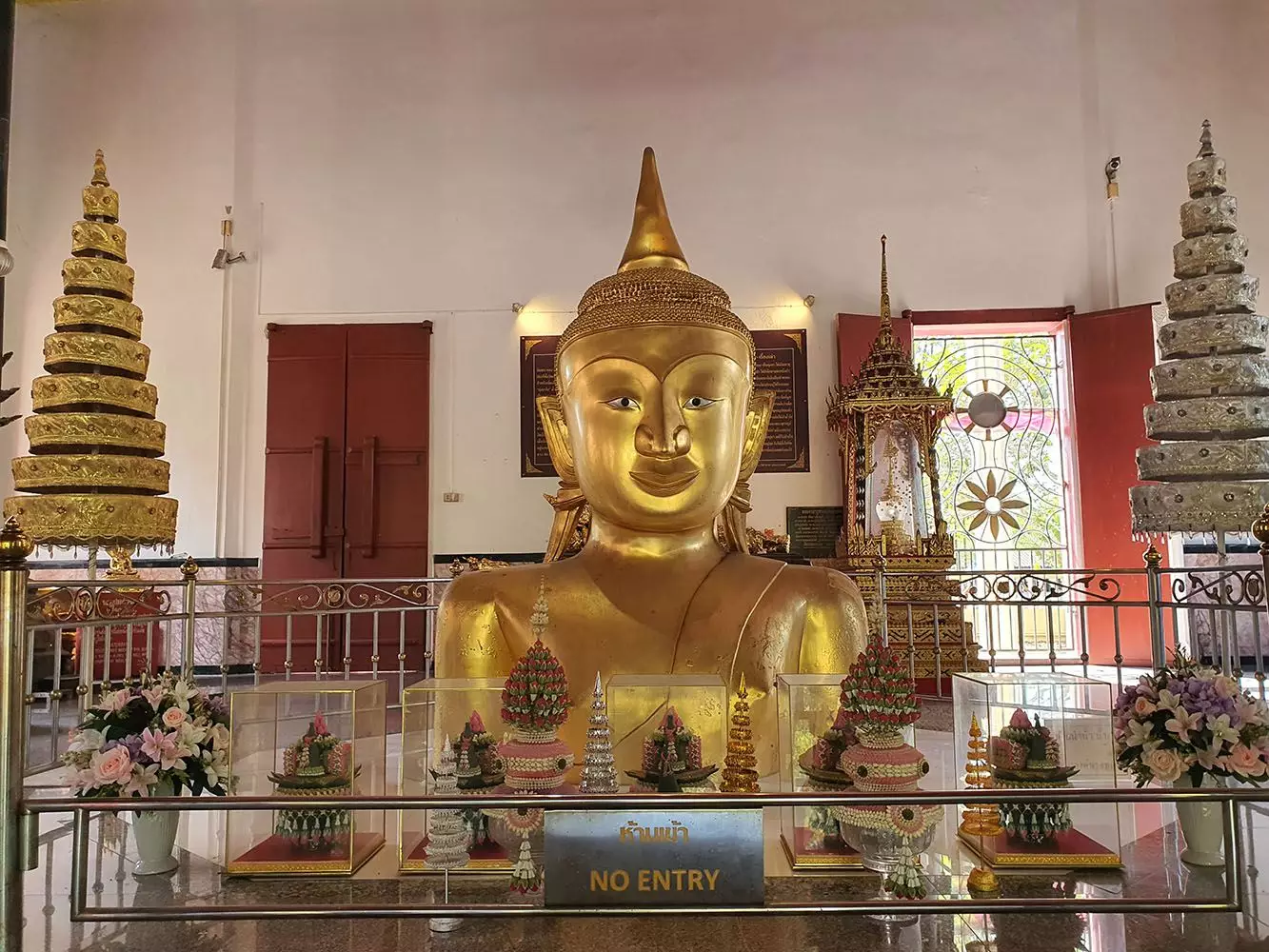
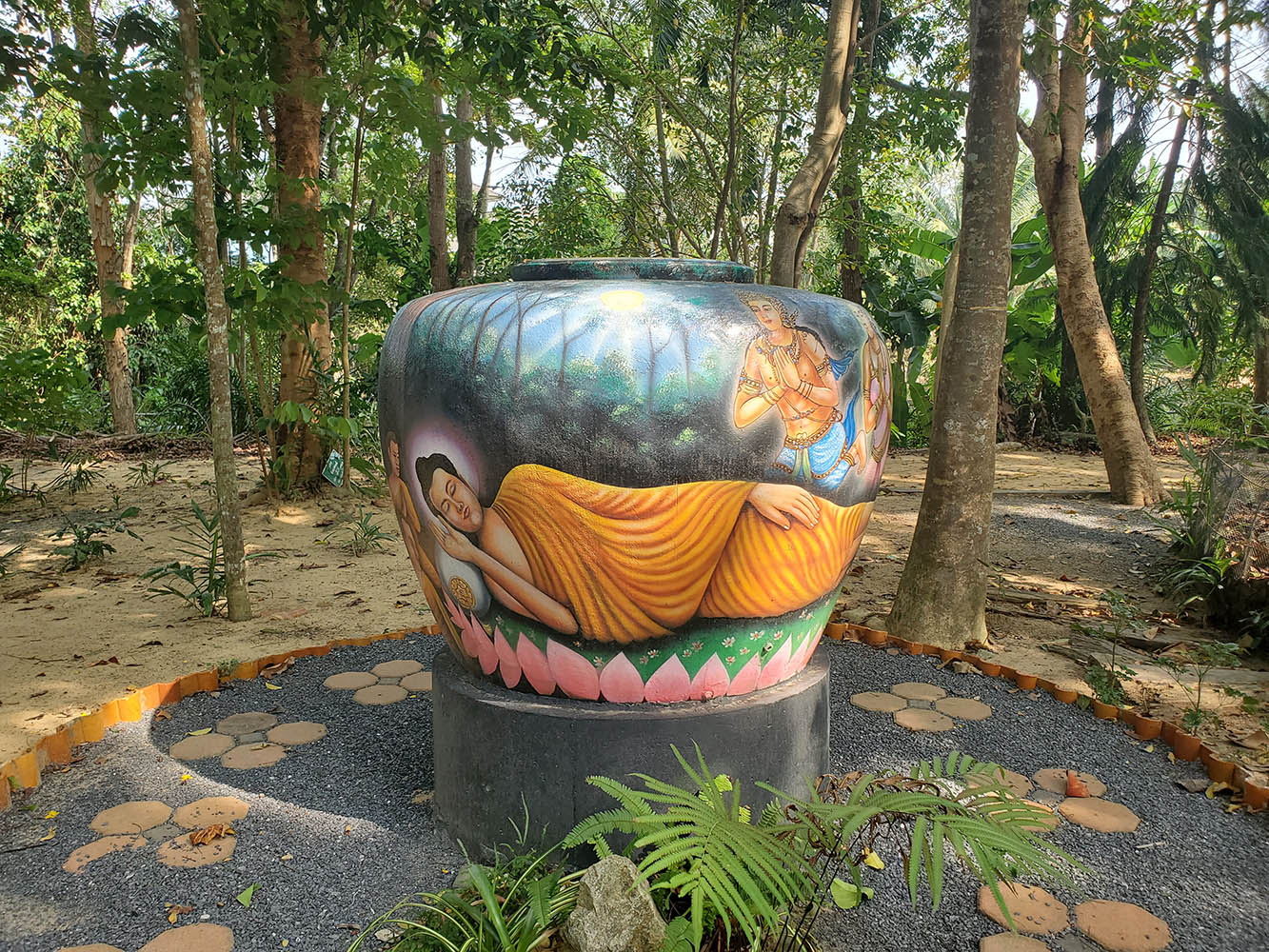
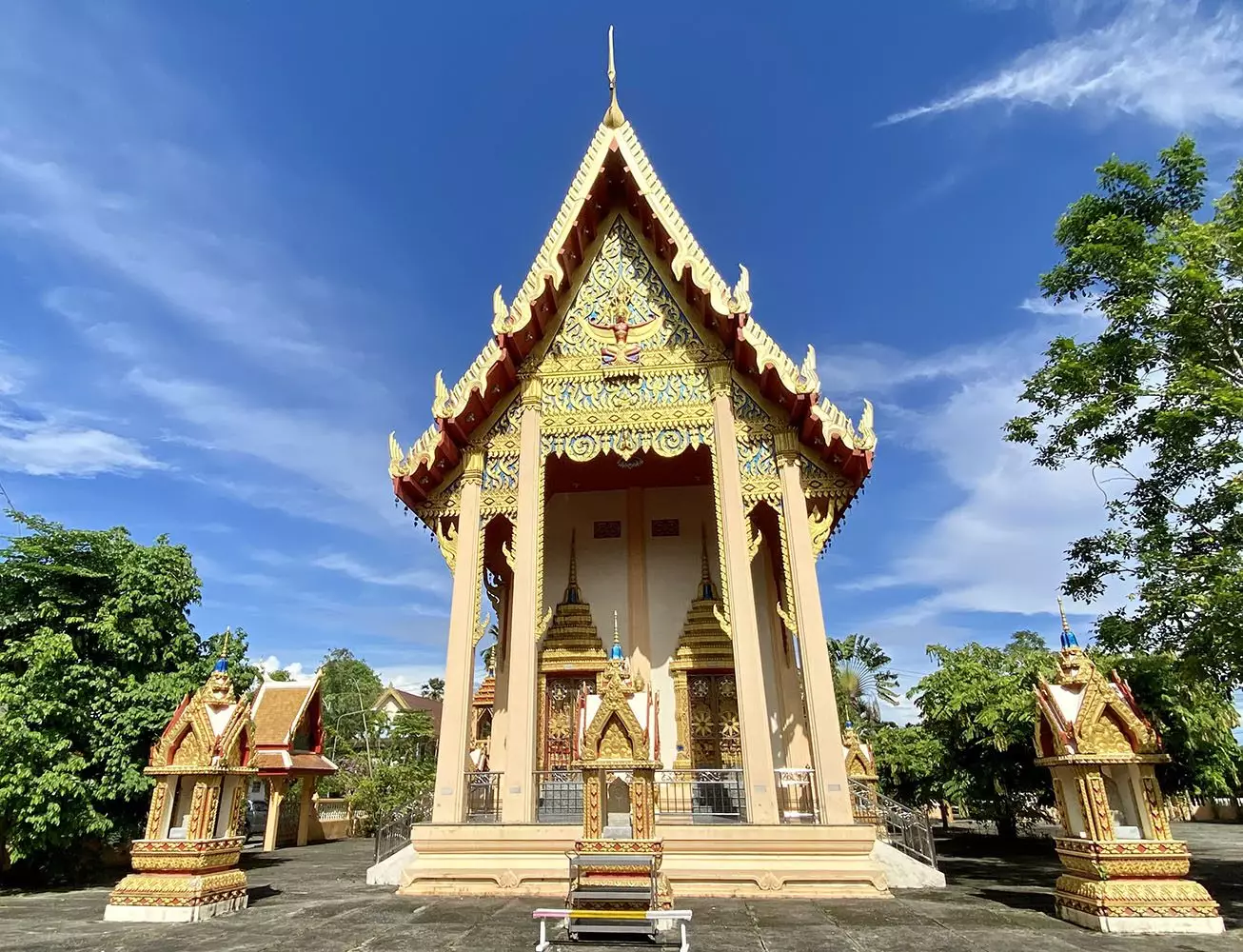
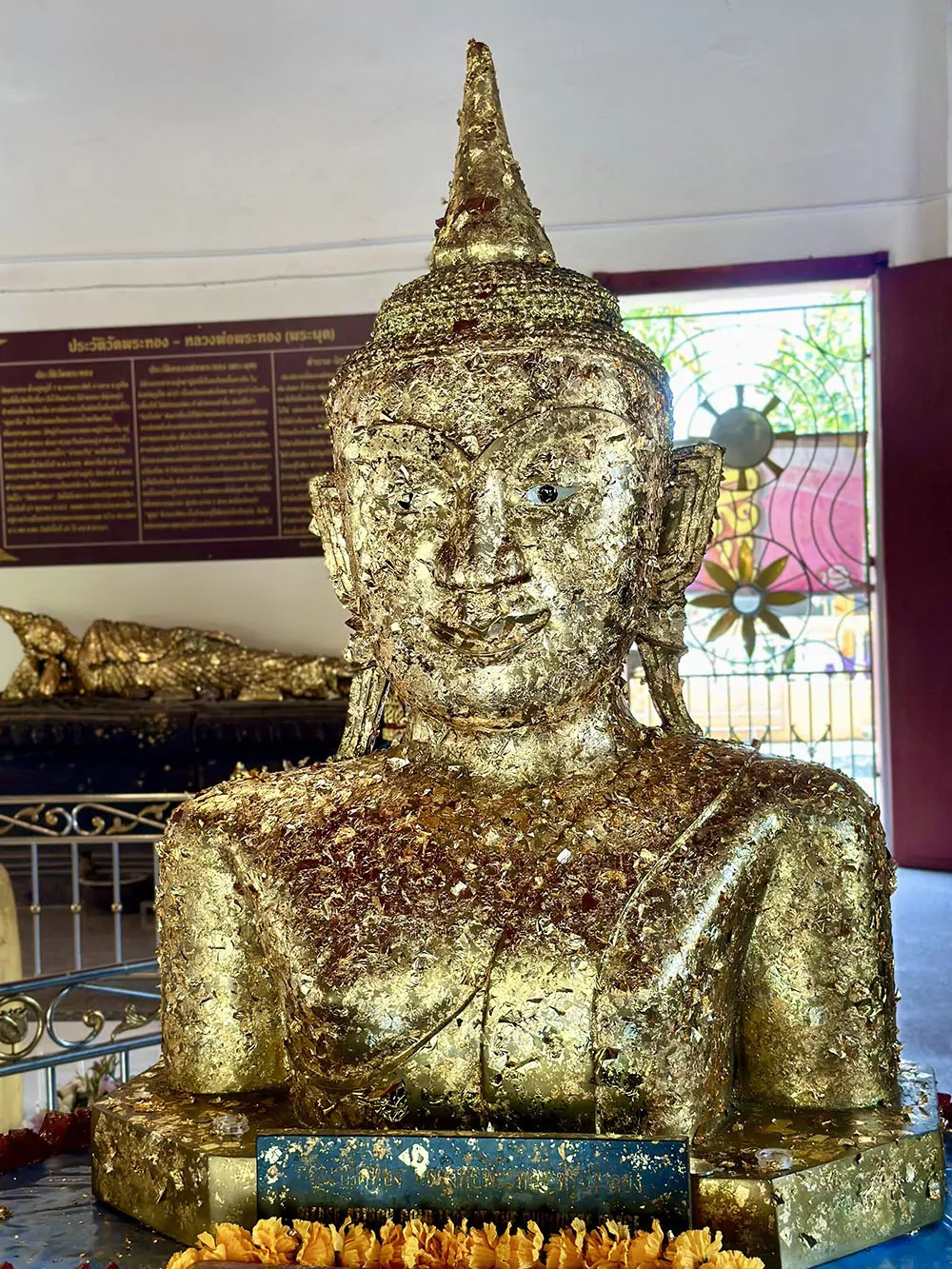
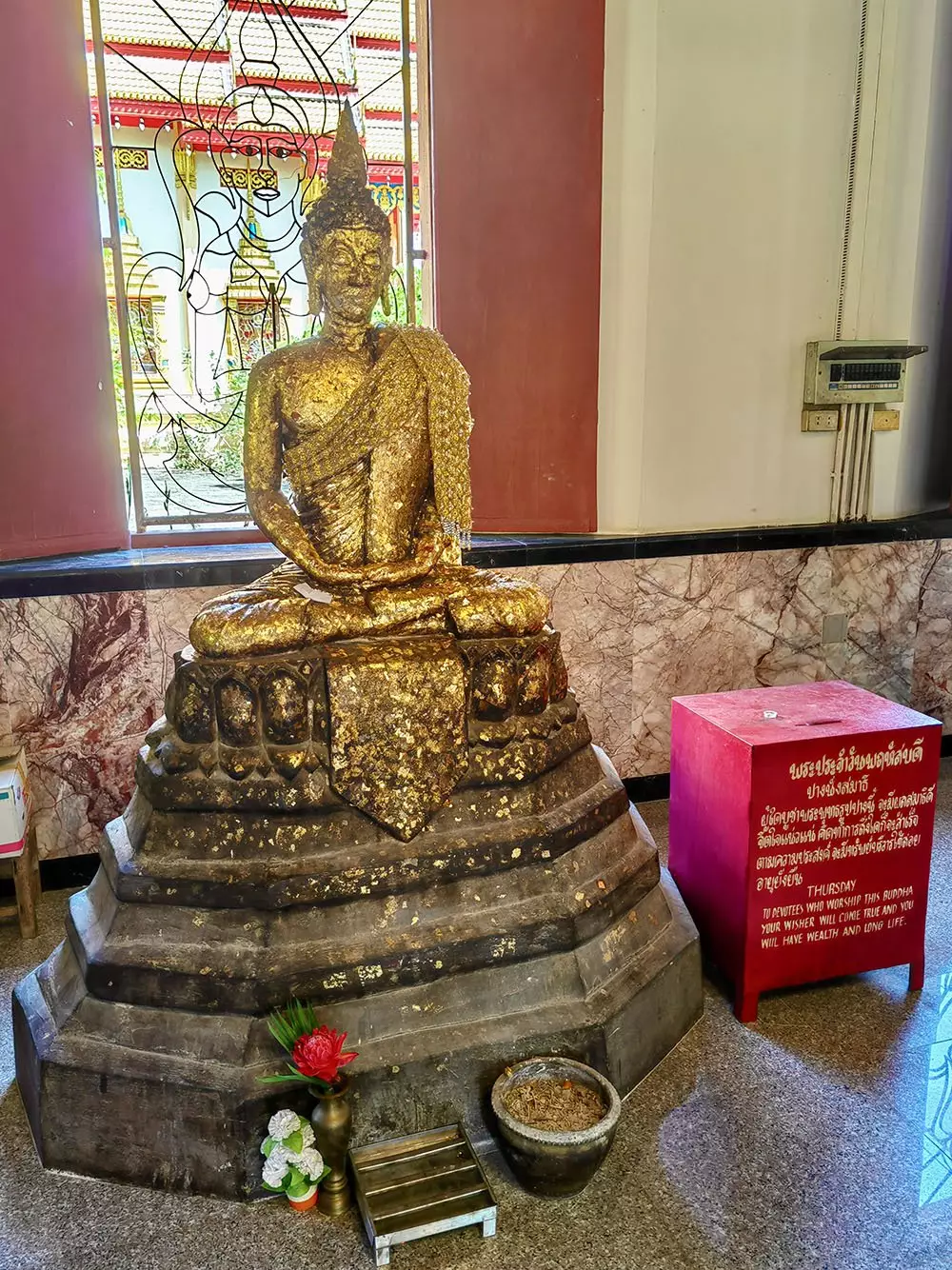
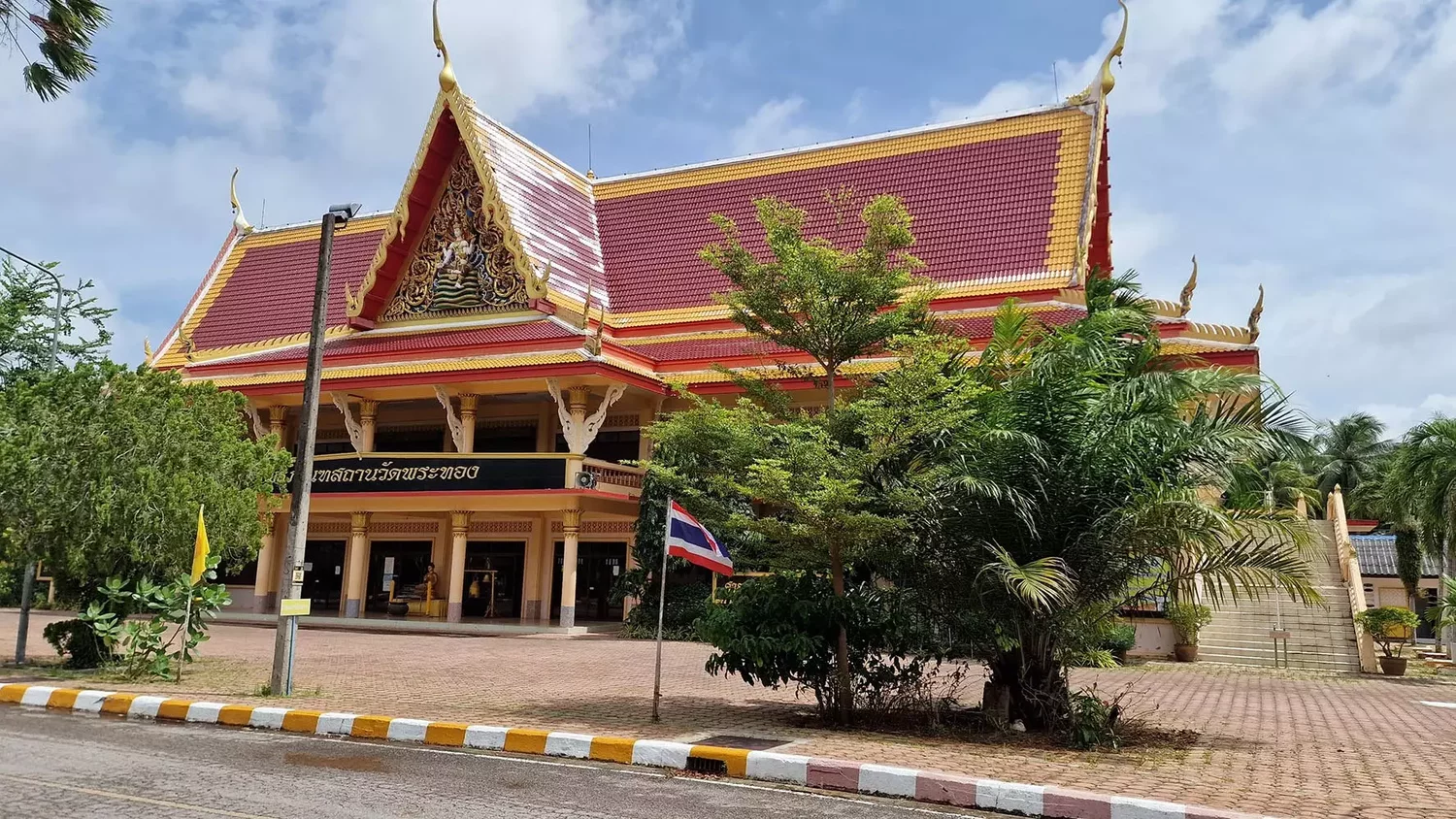
One of the most unusual temples in Phuket. Its main sacred treasure is a golden Buddha statue, half-buried in the ground. It is believed to possess strong protective energy. The monks at Wat Prathong gladly perform blessings and tie sai sin threads, especially if you approach with respect.
Wat Ladthiwanaram
Geo on Google Maps (Chalong)
Working hours:
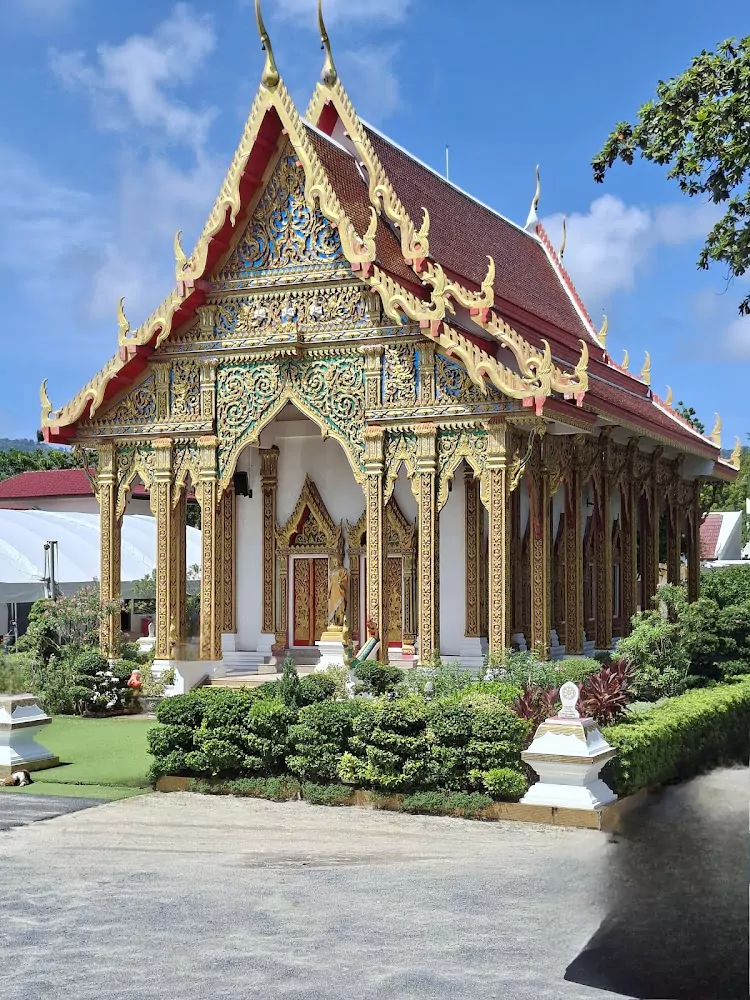
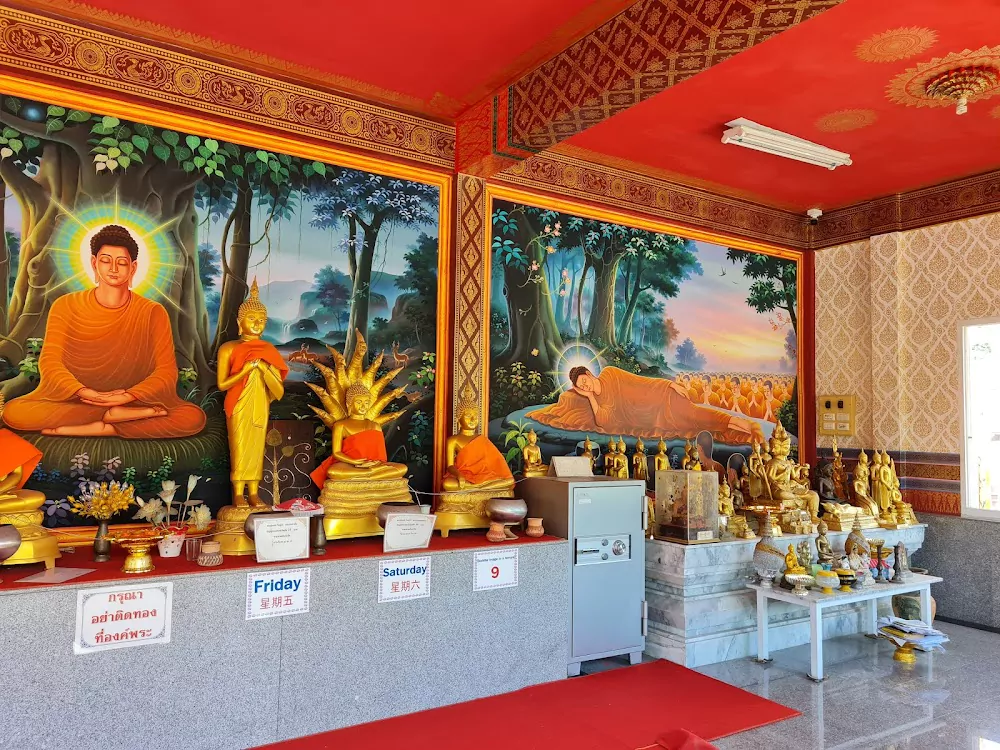
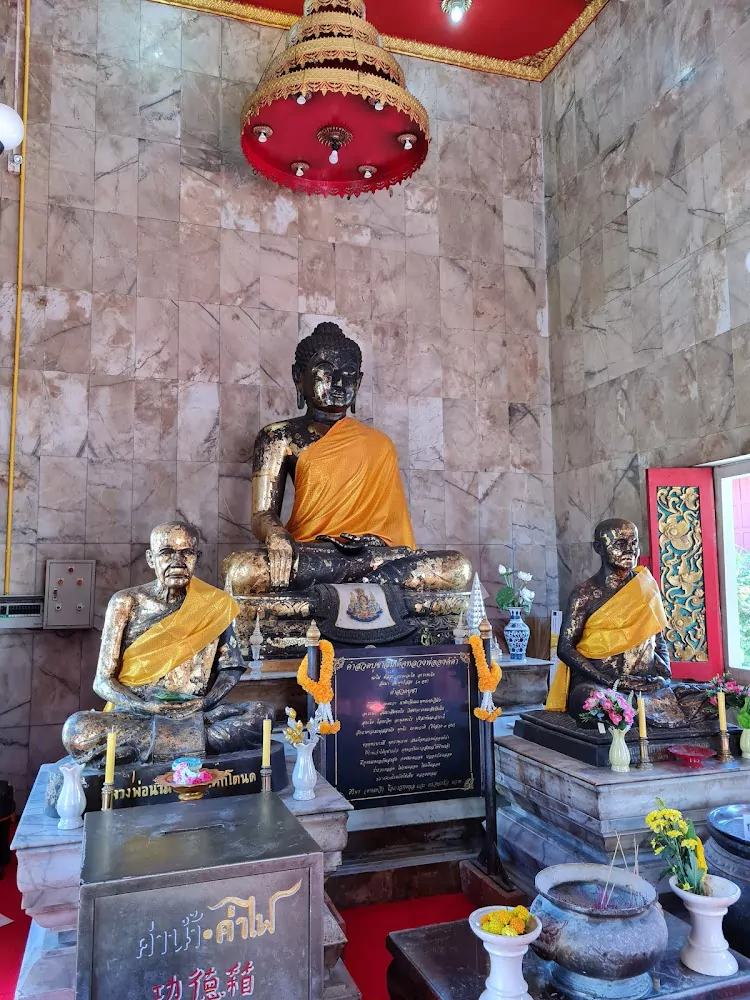
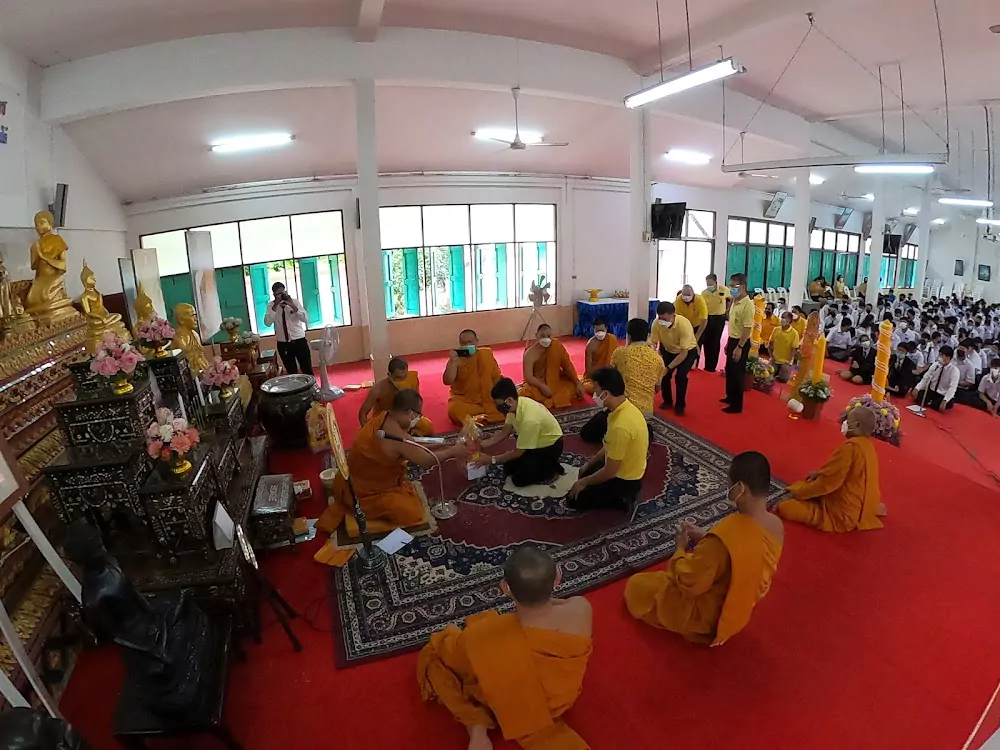
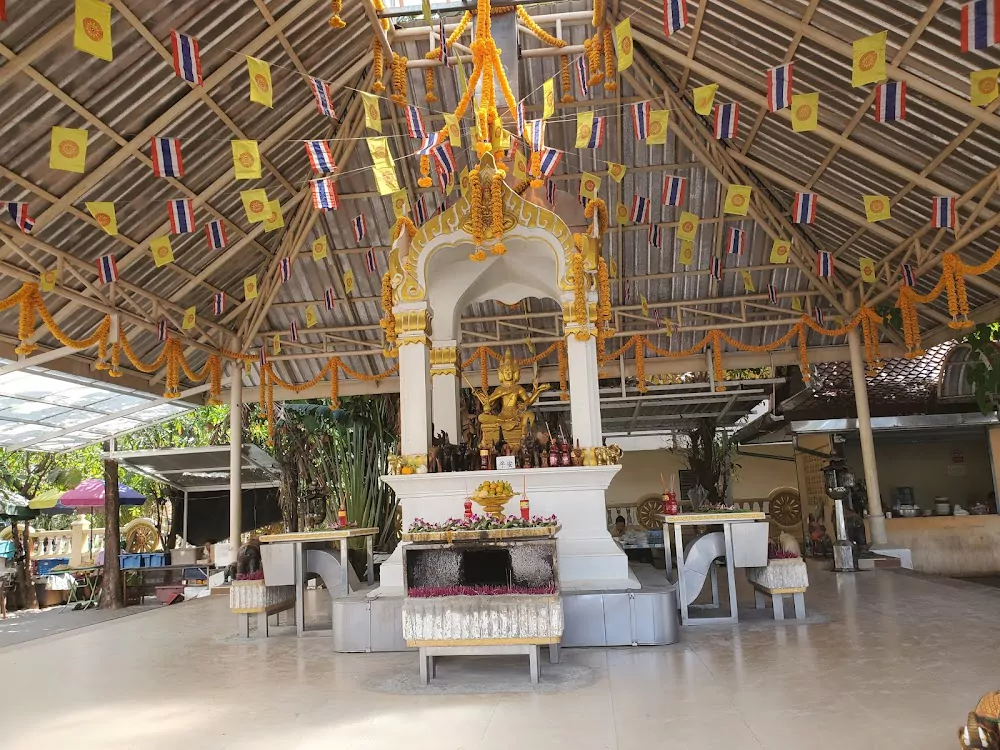
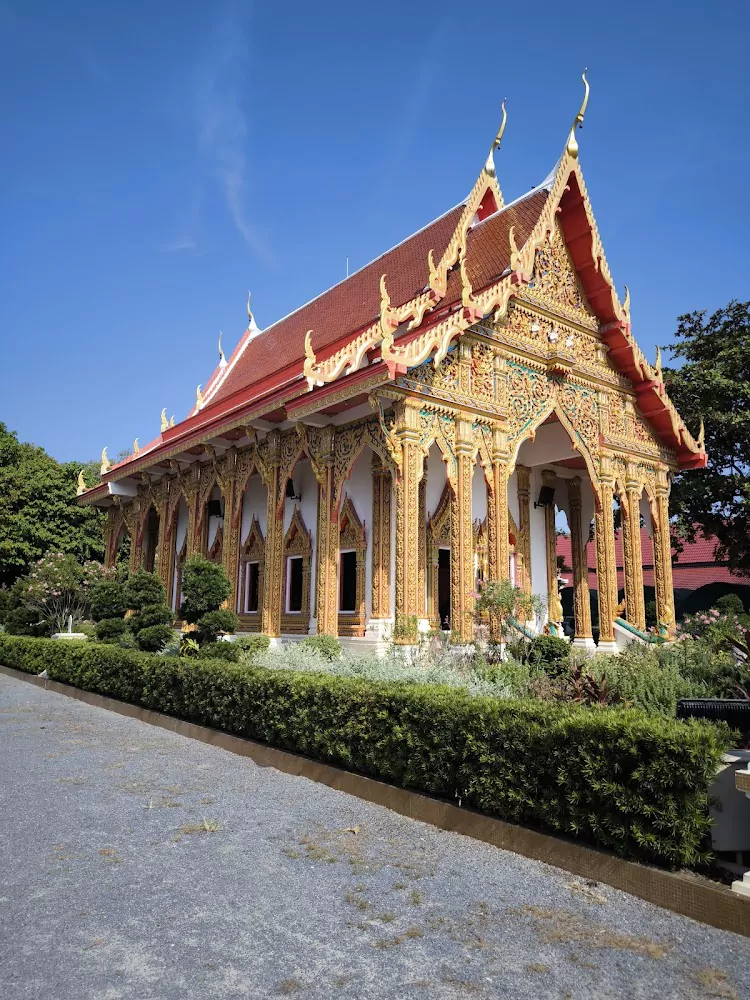
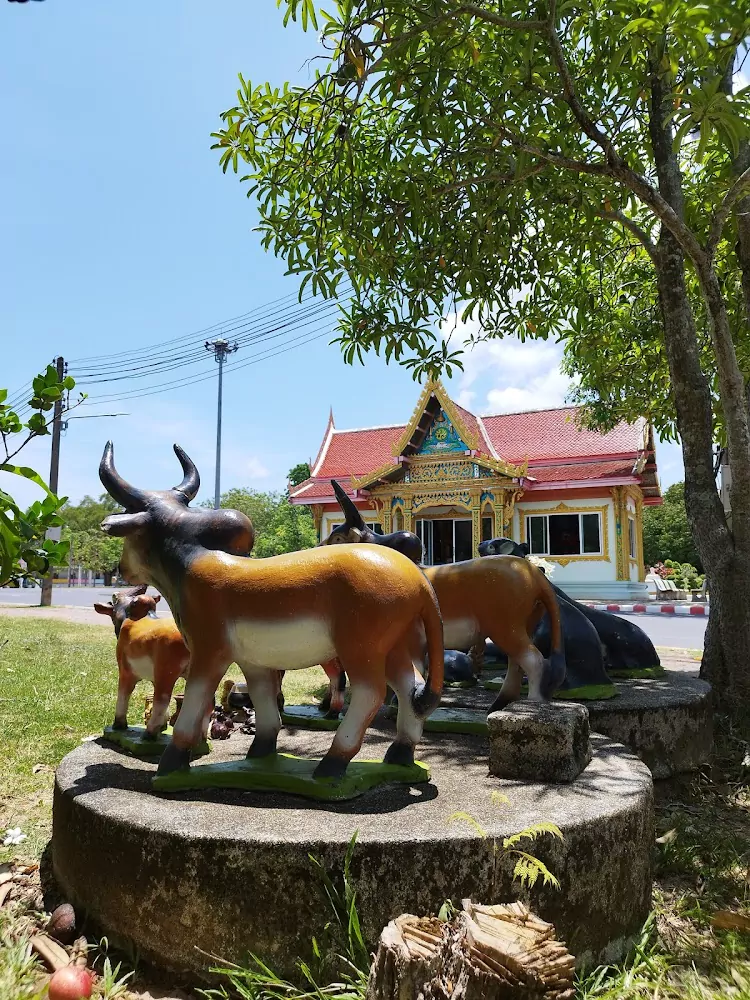
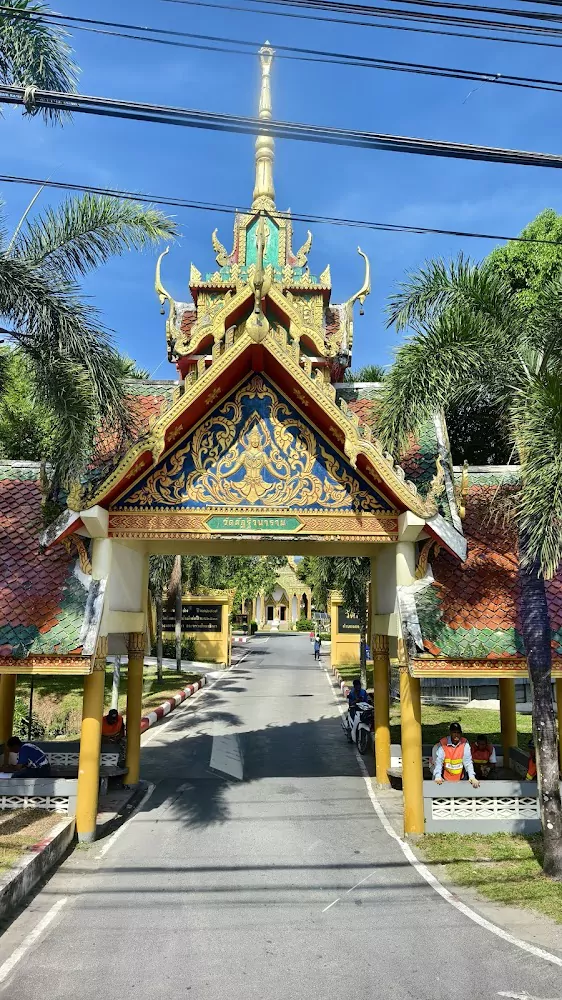
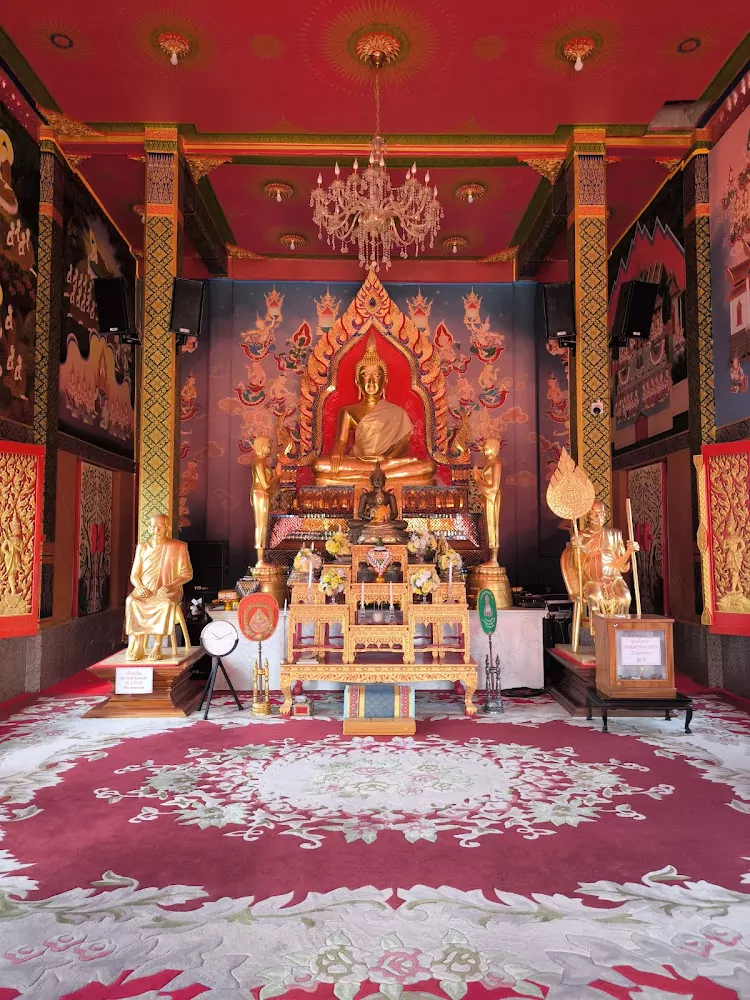
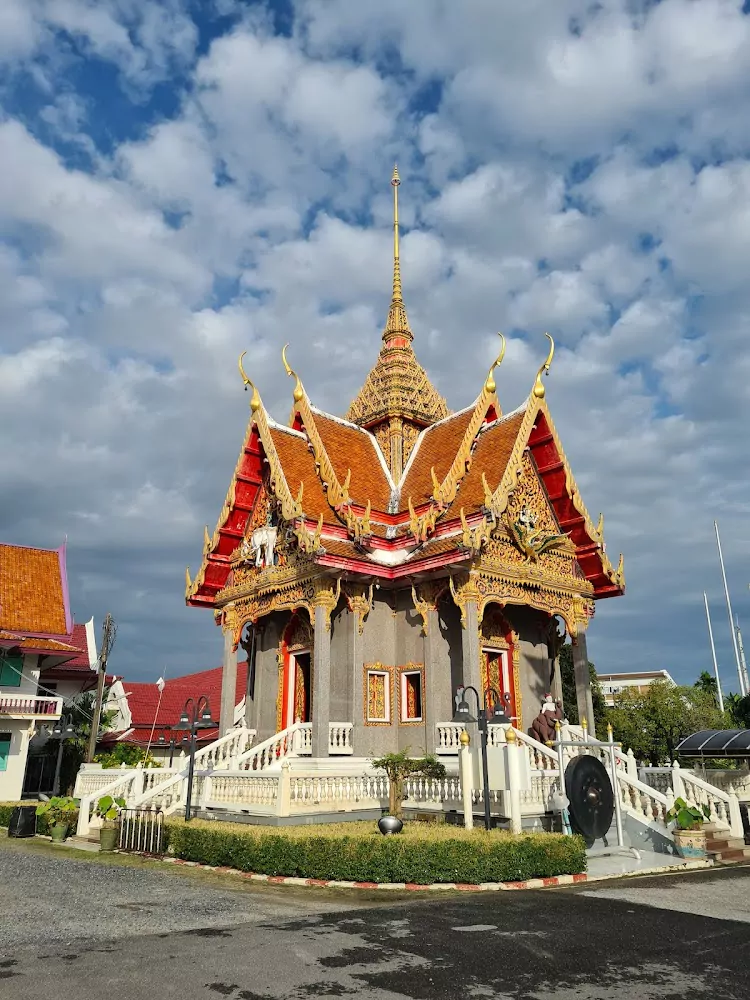
A lesser-known temple that tourists rarely reach. It is places like this that often offer the warmest and most genuine experiences. Here, sai sin threads are tied without formalities, and the blessing feels like a personal conversation rather than a ceremony.
Wat Khao Rang
Geo on Google Maps (Ratsada)
Working hours: Mon - Sun: 06:30 - 17:00
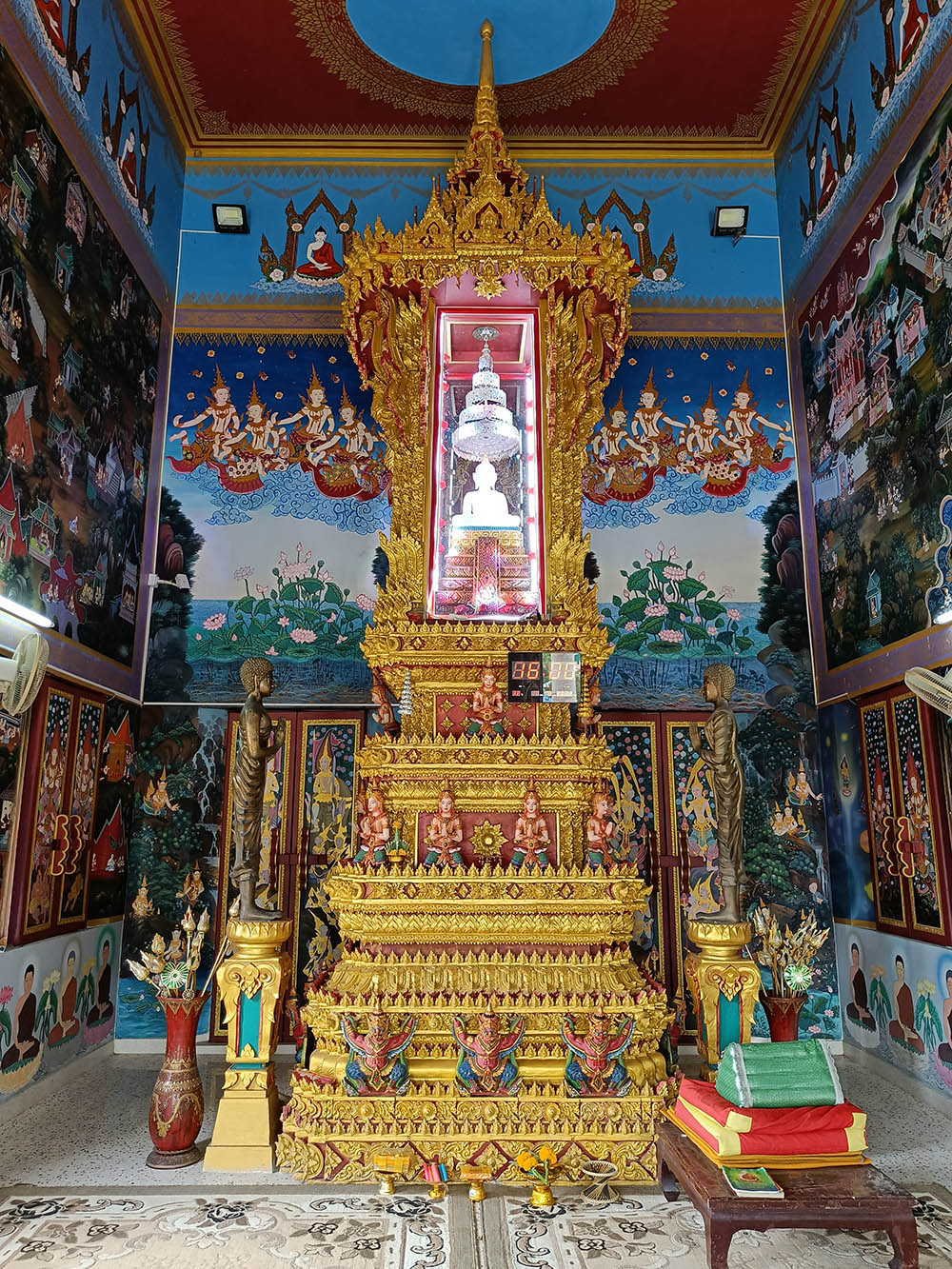
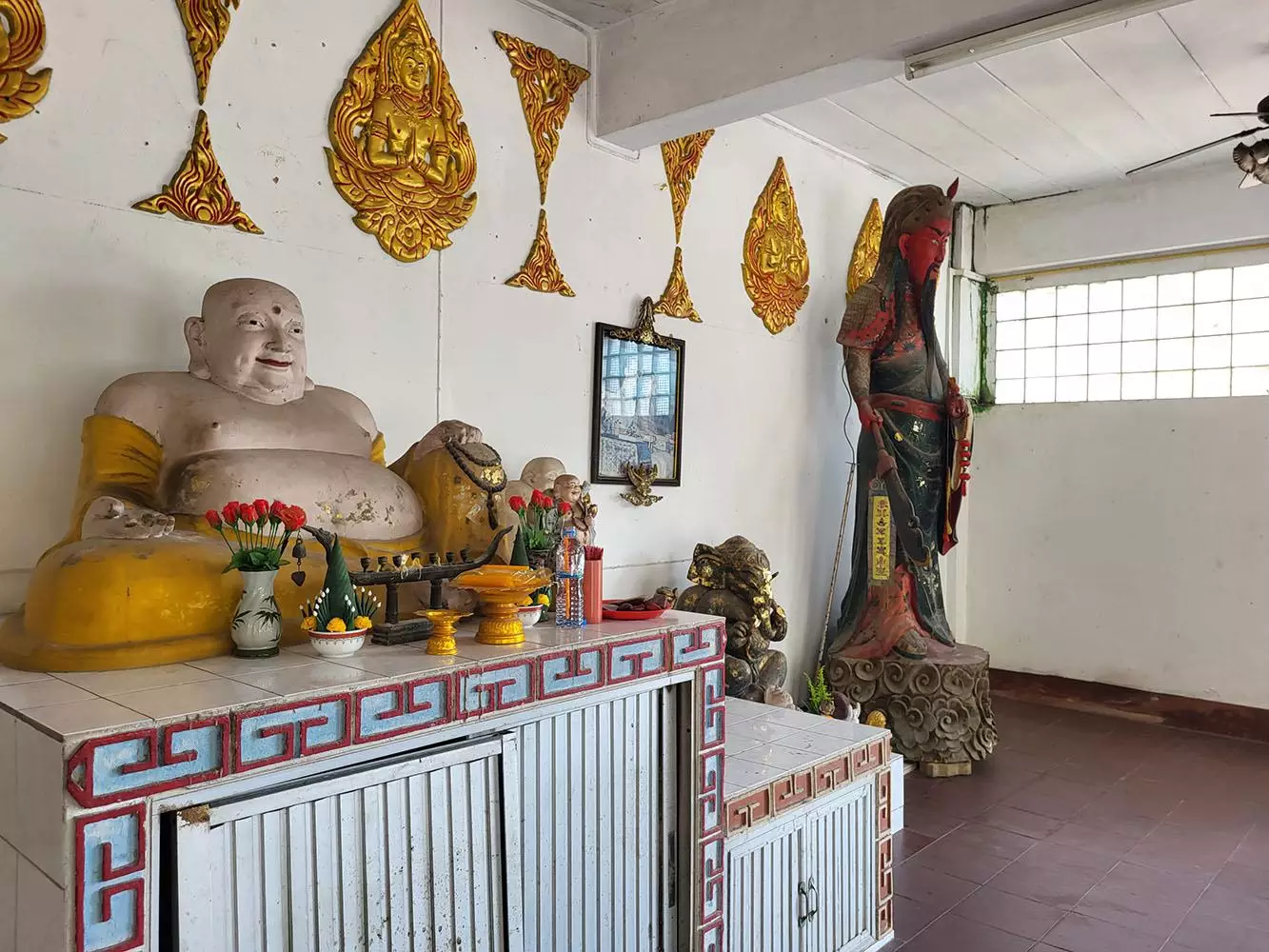
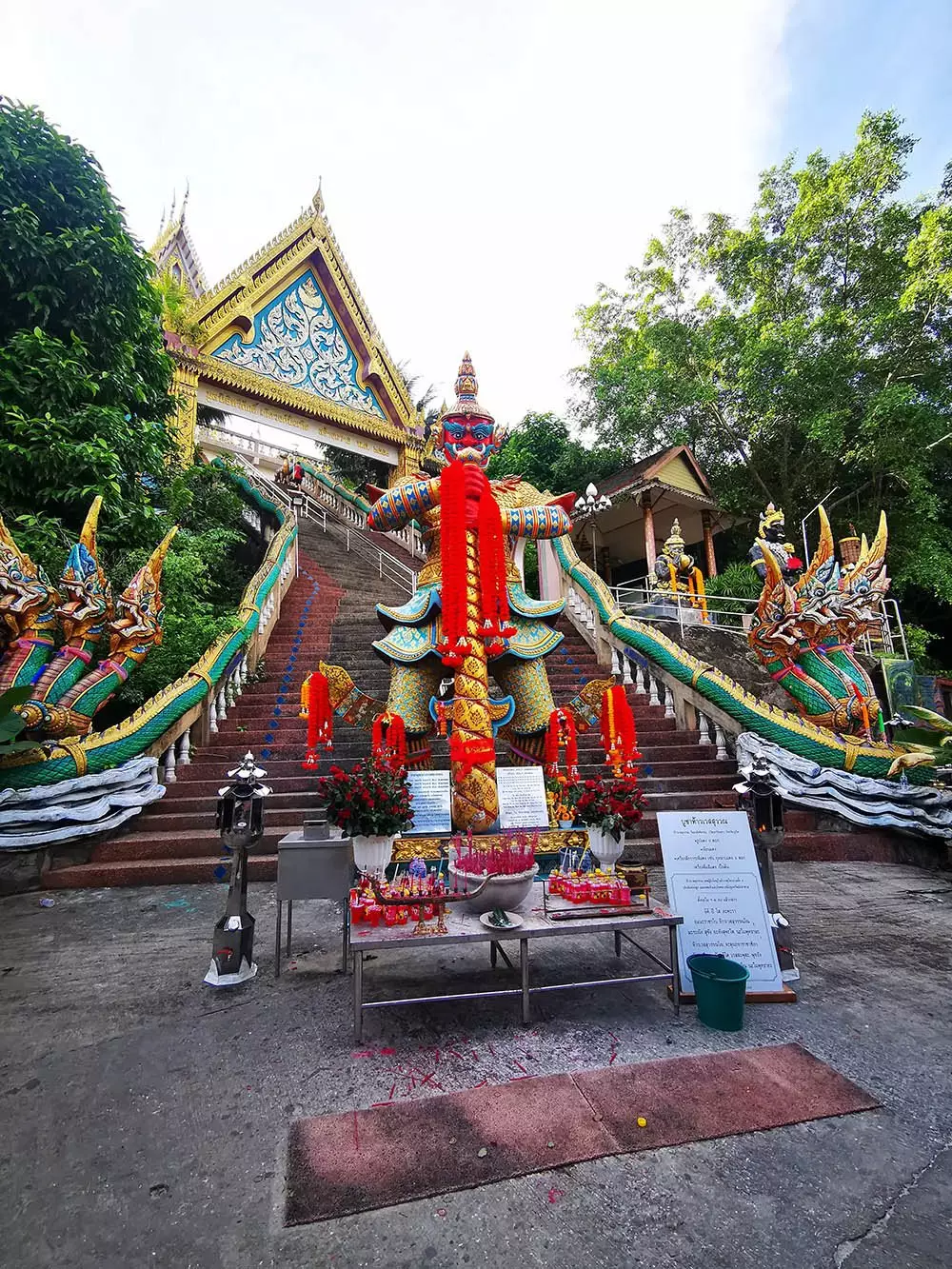
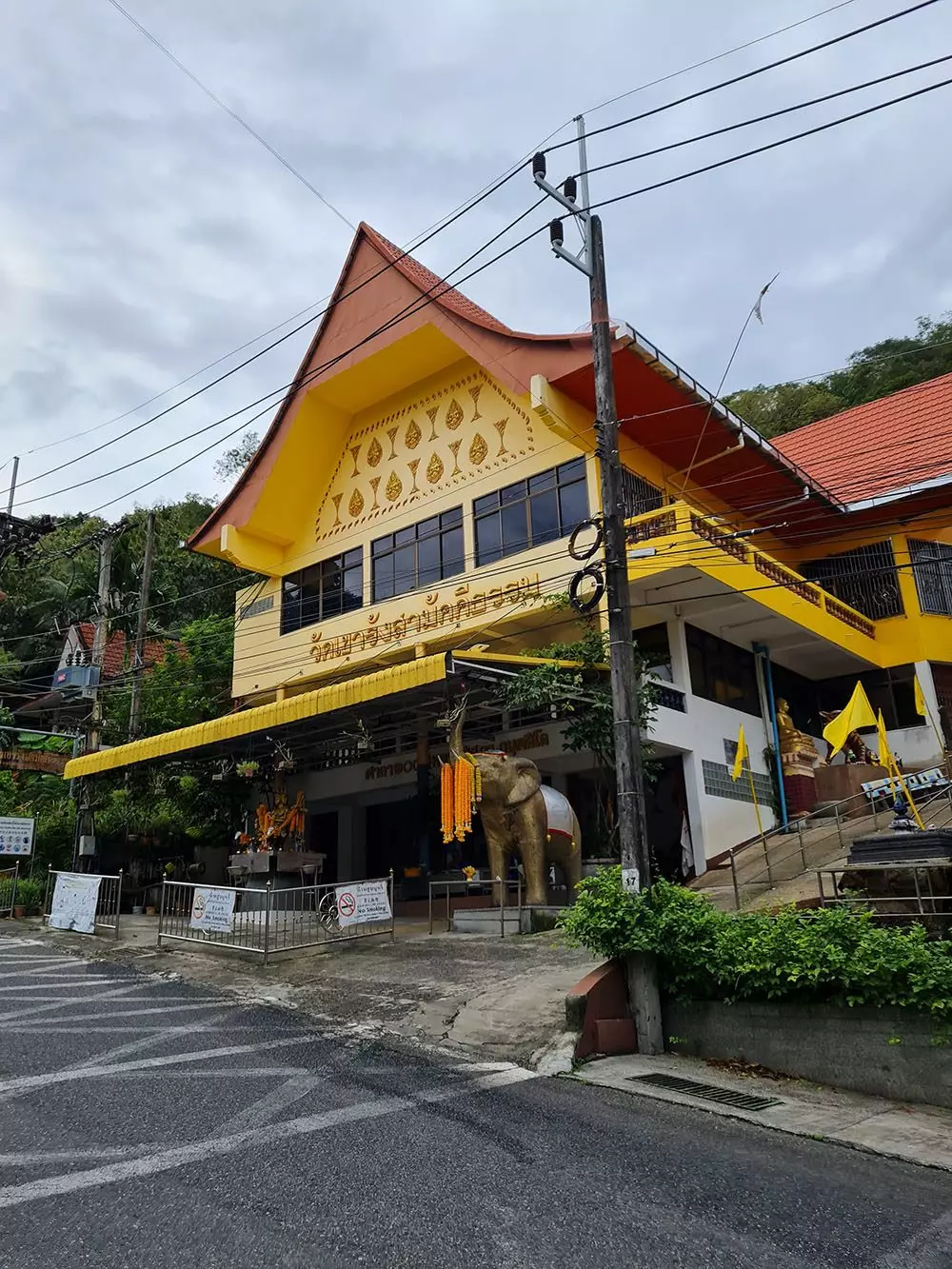
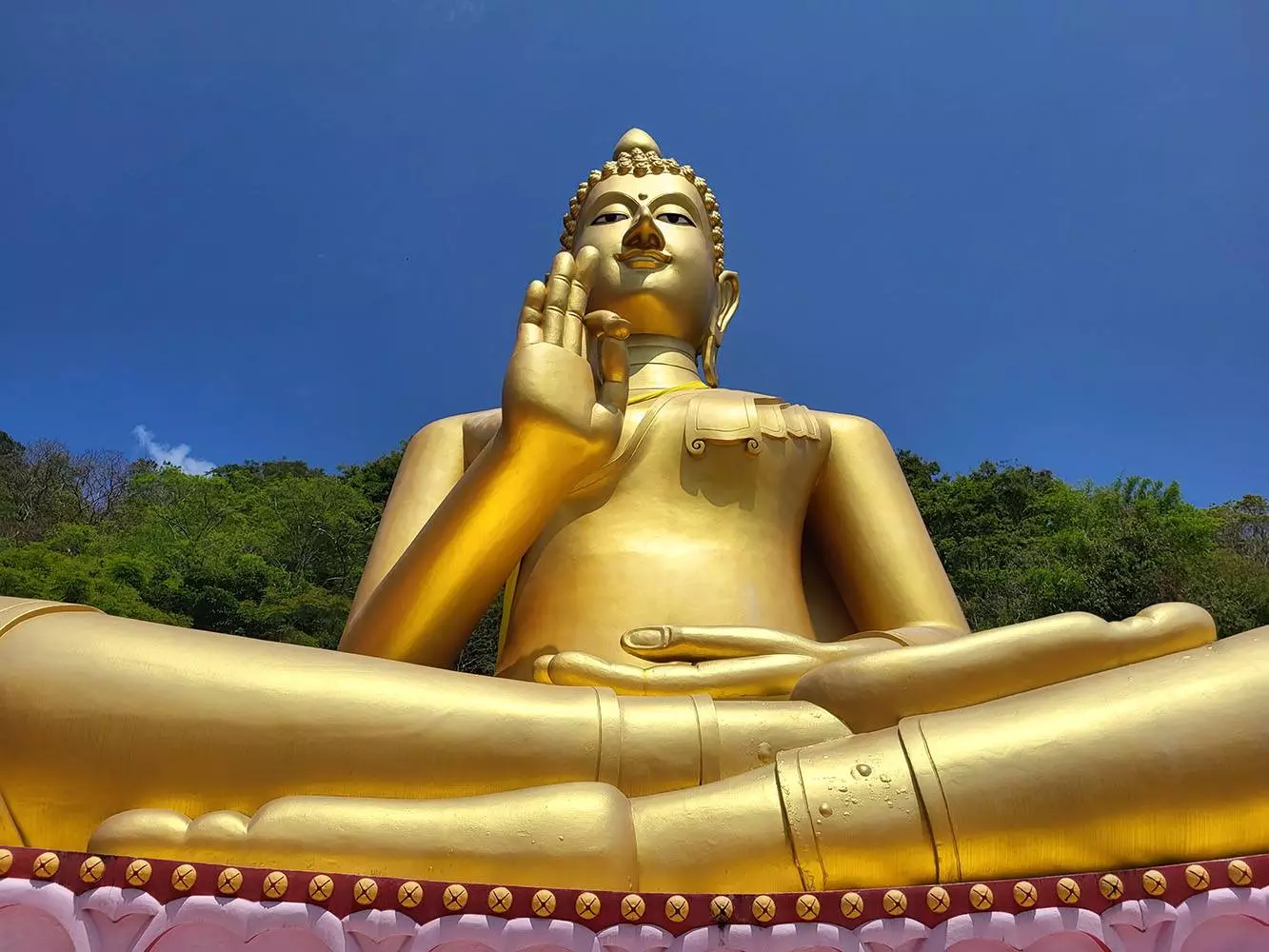
A temple on a hill with a beautiful view of Phuket city. The large golden Buddha statue, spacious grounds, and peaceful atmosphere make this place especially enjoyable to visit. You can come here at different times of the day, and blessings from the monks are often available without a long wait.
Tip: Don’t overlook small neighborhood temples – sometimes the most powerful experiences happen in a little temple next to a market or school. They may not speak English, but that’s not a problem. Gestures, a smile, and respect work better than words.
How a Sai Sin Blessing Takes Place
Usually, everything happens very simply and calmly – without any show or pomp. You come to the temple, take off your shoes, sit on the floor (or on a bench if there is one), and place your hands together in the wai gesture. If a monk is nearby and the moment is appropriate (he is not eating or talking to someone else), a smile and a gesture of respect are enough – that alone is enough for you to be understood.
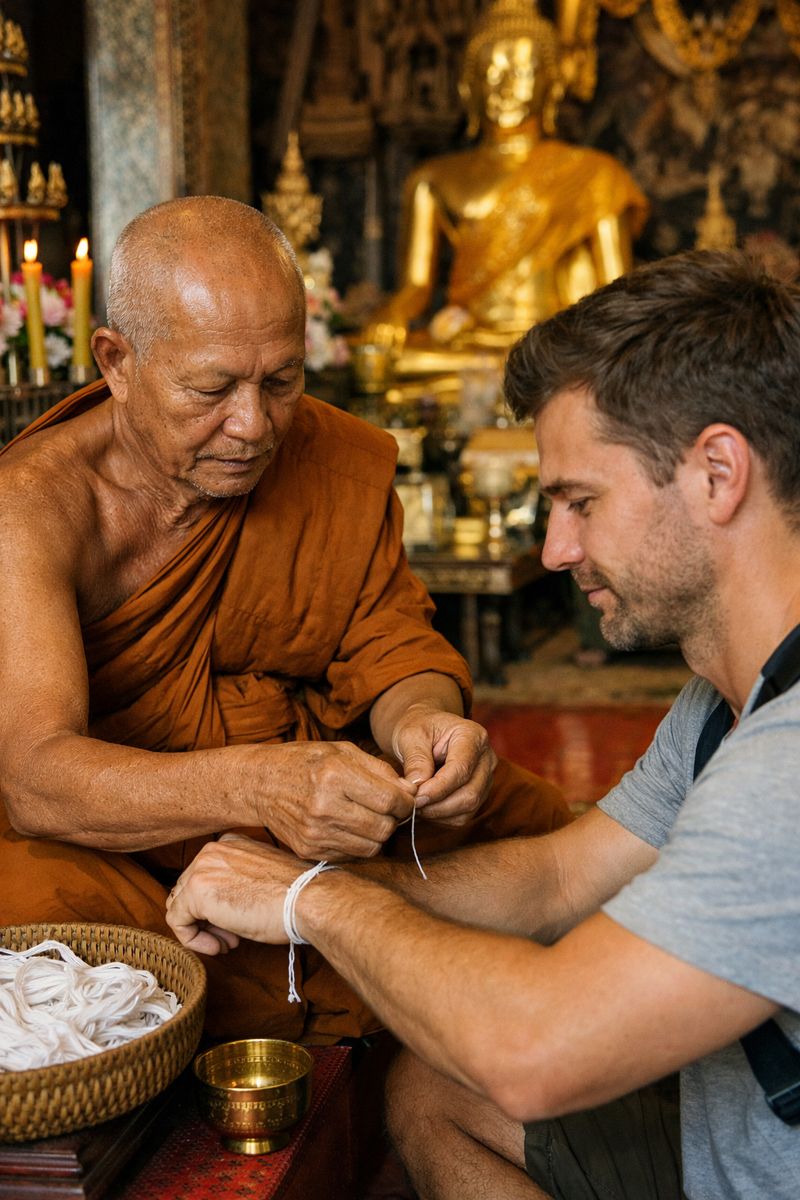
If you want to express your request in words, you can say it very simply, without long explanations: “Blessing, please,” “Can I have a blessing?” or “Sai sin, please.” These phrases are absolutely enough. Monks in Phuket are used to tourists and understand perfectly why someone has come, even if they say just one word. Then the monk ties a white thread around your wrist, making a knot. Sometimes he may ask your name or quietly say something while doing so.
Important: Only the monk ties the knot, and it is not customary to remove the sai sin immediately – it is believed that the thread should wear out or break on its own. When that happens doesn’t matter. For some, it takes a few days; for others, several months.
As a rule, sai sin is tied on the left wrist – the side associated with the heart and inner state. Sometimes it is tied on the right wrist as well, if the blessing is connected with work, affairs, or external events.
If you are unsure, just trust the monk. In Thai culture, there are no strict rules for tying sai sin.
Do you need to pay for sai sin? Formally, no, because the blessing is not for sale. But you can make a donation (20–100 baht or whatever feels comfortable) and place the money in the temple’s donation box.
Sai sin is not a souvenir. Even if you treat it more as a cultural experience, it is important to show respect. Remember the proper dress code and behavior in temples:
- Clothing: shoulders and knees must be covered
- Behavior: quiet, respectful, no loud talking
- Photos: do not photograph monks without permission
- Alcohol: do not enter the temple if you have been drinking
We covered the rules of conduct in Buddhist temples in more detail in the article Etiquette in Buddhist Temples of Thailand.
You will probably also be interested in the sections: