
Phuket Fish Guide: What to Buy, How to Cook, and Where to Try It
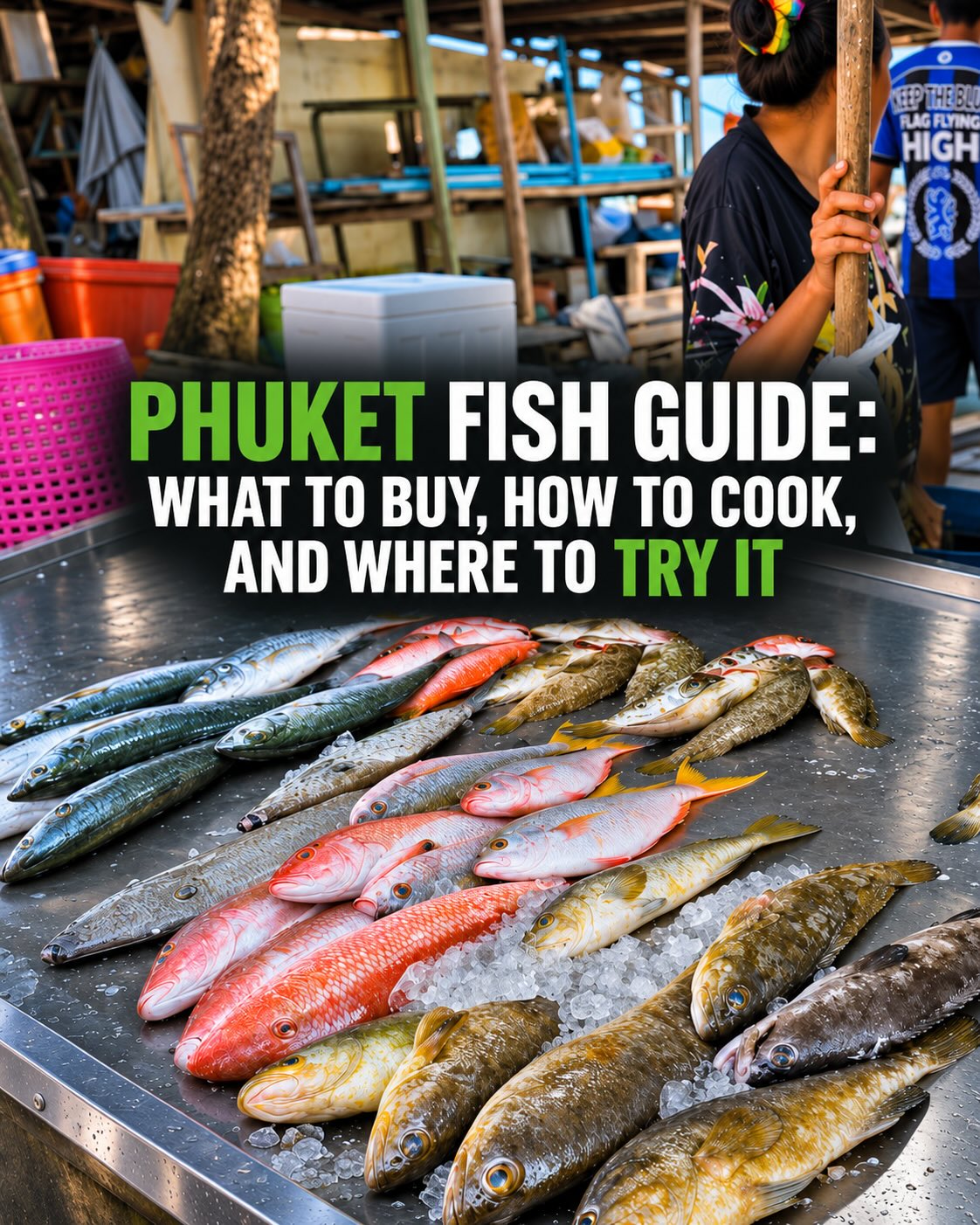
The waters of the Andaman Sea are home to an incredible variety of fish, making it one of the world’s richest regions in terms of marine biodiversity. According to studies of Thailand’s marine fauna, the Andaman Sea is home to around 1,000–1,200 species of fish. If you’re looking to reel in a prized catch, sea fishing is the perfect choice.
We’ve selected the three best tour companies that offer deep-sea fishing tours. Fill out the form, and we’ll forward your request — they’ll contact you to provide details on the terms and pricing.
It’s no wonder Phuket has a whole culinary culture built around fish. Markets and restaurants offer dozens of varieties, but as a visitor, it can be hard to tell which are more tender, which are oilier, which are best for grilling, and which make good fish steaks. We’ve put together a detailed guide to Phuket’s main fish species to help you choose.
Grouper
Grouper is one of the most popular fish in Thailand. It’s a favorite for the kind of dinner you’d expect at a top restaurant, and it’s easy to see why. The flesh is tender and slightly sweet, and best of all, it has almost no fishy smell.
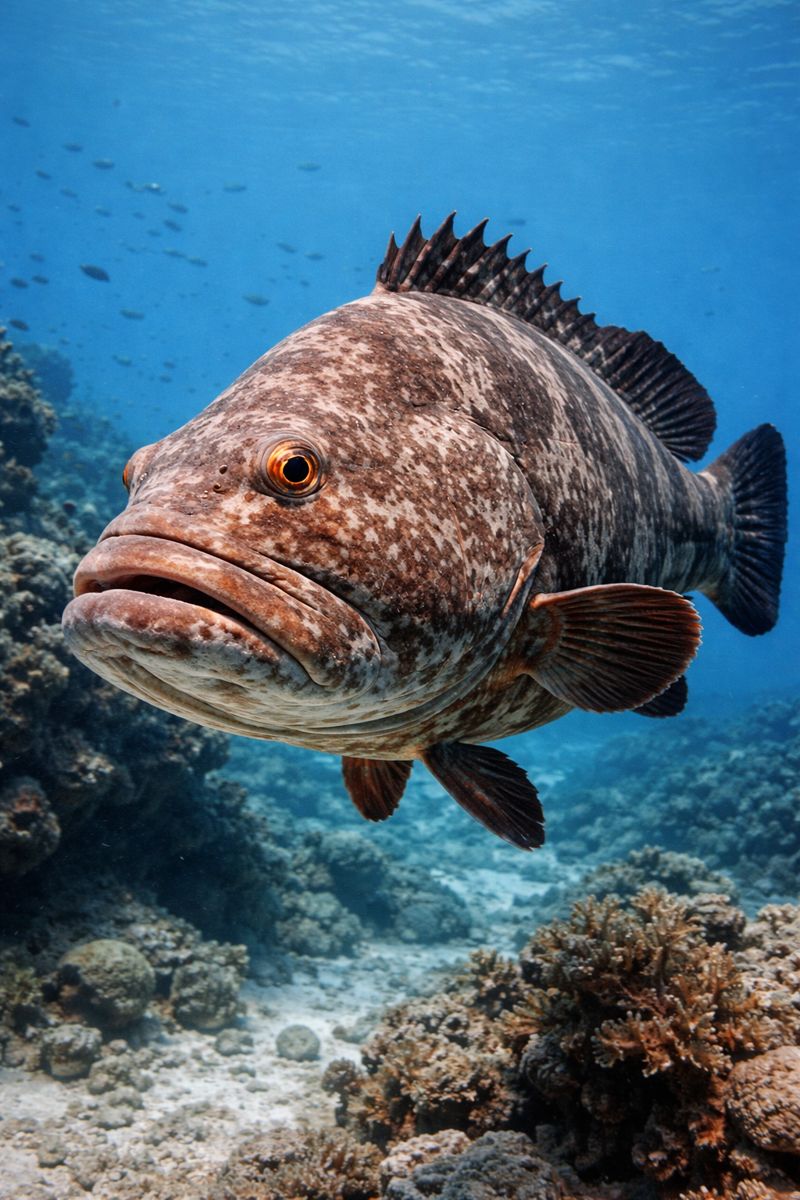
Groupers live around coral reefs and rocky seabeds. They are ambush predators, hiding among rocks and reefs while waiting for their prey. This reef-dwelling lifestyle gives their flesh a particularly firm texture and clean flavor.
How to cook:
- steamed with lime, garlic and chili
- baked whole
- grilled
Snapper
Red snapper is one of the most recognizable fish in Phuket. It is also a reef-dwelling fish found in warm tropical waters.
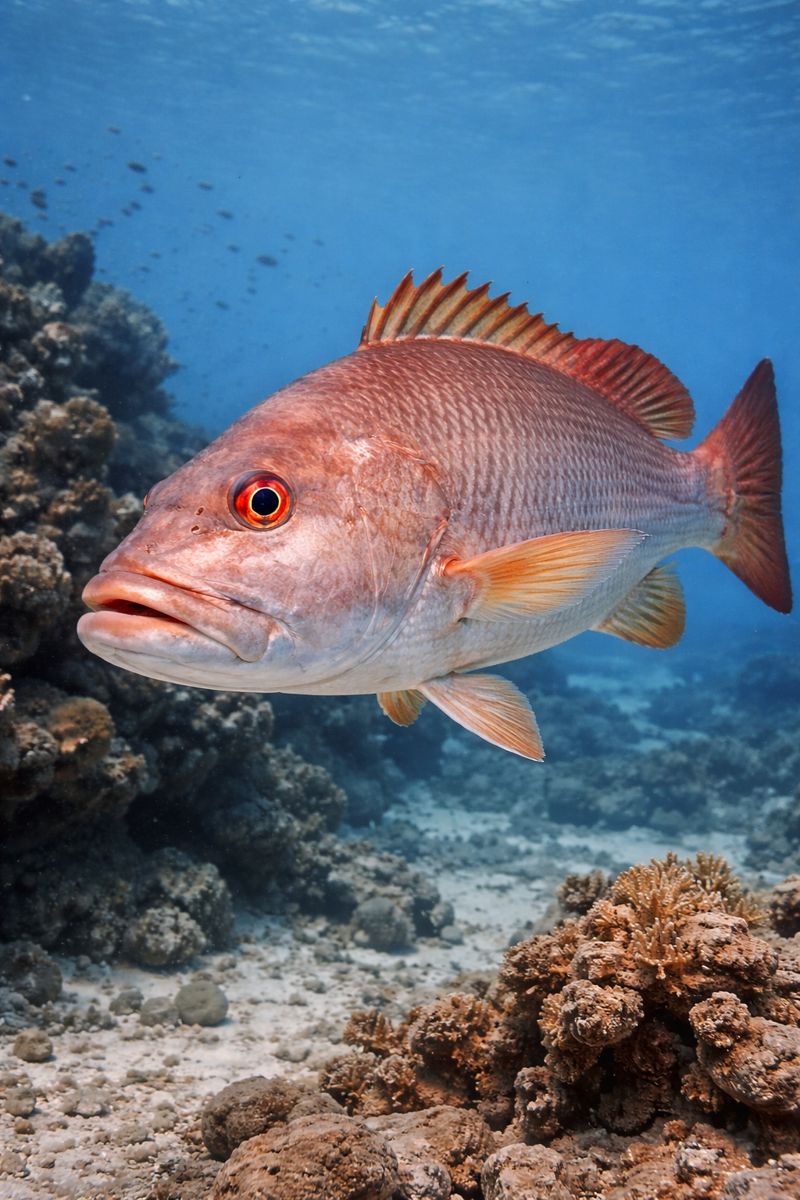
Snapper has an even more pronounced flavor than grouper, with fattier, richer flesh. Its texture is juicy and holds its shape well when cooked.
Snapper is considered one of the most versatile fish: it’s delicious fried, steamed or grilled. It’s particularly good when cooked over charcoal, which gives the skin a wonderful aroma.
How to cook:
- deep-fried whole
- grilled
- served with spicy sauce
GT (Giant Trevally)
Giant trevally is a trophy fish popular among anglers. In restaurants, it is prized for its bold flavor and is also perfect for fish steaks.
GT is a true star of sport fishing in Thailand: powerful, aggressive and incredibly resilient. Catching one is a real stroke of luck.
GT inhabits open coastal waters, reefs and lagoons. Rather than lying in wait, this fish is an active predator. The most distinctive feature of GT is its strength. Even a relatively small specimen can put up a serious fight on the line, while larger ones are considered among the most challenging trophies in tropical waters.
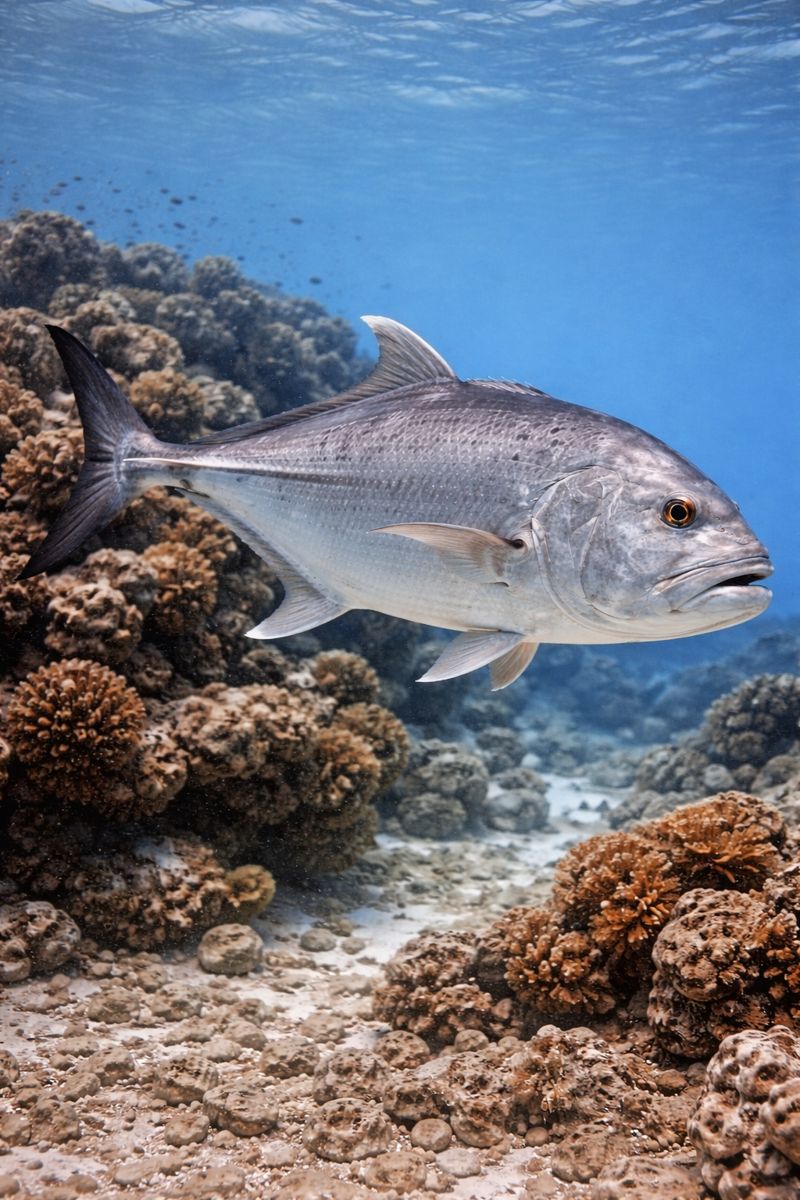
Giant trevally is impressive in size: it typically weighs 10–30 kg, but adults can grow up to 1.5 meters in length and weigh 50–80 kg. Its flesh has a rich, distinctly oceanic flavor and a very firm texture, making it ideal for steaks.
How to cook:
- grilled steaks
- baked in a salt crust
- with minimal seasoning
Sailfish
Sailfish is a true oceanic fish. It lives far from the shore and is one of the fastest fish in the world. Sailfish is easily recognizable by its enormous sail-like dorsal fin, which spreads out during hunting or sudden bursts of speed.
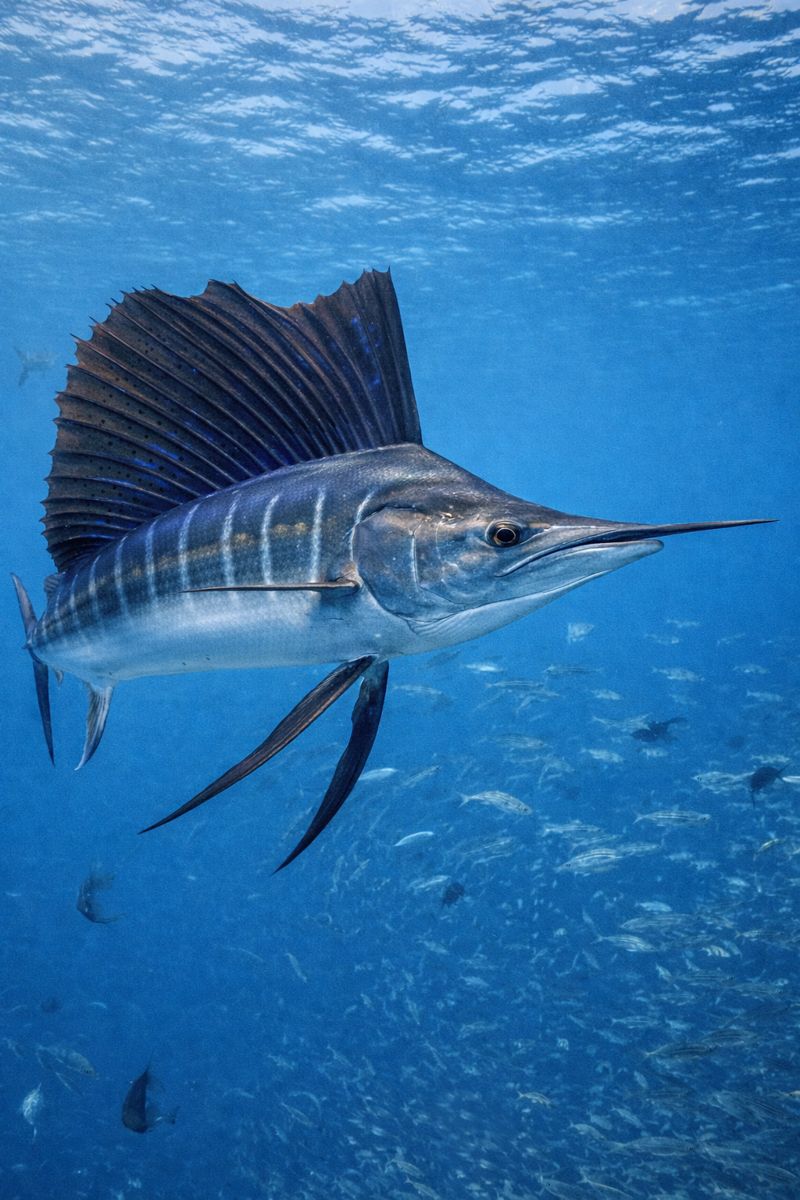
This fish is impressive in size, typically reaching 2–3 meters in length and weighing around 30–60 kg, although some specimens can be larger. Sailfish tastes somewhat like tuna but is milder and more tender. Its texture is firm without being dry.
How to cook:
- quick searing (avoid overcooking)
- grilled to medium
- smoked
Marlin
Marlins are true giants of the ocean and stars of sport fishing. Their most distinctive features are their power and speed. Thanks to their streamlined bodies and characteristic spear-like bills, they can reach speeds of up to 90 km/h and make spectacular leaps out of the water when fighting on the line.
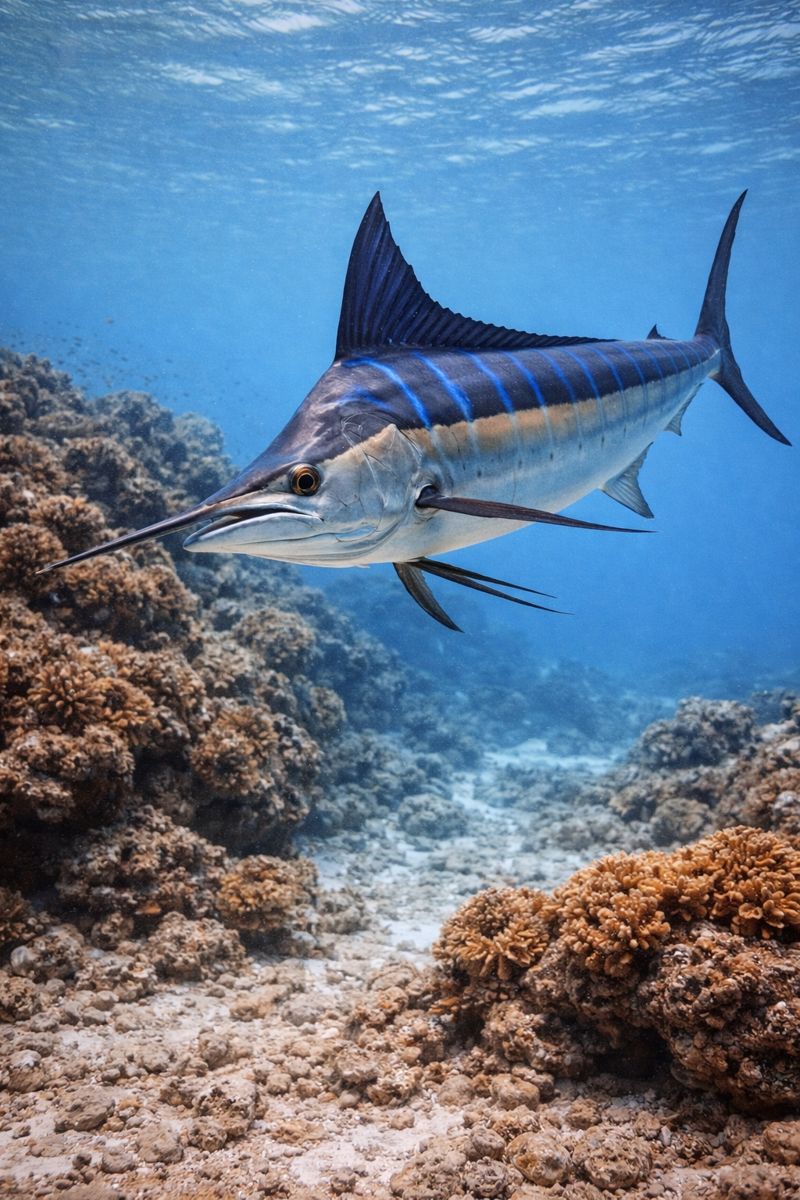
Blue marlin weighs between 180 and 360 kg, with the largest specimens reaching 450–500 kg. Record-breaking black marlin have weighed over 800 kg, while white marlin is smaller, reaching a maximum weight of 80–90 kg.
Restaurants typically use marlin weighing 20–50 kg, as larger specimens are often reserved for sport fishing or freezing.
This fish has a distinctive, rich flavor reminiscent of tuna, but it is slightly oilier.
How to cook:
- charcoal-grilled steaks
- smoked
- served as sashimi
Cobia
Cobia is less familiar to tourists but is highly prized in Asia. It is often found near reefs and even around large objects at sea, such as buoys and boats.
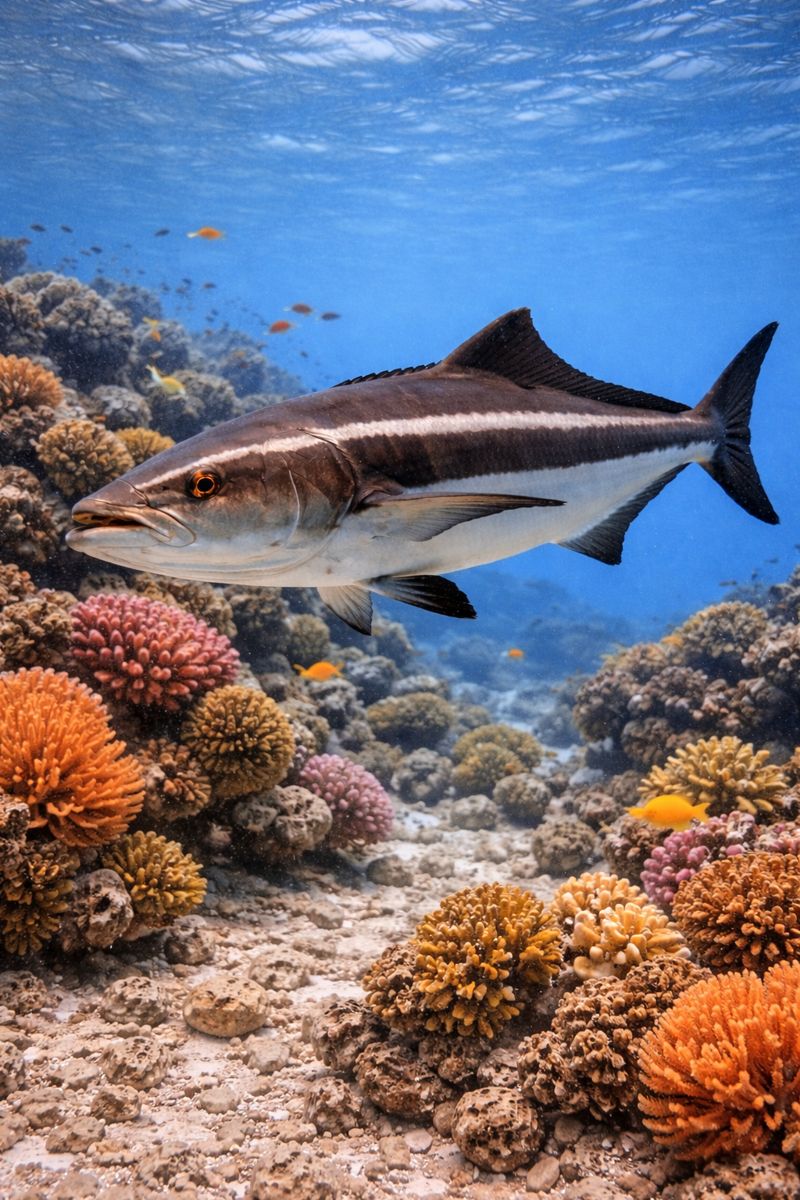
The most distinctive features of cobia are its rapid growth and impressive size. Adults can reach 1.5–2 meters in lengthand weigh around 20–50 kg, sometimes even more.
In the culinary world, cobia is a real gem. Its flesh is white, firm, yet very juicy and oilier than sea bass. In terms of texture and flavor, cobia is often compared to high-quality swordfish or even salmon, but with a tropical twist.
Good to know: cobia absorbs marinades particularly well, especially lime, garlic and soy sauce.
How to cook:
- grilled steaks
- baking
- Thai soups and curries
King mackerel
King mackerel is undoubtedly one of the tastiest and oiliest fish in Thailand. Its flavor is rich and distinctive, similar to regular mackerel but more refined.
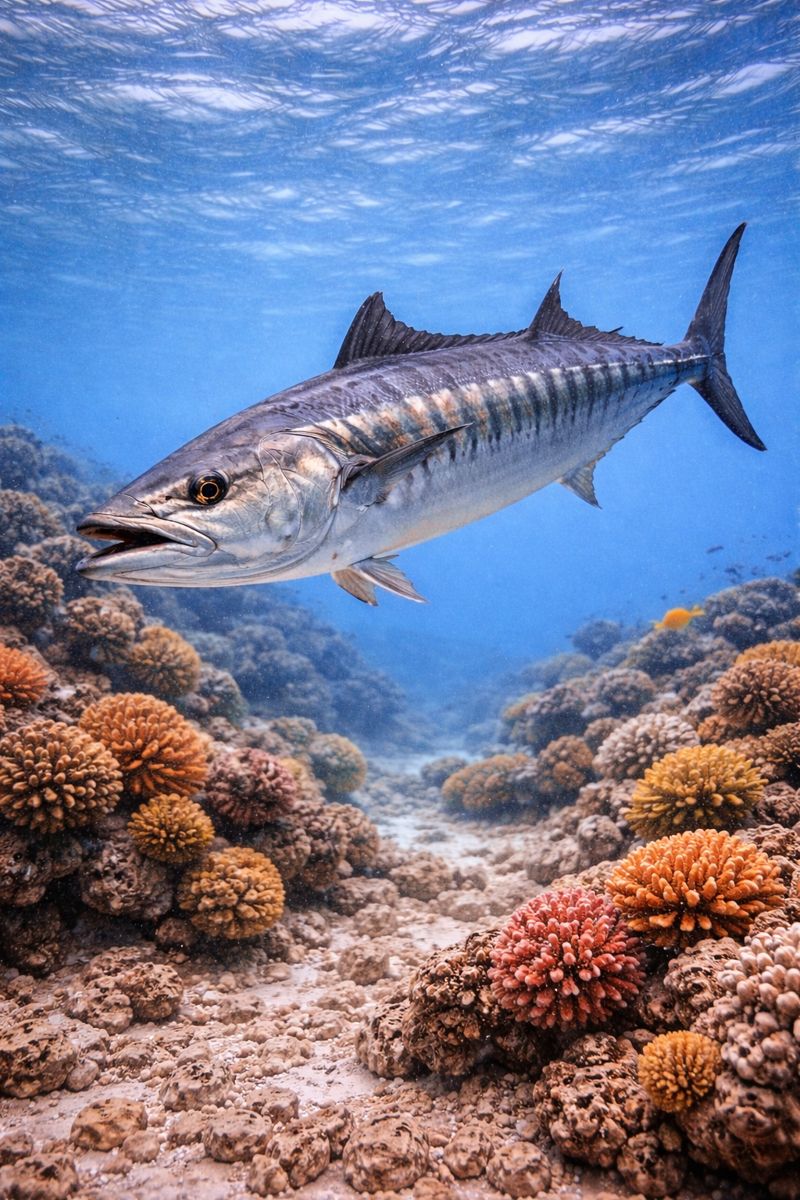
This fish belongs to the mackerel family and prefers open coastal waters, staying at depth and actively migrating along the coastline in pursuit of schools of smaller fish.
The main distinguishing features of king mackerel are its speed and predatory nature. This powerful, fast-swimming fish is highly prized in both commercial and sport fishing.
King mackerel is impressive in size: it typically weighs 5–15 kg, but larger specimens can reach 1.5–2 meters in lengthand weigh over 30–40 kg.
How to cook:
- grilled
- in red curry
- fried in pieces
Important: mackerel must be very fresh, otherwise its flavor becomes overpowering.
Barracuda
Barracuda often attracts tourists’ attention because of its name, but it is actually an edible and popular fish. Barracudas inhabit reefs and coastal lagoons, sometimes swimming very close to beaches.
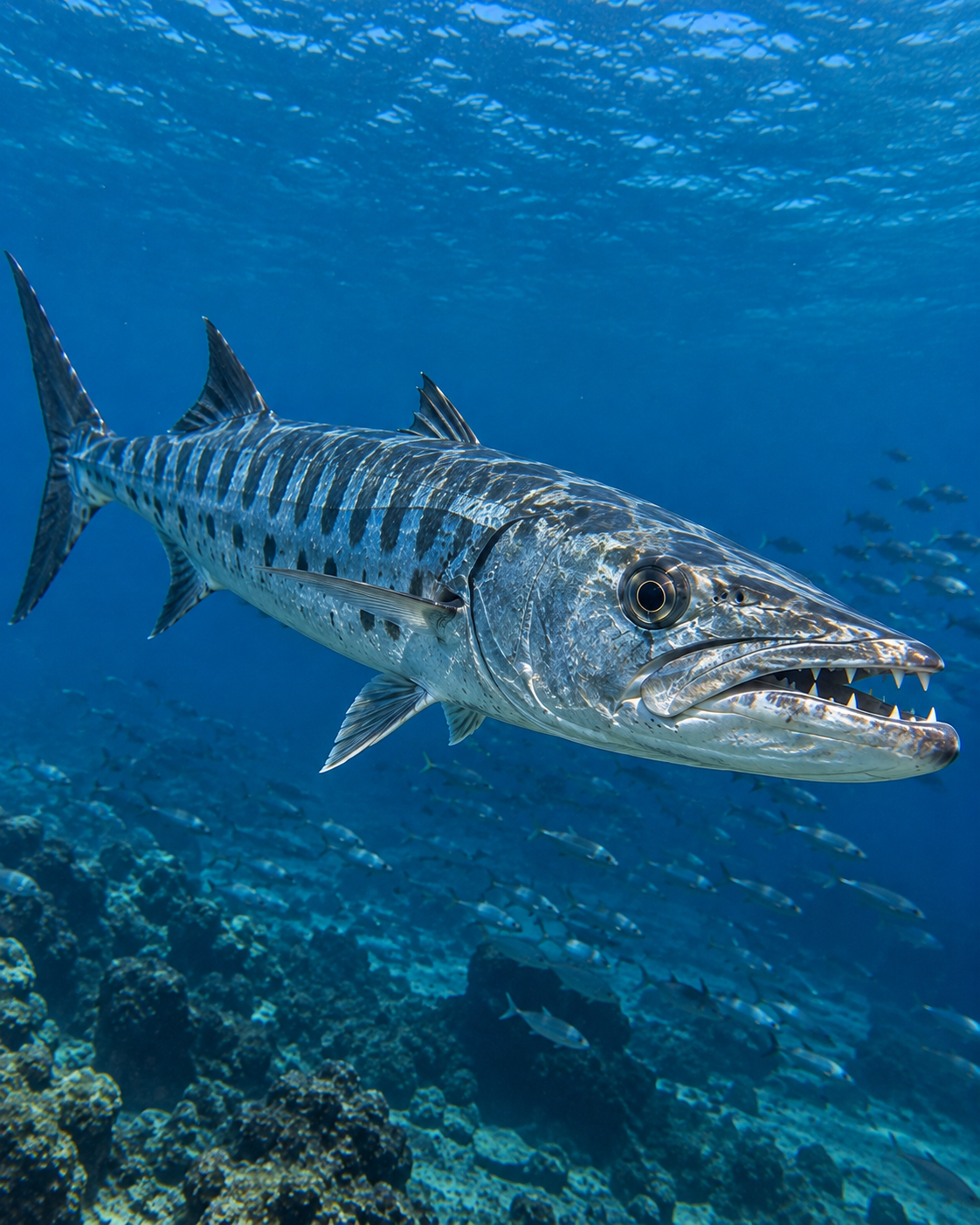
Barracuda has a reputation as a fierce predator: an elongated body, sharp teeth and lightning-fast attacks. Its size varies depending on the species: in the Andaman Sea, barracudas typically reach 1–1.5 meters in length, but large specimens can grow up to 2 meters and weigh 20–30 kg.
Despite its intimidating appearance, barracuda has delicious, firm flesh and is especially tasty when grilled. It has a distinct ocean flavor, slightly stronger than that of snapper.
How to cook:
- grilled steaks
- fish cakes (Thai-style fish patties)
Barracuda is especially good with spices and sauces, as its flesh can be slightly dry on its own.
Tuna
Tuna is an open-ocean fish. It is caught in the deep waters of the Indian Ocean, far from the shore. Yellowfin tuna and skipjack tuna are the most common species found in the waters around Phuket.
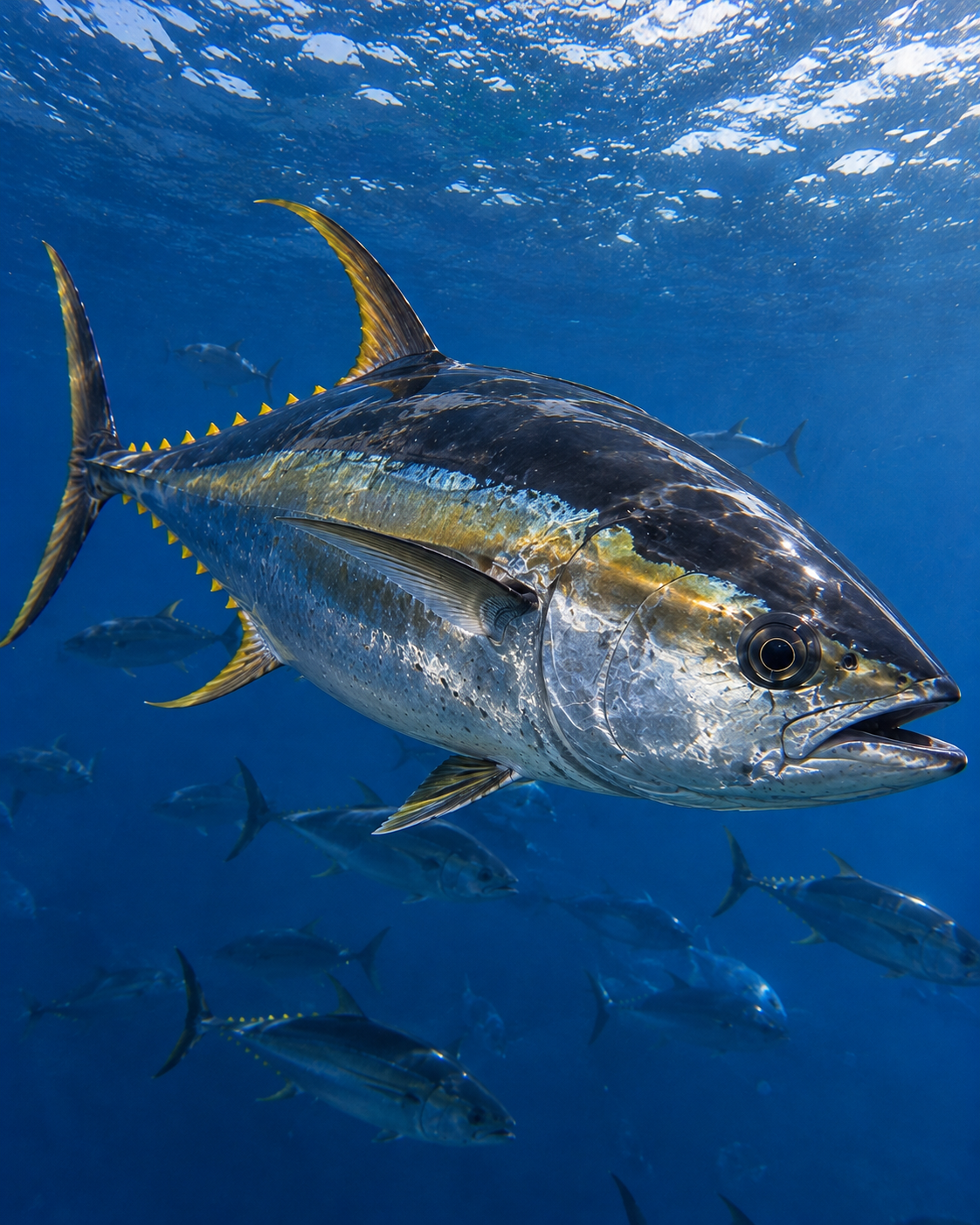
Tuna is a fast-swimming pelagic fish that inhabits the open sea rather than coastal waters and is constantly on the move. This is why its flesh is firm, rich in flavor and high in protein.
Tuna is a true giant: yellowfin tuna can grow up to 2 meters in length and weigh over 150 kg, although restaurants in Phuket usually serve younger fish.
In the culinary world, tuna is prized for its versatility: it is served as sashimi, grilled steaks, tartare and salads. The most expensive cuts are the loin and fatty belly.
How to cook:
- rare or medium steaks
- sashimi
- salads and poke bowls
Sea bass
Sea bass, also known as Asian sea bass, is one of the most popular fish in Thai restaurants. In Phuket, it is often served grilled whole or steamed with lime and garlic.
Sea bass prefers coastal waters, lagoons and river estuaries, making it easier to catch near islands and along the mainland coast.
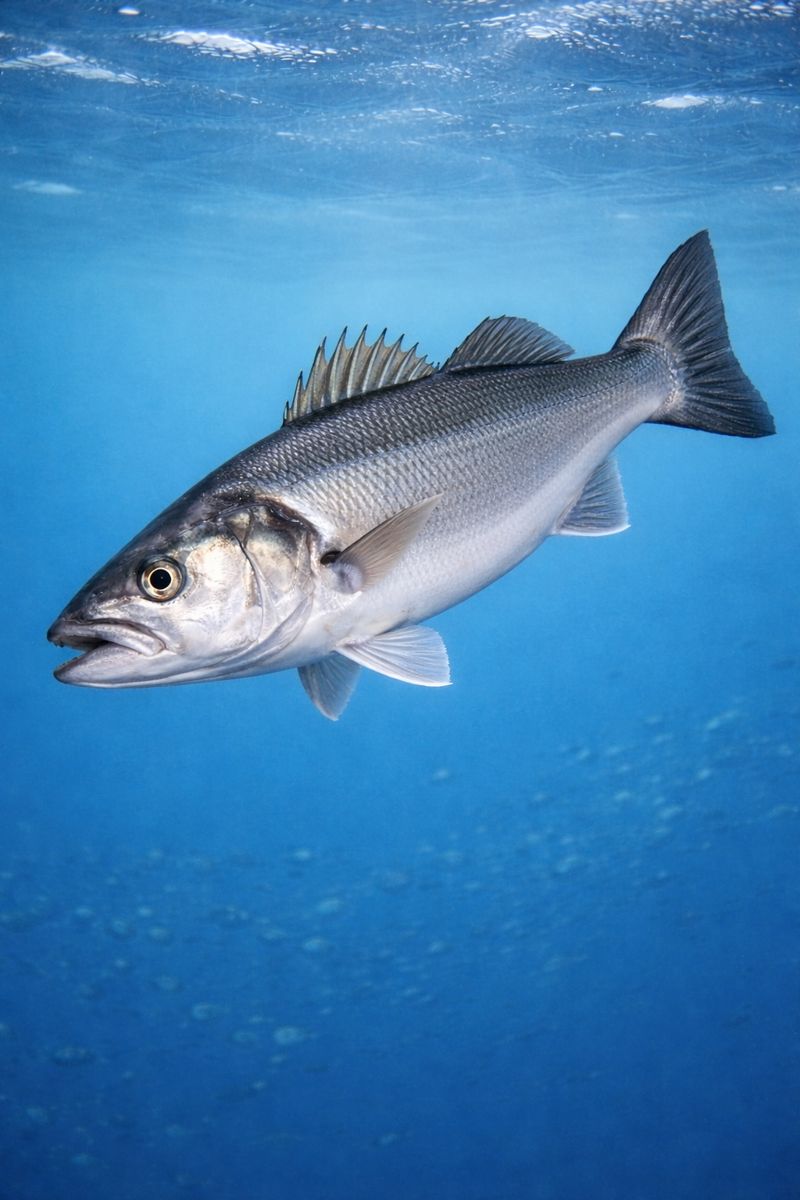
The average size of fish served in restaurants is 1–3 kg, making it ideal for serving whole. Sea bass has tender flesh without a strong fishy smell, which makes it popular even among those who are not particularly fond of seafood.
How to cook:
- steamed with lime and chili
- fried whole with garlic
- baked
Mahi-mahi or Dorado
Mahi-mahi is one of the most beautiful and recognizable fish found in the waters around Phuket. On English-language menus, it is sometimes called dorado (not to be confused with Mediterranean sea bream).
It is an oceanic fish that inhabits the warm, open waters of the Andaman Sea. Mahi-mahi prefers to stay near the surface and is often found around floating objects and reefs, where it hunts small fish and squid.
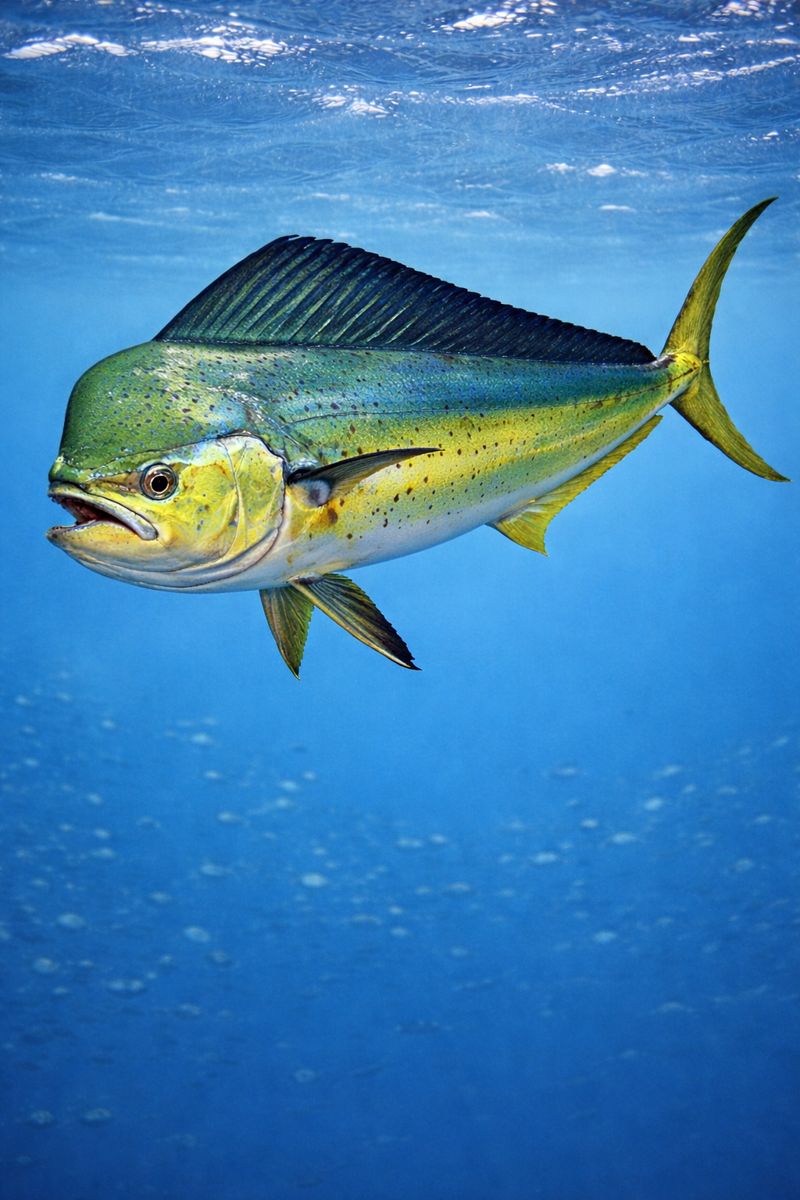
The most distinctive feature of mahi-mahi is its vibrant coloration: when alive, it shimmers in shades of green, gold and blue. This is why it is sometimes called the “tropical neon fish.” However, its colors fade quickly after being caught.
Mahi-mahi is impressive in size, typically measuring 1–1.5 meters in length and weighing around 10–15 kg, although larger specimens can weigh considerably more.
In the culinary world, mahi-mahi is prized for its tender, juicy flesh with a slightly sweet flavor. It is firmer than sea bass but softer than tuna, making it ideal for grilled steaks, baking and Thai curries.
How to cook:
- grilled fillets
- in a lime marinade
- in light soups
Wahoo
Wahoo is considered a delicacy. If you spot it at a market, it’s your lucky day. It is actually one of the most underrated fish found in the waters of the Andaman Sea off the coast of Phuket. This oceanic predator belongs to the mackerel family and is a close relative of king mackerel, but is much rarer at regular fish markets.
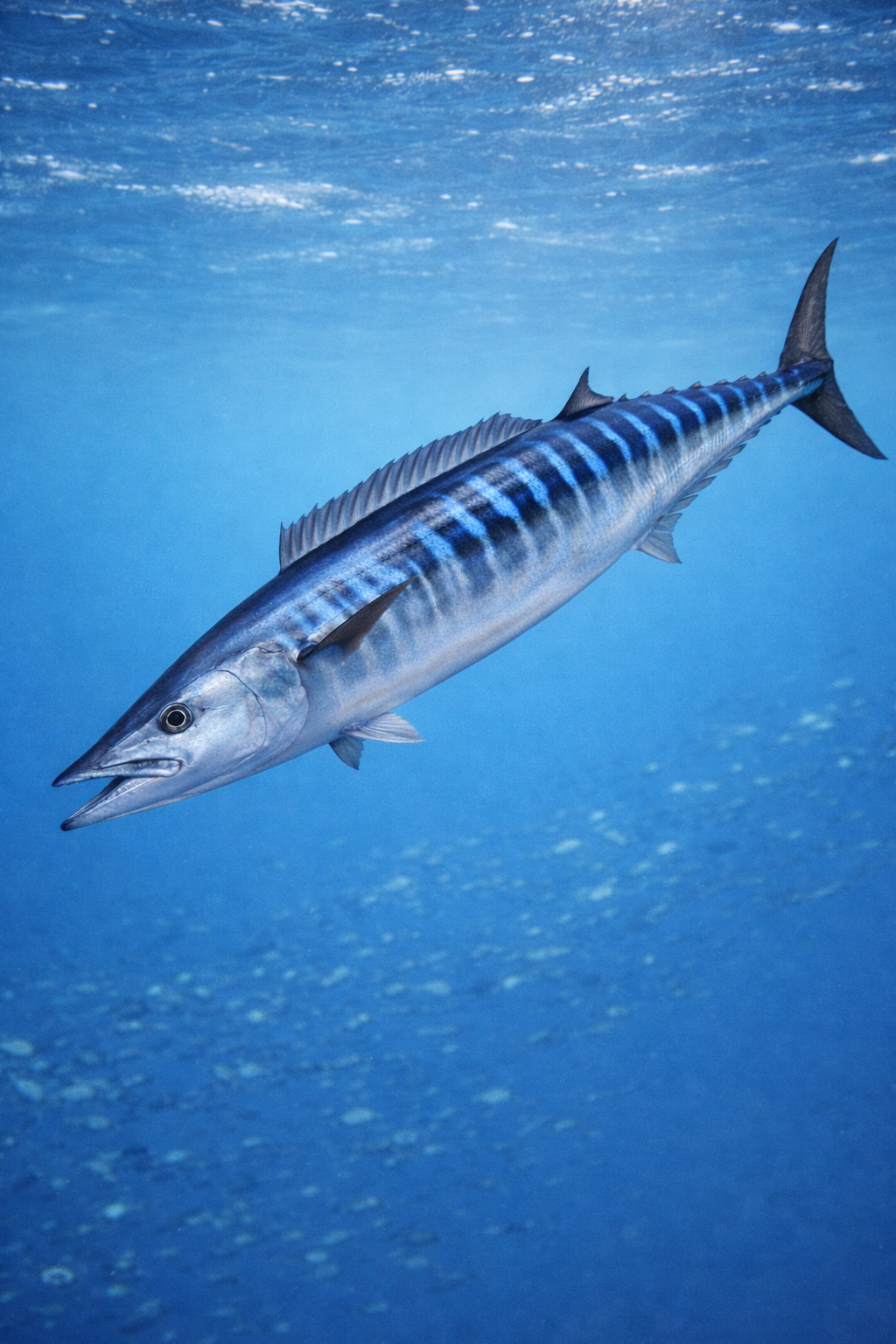
Wahoo inhabits the open sea, far from the shore, preferring deep waters and areas with strong currents. This is why it is most commonly caught on offshore fishing trips.
The main distinguishing feature of wahoo is its speed. It is considered one of the fastest fish in the world, capable of reaching speeds of 70–80 km/h, turning into a real torpedo.
Its size is equally impressive: an adult fish can reach 2–2.5 meters in length and weigh around 50–80 kg.
Wahoo has light-colored, firm, lean flesh with a very clean flavor. It is often compared to tuna but is more tender and delicate.
In Phuket, wahoo dishes are most commonly found in restaurants that serve the catch of the day or specialize in seafood. If you spot wahoo on the menu, it’s a great opportunity to try a rare fish from the Andaman Sea.
How to cook:
- grilling
- quick searing
- steaks
Where to Buy Fish in Phuket
Of course, the best places to buy fresh fish are dedicated seafood markets. Check out our guide to Seafood Markets in Phuket, where you can find all the current locations.
You can also find some varieties of fish at night markets – find the nearest one in our Night Markets guide. And, of course, nothing beats catching your own fish on a sea fishing trip.
We’ve selected the three best tour companies that offer deep-sea fishing tours. Fill out the form, and we’ll forward your request — they’ll contact you to provide details on the terms and pricing.
By the way, you don’t have to clean and cook your catch yourself – at many markets, you can have your fish prepared at a nearby cafe. This usually costs around 100–150 ฿ per kilogram of fish, plus extra for seasoning and serving.
How Much Does Fish Cost in Phuket?
Here are the approximate prices for fresh fish in Phuket when buying at local markets (supermarket prices tend to be higher):
- Grouper – 250–300 ฿/kg, with higher prices for larger specimens.
- Snapper – 200–300 ฿/kg; medium-sized specimens are most commonly found at markets.
- GT (Giant Trevally) – 200–300 ฿/kg; larger specimens may cost more.
- Sailfish – rarely found at markets, usually priced at around 200–300 ฿, depending on the catch.
- Marlin – rarely available at markets; when available, prices are generally above average and determined individually.
- Cobia – 200–300 ฿/kg, found in local fishermen’s catches and at larger markets.
- King mackerel – 200–280 ฿/kg, one of the more affordable and commonly available fish.
- Barracuda – approximately 200–300 ฿/kg; small and medium-sized specimens are most commonly sold.
- Tuna – around 200–300 ฿/kg.
- Sea bass – 200–300 ฿/kg.
- Mahi-mahi (dorado) – 220–300 ฿/kg; larger specimens cost more.
- Wahoo – rarely found at markets, with above-average prices starting at around 300 ฿/kg.
For rare or large fish (mahi-mahi, barracuda and large tuna), prices may be at the upper end of the price range or higher.
Don’t forget that bargaining is common practice at Thai markets, and you can often negotiate a slightly lower price.
How to Choose Fresh Fish at the Market: A Quick Checklist
When buying fish at a market, look for the following signs:
- clear, not cloudy eyes
- a fresh, ocean-like smell
- fish displayed on ice
- firm flesh
- red, not gray gills
What to Try First
If you want to taste the best:
- Grouper – the most tender
- Snapper – a Thai classic
- Mahi-mahi – a tropical flavor
- King mackerel – a rich, oily fish for gourmets
- Marlin or tuna – perfect for steaks
You can also enjoy delicious fish dishes at the island’s numerous restaurants. Explore our Where to Eat guide and take your pick.


