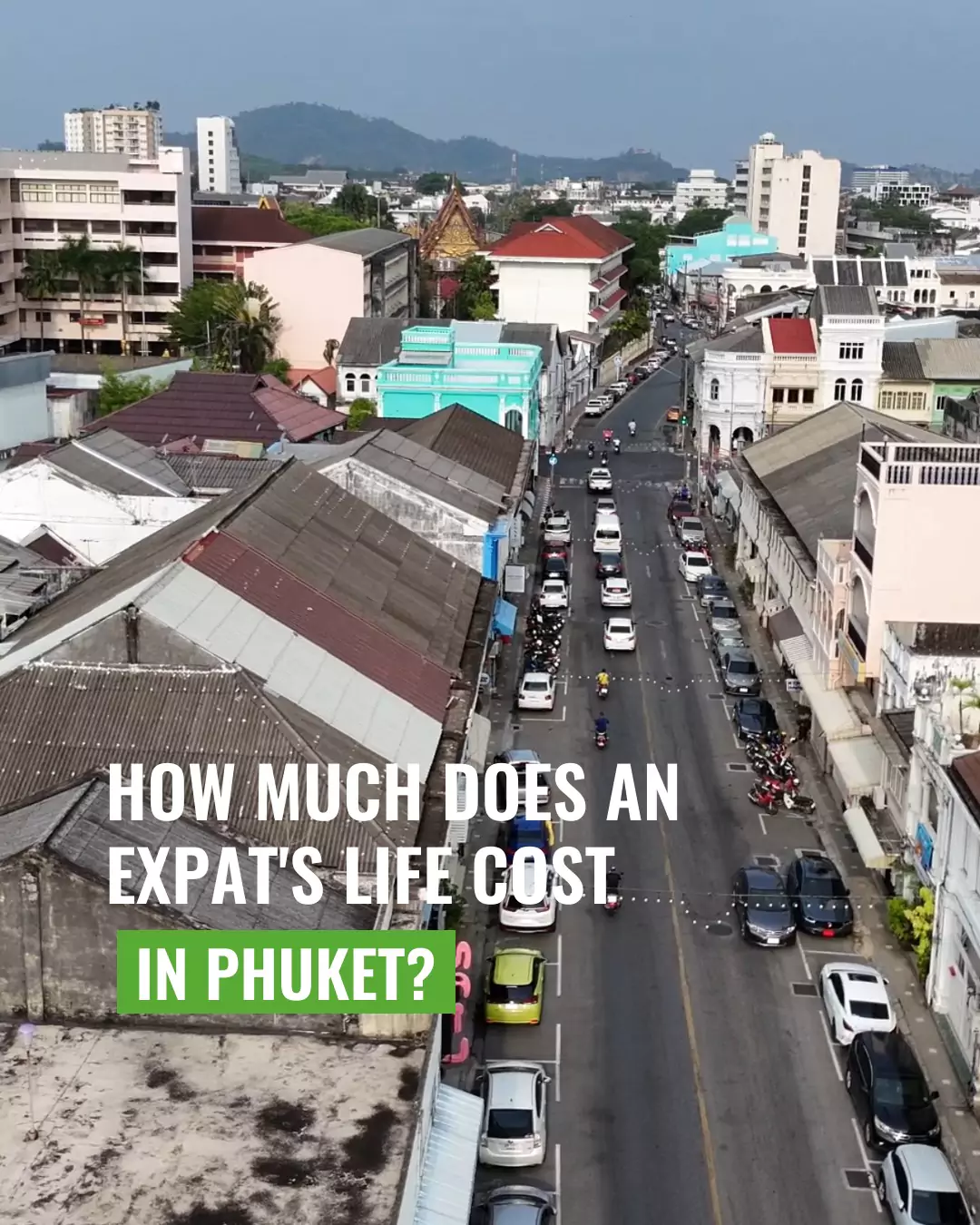
What Tourists Hate and Expats Love about Phuket
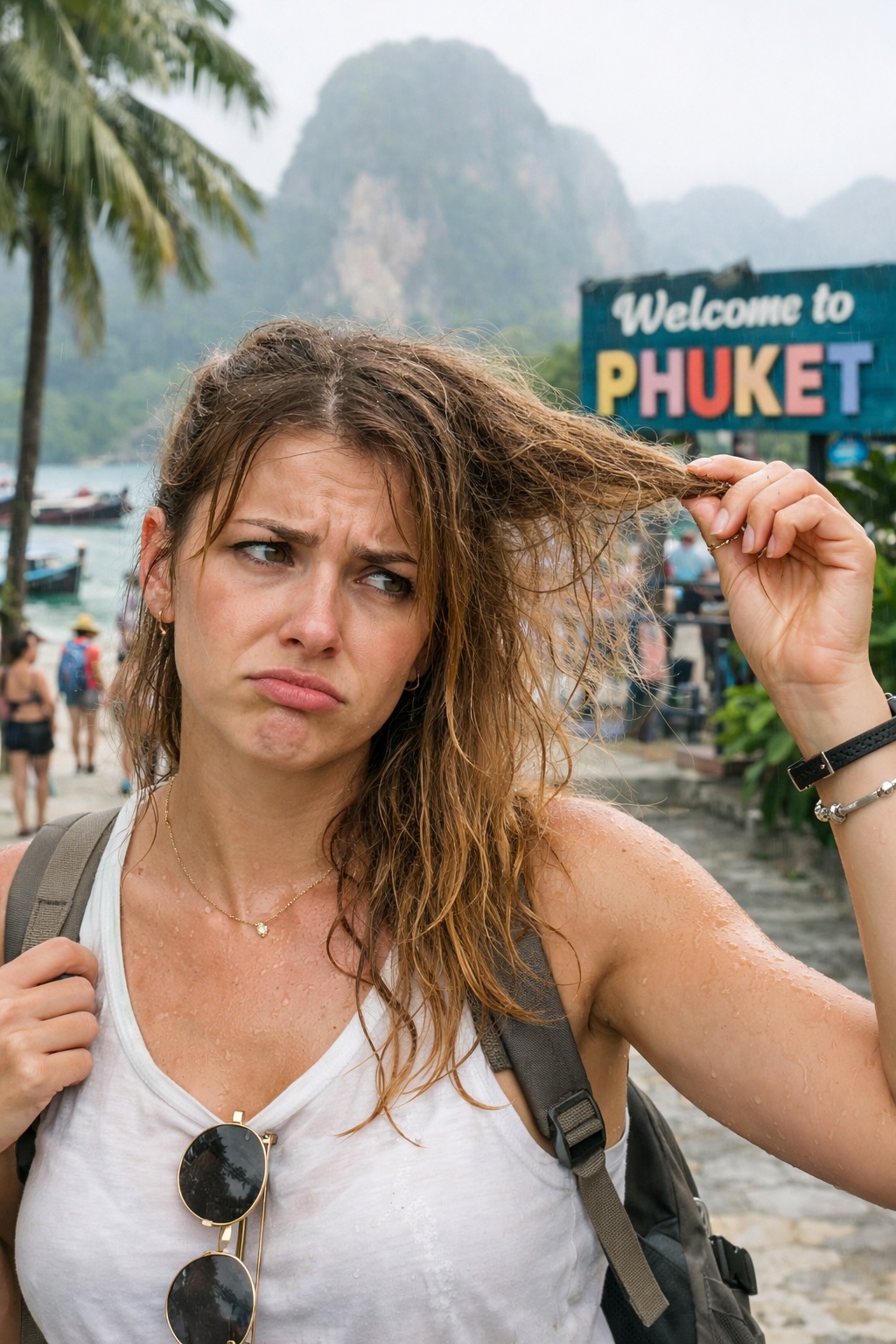
The first hours in Phuket – what are they like? Hot and humid air, the scent of the sea, the rustle of palm trees, and the sweet anticipation of a long-awaited vacation — with no work, no morning alarms, and no worries at all. Everything looks like the postcard everyone flies here for.
But then reality sets in: scooters are zipping around from all directions; the intense humidity makes any hairstyle pointless within minutes; the air conditioner in the room is too loud; everyone around seems unhurried, and the order at the cafe takes longer to prepare than you'd like...
It's a paradox, but after some time, the things that initially annoy you, knock you out of your usual routine, and seem "inconvenient" start to be perceived differently.
We've been living in Phuket for several years and have gathered observations here that most often raise questions among tourists — we'll tell you why expats look at them in a completely different way.
Road "Chaos" That Actually Works
The first thing that shocks almost every tourist is the traffic. Scooters weave between cars, it seems like no one follows the rules, turn signals are ignored, and intersections live a life of their own. From the outside, it looks like chaos — especially if you've just flown in from Europe and other countries with strict road discipline.
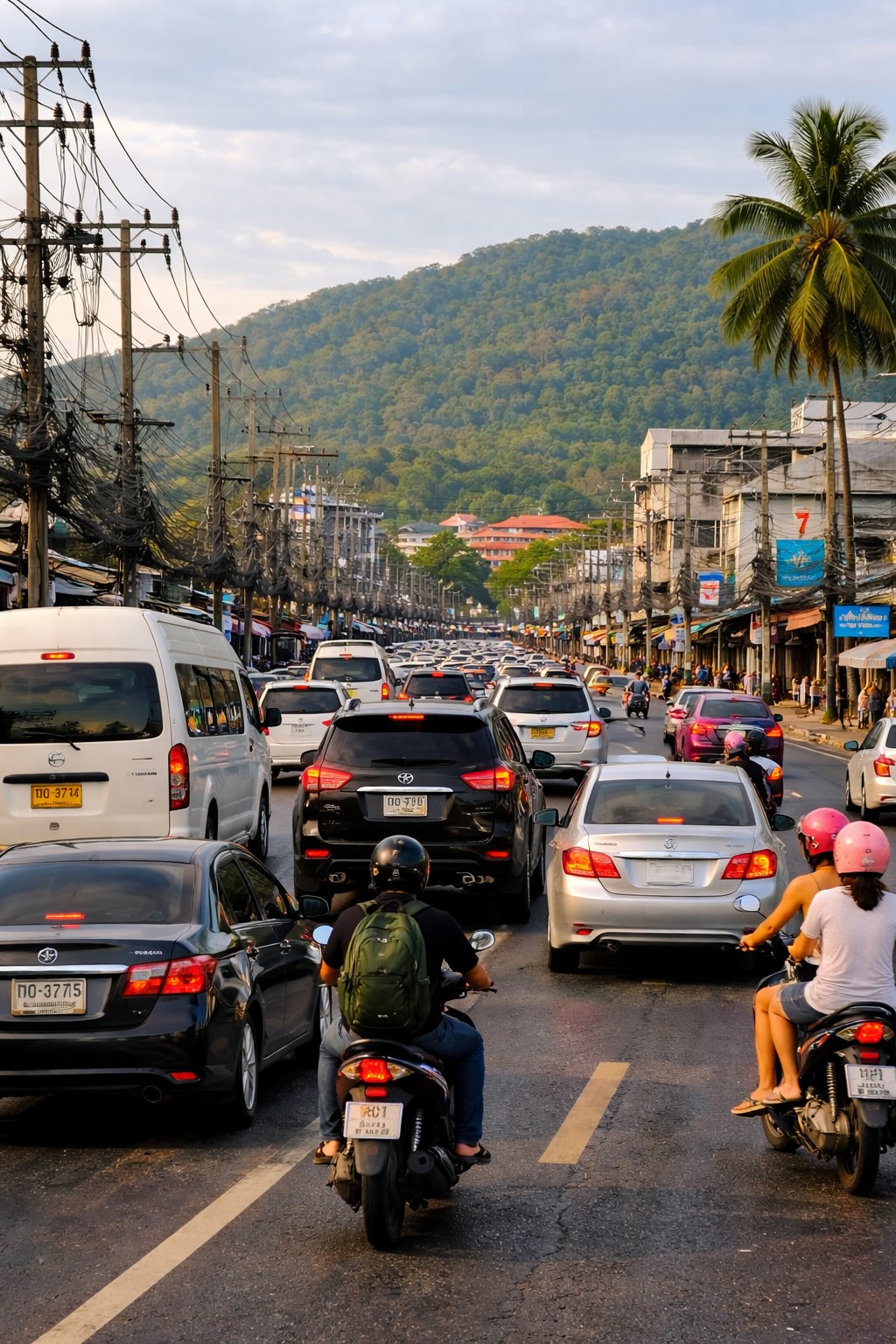
As time passes, you start to notice a strange pattern: despite the visual mess, the traffic here flows surprisingly smoothly. Drivers are attentive to one another, the speed is often low, and the main logic is not "who is in the right," but "how we can all get through."
Expats appreciate this. Because there is much less aggression in this chaos. No one honks without a reason, no one tries to "teach you a lesson" on the road. It's not about the rules; it's about the flow and a certain kind of empathy.
The Rainy Season That Tourists Fear
"Don't come in the summer, it's the rainy season" — is a phrase everyone planning a trip to Phuket hears. And while for a tourist, rain practically equals a ruined vacation, for those who live on the island, the rainy season is a real relief.
In fact, it rarely rains all day long; most often, these are short but heavy downpours, after which the sun comes out again.
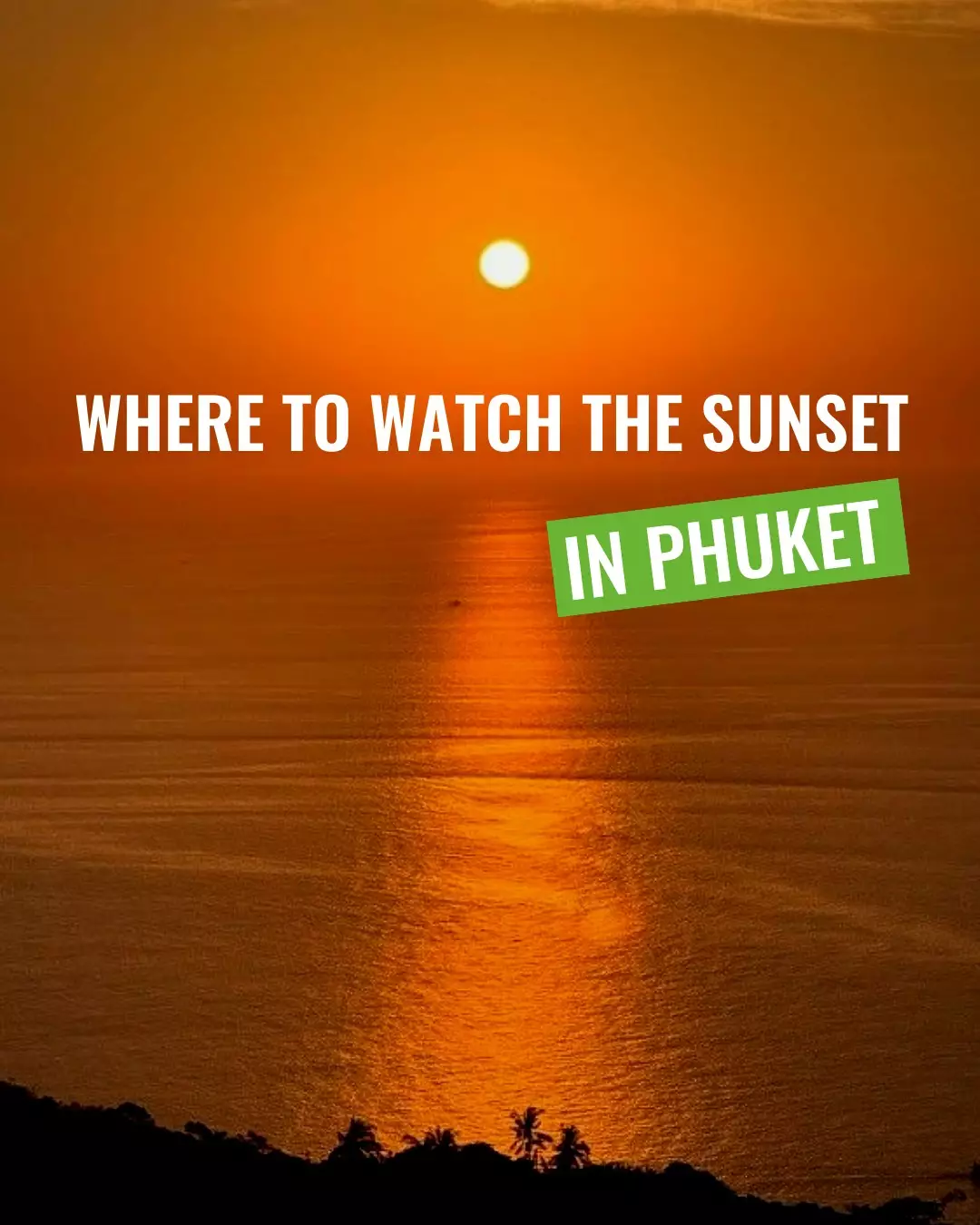
After months of heat, coolness arrives. The air becomes softer, and it's easier to breathe. The island literally comes to life: the greenery becomes brighter, the waterfalls — more full-bodied, and the sunsets — more dramatic; and most importantly, there are fewer tourists, less hustle and traffic jams, and prices drop.
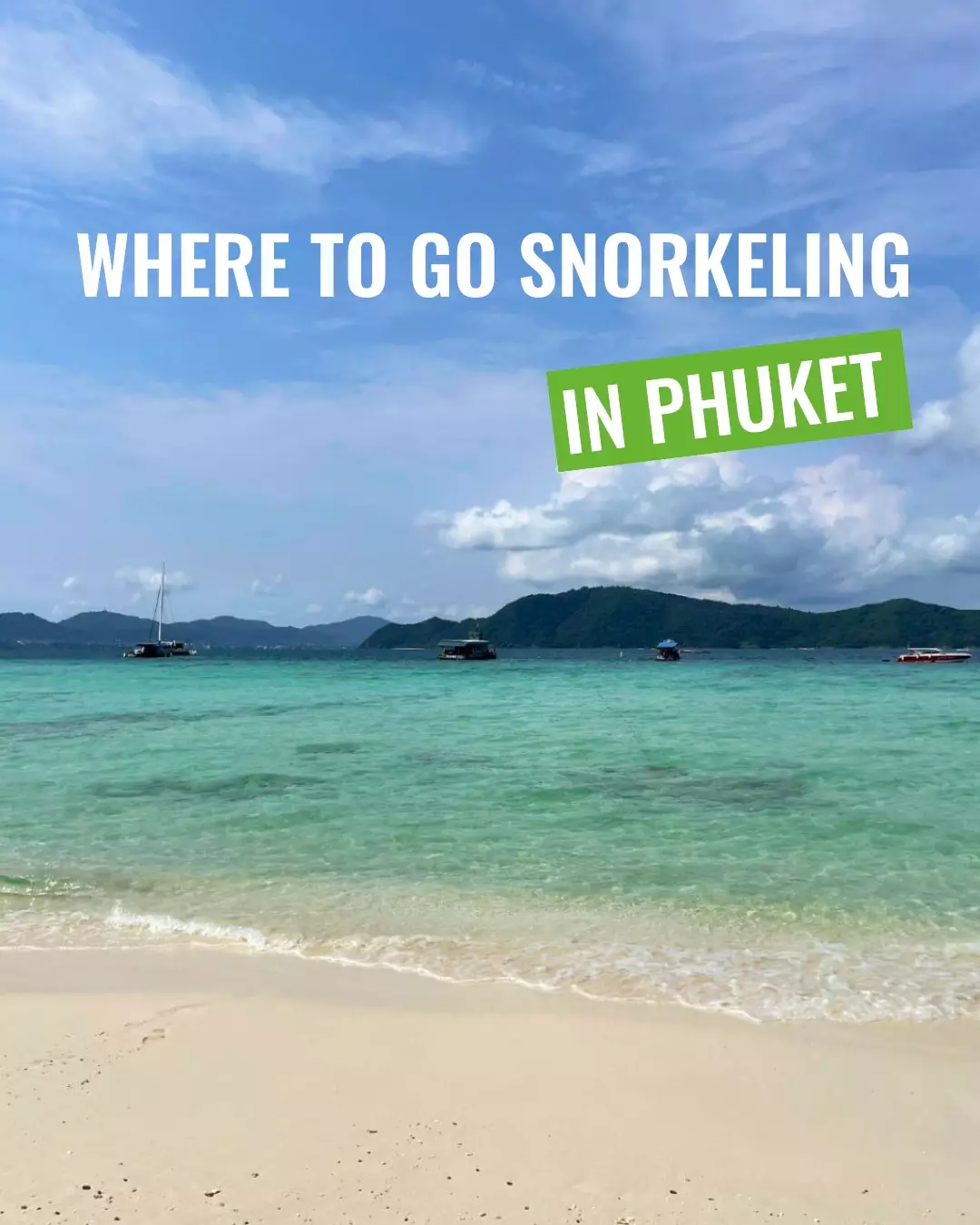
The rainy season is the favorite time for expats, but more and more "savvy" tourists are also flying to Phuket specifically during the low season. Read about its undeniable pros in the article Phuket Rainy Season: Debunking the Myths, and also save this selection of wave-free beaches during the low season for yourself to swim unhindered at any time of the year.
Humidity
Yes, the humidity in Phuket is high: hair gets frizzy, clothes stick to your body, and your usual skincare products stop working. Tourists often perceive it as a discomfort they need to fight, while expats see it as part of the environment.
In fact, the body adapts quickly: in a couple of weeks, you stop noticing the stickiness, you start choosing the right natural fabrics, and you plan your day differently.
Moreover, humidity has its perks: your skin becomes softer, it dries out less, and the constant "greenhouse effect" is, essentially, a free spa.
By the way, spas are literally everywhere in Phuket: there are excellent salons that will help you relax after a flight — head to the Massage & SPA section and choose the best one.
Slow Service is Part of the Philosophy
Another common trigger is customer service. An order at a café might take longer than you expected: the staff aren't in a hurry, and sometimes they completely forget a request. This annoys a European tourist used to good service: you want things to be fast, clear, and by the book, but expats eventually start to even appreciate this rhythm.
In Phuket, no one lives in "ASAP" mode. There is no constant time pressure, no sense of a rat race. People do their job calmly, without stress.
And this gradually transfers to you. You stop getting nervous about waiting for your coffee. You start noticing the details: the wind, the sound of the sea, the conversations around you. And suddenly you realize that you, too, have nowhere to rush.
The Thais have their own philosophy associated with this. Read more in the article "Mai pen rai," "sanuk," and "sabai" — the key to the Thai soul.
Expats eventually learn flexibility. And they always have a Plan B: another café with Wi-Fi, a backup transport option, their own handyman "in the neighborhood" who can fix anything. Paradoxically, this reduces stress levels, because you stop expecting perfection.
Street Food and Unfamiliar" Places
Many tourists are initially wary of street food: plastic chairs, the lack of familiar design, an open kitchen, and no uniform dress code for the staff. There are tons of jokes on the internet about how much your standards drop when you're vacationing in Asian countries.
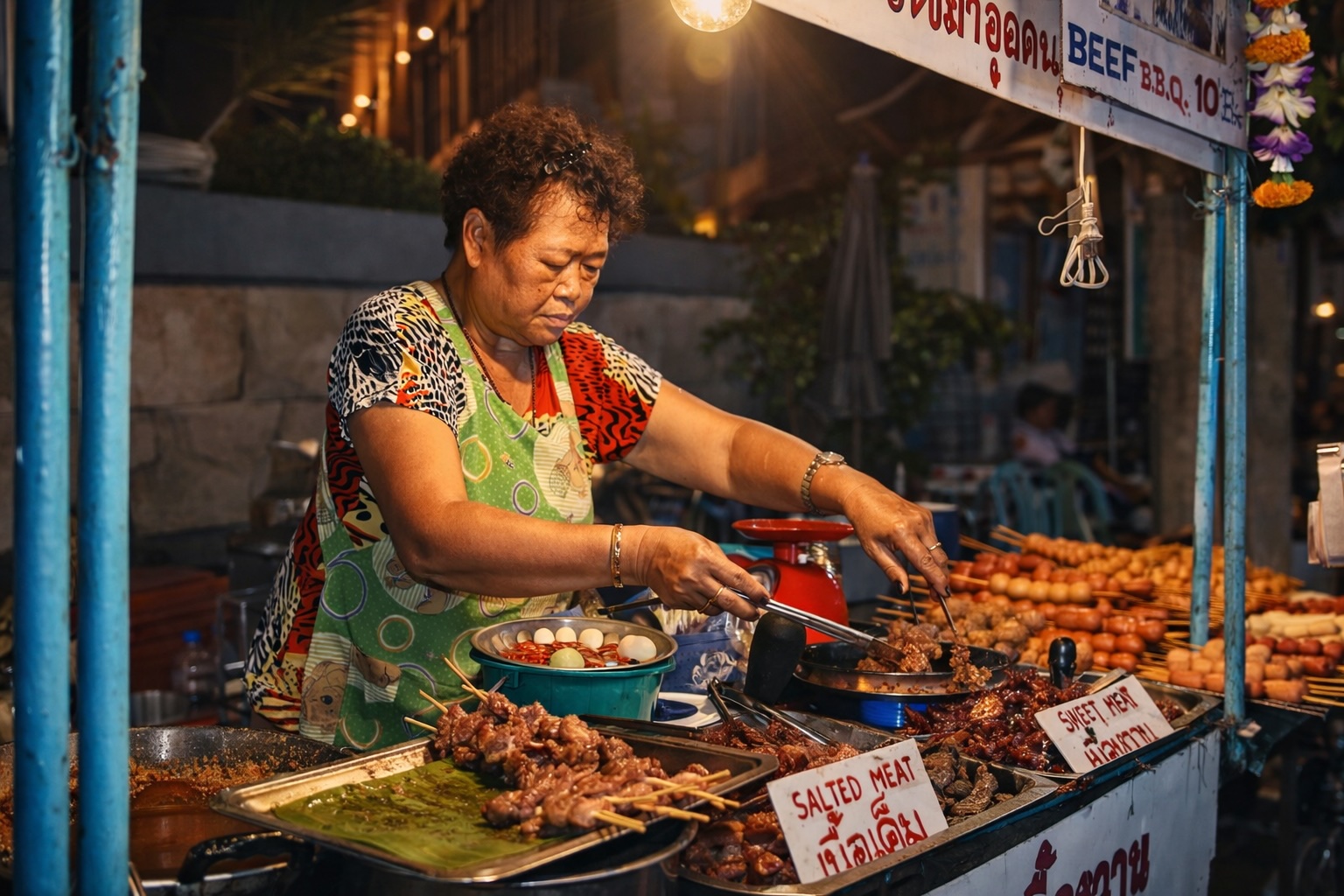
And while back home we have a ton of requirements for establishments, in Thailand, the bar drops: because it is in these inconspicuous cafes that the food turns out to be really delicious. Expats know this — they don't go for the interior, they go for the taste.
Small local cafes with menus in Thai where dishes are cooked according to family recipes — that is the real Phuket.
It is there that you will try food you won't find in tourist restaurants. Choose similar places from the Thai Cuisine selection.
The Heat You Want to Hide from
The tropical heat is another point that initially seems like a challenge. For the first few days, you want to stay under air conditioning all the time, avoid the street, and plan your outings only in the morning and evening, but over time, your lifestyle changes.
Expats don't fight the climate — they adapt to it and structure their schedule according to the sun's schedule: early rises, breaks in the middle of the day, and activity closer to sunset.
Notice this: at noon, only tourists are walking the streets — you won't find any locals in the middle of the day.
The Lack of a "Perfect Picture"
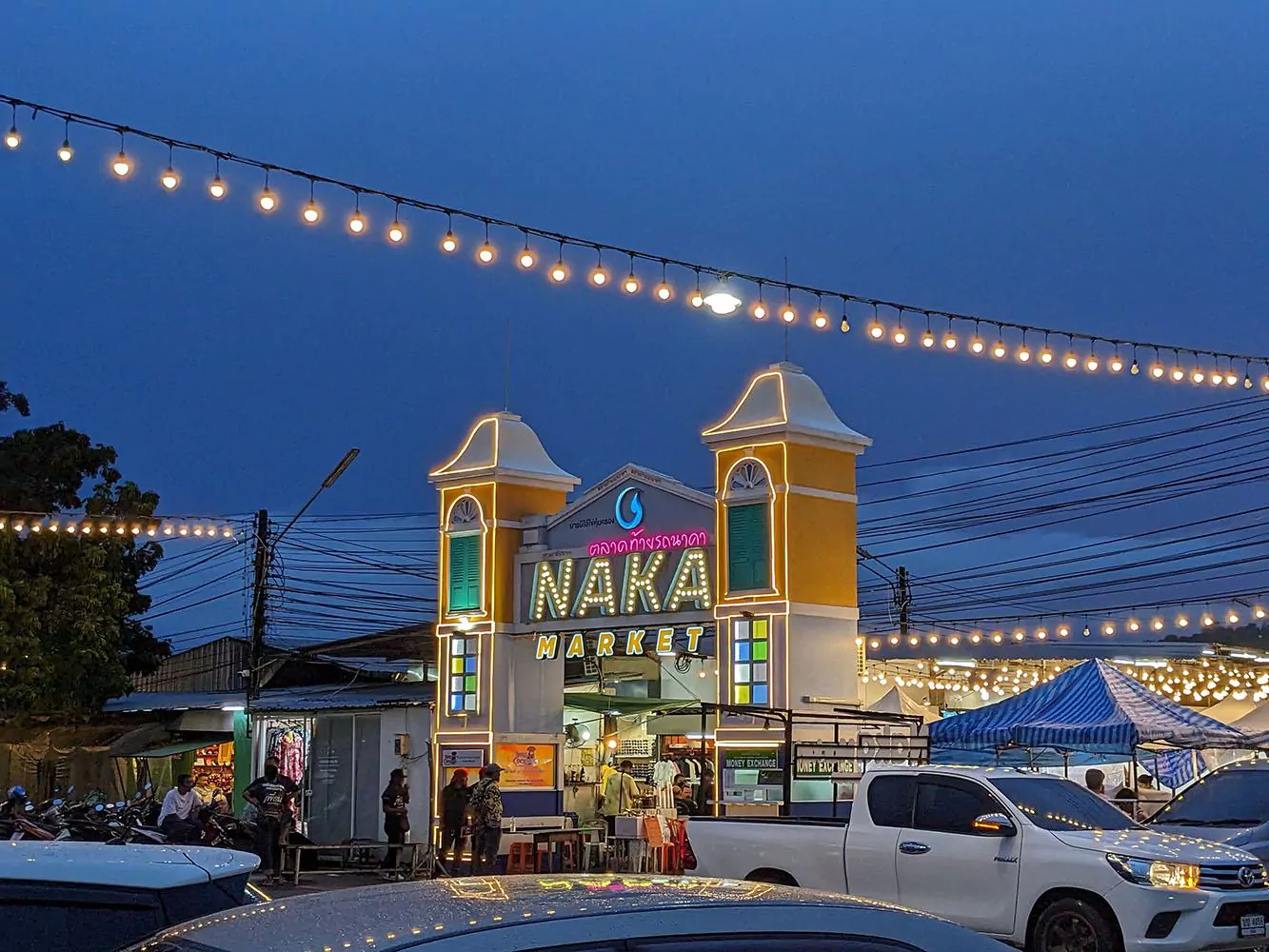
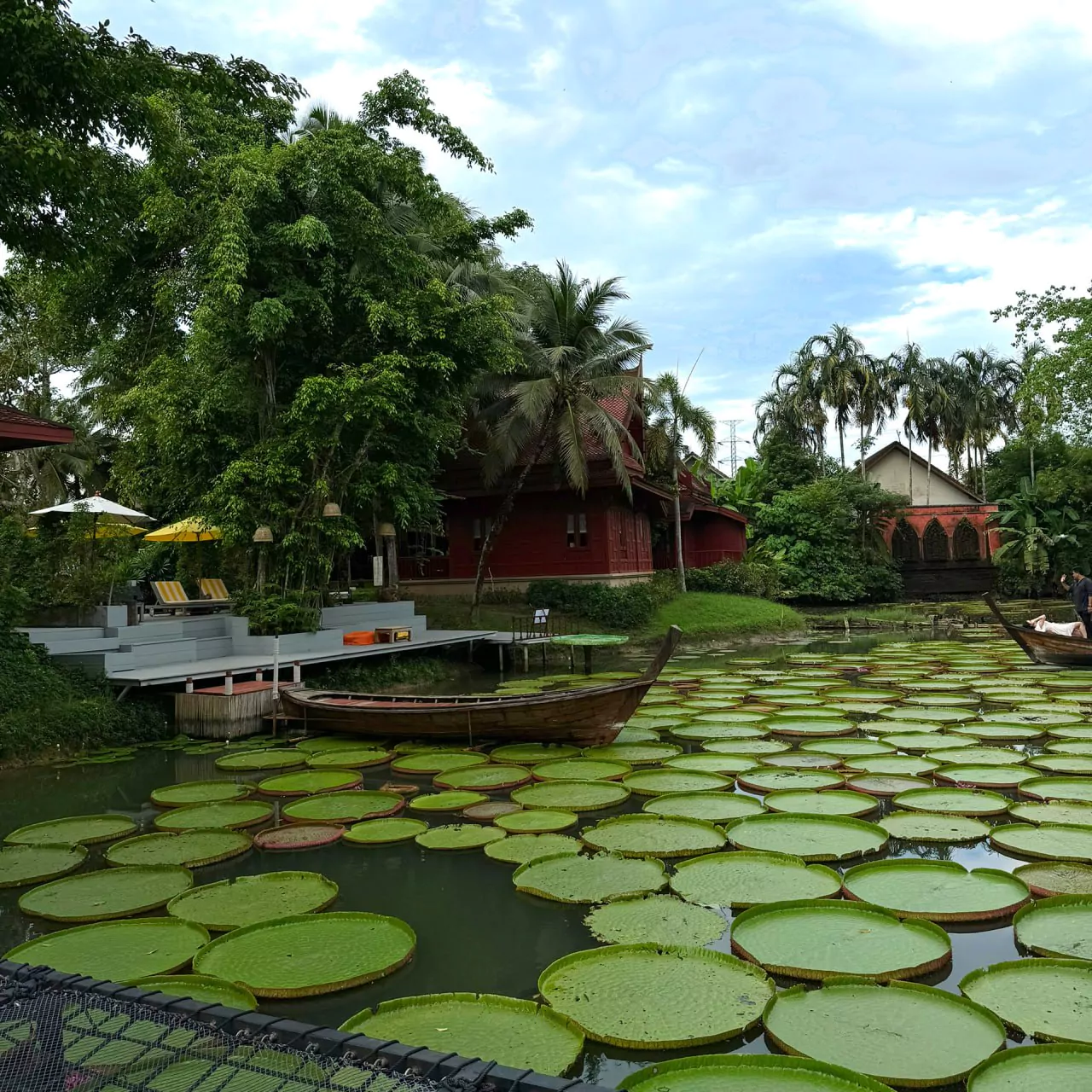
Sometimes tourists are surprised: "Why are there old houses right next to an expensive hotel?", "Why are the wires hanging every which way?", "Why isn't it clean everywhere?" But Phuket is not a sterile resort, but a living island.
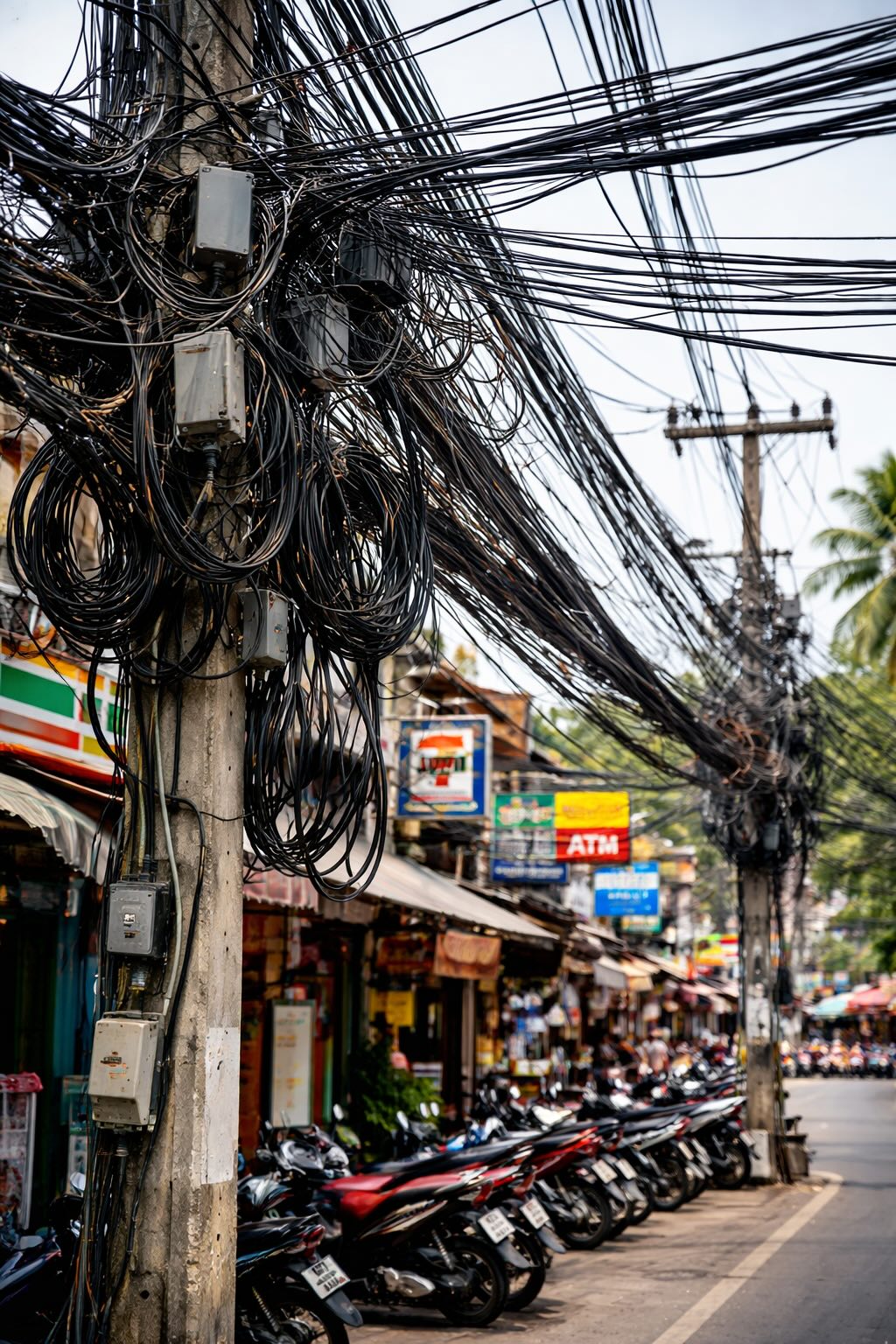
Fun fact: these "spaghetti" tangles of wires in Phuket appeared due to the rapid growth of tourism and construction, when new lines were simply added to the old ones without dismantling them. Underground installation is expensive and complicated in a tropical climate, so the cables are strung overhead, which over time creates these "knots."
Expats stopped noticing this a long time ago, and they value exactly this — the contrast, authenticity, and the feeling of real life. There are no decorations here, just reality — with its own quirks, imperfections, and character.
Tourists... as the Main Irritant
Paradoxical but true: what Phuket exists as a resort for — the tourists themselves — often becomes the main irritant. Crowds, noise, overcrowded beaches, lines... But this only applies to certain places and seasons.
Expats know where and when to be. They choose less popular beaches, travel during the "off-season," avoid peak hours, and as a result, they get a completely different Phuket — calm, measured, and almost intimate.
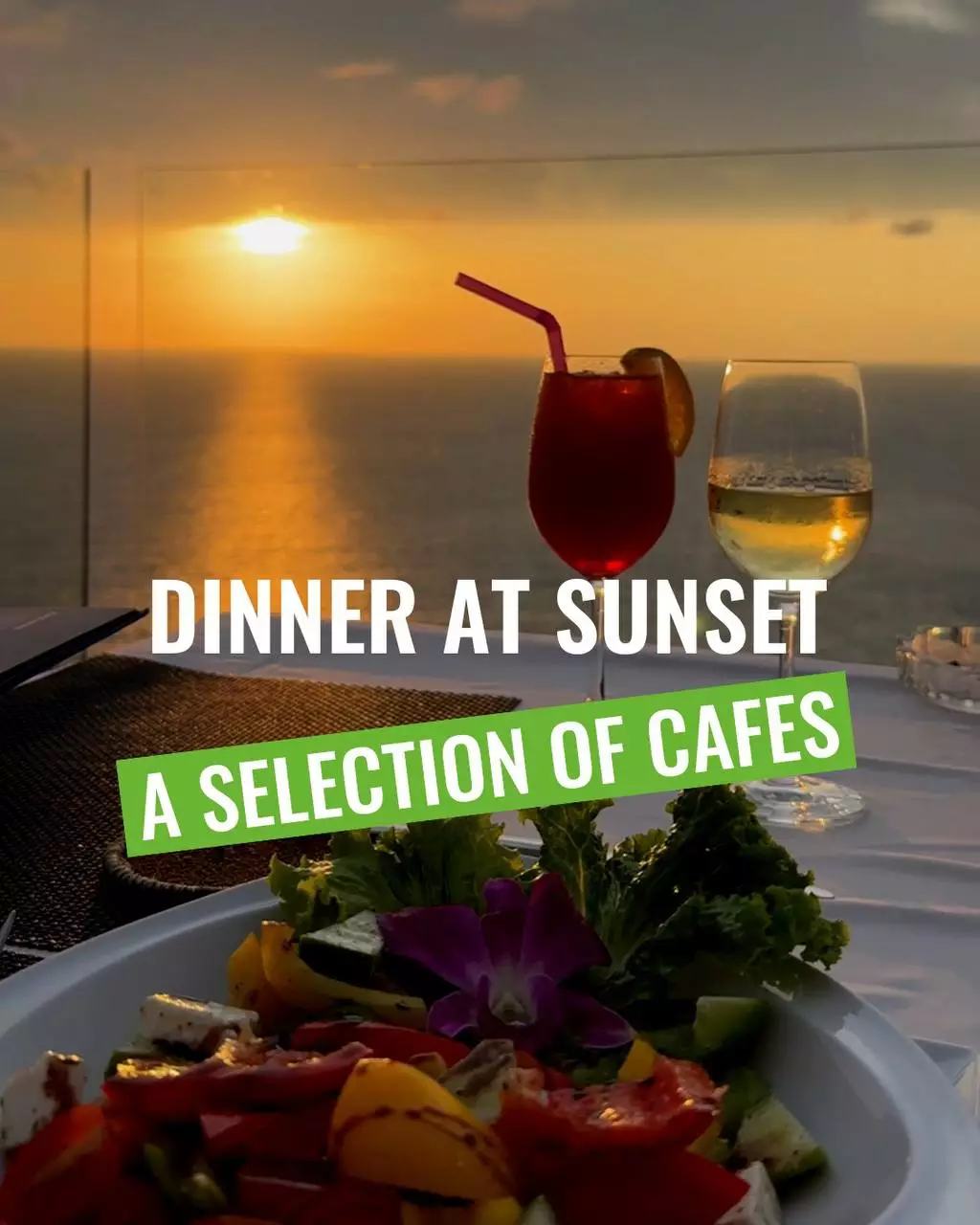
If you also follow the Insider's recommendations, you will be able to discover the island's most hidden spots. Use our selections: