"Nep Sam," a Thai vow of silence: the practice of remaining silent by choice
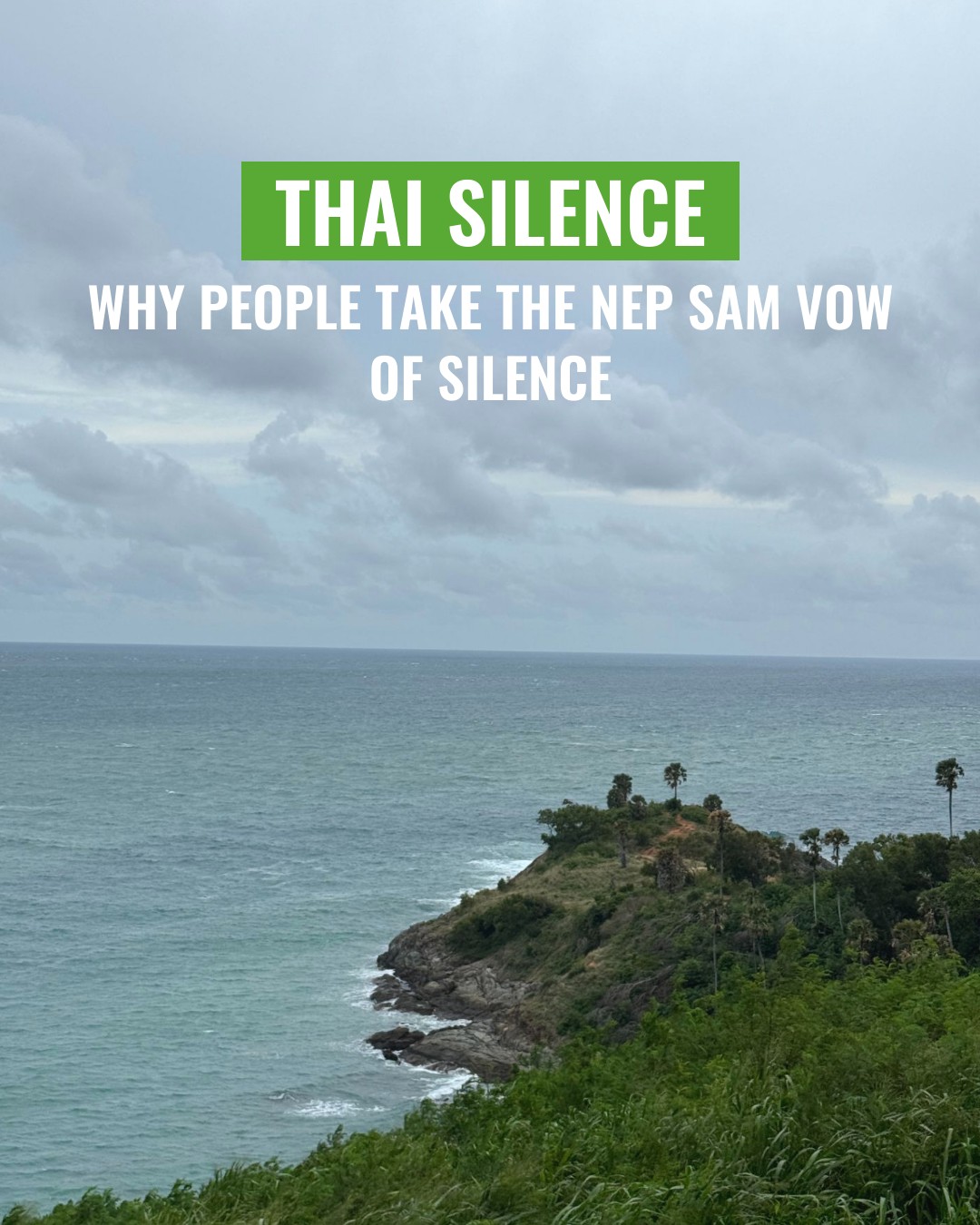
When a person stays silent for a long time, it always raises questions. What happened? Why? But in Thailand, it’s the opposite: silence is a choice — one that is conscious and voluntary. There is a practice here called “Nep Sam,” and it is not about punishment or even religion in the direct sense of the word.
Nep Sam is a way to press “pause” in a world that constantly talks, writes, comments, and argues without stopping. Nep Sam is an experience of silence that does not become boring. On the contrary, it becomes genuinely interesting: what remains if words are removed for a while?
What is Nep Sam?
In Thai, “nep” means silence or peace, while “sam” means observance or maintenance. Literally translated, it means something like “maintaining silence.”
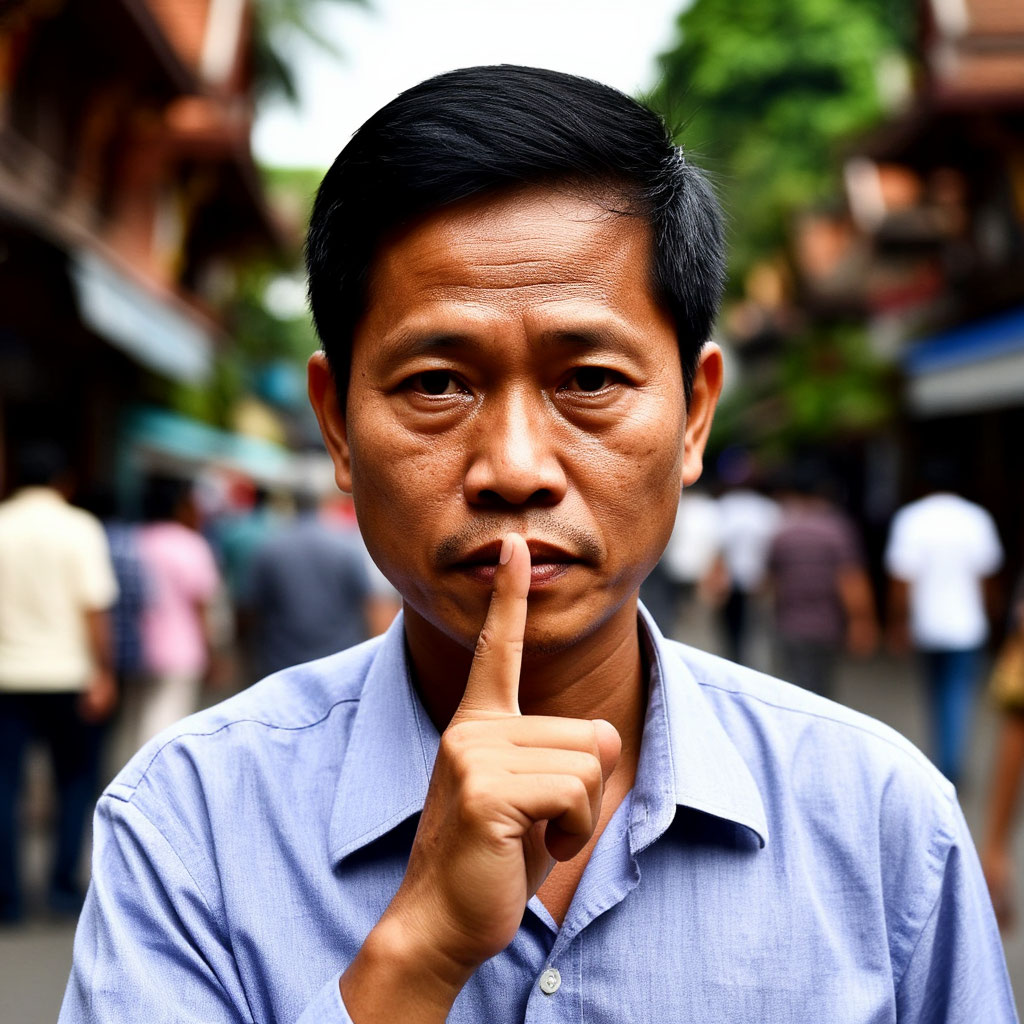
Essentially, Nep Sam is a vow of silence that people voluntarily undertake for a specific period of time. It may last a day, a week, or sometimes even several months.
Why do people do it?
The reasons vary. Some want to clear their minds, others are coping with a profound loss, and some are simply seeking to find themselves. Most often, however, Nep Sam is connected to Buddhist practice: it is a way to stop, slow down, and listen to silence — not the silence around you, but the silence within.
In Thailand, where Buddhism is deeply woven into everyday life, many people believe that silence is medicine for the soul. It helps them hear their true thoughts, understand their feelings, and let go of their worries.
How Is Nep Sam Practiced?
Nep Sam is usually practiced in Buddhist temples or meditation centers. However, there is nothing stopping you from creating your own “silent retreat” at home.
Here’s what it may look like:
- Complete abstinence from speaking. Not only out loud — even internal conversations should be minimized as much as possible.
- Limited contact with the outside world. No phones, social media, or messaging.
- Minimal eye contact. Even glances can be distracting.
- Meditation, yoga, and breathing exercises.
- Simple meals and minimal indulgences.
Some people go even further — they give up writing, reading, and even visual imagery in order to minimize external stimuli as much as possible.
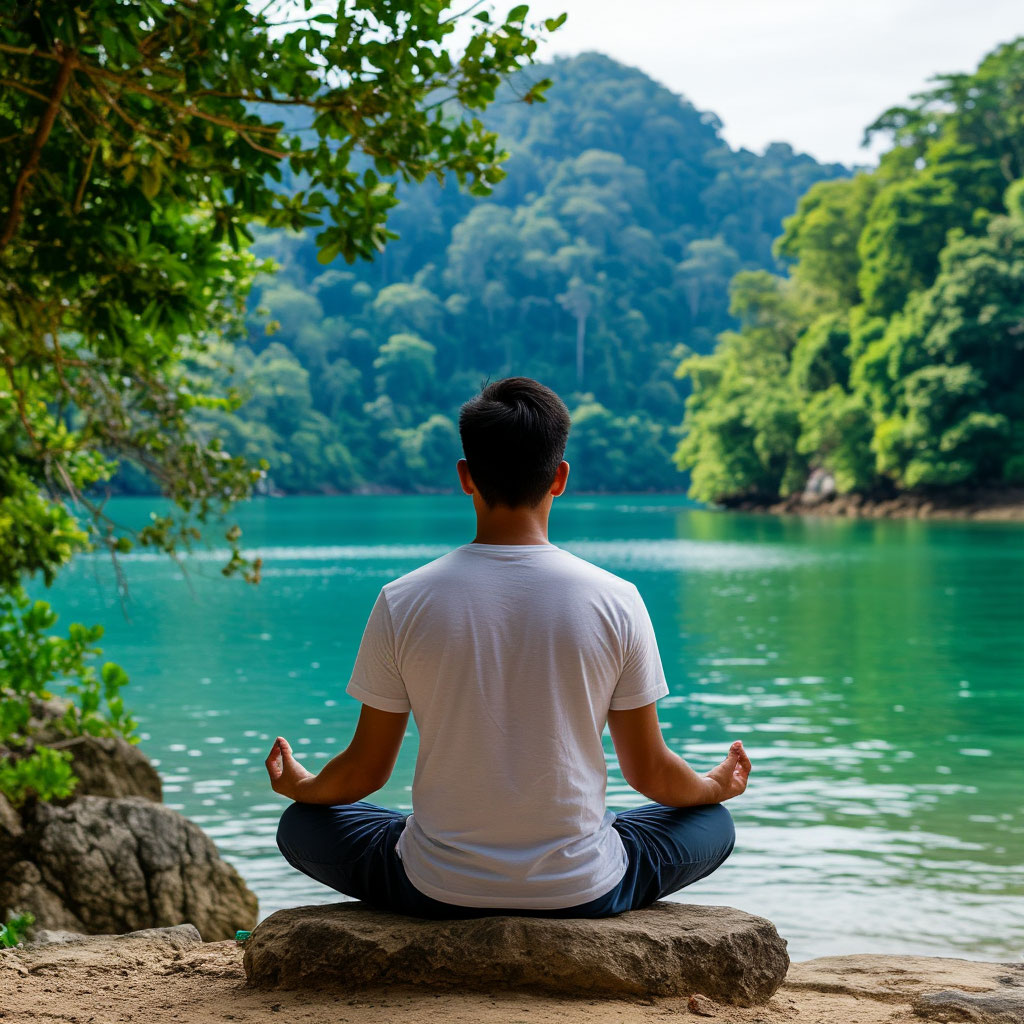
Is Nep Sam difficult?
At first — yes. Especially for us, people who are used to a constant stream of words, news, memes, podcasts, and discussions.
The first few hours can feel unbearably difficult: in your mind, your own thoughts start sounding louder than any rock concert. But then a strange, almost mystical moment arrives — silence begins to sing. Inner calm appears, anxiety fades, concentration improves, and with it — self-understanding.
Many people note that after Nep Sam it feels as if their “system has been rebooted”—their energy returns, stress decreases, and a sense of awareness emerges.
Can you try it yourself?
Yes! Even if you are not in Thailand, Nep Sam is open to everyone. You can start small:
- Set aside 1–2 hours a day for complete silence.
- Turn off your phone and computer and avoid interacting with other people.
- Sit in silence. Simply breathe or meditate.
- Observe your thoughts, but don’t cling to them.
If you want more, you can go on a special retreat in Thailand, where there are programs of 3, 7, or even 10 days of silence. You can also find such retreats in Phuket.
You might think that Nep Sam is something only for “enlightened” people, but in reality, it is a great tool for personal reset. For example, it is not uncommon for serious entrepreneurs to practice Nep Sam. Why? To reduce information overload, work through fear and ego, and find answers to pressing questions.
Some tech CEOs from Silicon Valley have completed 10-day Vipassana retreats in Thailand and Myanmar — an even stricter form of Nep Sam. They have described it as “the most important experience of their entire careers.”
Thai entrepreneurs quite often practice Nep Sam as part of short-term retreats in monasteries. This is seen not as a weakness, but as a mature decision.
Nep Sam is not just about silence. It is about an inner dialogue. About the ability to listen to yourself when the whole world is on pause. It is not about becoming a hermit, but about returning to yourself. And it is a truly unique experience that can completely change a life.
You can read more about Thai rituals in the article “10 unusual facts about Thai people.” And be sure to visit Buddhist temples — they can tell you a lot about the people of the Land of Smiles. If you are not yet ready for Nep Sam but want to start listening to yourself more attentively, begin with yoga. A list of studios is available on our website in the “Yoga studios” section.