The Cats of Phuket: Siamese, Tailless, and Royal Felines
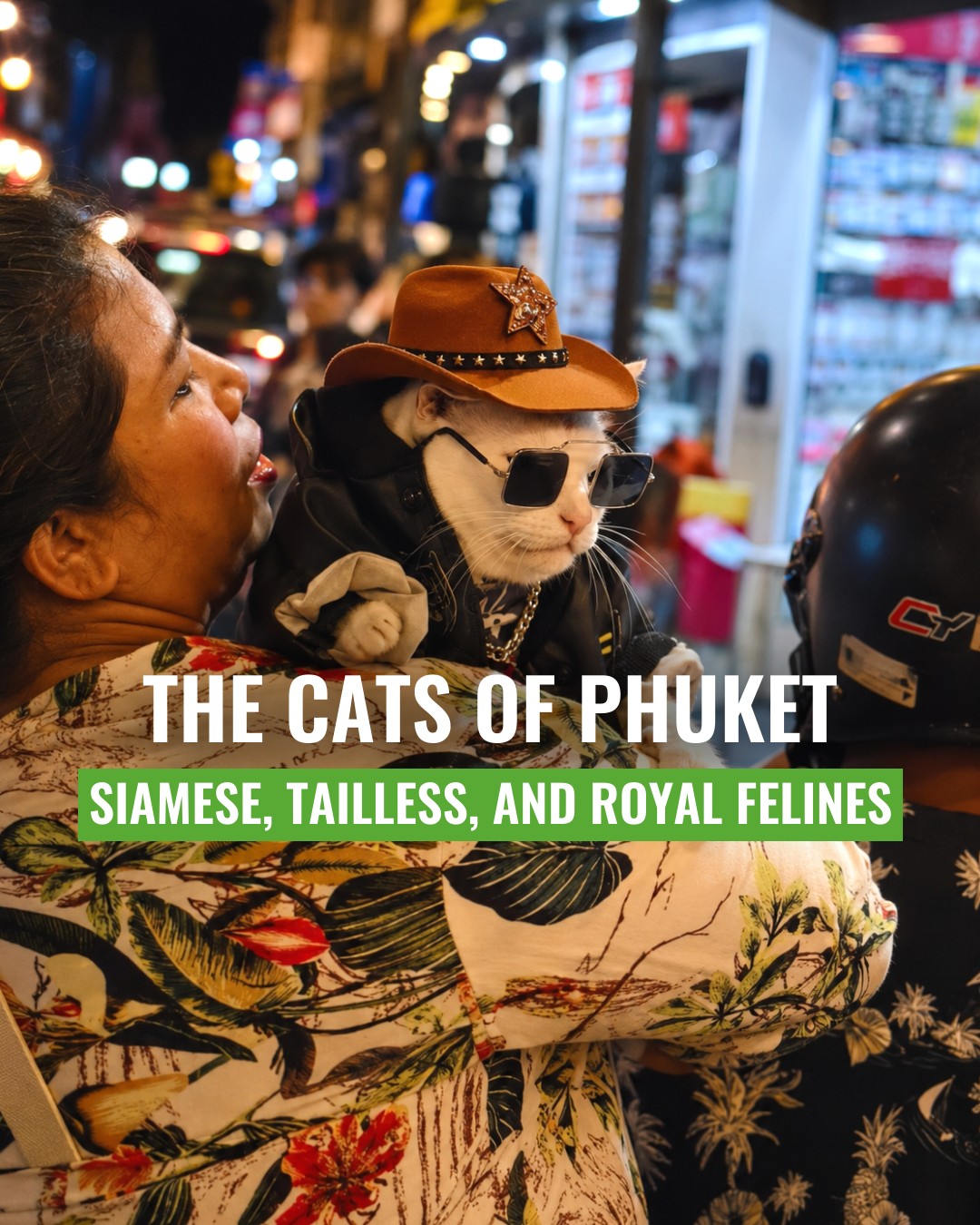
If you are planning a holiday in Phuket, be prepared to fall in love not only with the local beaches and sunsets, but also with cats. They are a separate attraction of the island.
Cats in Phuket meet you literally everywhere: on beaches, markets, in cafes, and Buddhist temples. Many of them are real street strays with a Thai character: relaxed, friendly, but with a sense of self-respect. And there are also tailless cats here and, of course, Siamese cats — also originally from Thailand. So, if you have had a bad day, this article is intended to improve your mood!
Cat History of Phuket
Cats arrived in Phuket many centuries ago together with Chinese traders and European sailors. Initially, they performed an important function of controlling rodents on merchant ships and in port warehouses. Well, later they simply became favorites of the locals.
Most of Phuket’s street cats are descendants of Siamese and Thai cats, although over the centuries they have significantly mixed with other breeds.
Nevertheless, many have retained the characteristic features of their aristocratic ancestors: a slender body and graceful movements, almond-shaped eyes (most often blue or heterochromic), and the distinctive color-point coat pattern.
Are Siamese and Thai Cats the Same Thing?
We all know what Siamese cats look like: light-colored fur, dark paws, face, ears, and tail, and bright blue eyes. They have a loud “demanding” voice, high intelligence, and an active temperament, are sociable, attached to their owners, and require a lot of attention (sometimes even too much).
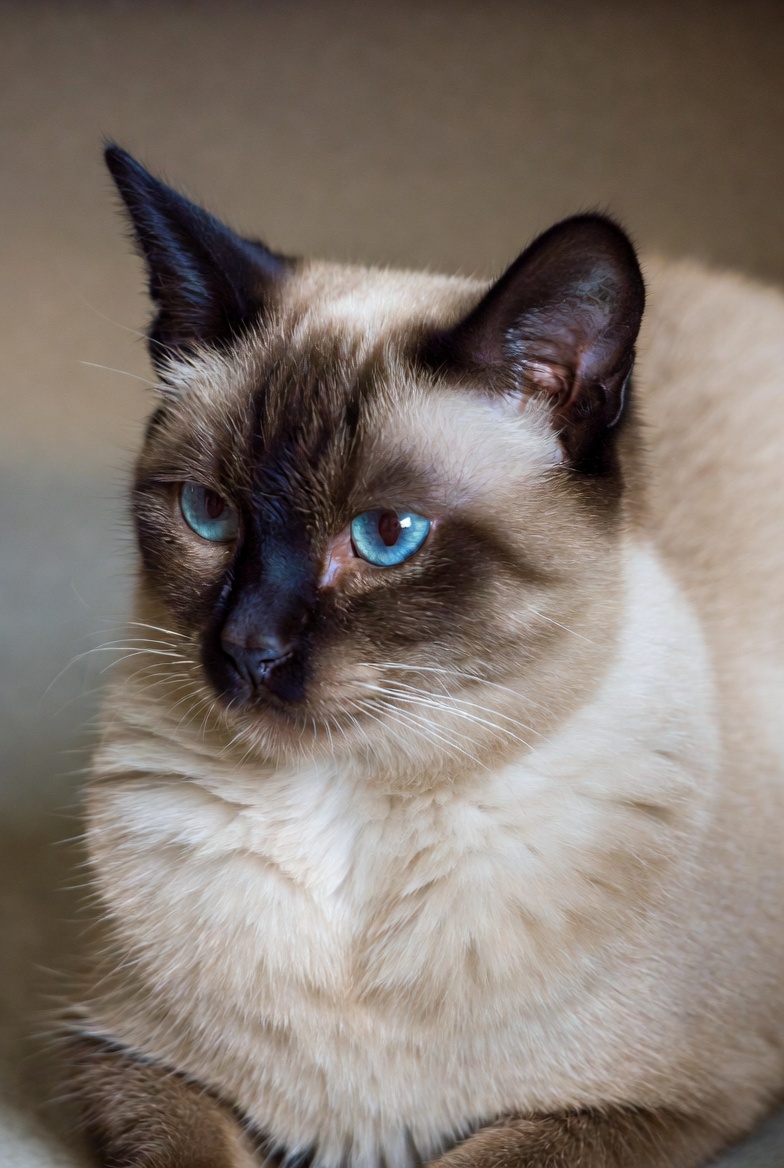
This breed originates from Thailand (formerly Siam) and has an ancient history. The earliest mentions of Siamese cats date back to as early as the 14th century — they were already written about in ancient manuscripts.
At that time, these cats were not just domestic animals — they held a special status in society. They were kept in royal palaces and Buddhist temples, where they were considered guardians of the souls of deceased members of the royal family and high-ranking monks.
There was a belief that after the death of an important person, the soul would be reborn into the body of a Siamese cat.
But over more than a century of breeding in the West, the appearance of Siamese cats has changed. Breeders made the head more wedge-shaped, the body more slender, and the ears larger and set wider apart.
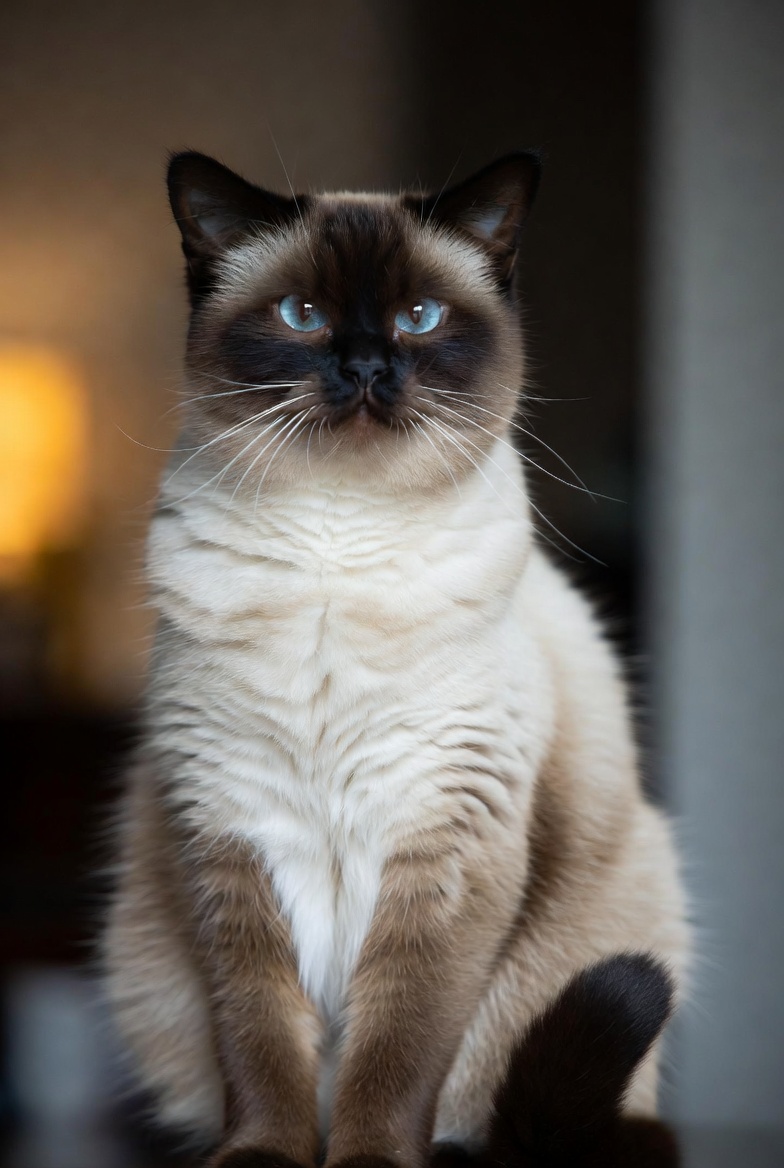
The original type of Siamese cats, which were more stocky and round-headed, has been preserved as a separate breed — it is called Thai. It is closer to the original Siamese cats that existed in ancient Siam.
So, Siamese and Thai cats are not the same thing.
Where Cats Live on Phuket
On Phuket, cats live almost everywhere:
- In Buddhist temples, where monks often feed them
- On beaches, especially near cafes and restaurants where they can find food
- In markets and shopping areas
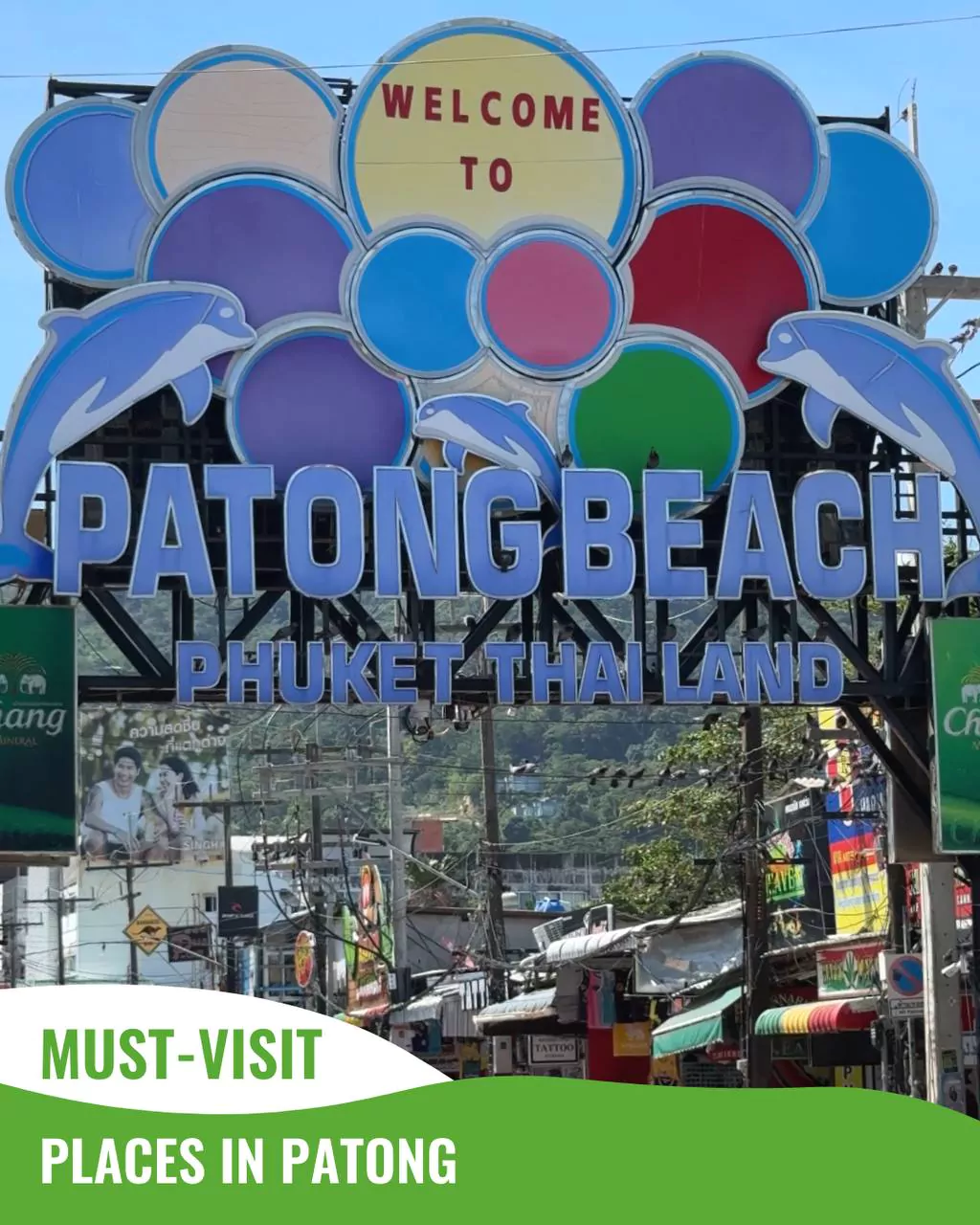
- In tourist zones, especially in Patong and other popular places
- Around hotels and guesthouses
- In fishing villages, where they are attracted by fresh catches
- In special cat cafes, such as Cat Space Cafe Phuket in Phuket Town
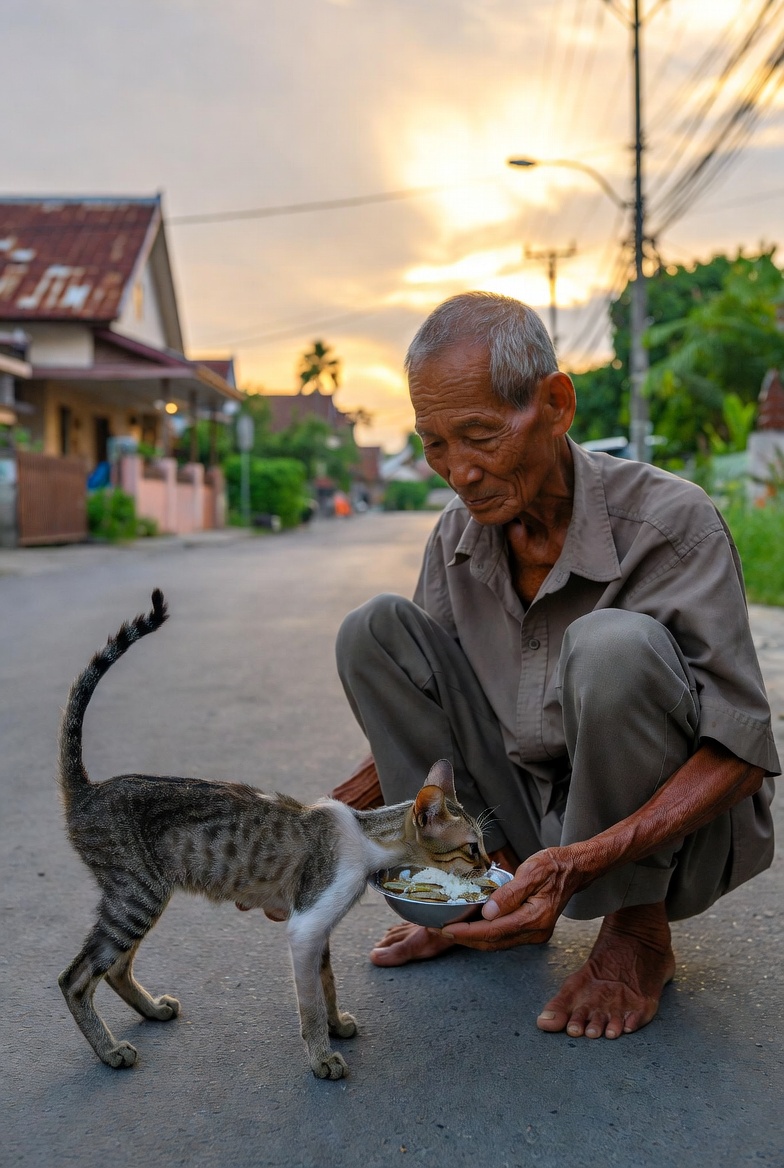
Many of these cats are stray or semi-wild (except for the cats in cat cafes, of course), although locals and tourists feed them, and some establishments consider certain cats their “residents” and take care of them.
What is truly impressive about the local cats is their incredible adaptability and survival ability. After the devastating 2004 tsunami, many people noted that the cats somehow sensed the danger and managed to take shelter on higher ground before the wave arrived.
In an amazing way, local cats have learned to survive in extreme heat and have developed unique food-gathering strategies — from hunting tropical lizards to mastering the art of begging tourists for treats.
Tailless Сats from Phi Phi
On the picturesque Phi Phi Islands, there is an interesting population of cats with a unique feature: many of them have short tails or no tails at all. Tourists are puzzled: what happened to them?
Animal welfare advocates, rest assured: no one is deliberately removing cats’ tails. There are several theories about the origin of taillessness. One of them is that the local cats carry genes of the Mekong Bobtail. This ancient Thai breed is known for its naturally short tails.
Cats with atypical tails were also written about by Charles Dickens when he traveled through these places. According to legends, these cats served local Thai princesses: while bathing, they would hang their jewelry on the bobtails’ tails, using them like hooks.
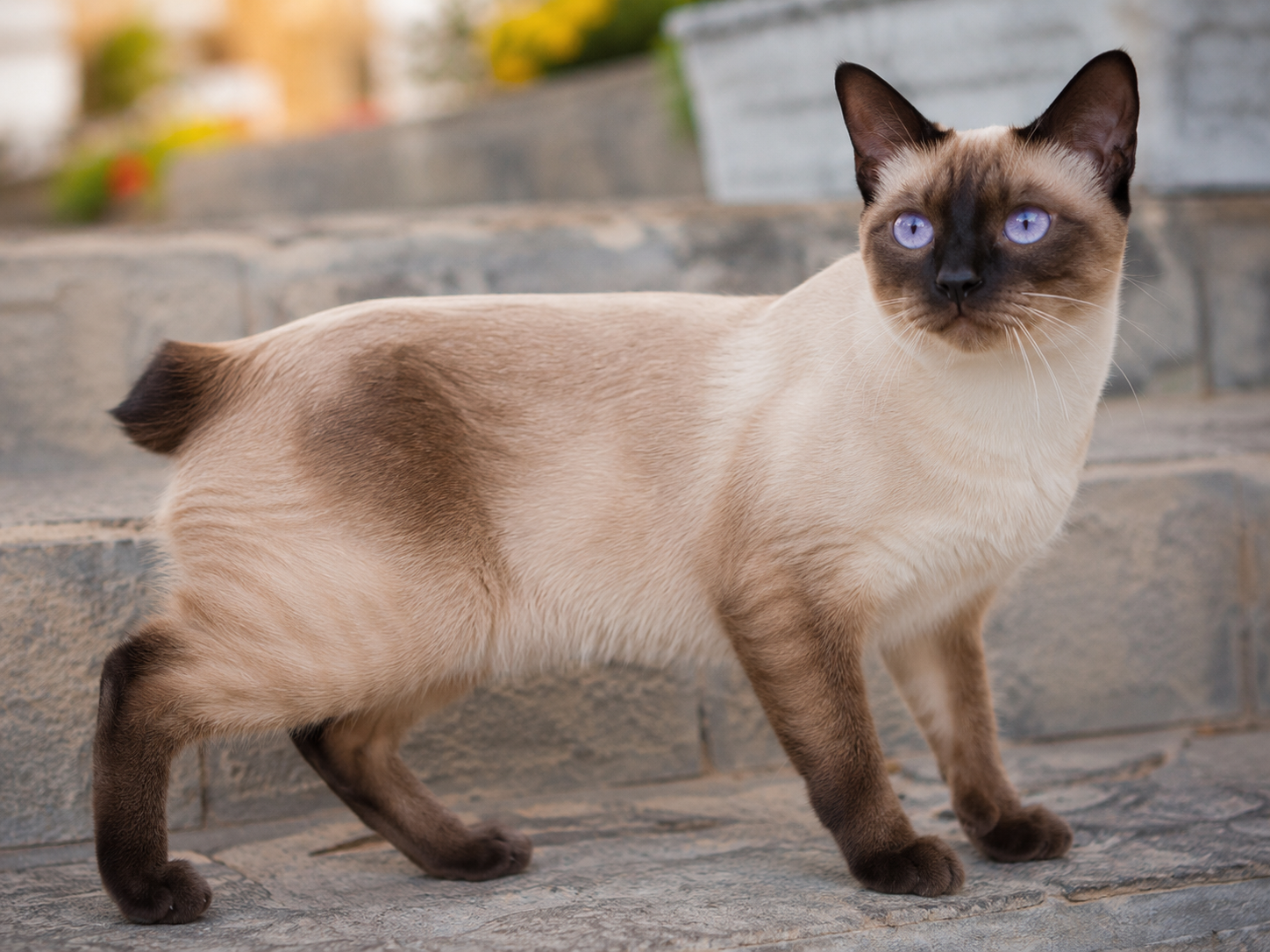
There is also another scientific theory about the origin of tailless cats: breed degeneration. Phi Phi, like many other Thai islands, is an isolated ecosystem where cats mainly breed among themselves, which promotes the preservation of genetic traits.
In Thailand, there is a special attitude toward cats that can be described as a mix of reverence and practicality. Cats are believed to bring good luck, and no one harms them.
At the same time, there are many stray cats in Thailand, especially in tourist areas. Attitudes toward them vary: some Thais regularly feed them, while others remain neutral.
You can also feed stray cats if you see them in Phuket. The world becomes a little kinder if at least one cat is well fed!
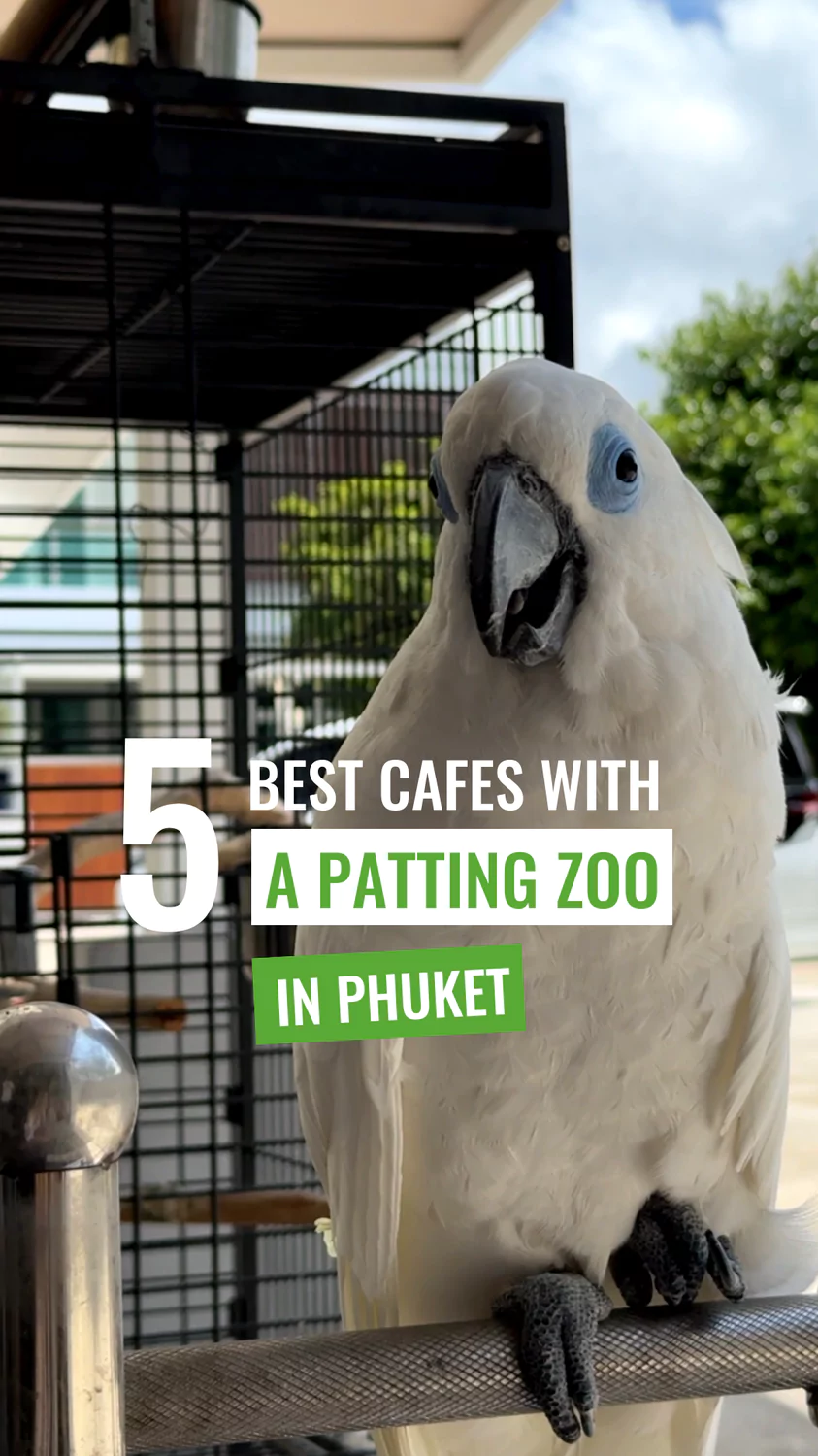
You can find more cafes and restaurants with petting zoos in Phuket on the page https://phuket-insider.com/en/category/cafes-and-restaurants-with-a-petting-zoo/
Also visit the section https://phuket-insider.com/en/category/zoo-parks/