Phuket’s Unique Craft Traditions
For centuries, Phuket has been a crossroads of trade routes: Chinese junks, Indian ships, and Arab vessels arrived here. Merchants brought fabrics, ceramics, ornaments, and new techniques, while local artisans reinterpreted them in their own way.
Today's Phuket is also a custodian of unique artistic practices. Silk weaving, batik, ceramics, wood carving, and pewter items are not just souvenirs, but a living part of the culture that helps to understand the character and soul of the island.
Silk Weaving: a Precious Thread
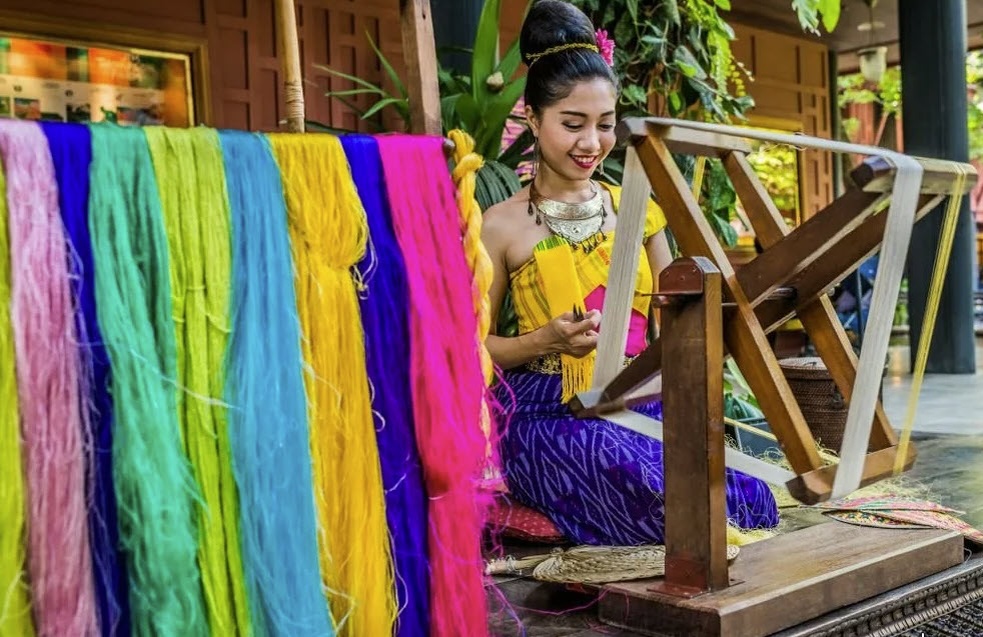
Silk in Thailand is a special source of pride. And although the main center of weaving is considered to be Isaan (the northeast of the country), on Phuket this art has also acquired its own unique shade.
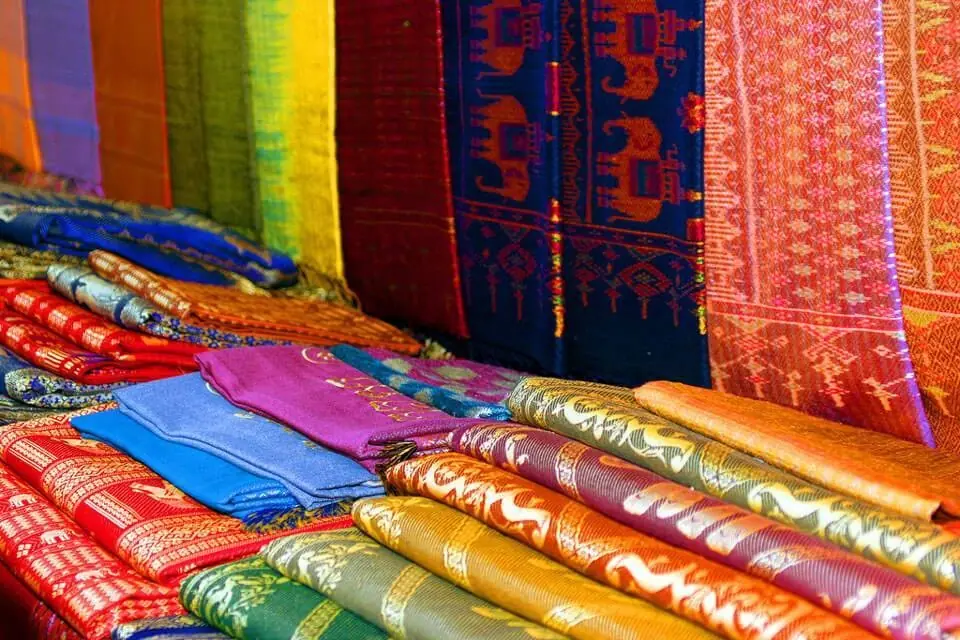
Silk threads were brought to the island by Chinese and Indian merchants as early as the 15th-16th centuries. At that time, they were used for the clothing of the nobility and the decoration of temples. Well, and later, local artisans mastered their own techniques, and motifs of the Andaman Sea — waves, seashells, and frangipani flowers — appeared in the fabric patterns.
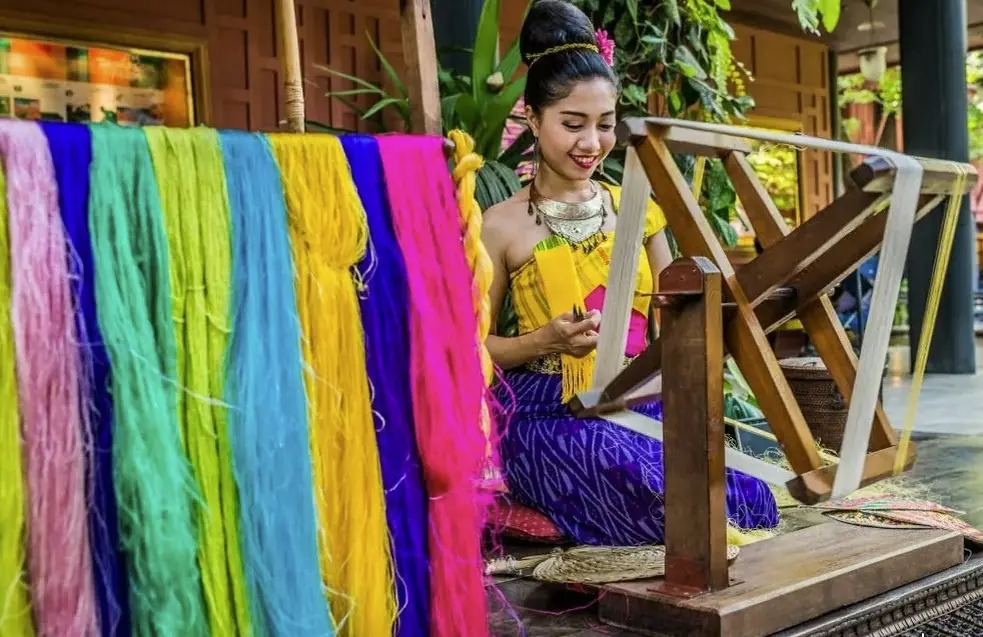
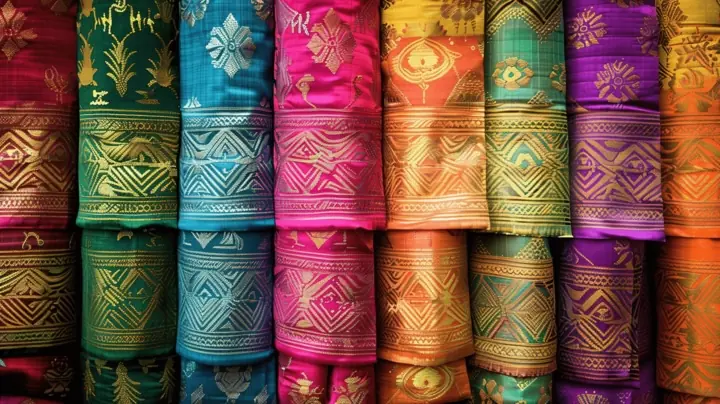
Weaving in Phuket has always been more intimate and artisanal than in large centers. Families created fabrics by hand on wooden looms. They used natural dyes for coloring: indigo, turmeric, and extracts from tropical plants.
The main value of such fabric lies in its "unevenness" and imperfection: yet every thread is unique, and the pattern is alive and one-of-a-kind.
Where to Get Acquainted
Thailand even hosts a Silk Festival, so significant this fabric is here. This festival is a unique opportunity to see how ancient traditions come to life before your eyes: artisans demonstrate hand weaving, hold master classes, and there are also fashion shows and fairs where items made with love and immense patience are sold. The main venue of the festival is located in the Isaan region, but events dedicated to silk are also held in other cities — for example, Bangkok and Chiang Mai.
Today, silk weaving is being revived thanks to small workshops and cultural centers. In Phuket Town, you can find boutiques selling handmade scarves and shawls. Pieces with patterns that combine traditional and modern motifs are especially interesting — such items will fit into your wardrobe if you know how to combine them skillfully.
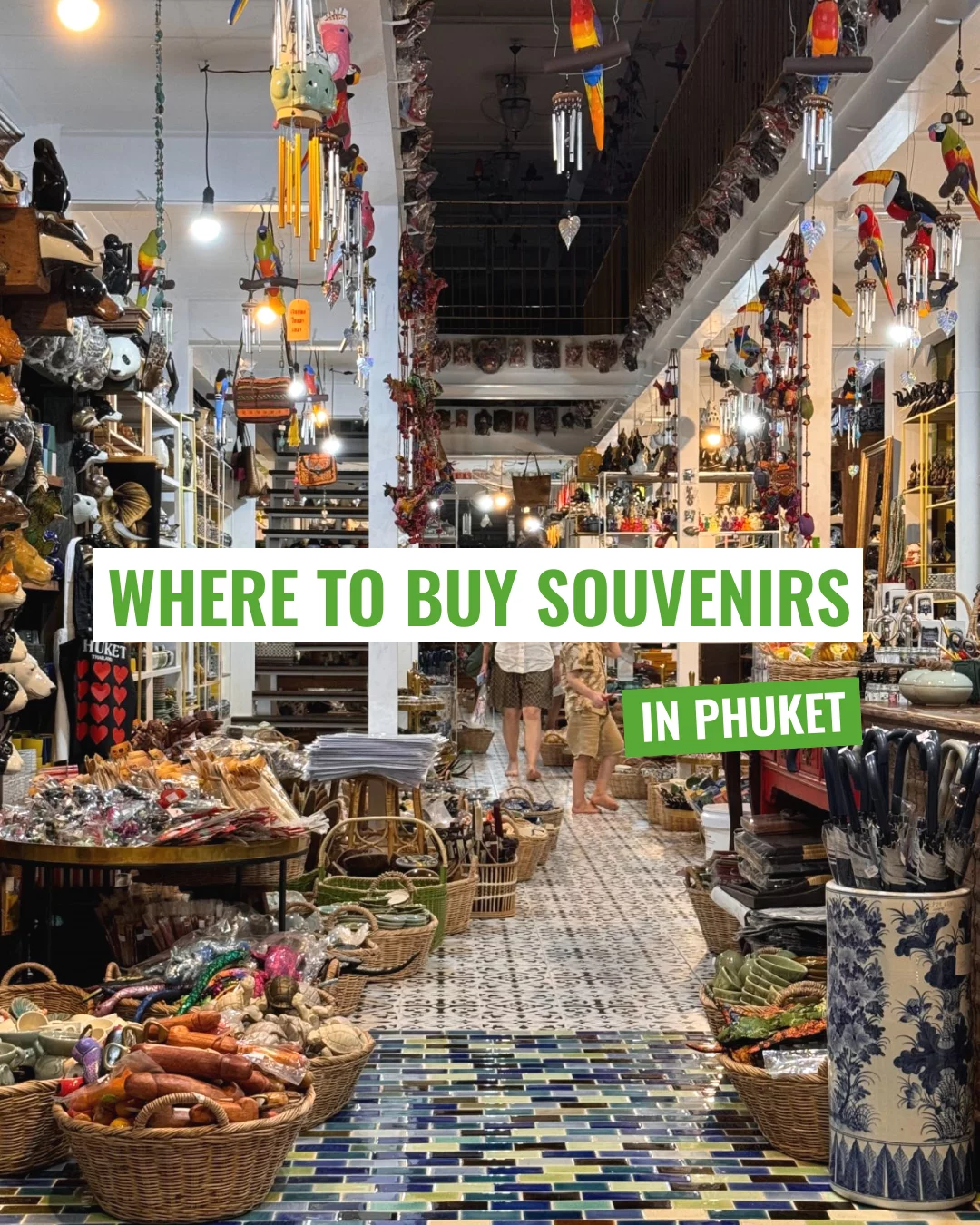
You can find the best spots to buy a unique silk souvenir in the selection Souvenir Stores in Phuket.
Batik: Painting on Fabric
If silk weaving is associated with patience and rhythm, then batik is primarily about fantasy and a play of colors. This technique came to Phuket from the island of Java via trade routes. Later, it was adapted by Malaysian and Thai artisans, who added their own motifs. In southern Thailand, batik has become an integral part of cultural identity.
How Batik is Created
The process resembles magic: a wax pattern is applied to the fabric, which protects certain areas from the dye, and then the fabric is dyed and dried multiple times, creating complex shimmers. After the wax is removed, a pattern appears — it can be a sea with colorful fish, tropical flowers, or geometric patterns — depending on the artisan's imagination.
Marine motifs are especially popular on Phuket: corals, turtles, and clownfish. Images of the lotus — a symbol of purity — and mythological birds that "guard" the home are also common.
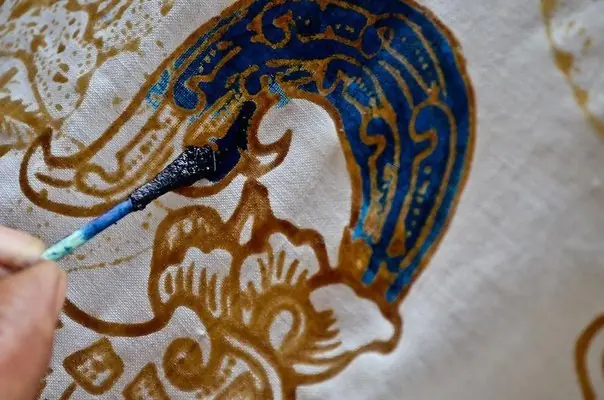
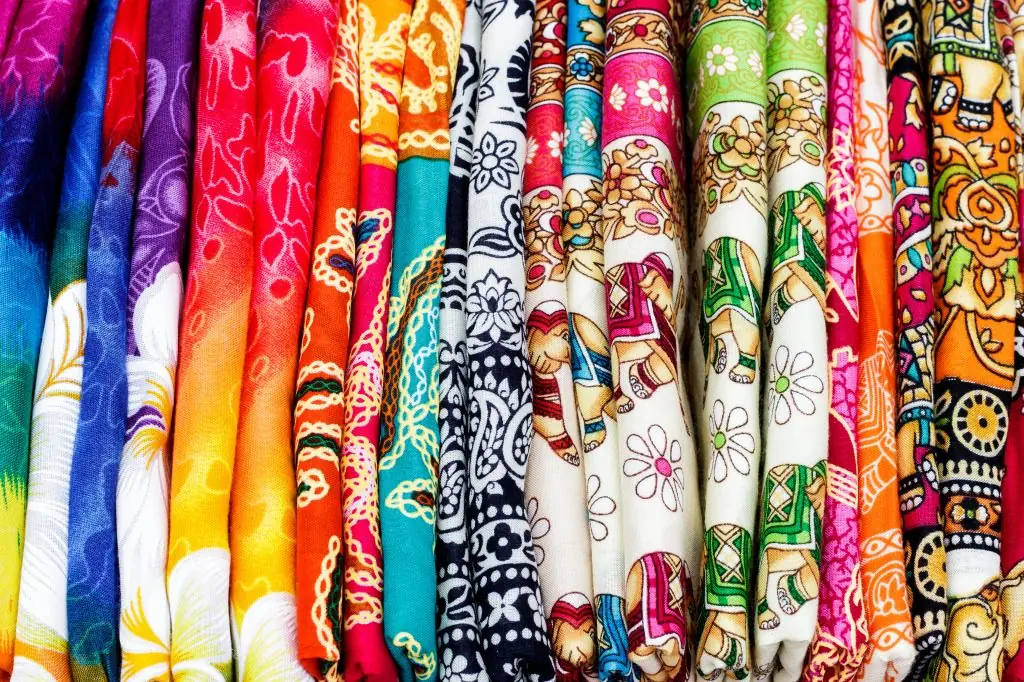
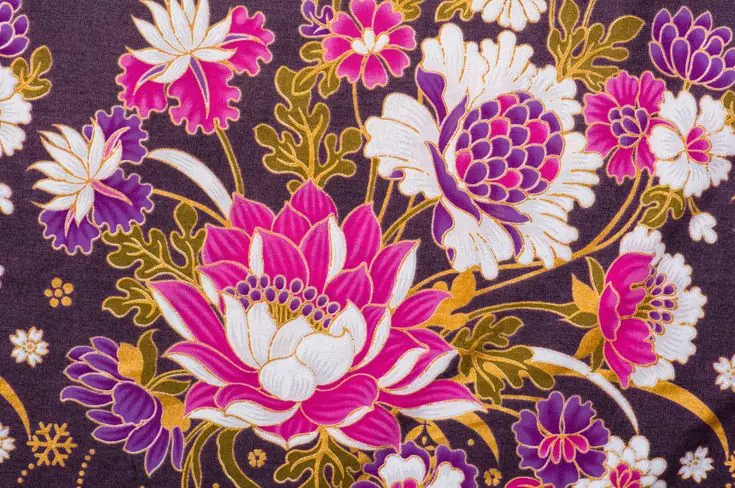
The trick is also that every batik is unique. An artisan repeating a pattern will never create an absolutely identical copy: drops of paint always fall differently, and the wax lines flow with a slight asymmetry. So, each piece is an exclusive!
Where to Try Batik Yourself
There are workshops on Phuket where you can take part in a batik master class. For example, at Phuket Batik Painting Class https://nattanitap.wixsite.com/phuketbatikpaintingc. Classes take place in small studios where they teach the basics: applying wax, working with a brush and dyes. It is a good opportunity to bring home a souvenir created with your own hands.
Ceramics: a Clay Chronicle
Speaking of Phuket's traditions, one cannot overlook ceramics. Although the island is not as well-known in this field as Chiang Mai or Sukhothai, it has nevertheless developed its own school.
Phuket's ceramics date back to a fusion of Chinese and local technologies. In the 17th-18th centuries, porcelain was imported here, but local artisans also learned to fire items, covering them with a durable glaze. Tableware and figurines were used in everyday life and in temple rituals.
Phuket ceramics are distinguished by simple but expressive forms. The color palette traditionally gravitates towards a marine range: white, blue, turquoise, and dark blue.
Patterns of waves, fish, and corals are often found. Another feature is relief elements: artisans like to add patterns in the form of leaves or sea animals to the surface.
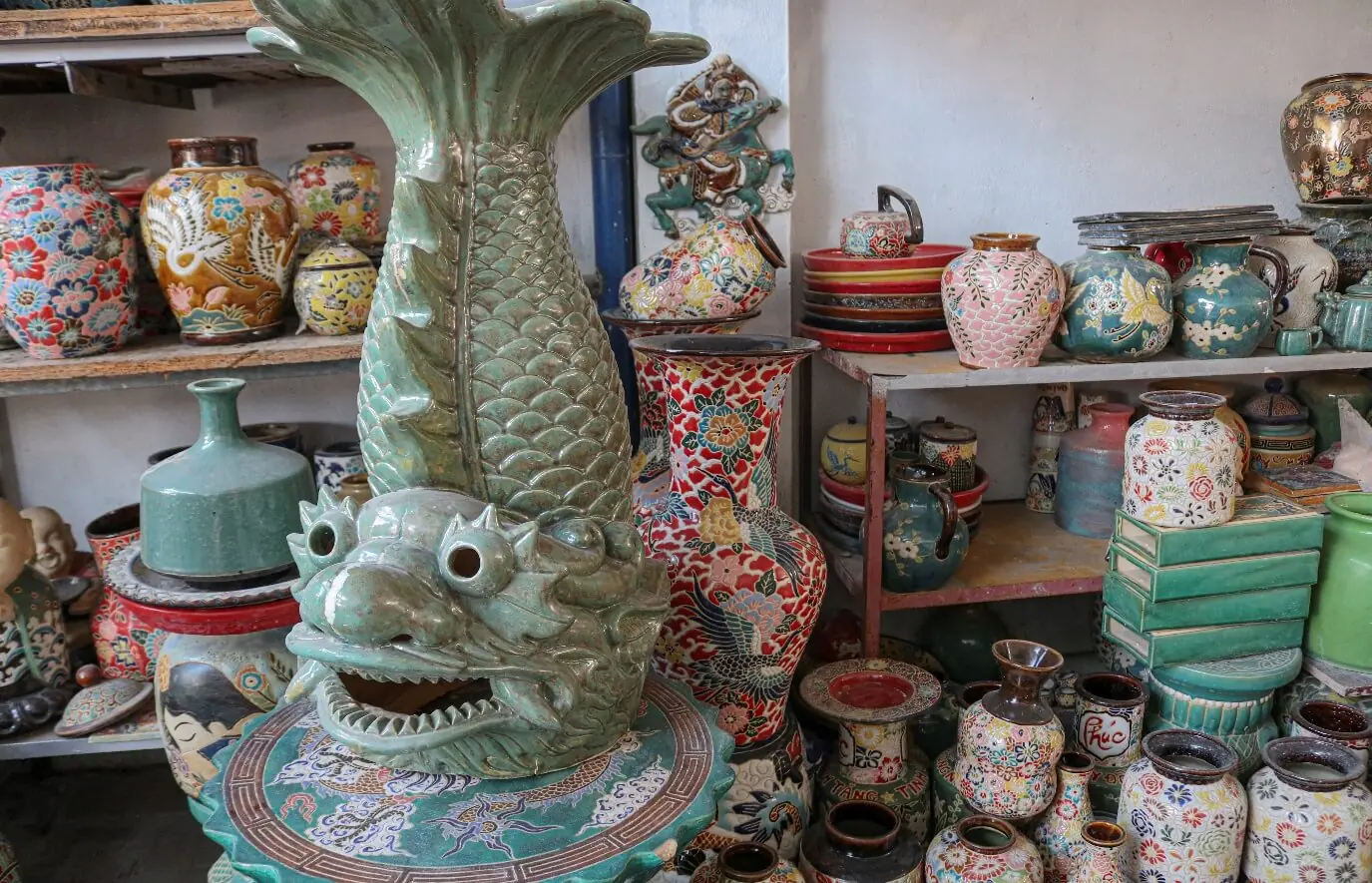
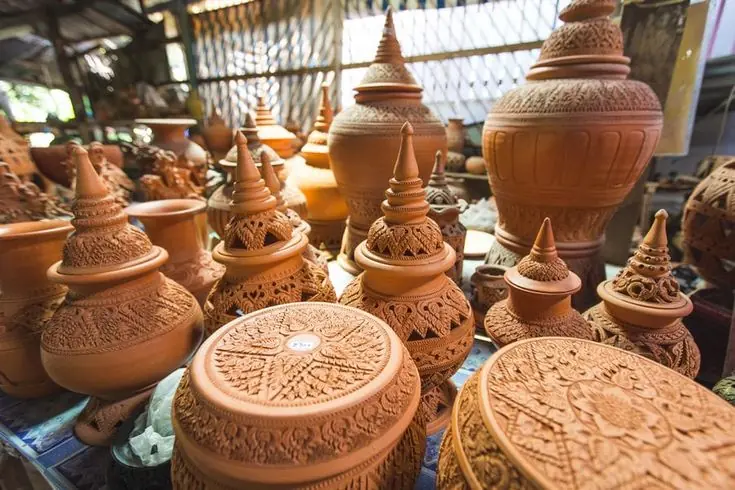
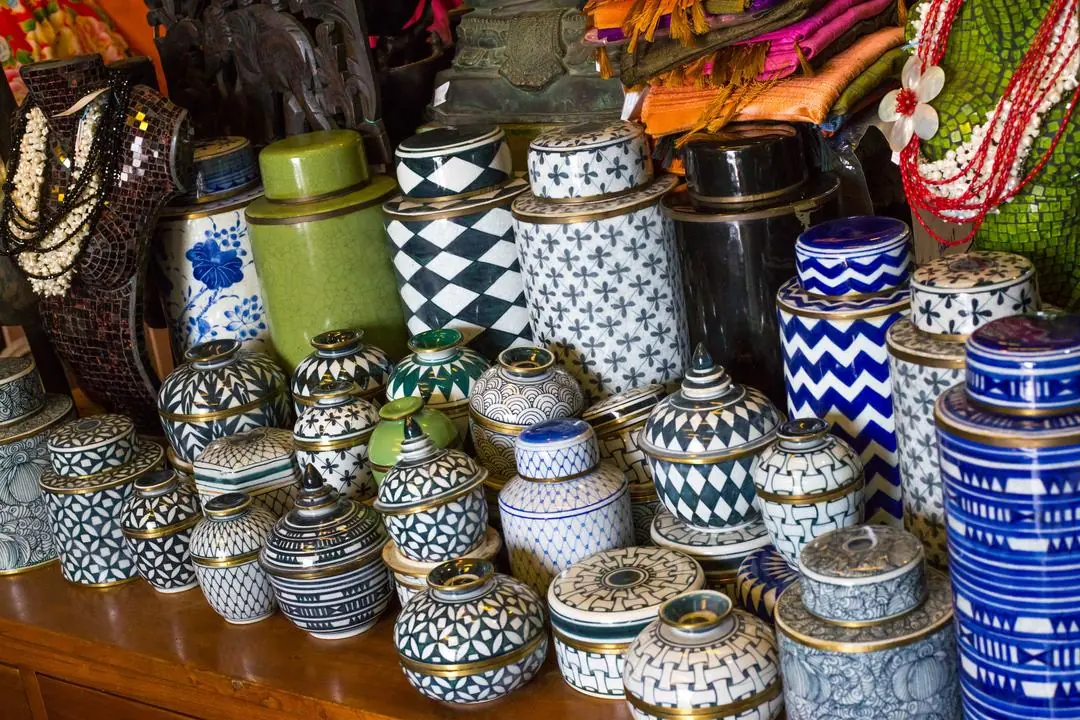
Where to buy ceramics? In the same Phuket Town. There are galleries and shops here where you can buy handmade vases, tea sets, and decorative figurines. For example, the Ceramic Lover shop in Phuket Town. Just ask them to pack your purchase securely — the item is fragile.
Wood Сarving
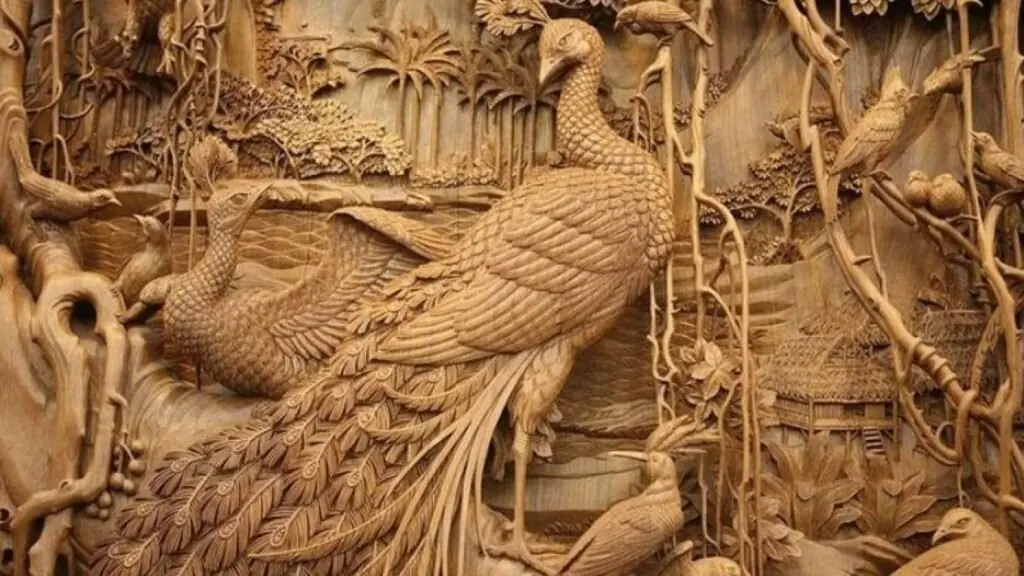
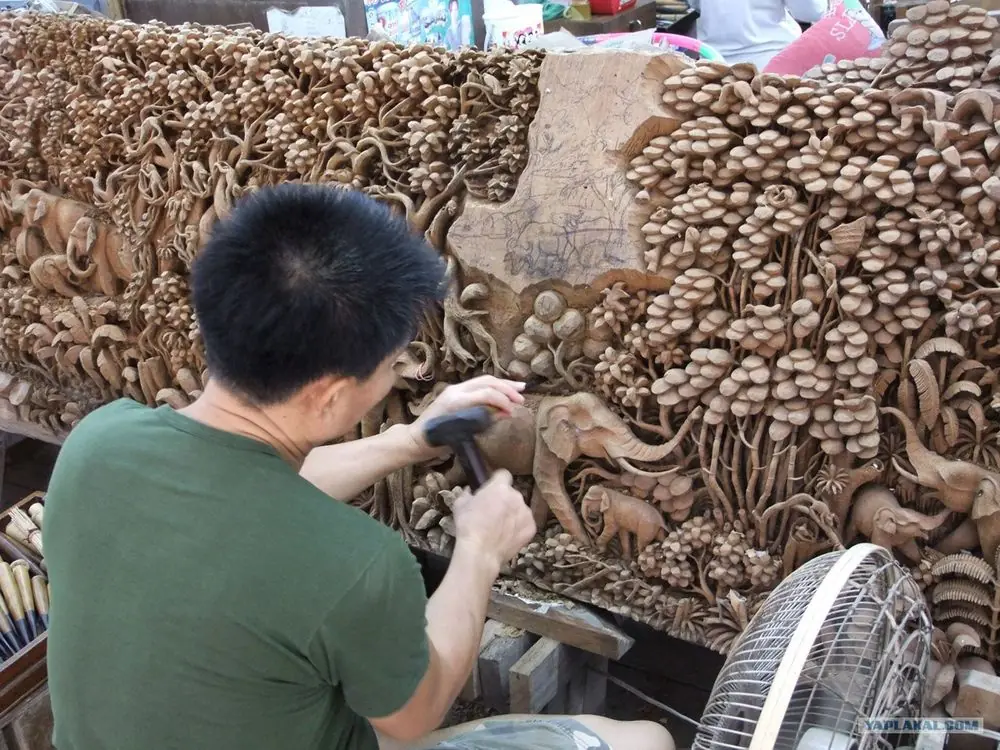
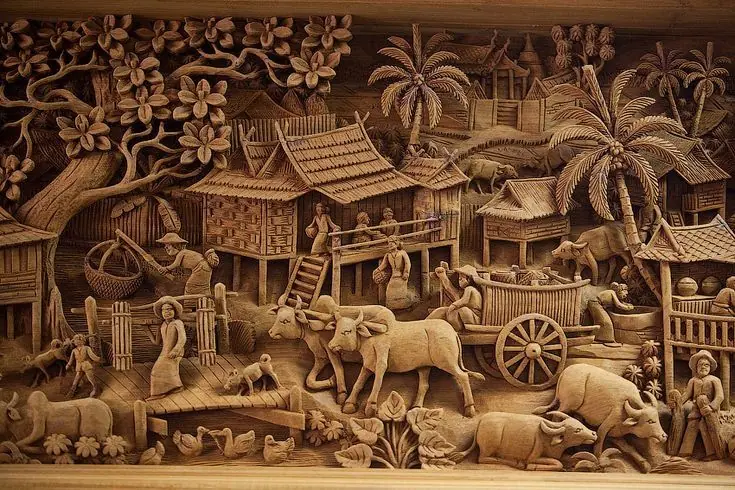
Wood carving in Phuket has deep historical roots, stemming from a combination of Thai and Chinese traditions. Artisans use teak wood, hard mango wood, and mahogany to create unique items — from furniture and carved panels for houses to decorative figurines of Buddha, animals, and mythological creatures.
By tradition, the carving is often decorated with patterns that have meanings:
- Lotus symbolizes purity and spiritual development.
- Sea waves and shells — the island's connection to the sea.
- Dragons and birds — the influence of the Chinese tradition, talismans for the home.
- Images of Buddha — objects of religious veneration.
Special attention is paid to details: even a small sculpture can be carved with striking intricacy, and some panels occupy entire walls of temples and mansions.
Where to Get Acquainted
Today, wood carving in Phuket is valued not only as a traditional craft but also as a work of art, and many workshops offer master classes to tourists where they can try their hand at this ancient craft.
Where you can see the artisans' work:
- Island temples: the most complex and profound works.
- Phuket Old Town: mansions in the Chinese-Portuguese style with carved doors and windows.
- Workshops and galleries: offer to buy both small figurines and panels, as well as unique works of art made as one-of-a-kind pieces.
Pewter Items
Pewter plays a special role in Phuket's history: for centuries, the island was a center for the extraction of this metal.
You can read more about this important historical period in the article From Tin Mines to a Global Resort: The Story of Phuket's Transformation.
Local artisans created utilitarian tableware from pewter — pots, plates, and bowls, as well as decorative figurines, candlesticks, boxes, and jewelry. The items were often decorated with engraving, relief patterns, and gilding, which made them both practical and beautiful.
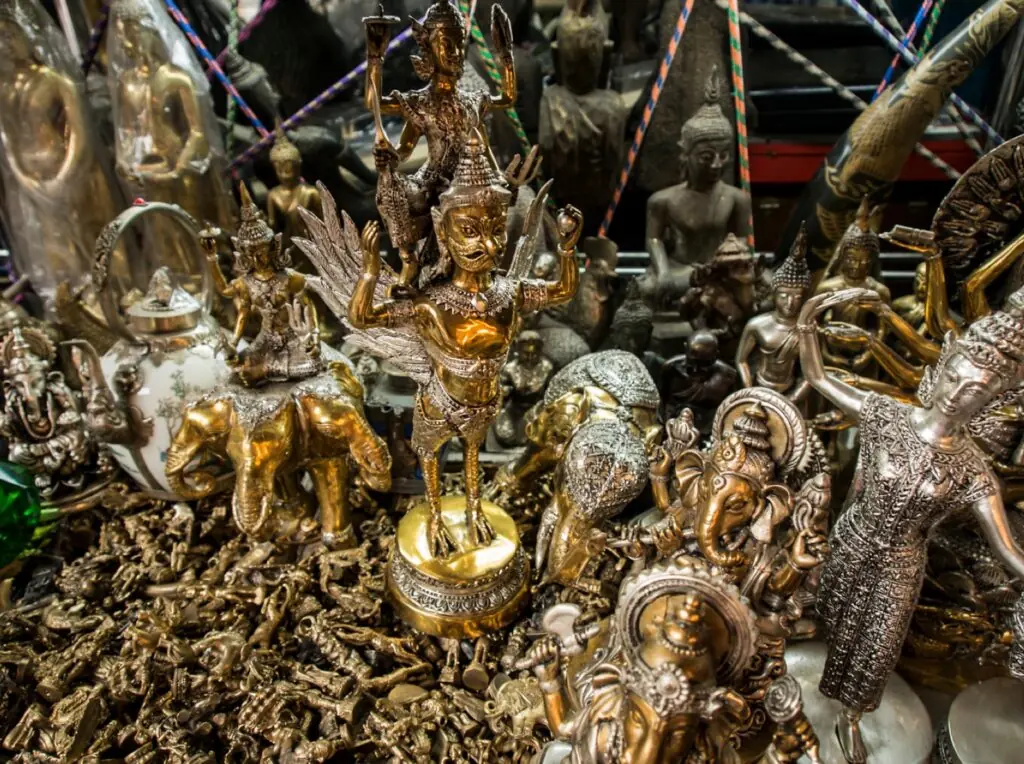
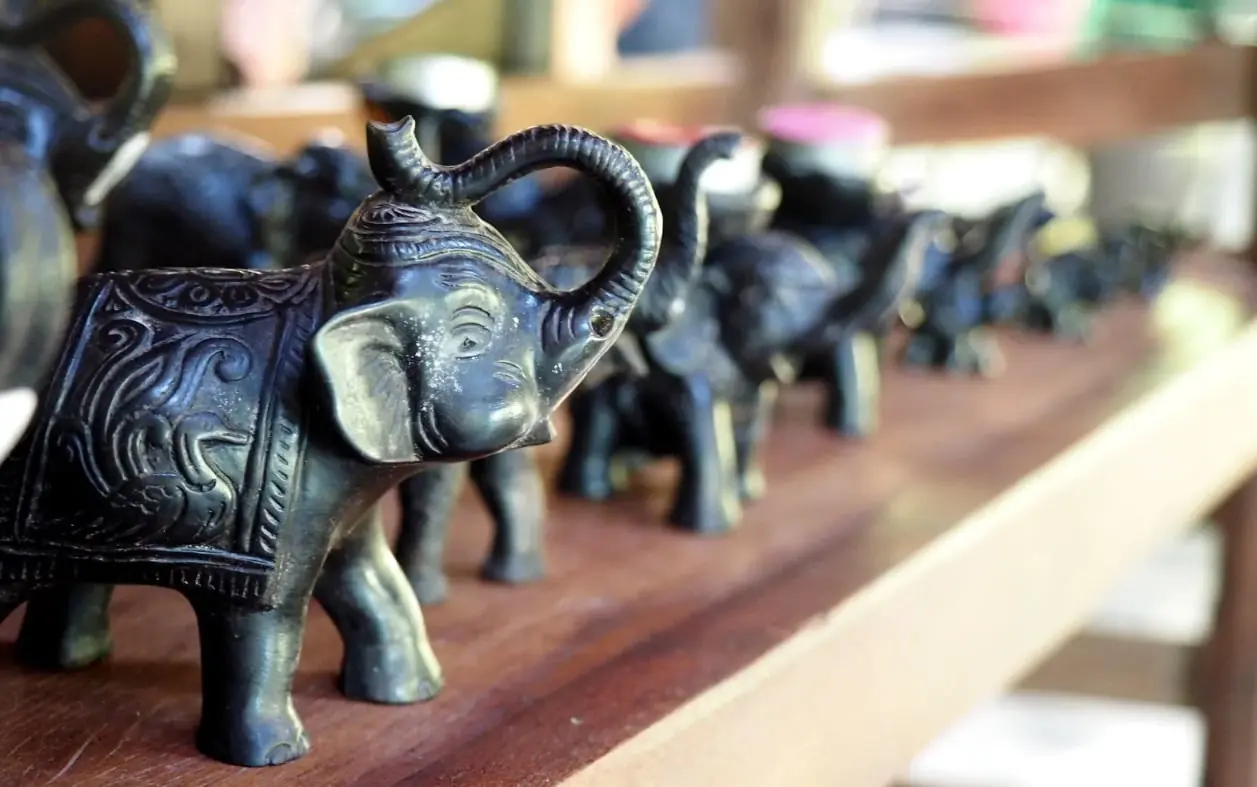
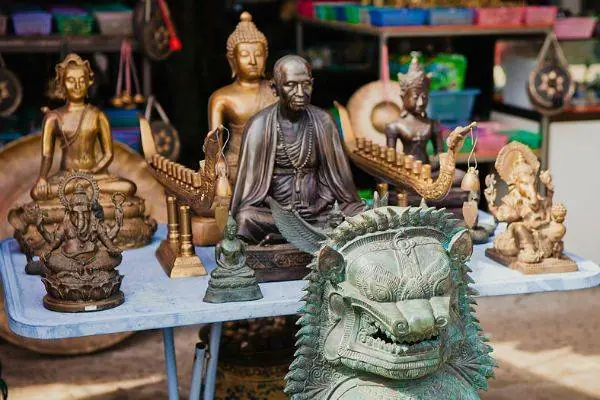
Traditionally, pewter items were considered objects of everyday use, but with the development of tourism, the craft is gradually acquiring a decorative and souvenir character. Pewter items were valued for their durability, strength, and beautiful silvery sheen. Artisans did not limit themselves to simple forms:
- they engraved and embossed patterns on the surface,
- they combined pewter with gilding and enamel,
- they created not only tableware but also figurines of animals, mythological creatures, jewelry, and boxes.
Nowadays, you can find workshops where tourists can watch the casting process and hand engraving, as well as purchase unique items made using ancient technologies.
Why It Matters
In a world where most things are produced by factories, Phuket's traditional crafts preserve authenticity. Each item is a piece of history, created by the hands of artisans who continue the traditions of their ancestors. And for a tourist, this means that you can take home not just a souvenir, but an item with a soul.
Of course, first and foremost, the original crafts of Phuket can be seen in museums, temples, and during excursions.