Thai Massage: No Oil, Fully Clothed
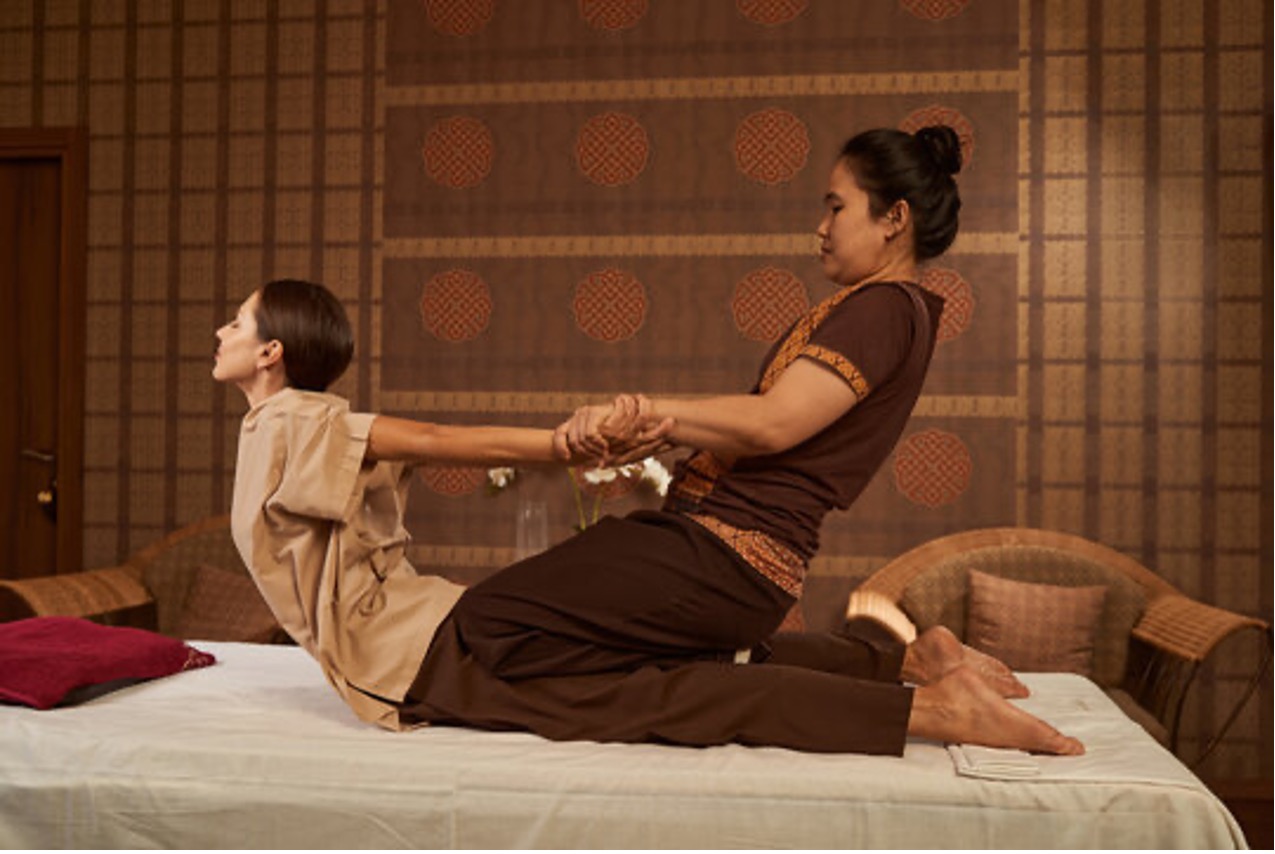
Thai massage is the calling card of Thailand. It is even included in the UNESCO Representative List of the Intangible Cultural Heritage. Opinions on this type of massage vary: for some, it is real torture, while for others, it is a blend of yoga and the deepest relaxation, after which you feel like you could flutter like a butterfly.
Let's figure out what traditional Thai massage is all about, uncover its secrets and miraculous properties, and then you can decide whether you need it.
Find the best massage parlors, including those sorted by district, on this page.
Traditional Thai Massage: What Is It?
Let's clarify one thing from the start: Thai massage and classic massage are worlds apart. If you are expecting gentle strokes to relaxing music with aromatherapy, you are in for a surprise. Don't confuse Thai massage with the oil massage offered on every corner in Phuket. Traditional Thai massage is a completely different story.
Thai massage is an ancient practice that is over 2,500 years old. One version suggests that it was invented by the Buddha's personal physician, Jivaka Kumar Bhaccha. It is impossible to verify this, so let's believe the legend.
Today, Wat Pho temple in Bangkok is the center of training, where ancient techniques are still practiced.
Thai massage is a cross between a regular massage, yoga, and acupressure. It is often called "lazy yoga" because the therapist literally folds your body into various poses resembling asanas. Traditional Thai massage does not use oils, and the massage is performed through clothing. The therapist uses their palms, thumbs, elbows, knees, and even feet to work on your energy lines and muscles.
How Does It Work?
The concept of energy lines, or "sen," lies at the core of Thai massage. According to its philosophy, invisible energy channels run through the human body, along which life energy, or "prana," flows. When these channels become blocked, illness and discomfort arise.
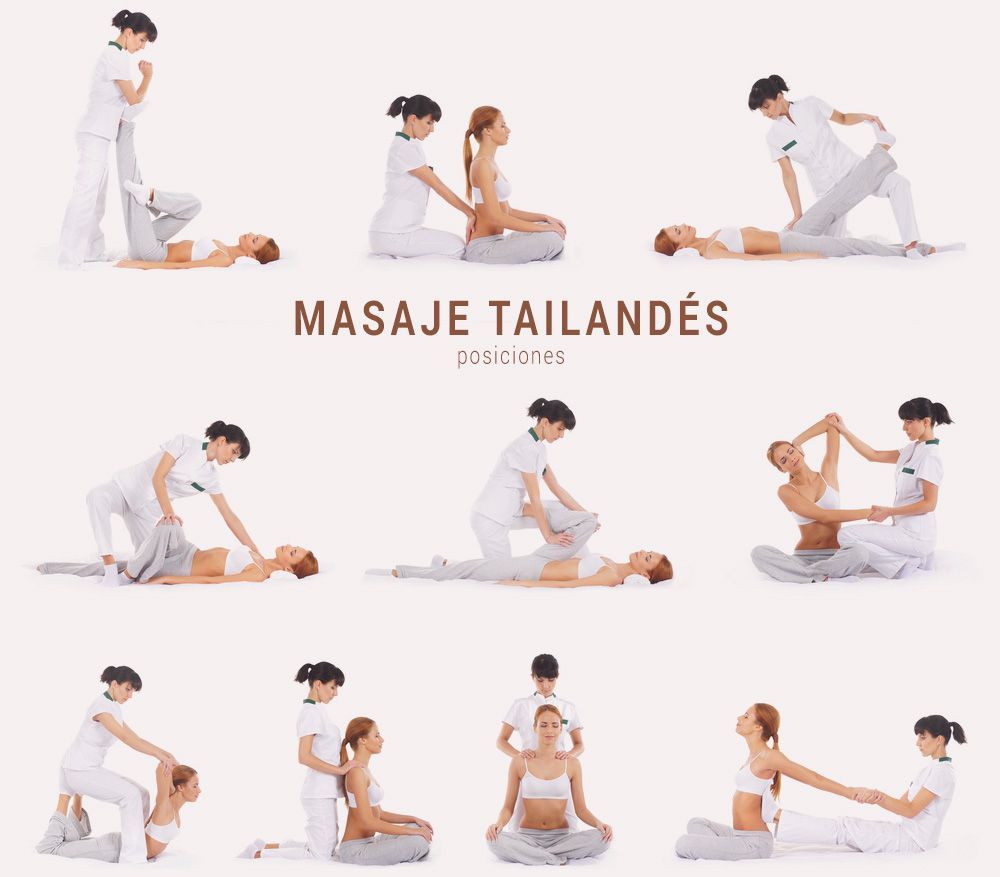
The massage therapist works with the ten main energy lines, using rhythmic pressure and stretches.
The goal of Thai massage is to unblock these channels, restore the free flow of energy, and bring the body back into balance.
How Does Thai Massage Differ From a Regular One?
The main difference is active participation. In a European massage, you just lie there and enjoy yourself, while in a Thai massage, you become an involuntary participant in the session. You will be bent, unbent, twisted, and pulled like plasticine. You will have to comply, otherwise it will be unpleasant.
The second difference is no oils and no undressing. The massage is performed through light, comfortable clothing.
The third is a holistic approach. Thai massage works the entire body from fingertips to crown, including internal organs. After the session, you feel not just relaxed, but literally reborn.
What Will Happen During the Session?
If you decide to get a Thai massage, here is what awaits you:
- You will be provided with comfortable clothing resembling pajamas, or you can stay in your own (the main thing is that it doesn't restrict your movement).
- You will lie on a mat or a special mattress on the floor.
- The therapist will start with your feet and will gradually move up the body, using various pressing and stretching techniques.
- The session usually lasts from 60 to 120 minutes, and, believe me, you will notice every minute.
Benefits of Thai massage
Perhaps Thai massage can be called a "pleasant procedure" with a bit of a stretch. But believe me, the benefits of this experience are worth a little bit of your suffering.
Research shows that regular Thai massage sessions help improve flexibility and joint mobility, reduce muscle tension and pain, improve blood circulation, strengthen the immune system, lower stress and anxiety levels, and boost energy and vitality.
Thai massage is especially beneficial for those who lead a sedentary lifestyle, suffer from back pain, or need to relieve stress. In short, for all modern people.
With Сaution
Despite all its advantages, Thai massage is not for everyone. You should avoid it if you have recent injuries or surgeries, acute inflammatory processes, severe osteoporosis, or oncological conditions. Pregnant women should also be more cautious and ask for permission from their attending physician first.
How to Сhoose a Good Massage Therapist?
This is perhaps the most crucial point. A bad therapist can turn a relaxation session into torture! Here are a few tips:
- Study reviews and recommendations.
- Make sure the therapist has a certificate or diploma (ideally from a school in Thailand).
- Inquire about their work experience.
- Pay attention to the hygiene of the premises.
- Trust your intuition — if something seems suspicious, it is better to look for another place.
Thai massage is more than just a massage. It is an entire journey into the world of ancient traditions and practices, and a unique opportunity to disconnect from constant information noise for a couple of hours and simply be in your body, feeling how it stretches, relaxes, and fills with energy.
And yes, perhaps the next day you will feel as if you have been run over by a truck. And that is absolutely normal! It is new for your body, but after a few sessions, it will adapt and start asking for more. So, if you are in Phuket or planning to visit the island, be sure to schedule a Thai massage!