Thailand — the Land of Smiles: Myths and Reality

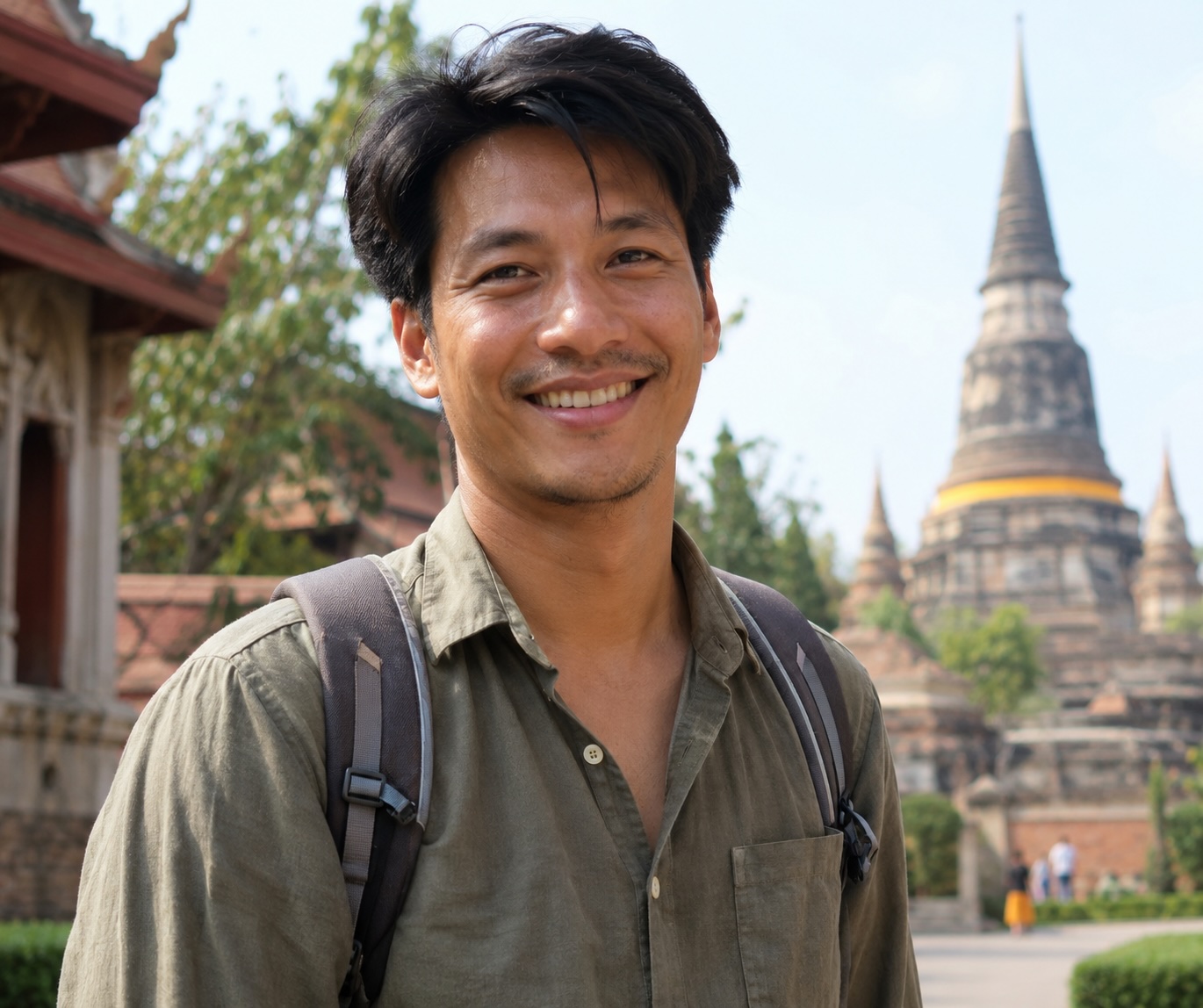
The phrase “Thailand is the land of smiles” is everywhere: in tourist brochures, on airline advertising banners, and in travel blogs. For most foreigners, a smile is the first image that comes to mind when they hear the word “Thailand.”
But what actually lies behind this famous smile? Is it innate friendliness, politeness, or simply a habit of hiding emotions?
Let's try to figure out why Thais really smile so often — and why this smile shouldn't always be taken literally.
Where the “Land of Smiles” Came From
The expression “land of smiles” appeared for a reason. Back in the 1980s, when Thailand was actively developing tourism, the authorities promoted the country as a safe and friendly destination. The smile became a symbol of hospitality, lightness, and harmony.
And although this image is largely a marketing tool, it turned out to be surprisingly accurate. In Thailand, it is indeed customary to smile — but not only out of joy. In local culture, a smile serves as a universal language through which people express not just emotions, but an entire system of meanings.
A Smile as a Way to Avoid Conflict
The main principle of Thai culture is the avoidance of confrontation. Thais learn from childhood to maintain outward calm and not to openly show anger, irritation, or aggression. In society, it is extremely unacceptable to argue, quarrel, or raise your voice. You can also read about this in the article What is forbidden in Thailand.
Here, the concept of kreng jai comes into play — a sense of respect and consideration for others.
Thais try not to inconvenience their interlocutor or put them in an awkward position. A smile often becomes a tool for "smoothing corners." A Thai person may smile even if they feel unpleasant, ashamed, or awkward — simply to maintain the harmony of communication.
A Smile is not Always Joy
For a European, a smile almost always means positive emotions: joy, friendliness, or affection. In Thailand, it is different. Here, there are more than 10 different types of smiles, each with its own meaning. For example:
- Yim yai — a broad, sincere smile of happiness.
- Yim tak tai — a polite smile when you need to keep a conversation going, even if it is uninteresting.
- Yim sao — a sad, sympathetic smile.
- Yim haeng — a tense smile when a person does not know what to say.
- Yim cheun chom — an approving, encouraging smile.
- Yim mai awk — a restrained smile when it is better to remain silent than to start an argument.
So, what may seem like a fake smile to a European is simply a form of politeness and a sign of respect for a Thai person.
Buddhism and Emotional Control
To understand the phenomenon of the Thai smile, one must turn to Buddhism — the religion that shapes the worldview of most Thais.
Buddhism teaches equanimity and inner balance. Expressing vivid emotions, especially negative ones, is considered a sign of lack of awareness and spiritual immaturity. That is why Thais try not to show anger and not to give in to irritation.
In this context, a smile is not a mask, but a way to show that a person is in control of themselves, remains calm, and does not transfer their dissatisfaction onto others.
National Trait or Social Norm?
Sometimes foreigners idealize Thai friendliness, perceiving a smile as an expression of unconditional hospitality. In reality, Thais are not always genuinely happy to see every tourist. It is simply that the culture of communication requires maintaining softness and respect. It is better to smile and remain silent than to get into a conflict or cause awkwardness.
This is exactly why you will almost never hear a blunt "no" from a Thai person. They are more likely to smile than to refuse directly.
Myths about the "Eternal Smile"
- Myth 1: Thais are always happy. No. They simply do not display negativity. Thais experience emotions just like all other people, but they prefer to express them softly.
- Myth 2: A Thai smile is a sign of friendship. Not always. Sometimes it signifies politeness, and sometimes — a desire to end the conversation.
- Myth 3: If someone smiles at you, they are glad to see you. Often yes, but not necessarily. In Thailand, a smile can mean "I don't want to argue," "I don't want to offend," or "let things stay as they are."
How not to Misinterpret a Smile
The main rule is not to take a Thai smile literally. It is better to look at the context: the intonation, body language, and the situation.
- If a person smiles openly while looking you in the eye, they are most likely genuinely friendly.
- If the smile is forced and there is no eye contact, the person is probably just trying to be polite.
- If someone gives you a remark with a smile, it is not mockery, but a way to express criticism gently.
Thais rarely express dissatisfaction directly, but they can convey everything non-verbally: with a slight gesture, a look, or an intonation.
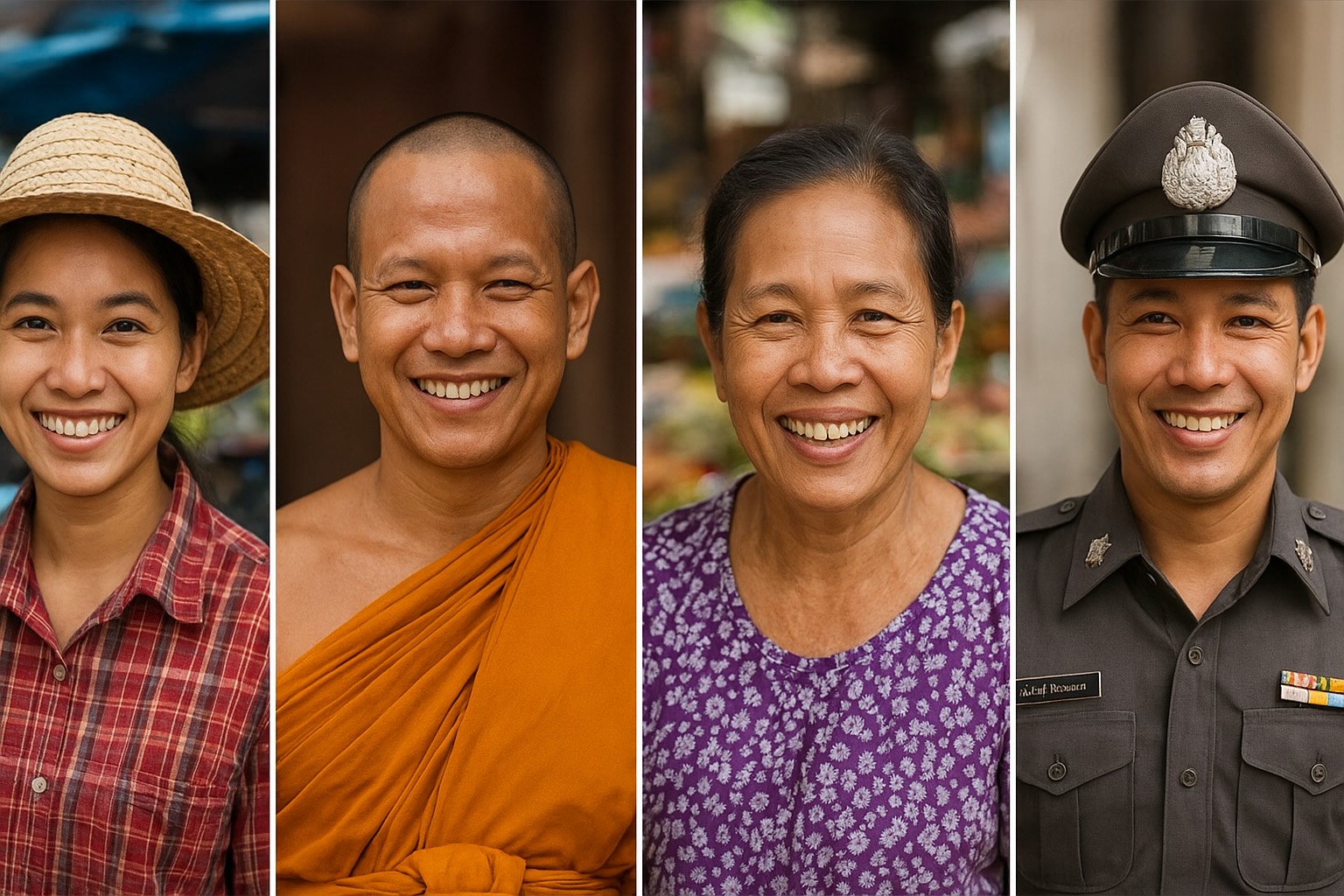
If you think about it, the Thai smile is a reflection of the philosophy of the entire nation. It is not superficial friendliness, but a deep internal culture of respect. It is based on harmony, patience, and the acceptance of the world's imperfection.
Of course, there are exceptions. In tourist areas, where millions of visitors test the patience of local residents every year, smiles can become a formality. But even then, Thais maintain outward softness, because for them it is a norm, not a show.
Thais do not smile because they have no problems. They smile because it is easier to keep peace — within themselves and around them. Their smile is not a mask or commercial politeness, but a language of a culture where harmony is more important than being right, and calmness is valued higher than winning an argument.
To avoid testing the patience of Thais, read the article Etiquette in Buddhist Temples. And be sure to visit the Temples in Phuket — this way you will be able to understand the philosophy of Thai life much better. The best way to do this is to go on a temple tour.