Thailand: A Third-World Country or a Safe Haven?
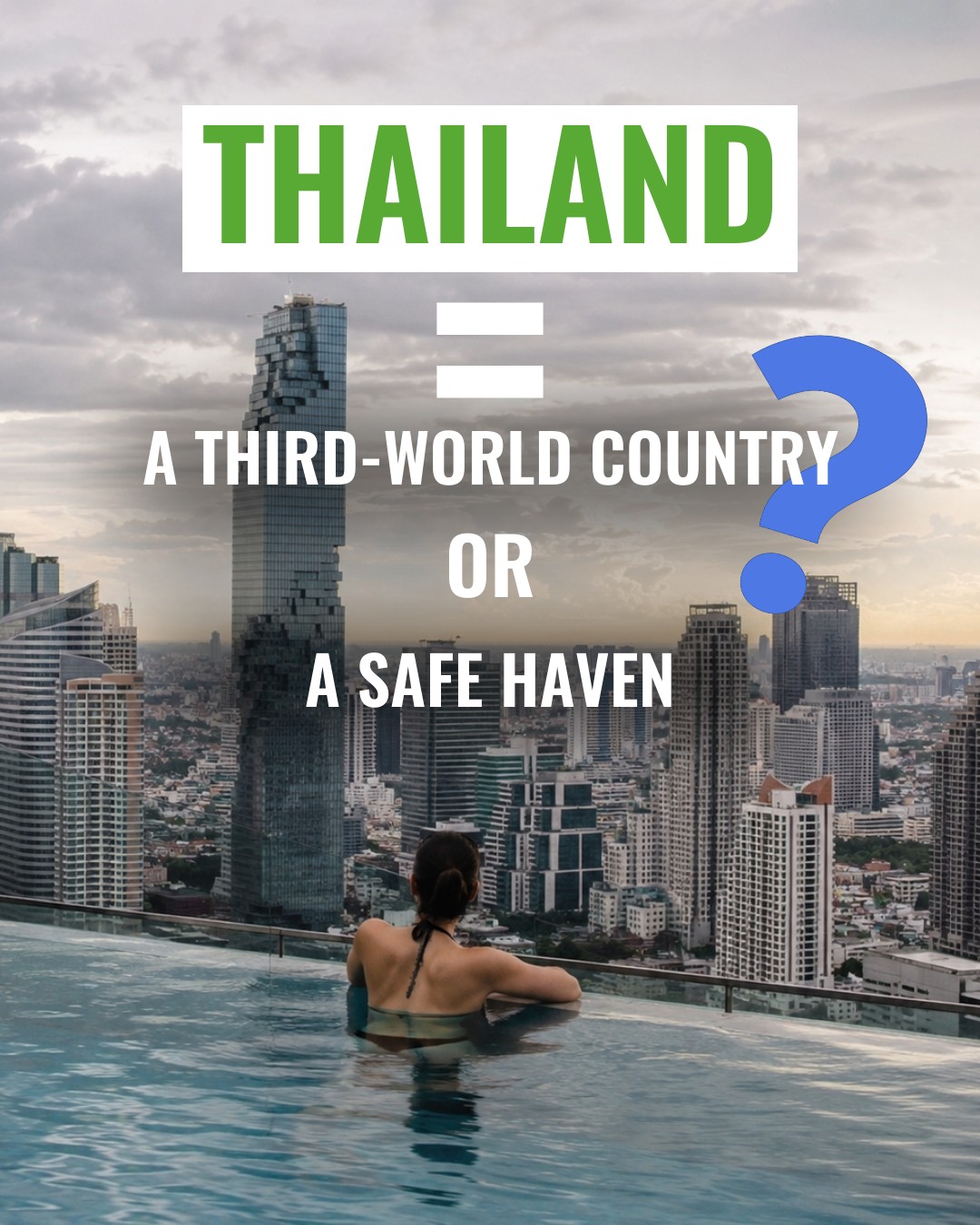
When it comes to Thailand, many people have conflicting images. On one hand, there are exotic beaches, ancient temples, the signature Thai smile, and an atmosphere of complete zen. On the other hand, it is a country with low incomes, corruption, inequality, and chaotic traffic.
Some consider Thailand a true paradise, while others classify the country as a typical representative of the “Third World.”
But how accurate are these perceptions in reality? The data shows that Thailand is far more complex than the usual stereotypes of the “Third World.” To provide an honest and objective answer, we have gathered data from reputable international sources, rankings, and analytical reports. The discussion will cover not only crime rates, but also healthcare, the environment, the economy, and quality of life — and some facts may be surprising.
1. Safety and crime
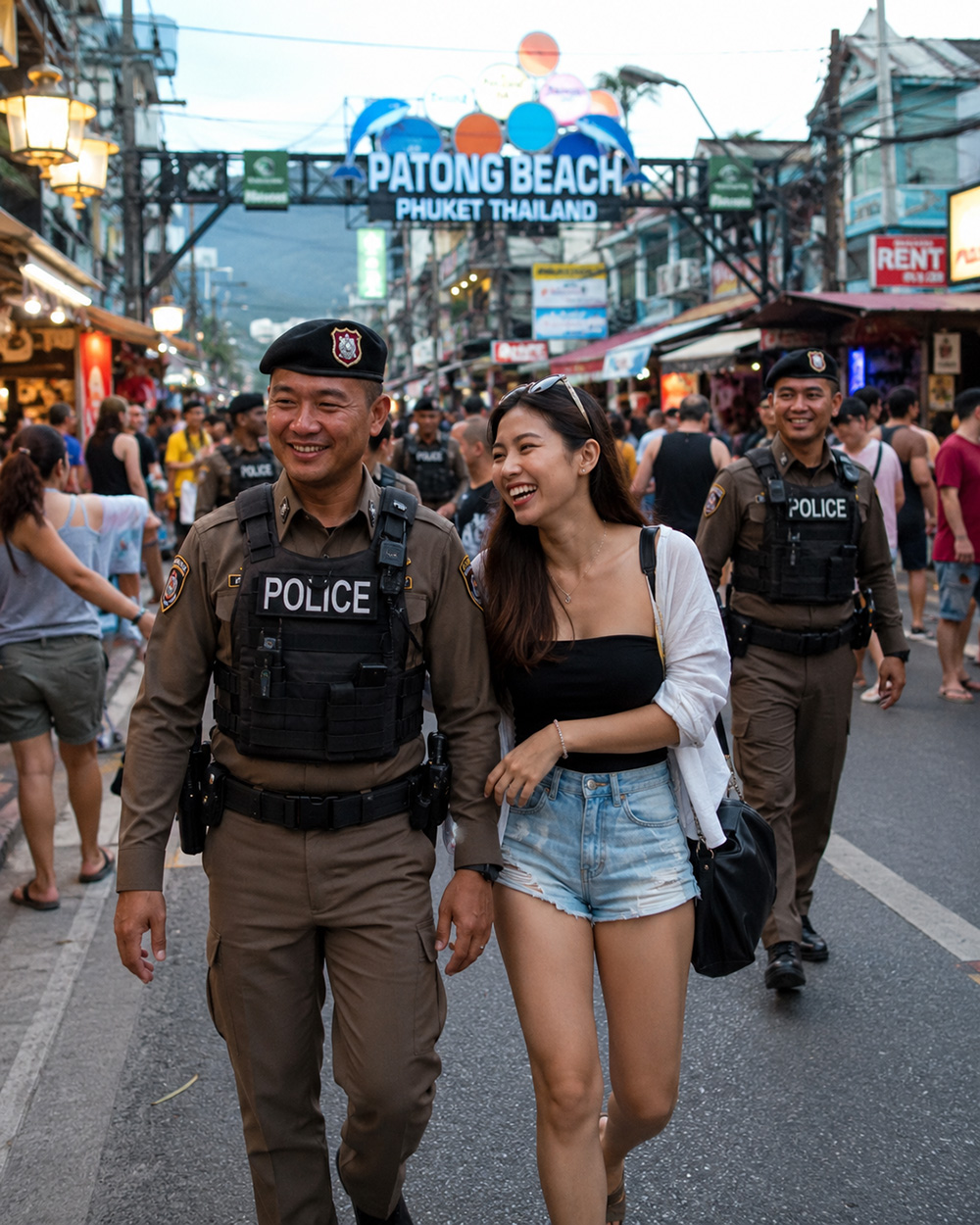
Thailand is among the countries with a relatively low level of street crime. Pickpocketing or minor robberies in tourist areas do occur, but incidents of violent crime are rare.
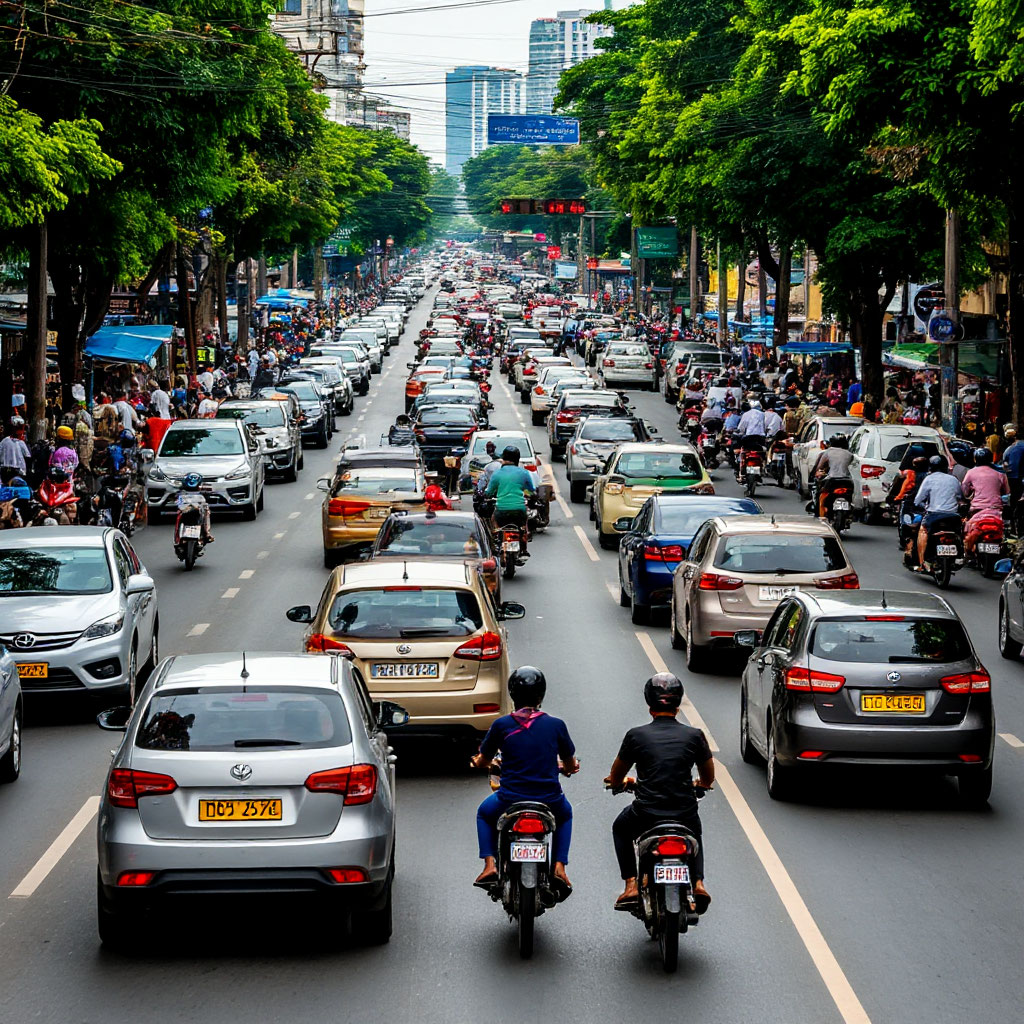
A much greater danger in Thailand comes not from criminals, but from traffic. The road fatality rate is very high.
According to WHO data, Thailand is among the ten countries with the worst figures in this statistic. Every day, around 50 people die in road accidents in Thailand.
If you are planning to get behind the wheel in Thailand, we recommend first thoroughly studying the traffic rules in Phuket.
Against the backdrop of other Asian countries, the risk of terrorism or large-scale street crime is minimal. However, due to the conflict on the border with Cambodia, the governments of some countries (for example, Australia) have issued advisories not to visit certain border provinces. Tourist areas — Phuket and Bangkok — are not affected.
2. Level of corruption and legal framework

According to the Corruption Perceptions Index (CPI) for 2025, published by Transparency International, Thailand scored 33 out of 100 possible points and ranked 116th out of 180 countries.
Compared to the previous year, the score decreased by one point, and the country dropped even further in the global ranking.
This indicates that the issue of corruption in the country remains relevant, although for most tourists and expats it rarely manifests in everyday life.
3. Economy and inflation
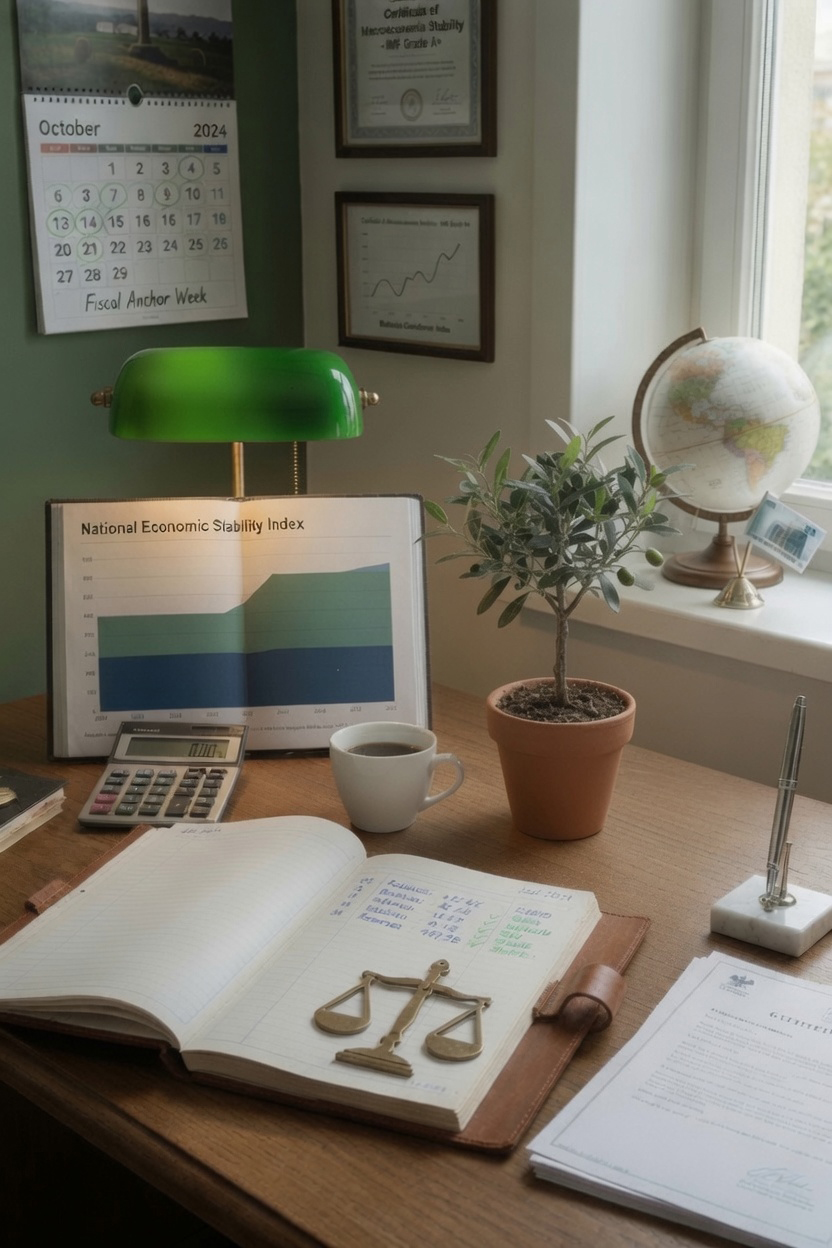
Thailand’s economy continues to grow, although not as quickly as some of its regional neighbors. According to estimates by international financial organizations, the country’s GDP growth in 2025 will be around 2–3%, driven by tourism, domestic consumption, and exports.
Inflation in Thailand remains among the lowest in the world. In 2025, the country even recorded deflation in certain months — a decrease in the overall price level.
For tourists, this means that the cost of vacationing in Thailand changes relatively slowly: many goods and services maintain roughly the same price level for years.
Of course, certain categories of expenses do become more expensive — for example, real estate, some imported goods, and services in popular tourist areas. But overall, Thailand remains a country with predictable prices and relatively low inflation by global standards.
4. Healthcare and medicine

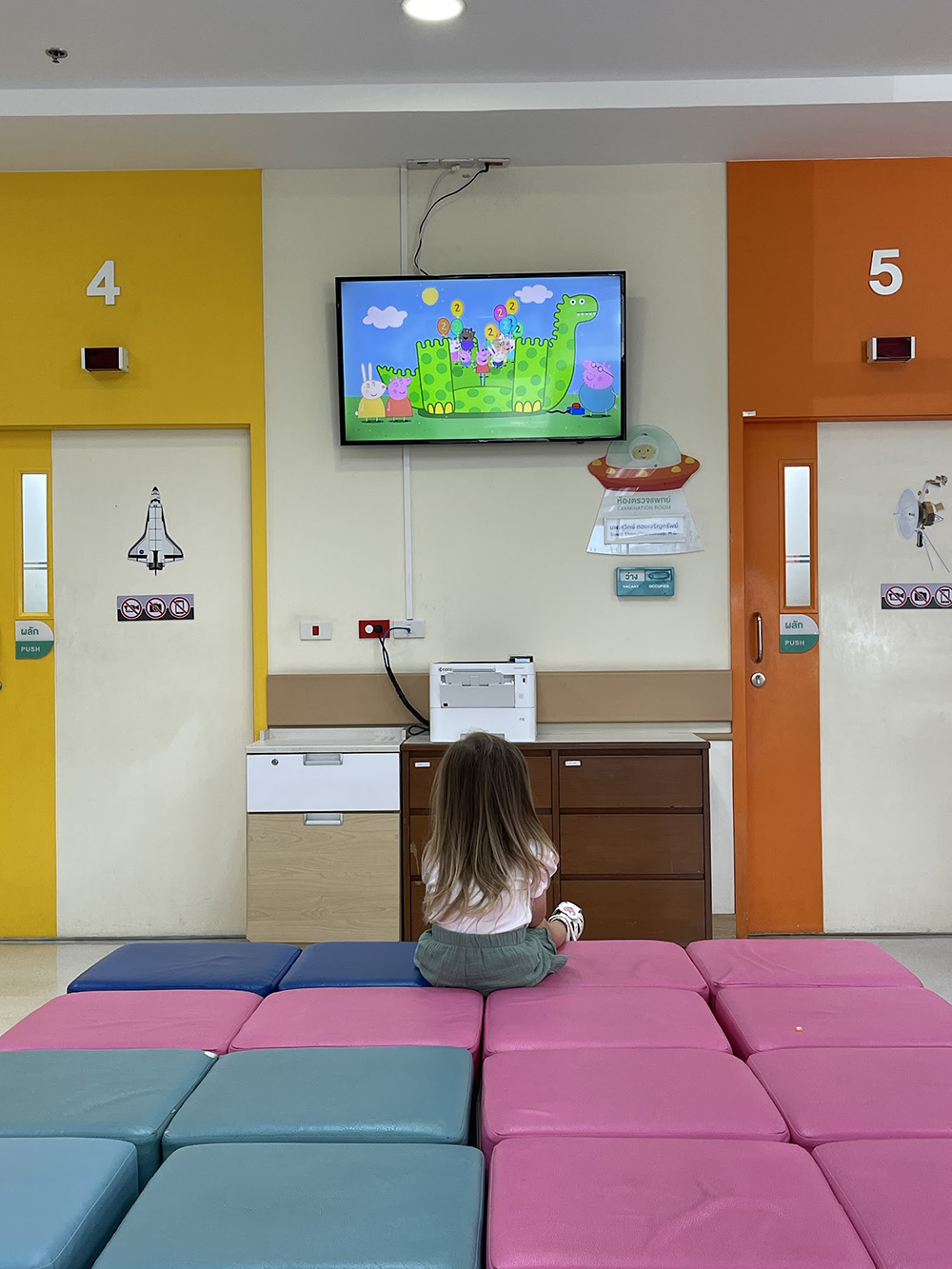
Thailand has long been considered one of the countries with the most developed healthcare systems in Asia. International rankings regularly place it among the global leaders in terms of the balance between quality, accessibility, and cost of medical services.
Read more about this in our article “What you need to know about healthcare in Thailand,” and also visit the Hospitals section, where we have compiled the best clinics and hospitals in Phuket.
In the Numbeo Health Care Index ranking for 2025, Thailand placed 9th in the world in terms of healthcare system quality, surpassing many European countries. Private healthcare is particularly highly rated, along with doctors’ qualifications, modern equipment, and the accessibility of medical care for foreigners.
It is no coincidence that Thailand is one of the world’s largest centers for medical tourism. Every year, hundreds of thousands of international patients travel there, and cities such as Bangkok, Phuket, and Chiang Mai are known for their modern, internationally accredited hospitals.
5. Environment and sustainability
From an environmental perspective, Thailand is positioned roughly in the middle of global rankings. According to the 2024 Environmental Performance Index, the country ranked 90th out of 180 nations with a score of 45.7. This indicates that the overall environmental situation remains acceptable, although certain issues persist — primarily air pollution in major cities and waste management challenges.
In particular:
- Air pollution — 139th place (significantly worse than many countries)
- Sanitation and drinking water — 98th–109th place
- Biodiversity — 101st place due to species loss and reductions in protected areas
One of Thailand’s most noticeable environmental problems remains plastic waste. In recent years, authorities and major retail chains have begun to restrict the use of single-use plastics, but in everyday life packaging is still extremely common. Drinks, ready-made meals, and even small purchases often come with an additional bag or plastic container.
On tourist islands, including Phuket, the problem is especially noticeable due to the large number of visitors and the high consumption of disposable products.
In recent years, the situation has been gradually improving, but it is still too early to speak of a full transition to sustainable consumption.
Despite Thailand’s fairly average performance in global rankings, Phuket is considered one of the country’s most environmentally favorable regions. There is no heavy industry, good air quality is maintained for most of the year, and nearby marine national parks and protected natural areas are located in the vicinity.
6. Overall human and social context
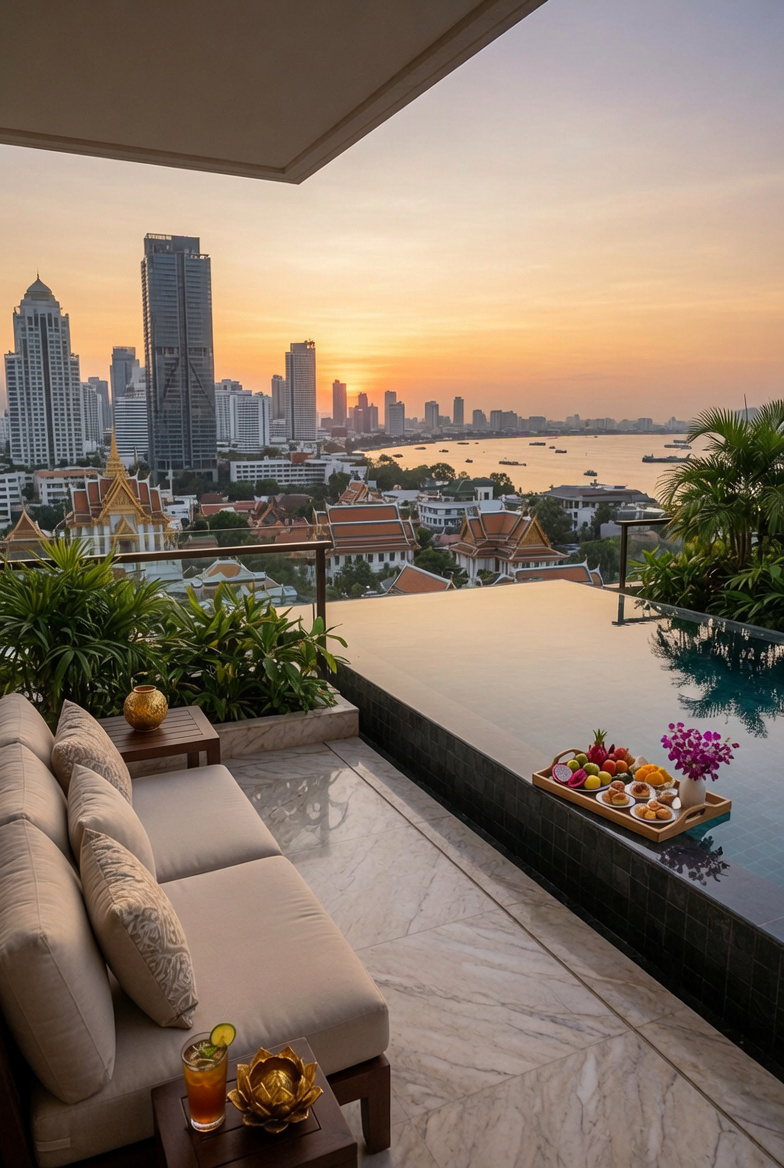
According to the UN Human Development Index (HDI), Thailand is classified as a country with a high level of human development. The country shows solid performance in education, healthcare, and quality of life, although it still lags behind the most developed Asian economies such as Singapore, Japan, and South Korea.
Economic indicators also appear fairly stable. Thailand’s unemployment rate remains among the lowest in the world and usually does not exceed 1%, while the share of the population living below the poverty line is around 6–7%. According to the World Bank, GDP per capita exceeds 7,000 US dollars per year.
That is why Thailand can hardly be classified as a “poor developing country,” as it is sometimes portrayed by some tourists.
Conclusion
Thailand is a country that combines features of a developing economy with a high level of tourist infrastructure, medical facilities, and relative safety. It does not match the traditional notion of the “Third World” either in terms of human development, healthcare, or perceptions of crime in tourist areas.
- Safety: low levels of serious crime, but a high rate of road accidents.
- Economy: steadily low growth, near-zero inflation.
- Healthcare: internationally comparable, often cheaper than in the West, but with issues related to persistent infections and air quality.
- Environment: a weak point that requires reforms, especially regarding water, plastics, and biodiversity.
Taken together, Thailand cannot be classified either as a typical Third World country or as a global leader in safety and quality of life. It is rather a country of stable middle level, with strong tourism potential, good healthcare, and low inflation, but with environmental risks and a moderate level of corruption.
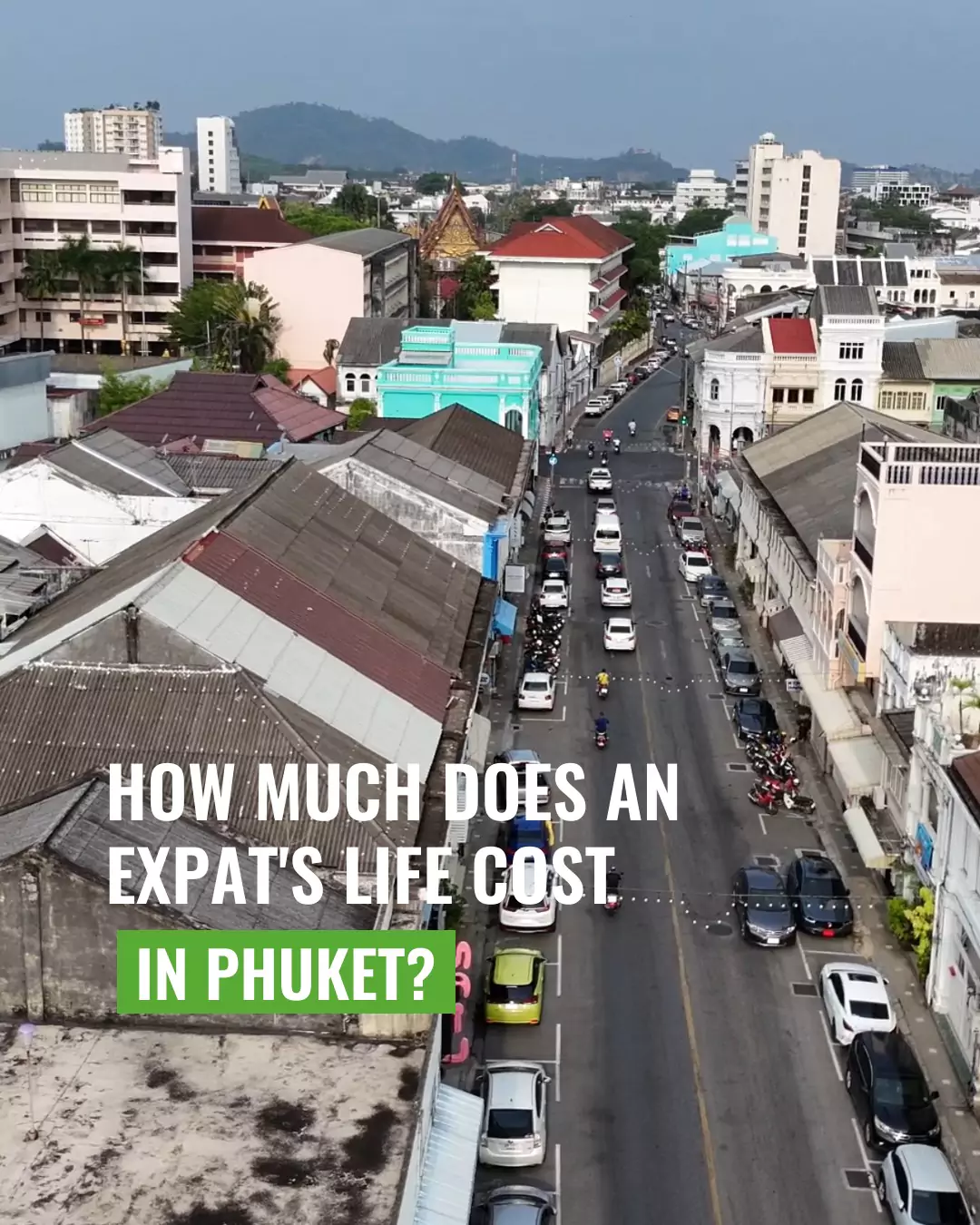
Read our article “How much it costs to live as an expat in Phuket,” where we calculated how much money is needed to live on the island. For the best places for quality leisure time, check the “Places to visit” section.