Phuket’s Tin Rush: How a Metal Transformed Island Life
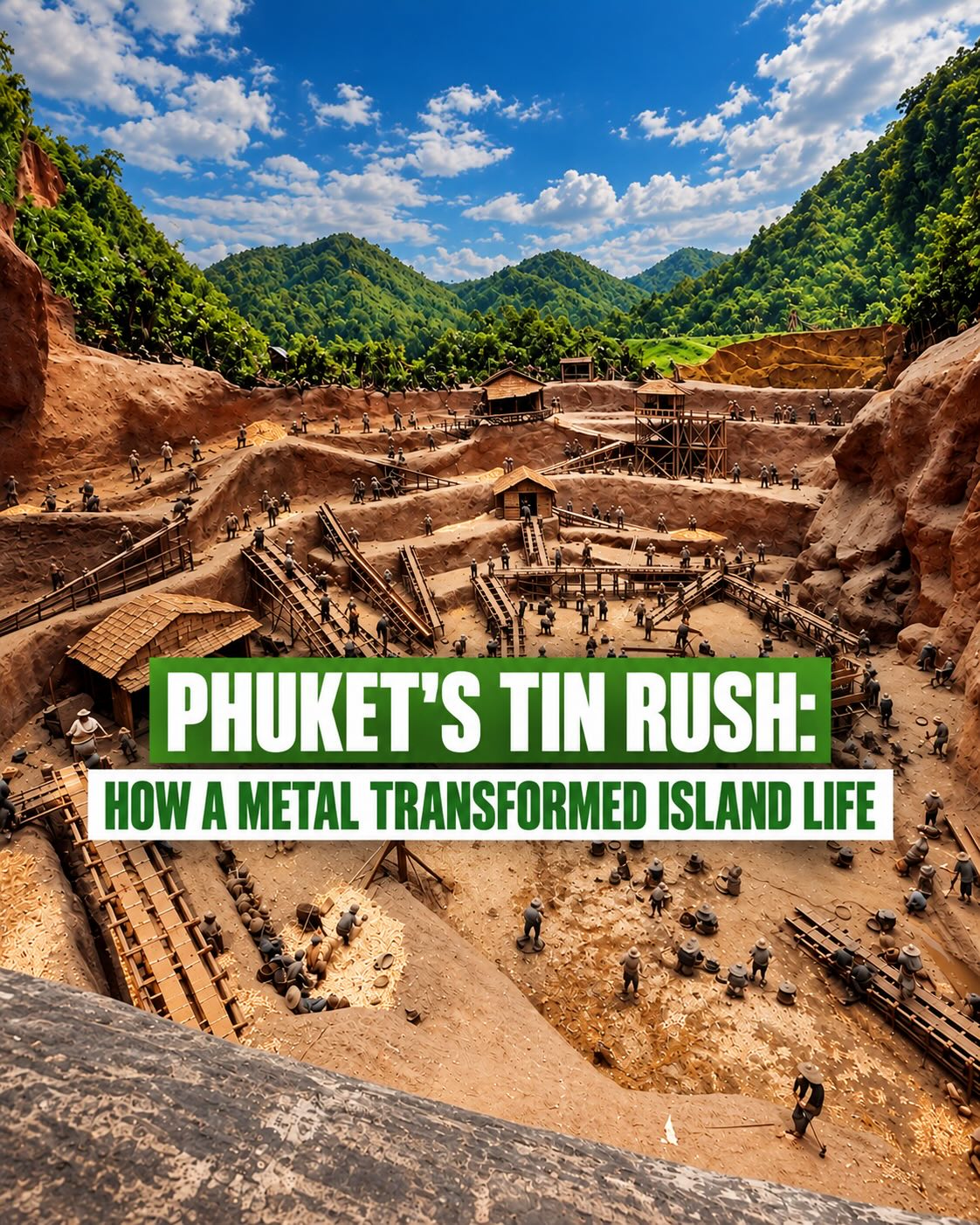
When you hear "Phuket," your mind immediately conjures up images: an azure sea, white sand, coconut palms... But long before Phuket became a tourist mecca, this island was the epicenter of a real tin rush. In the 17th–19th centuries, Phuket was famous not for the parties on Patong, but for tin mining — a metal that quite literally turned the island's life upside down.
Let's dive into this captivating story, where jungles, Chinese migrants, and a thirst for wealth created a unique cocktail that left vivid marks on Phuket.
From Crystal Mountain to the Tin Boom
Imagine Phuket thousands of years ago. Dense jungles, sea gypsies, fishermen, and... vast tin deposits.
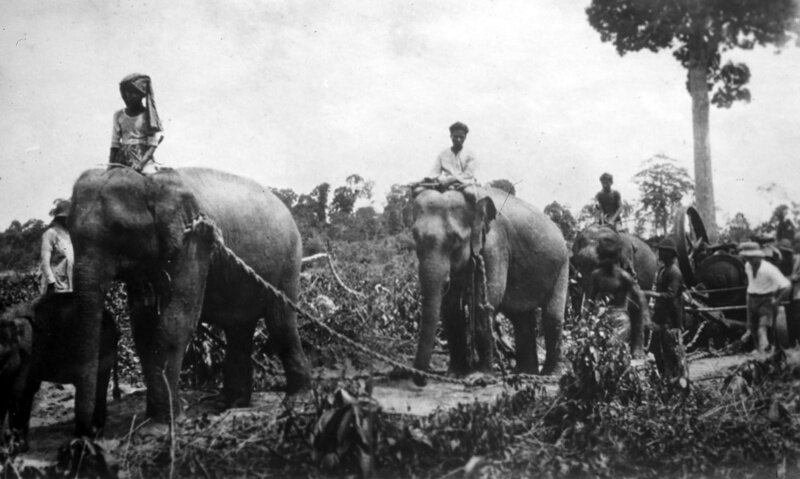
It is believed that the first settlers here were Tamils from India who arrived as early as 1025 BC. They called the island "Tamil Anikram" — "Crystal Mountain."
And not without reason: the tin ore (cassiterite) on Phuket was so close to the surface that no mines were even needed for its extraction. The rain washed away the rocks, and pieces of metal were simply carried to the surface.
Legend has it that the locals collected tin almost with their bare hands after the rainy season.
By the 14th century, Phuket's tin had attracted the attention of the Portuguese, Dutch, French, and English. The island became a transshipment point on the trade route between China and India, and tin became a valuable commodity.
The real boom began in the 17th century, when Phuket turned into a center of tin mining. And by the 19th century, with the development of industry, the demand for tin skyrocketed — it was used for tinning cookware, producing tin cans, and minting coins. Phuket found itself in the spotlight, and crowds of fortune and wealth seekers poured in.
Chinese Coolies and Tin Quarries
Who mined this tin? Mainly Chinese migrants, who were called "coolies." In the 19th century, thousands of workers from China, dreaming of a better life, rushed to Phuket. Many signed multi-year contracts back in their homeland just to pay for the journey. But the dream came at a high price, and the conditions were harsh: there was often no salary, and the coolies received a percentage of the tin mined, or sometimes leased plots to dig on their own. They lived in bamboo huts built right next to the quarries, and all around were jungles that had to be cleared to reach the coveted ore.
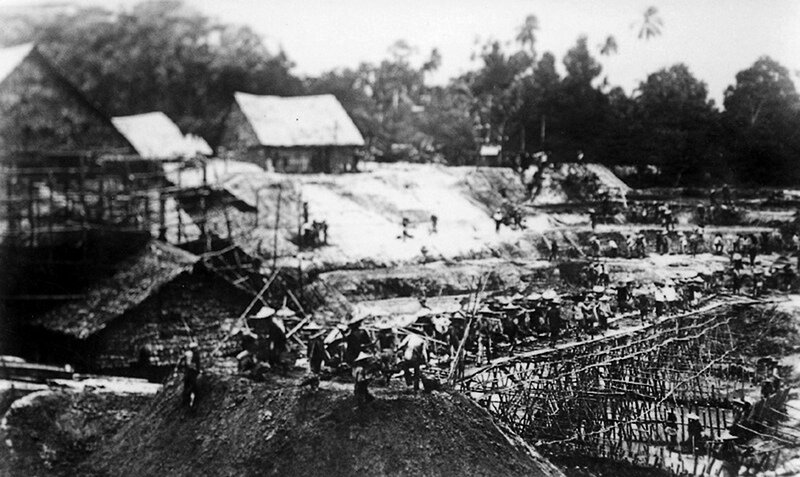
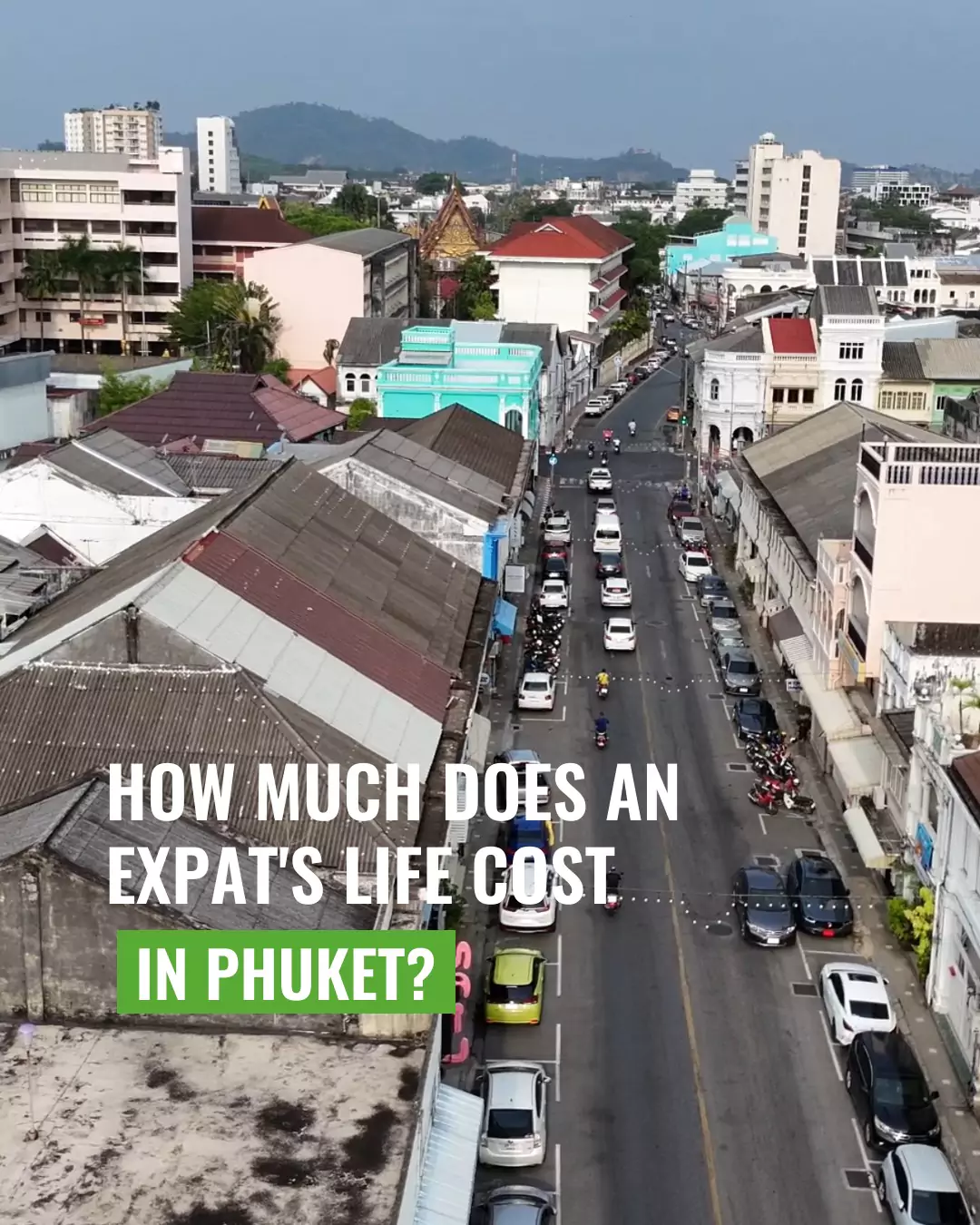
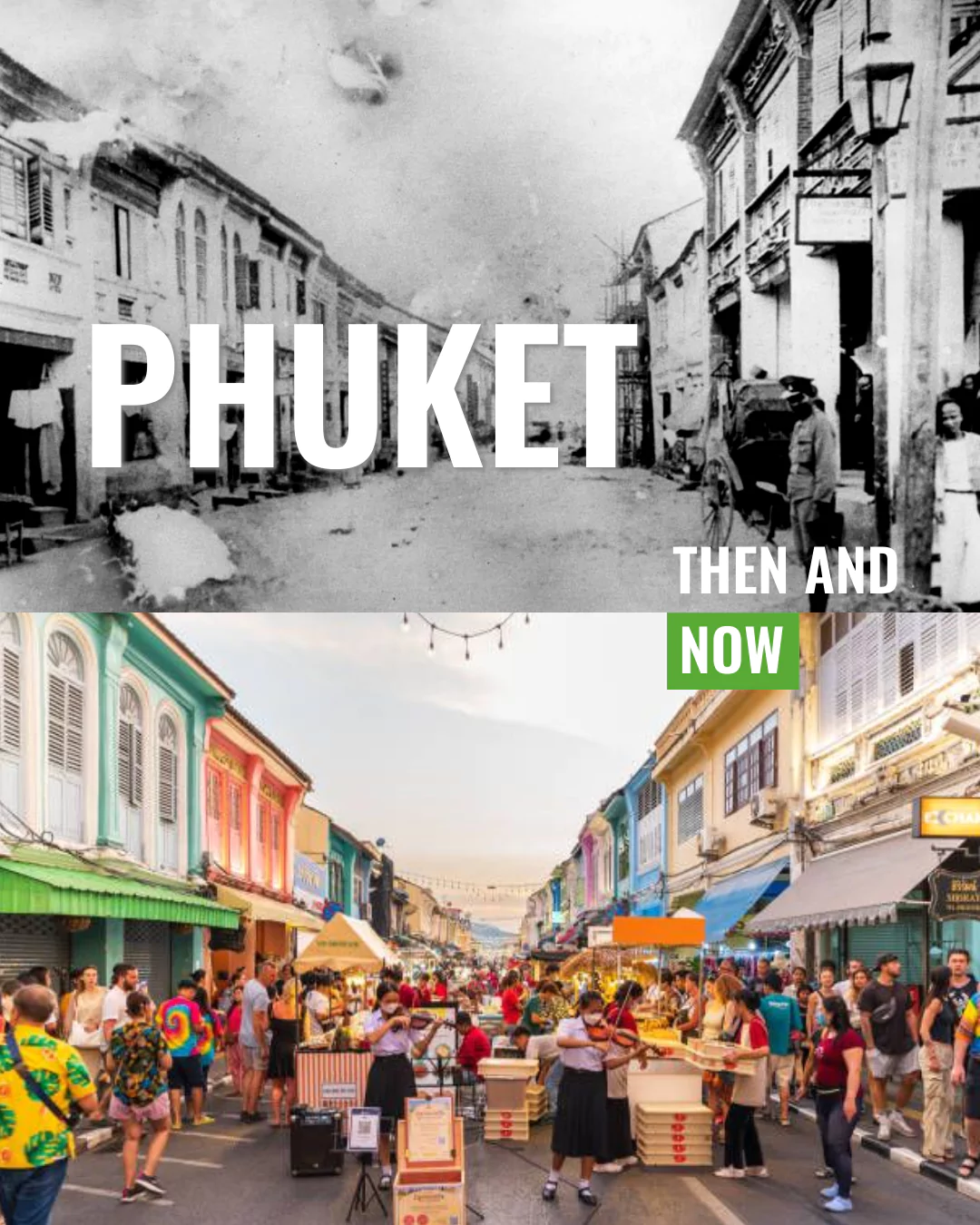
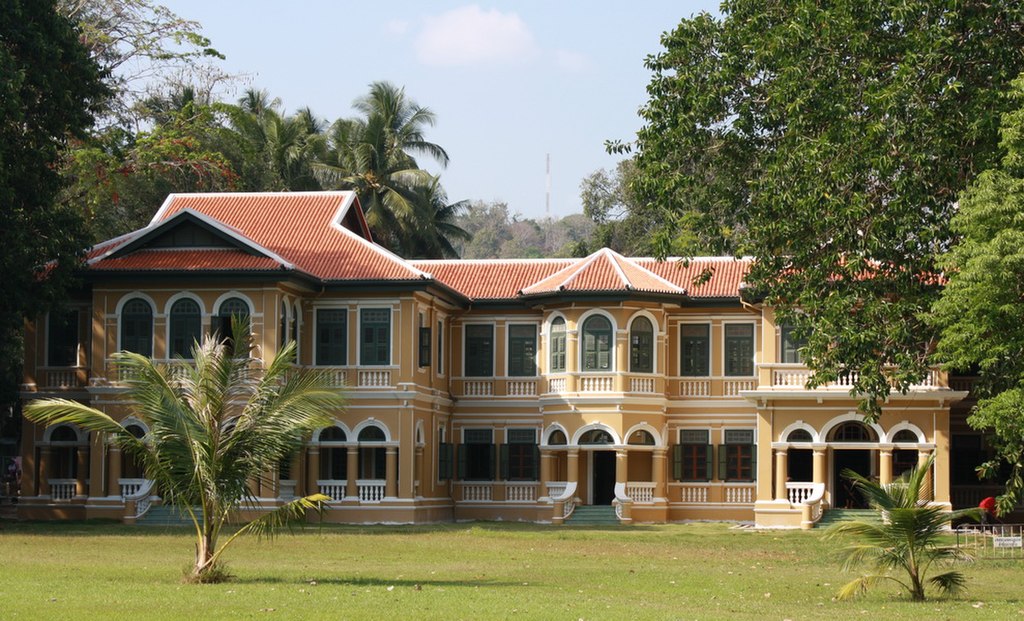
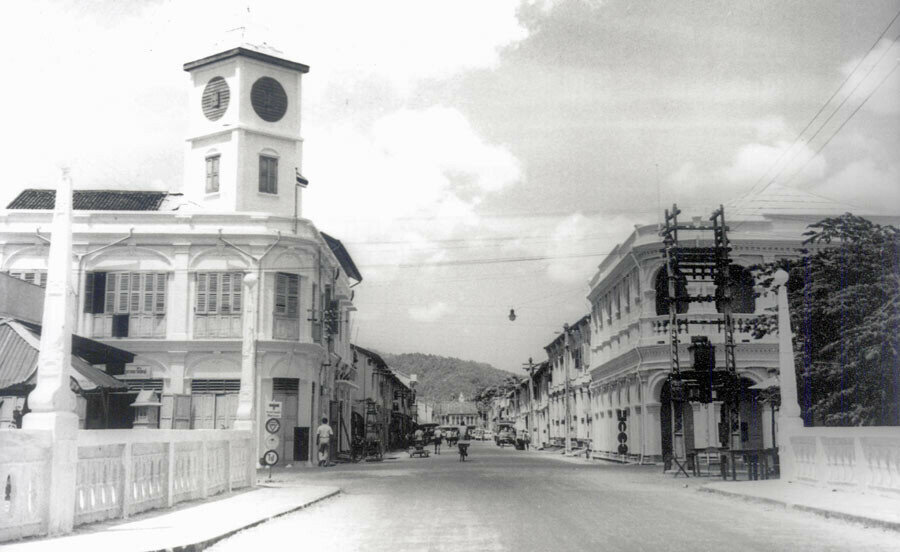
The work was no walk in the park. First, they cleared the territory, built dams, and removed the topsoil until they reached the tin vein. Then the extraction began: the ore was washed in wooden trays, separating the heavy cassiterite from sand and mud. It was a labor-intensive process, but the tin was worth it — in the 19th century, it was almost as good as gold. Wealthy Chinese entrepreneurs and Siamese governors profited from it, building luxurious mansions and shophouses in the Sino-Portuguese style that still adorn Phuket Town. One example is the Chinpracha House.
Chinese migrants did not just mine tin here — they changed Phuket forever. Their descendants make up a significant part of the island's population — the Peranakan. We have a separate article about this on our website — Peranakan Culture in Phuket. Chinese temples, festivals (such as the famous Vegetarian Festival), and even the cuisine still echo those times.
Read about other equally important holidays for the Thai people in the article Holidays, Festivals, and Significant Events in Phuket.
Riots, Triads, and Siamese Governors
Not everything was smooth in this tin paradise. In 1876, a Chinese uprising broke out on Phuket. The workers were tired of low incomes, high taxes, and harsh working conditions. At the same time, global tin prices began to fall, quarries were closing down, and wages were being delayed. As a result, the coolies joined forces with the Chinese Triads (local mafia groups) and rose up against the Siamese administration.
The rioters stormed Phuket Town, setting fire to warehouses, the homes of local officials, and shops. The governor and his entourage fled, and the townspeople, in a panic, sought shelter. Many took refuge in Wat Chalong temple — a sacred place that was considered inviolable even for enraged rebels.
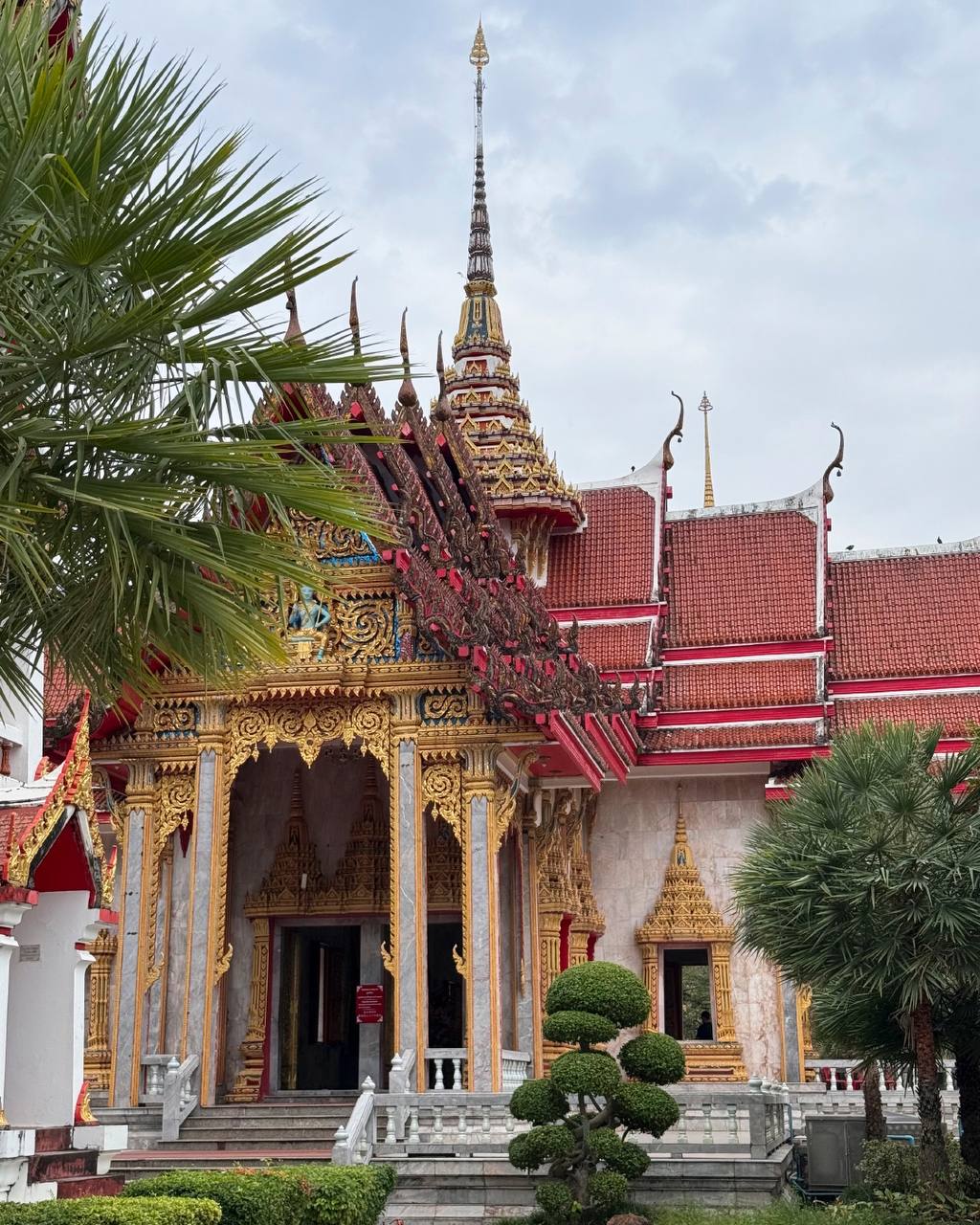
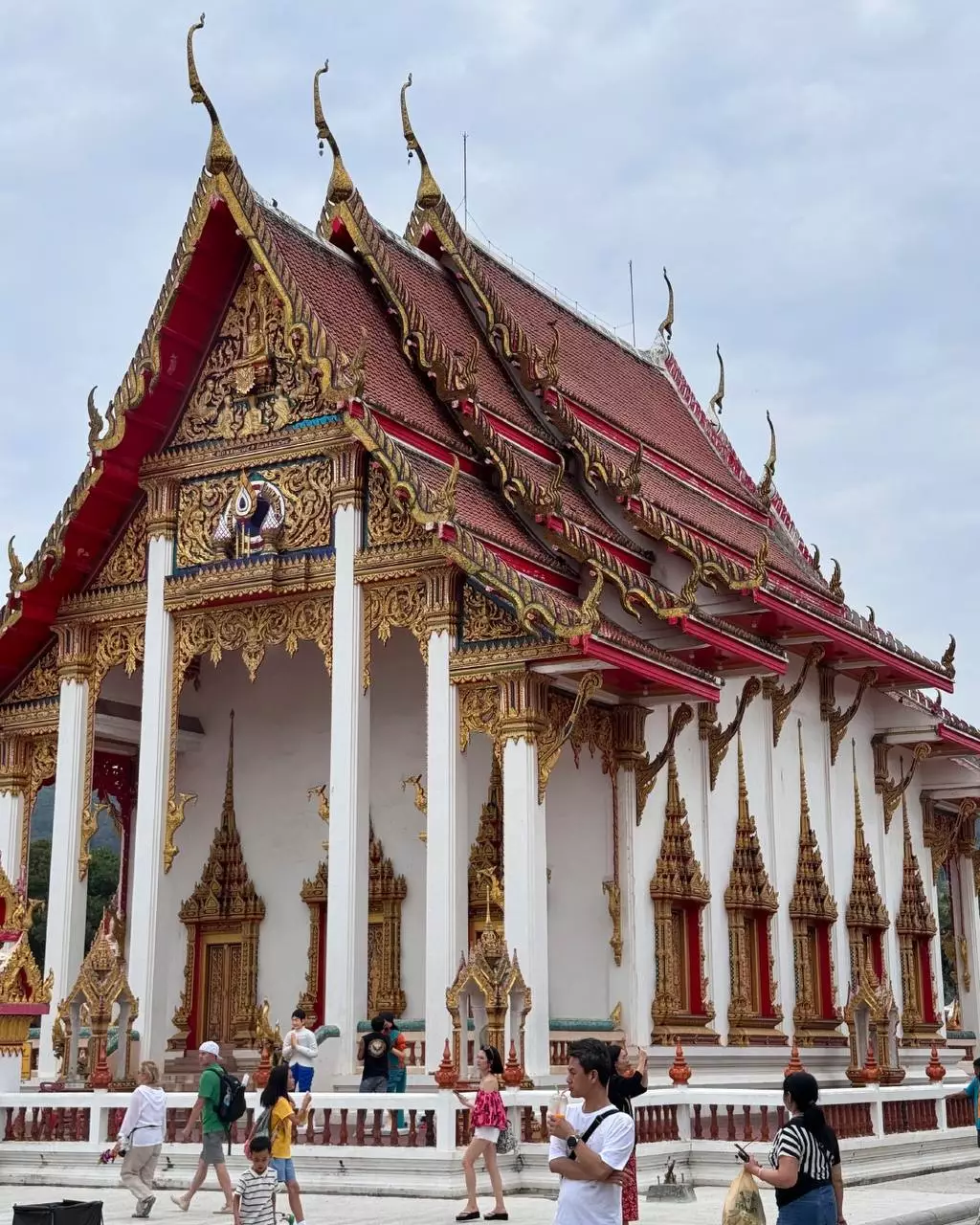
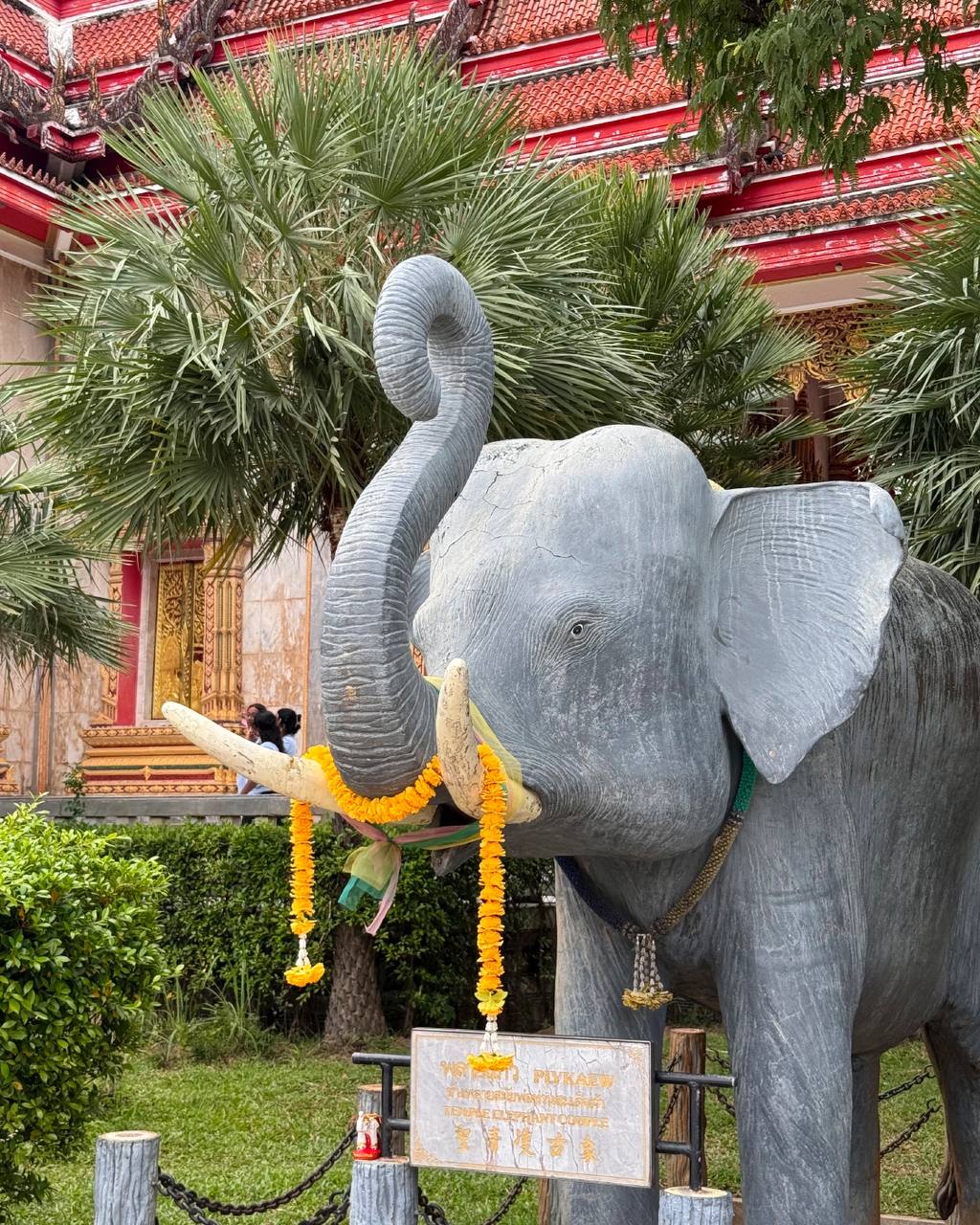
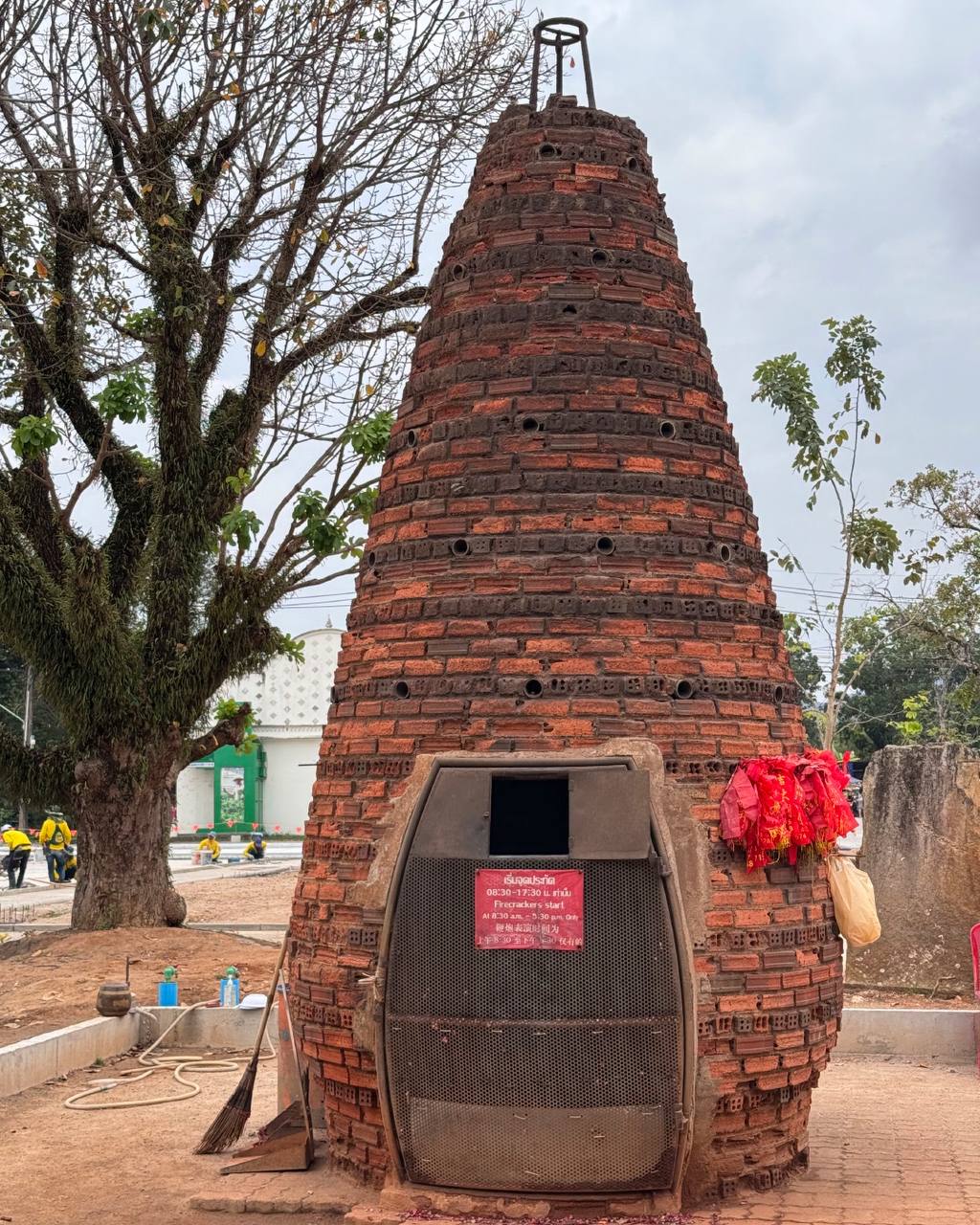
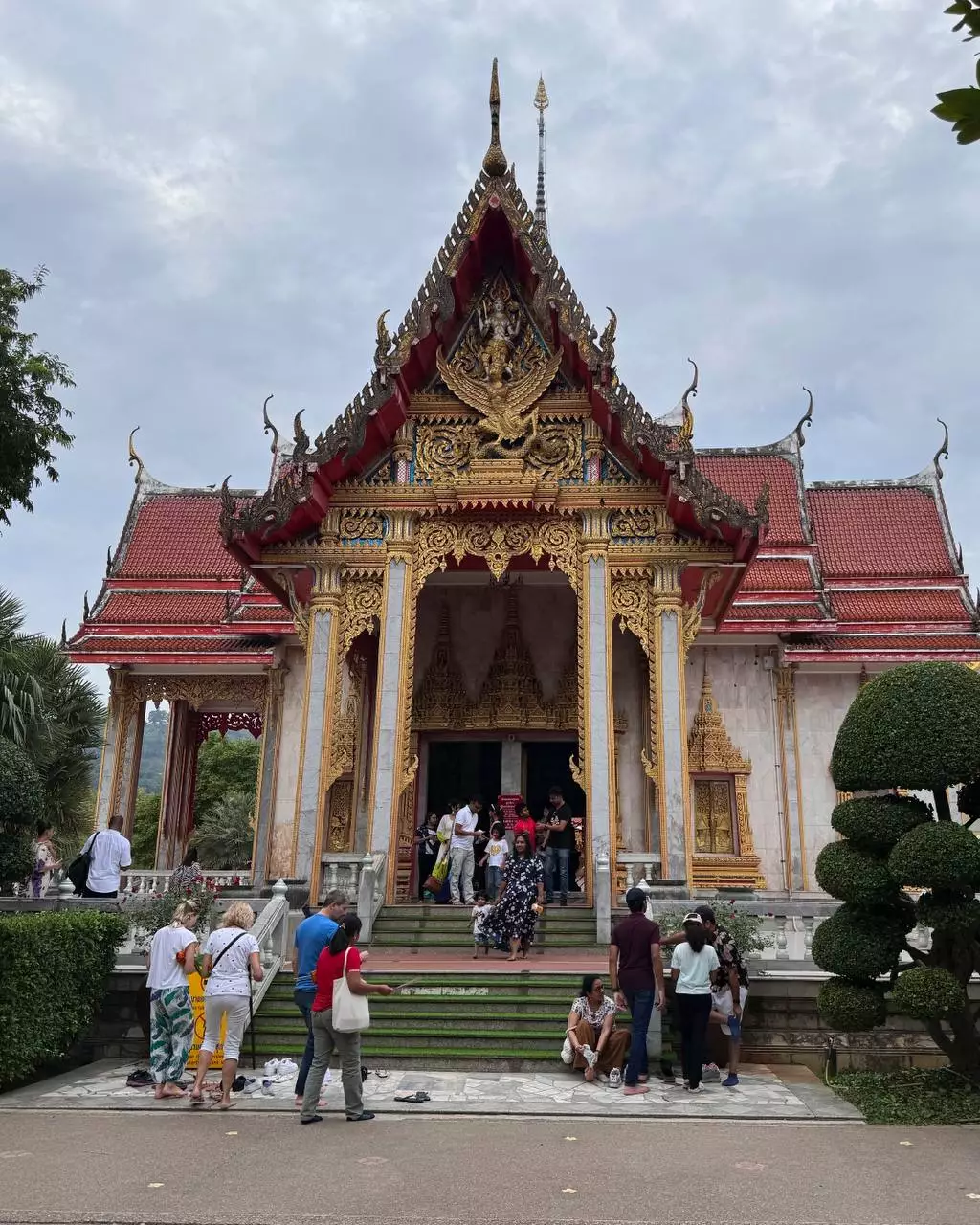
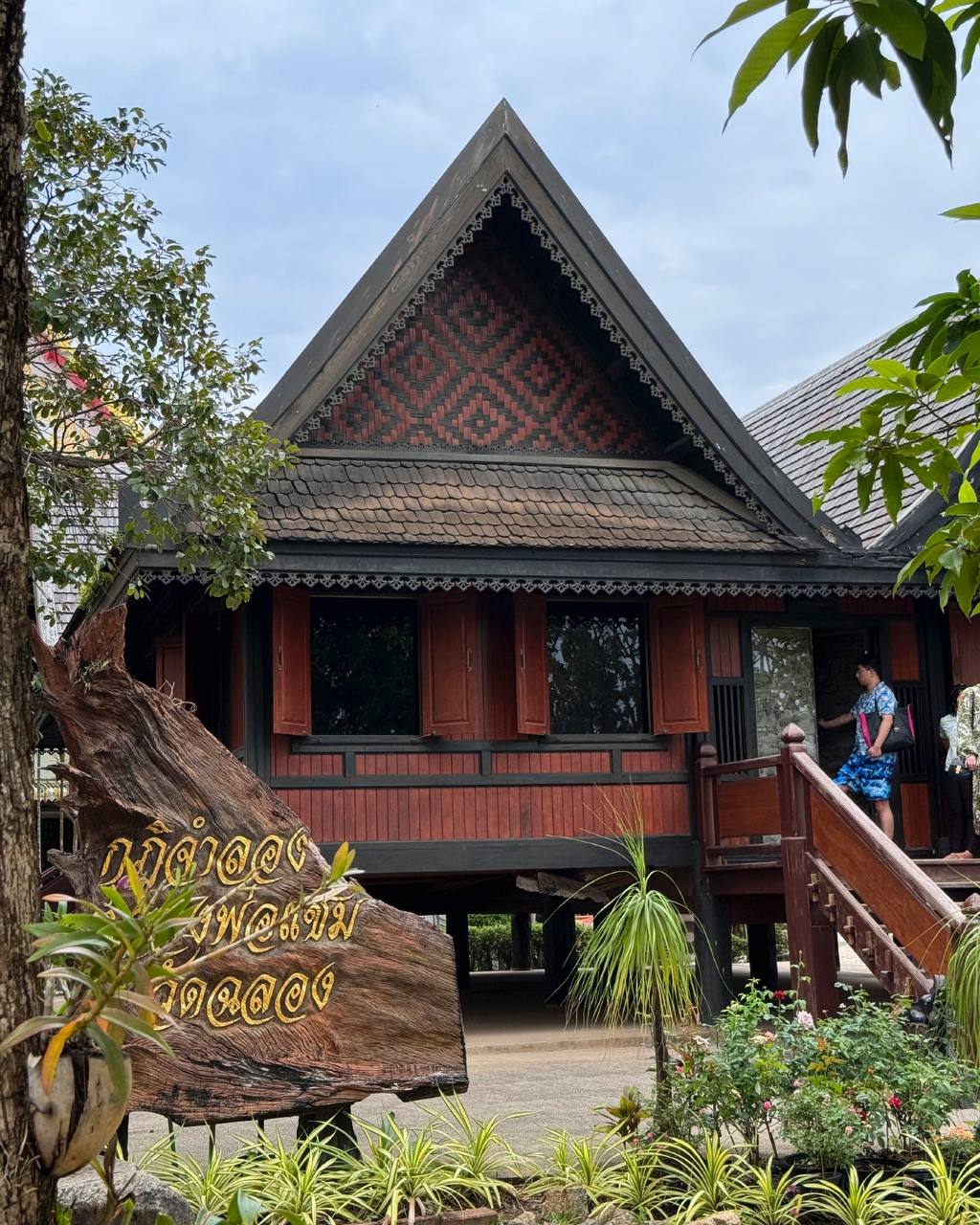
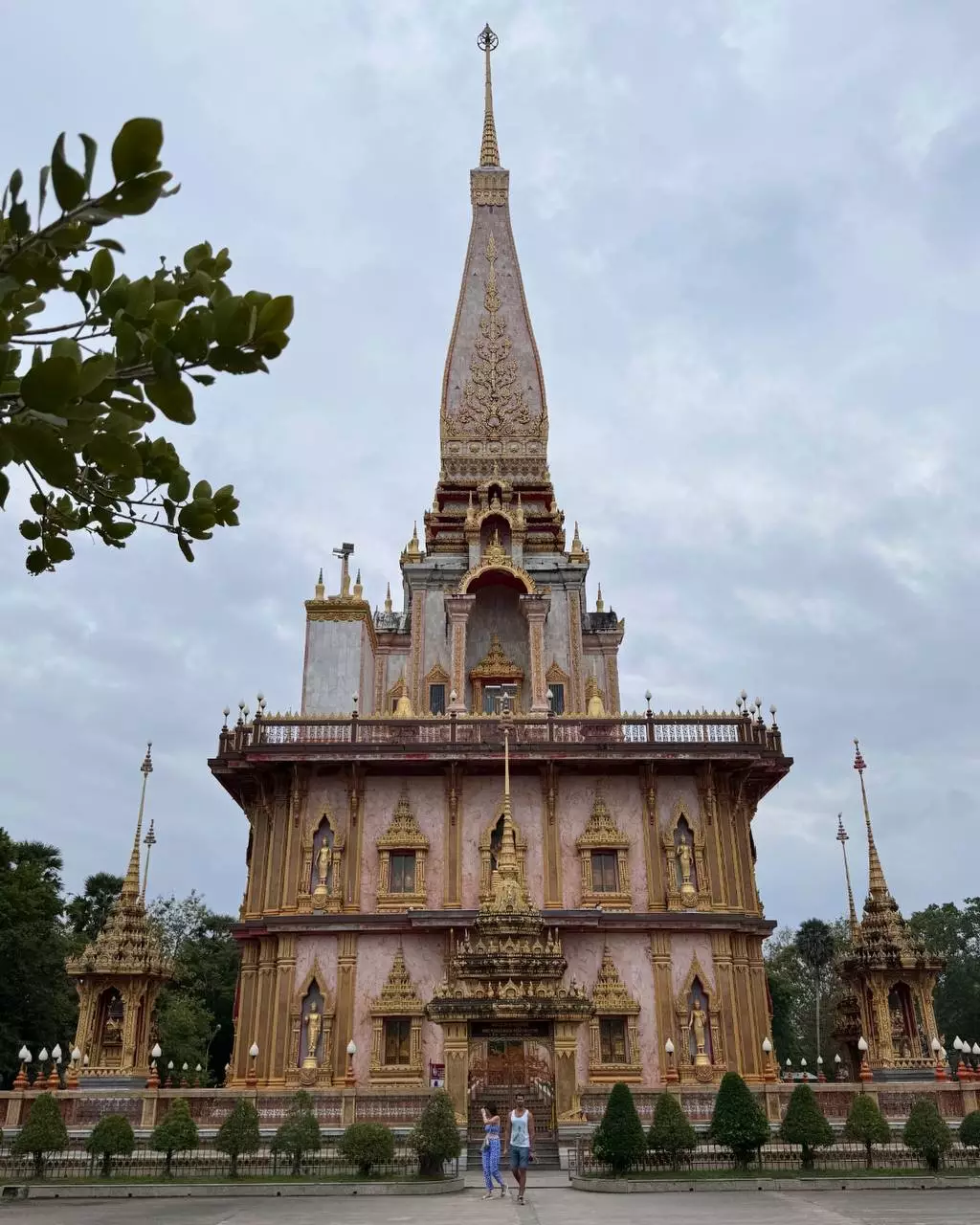
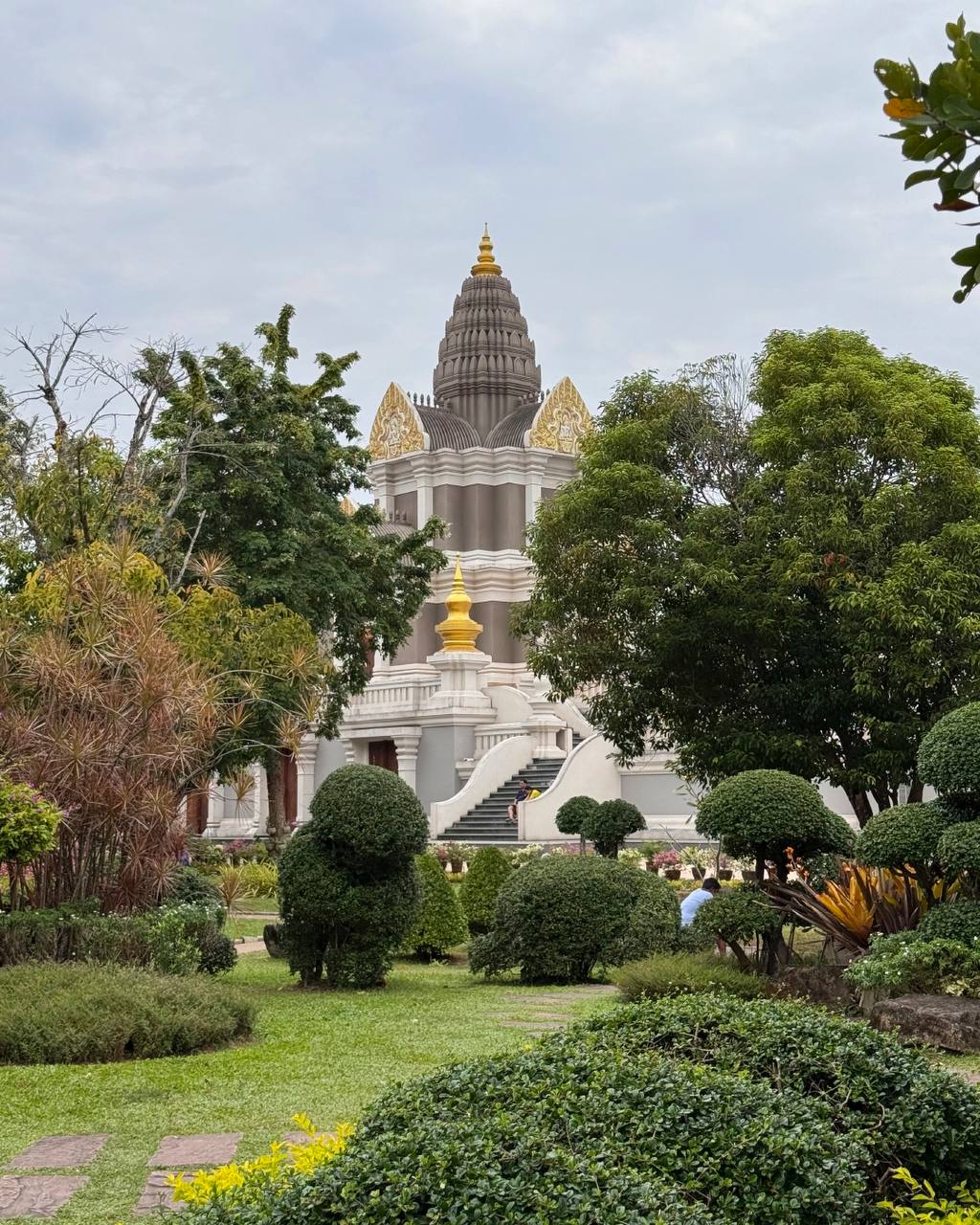
The temple monks played a key role: they not only sheltered people but also tried to negotiate with the rioters to calm the situation.
Wat Chalong became something of a fortress. Legend has it that the monk Luang Pho Cham, the abbot of the temple, went out to the rioters and called for peace. Even the gang members respected him, and this helped prevent even greater bloodshed.
Meanwhile, the rebels seized key points in the city, including administrative buildings, demanding tax reductions, improved working conditions, and debt payments.
Suppression and Consequences
The governor requested reinforcements from Bangkok, and soon troops arrived in Phuket. By November 1876, the uprising was suppressed. The rebels were arrested; some were executed, while others were sent to prisons on the mainland. The exact number of casualties is unknown, but according to records, several dozen people died — both rebels and local residents. Phuket Town was partially destroyed, and the island's economy took a serious blow.
After the uprising, the authorities decided to act more cunningly. Instead of repression, they began to involve the rebellion's leaders in cooperation, offering them a share in the tin business. This helped pacify the Chinese community, but also strengthened the Triads' influence on the island. The new governor, Phraya Ratsada, initiated reforms: he improved infrastructure, reduced some taxes, and made Phuket more attractive for trade.
Tin Museum: Touching History
If you want to see historical artifacts with your own eyes, a must-visit is the Mining Museum in Kathu, opened in 2011.


The museum is located on the site of a former mine, in a magnificent mansion in the Sino-Portuguese style. Here you will find models of tin quarries, figures of workers, antique picks, and muffle furnaces. There are even recreated streets of old Phuket Town with tea houses, restaurants, and... opium dens (yes, they existed back then too). The exhibition tells the story of how tin was mined, how Chinese migrants lived, and how the island transformed from a jungle into a trade hub.


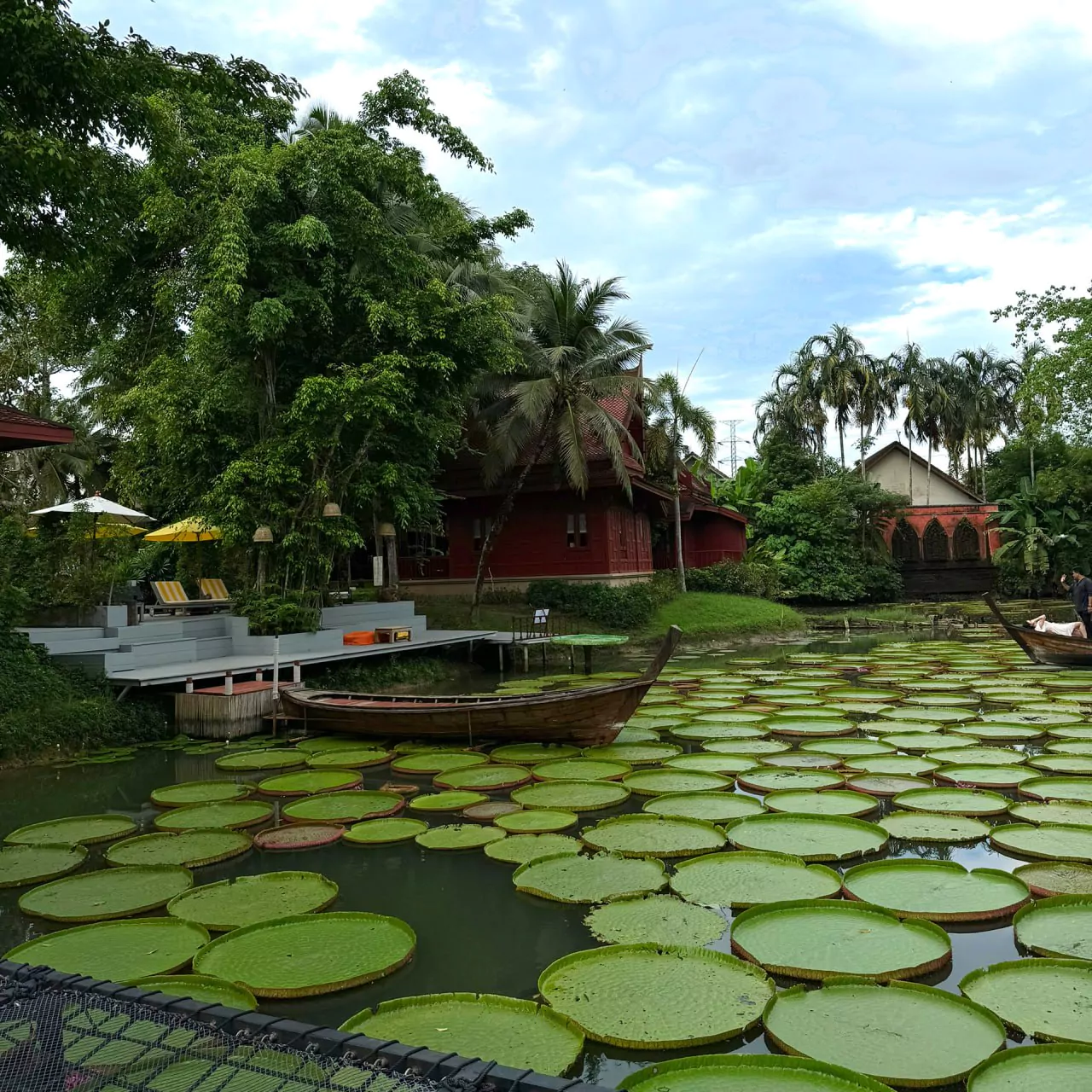
Traces of the tin era are also scattered all over Phuket. Flooded mines have turned into picturesque lakes, for example, in the now prestigious Laguna area — charming ponds that were once quarries.
The End of the Tin Era and the Beginning of Tourism
By the 20th century, tin reserves began to deplete, and global metal prices were falling. By the 1980s, mining had become unprofitable, and the last mines were closed. The Thai environmental movement also played its part — residents were tired of deforestation and pollution.
In 1980–1992, Phuket's mining industry finally became a thing of the past, giving way to a new "gold mine" — tourism. You can read more about this in the article From Tin Mines to a Global Resort: The Story of Phuket's Transformation.
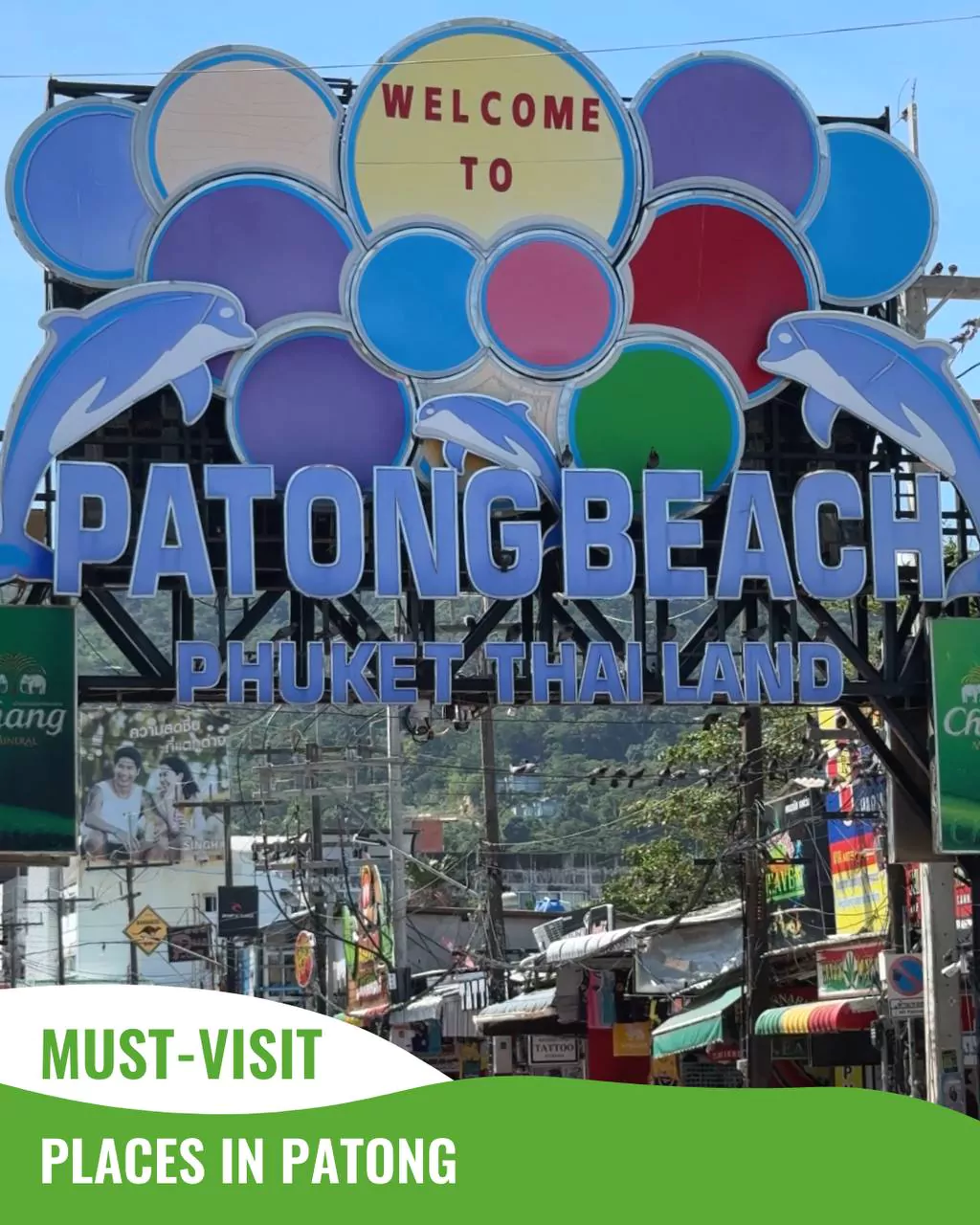
The tin past has not disappeared. It is forever inscribed in the architecture of Phuket Town, in Chinese temples, and remains in cultural traditions. Even the name of the modern Jungceylon shopping center in Patong is a reference to the island's old European name associated with the tin trade. Phuket as we know it today owes much to those very coolies who mined tin under the scorching sun.
You can learn even more about the history and culture of Phuket by visiting Museums, Temples, and Excursions.