10 Most Interesting Provinces of Thailand
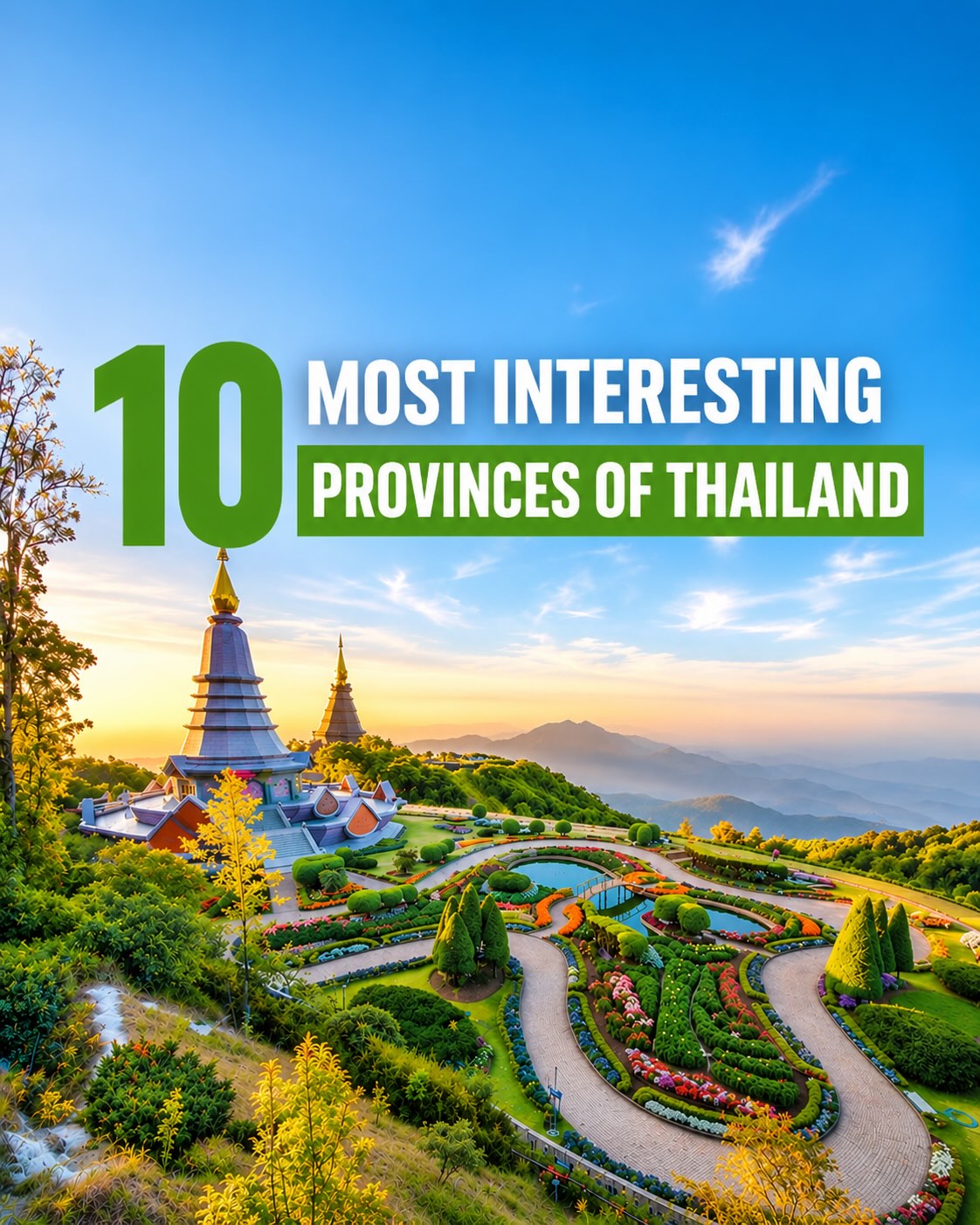
Phuket, Pattaya, Bangkok... And what other cities and provinces of Thailand do you know? You are unlikely to recall all 77 administrative units, which are often grouped under this number: 76 provinces and Bangkok with its special administrative status.
We talk a lot about Phuket — by the way, it is one of the smallest provinces in Thailand by area. But today we are embarking on a great journey across other provinces of the Land of Smiles: we have chosen 10 of the most interesting ones so that you can learn more about them.
1. Bangkok
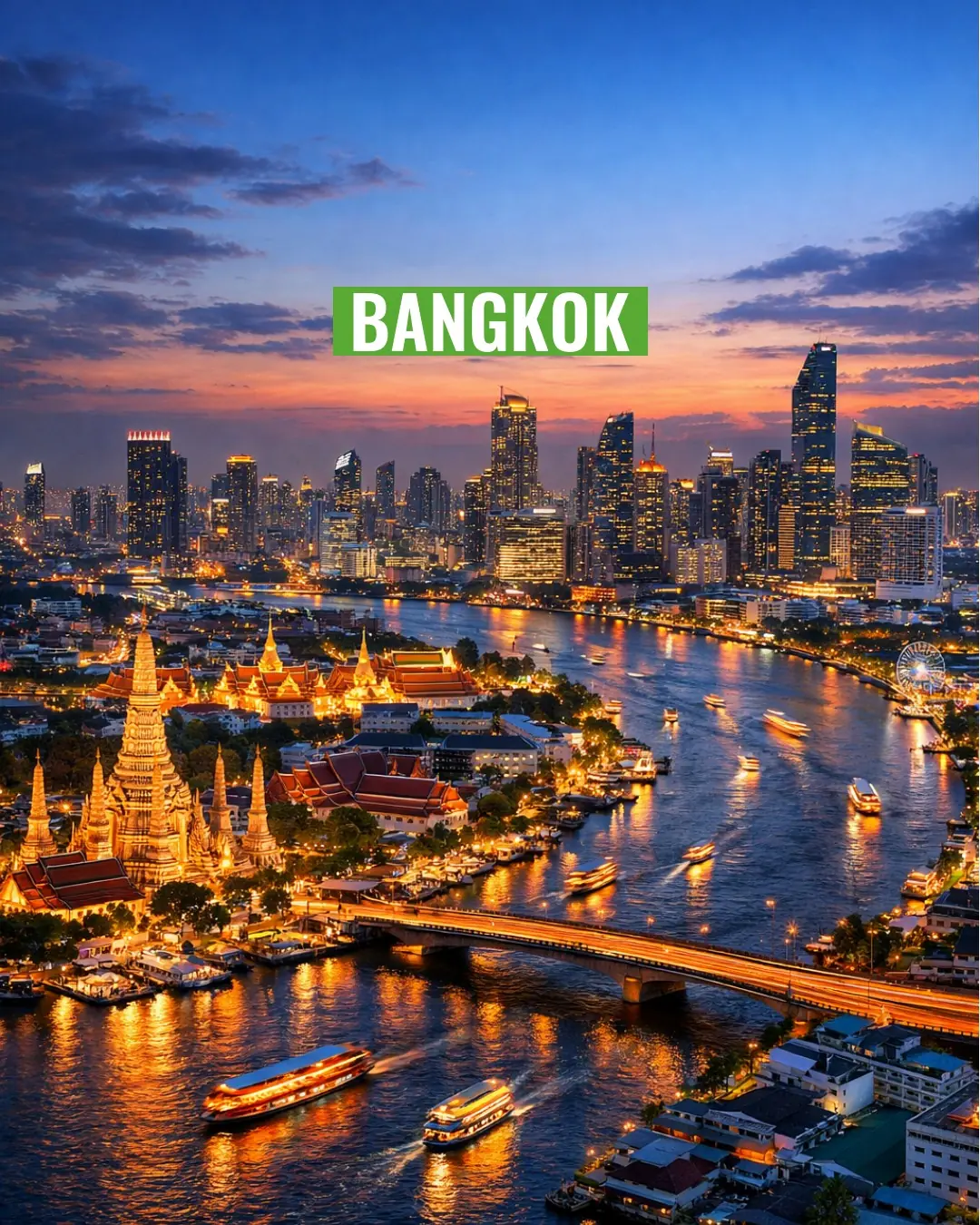
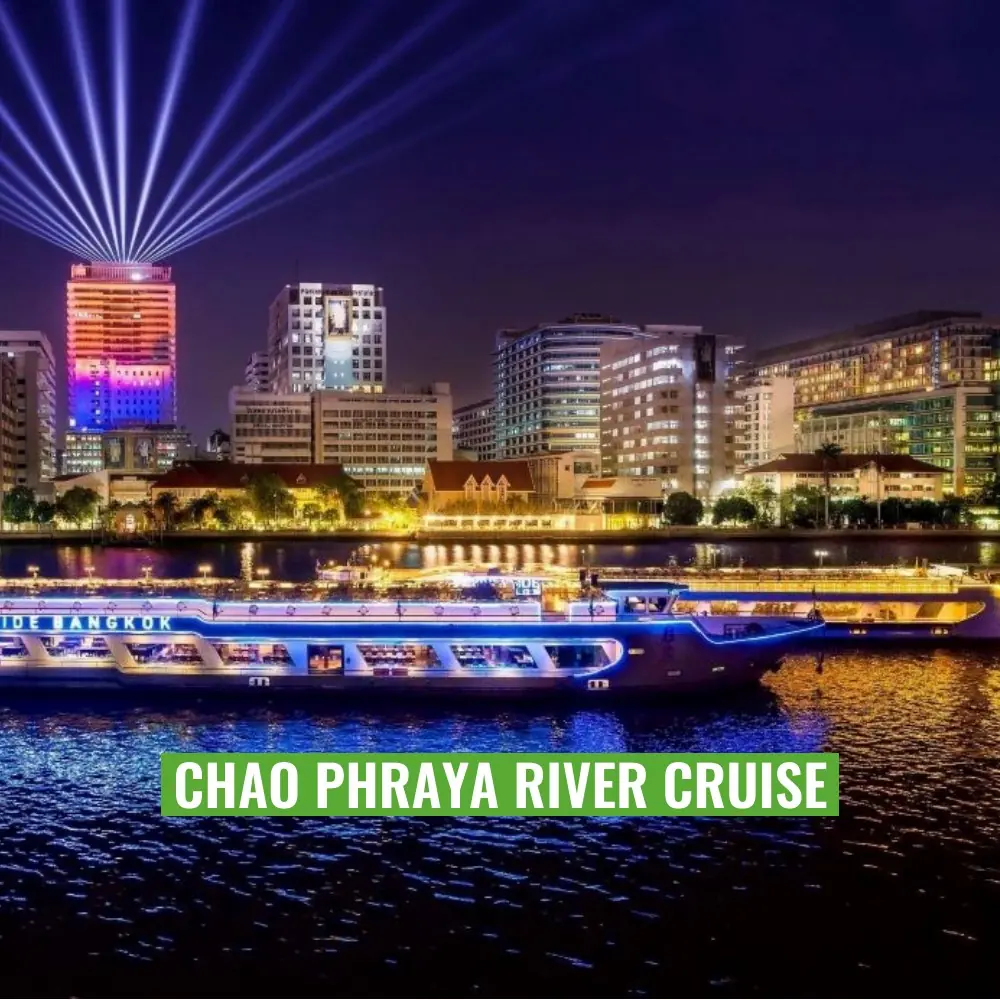
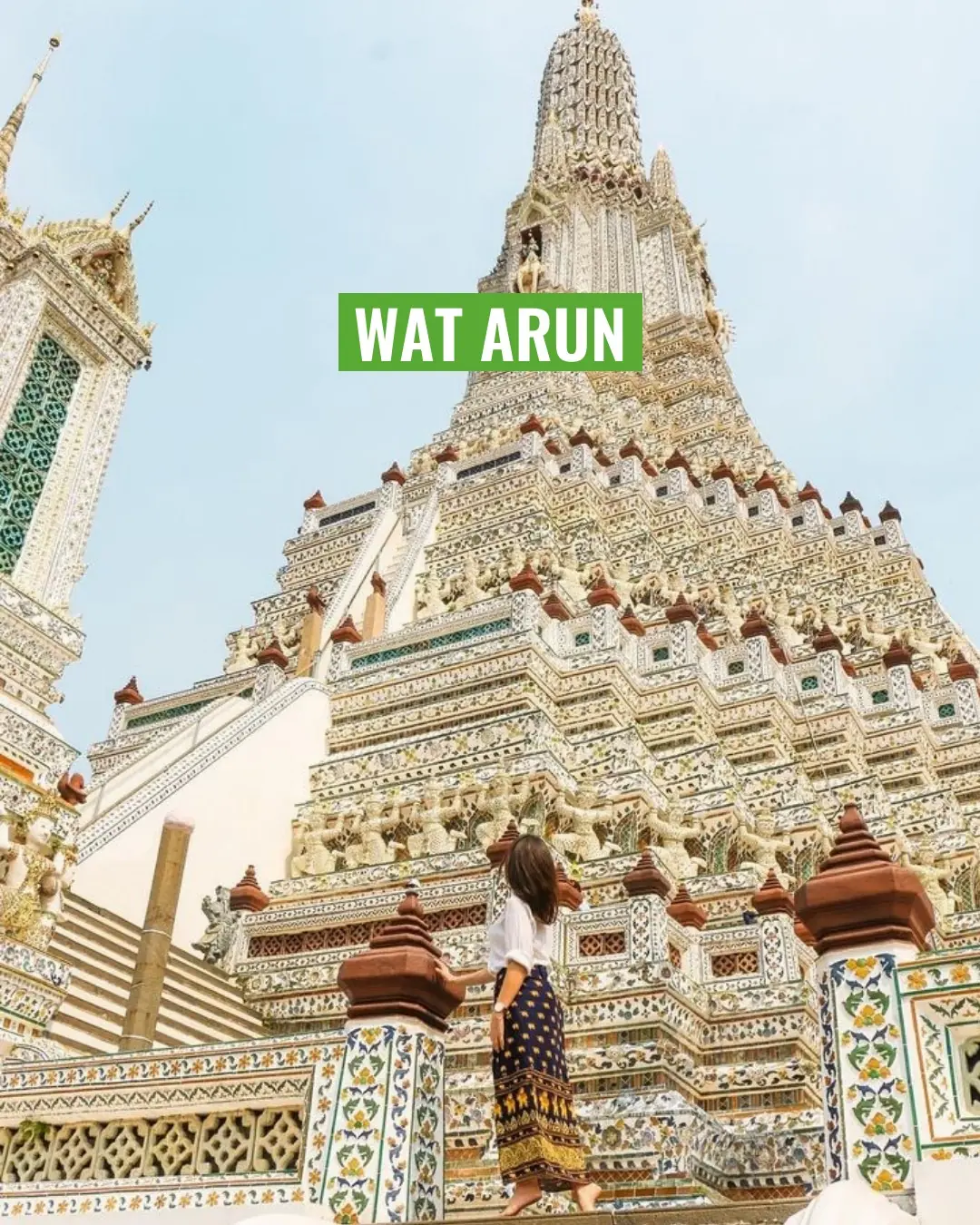
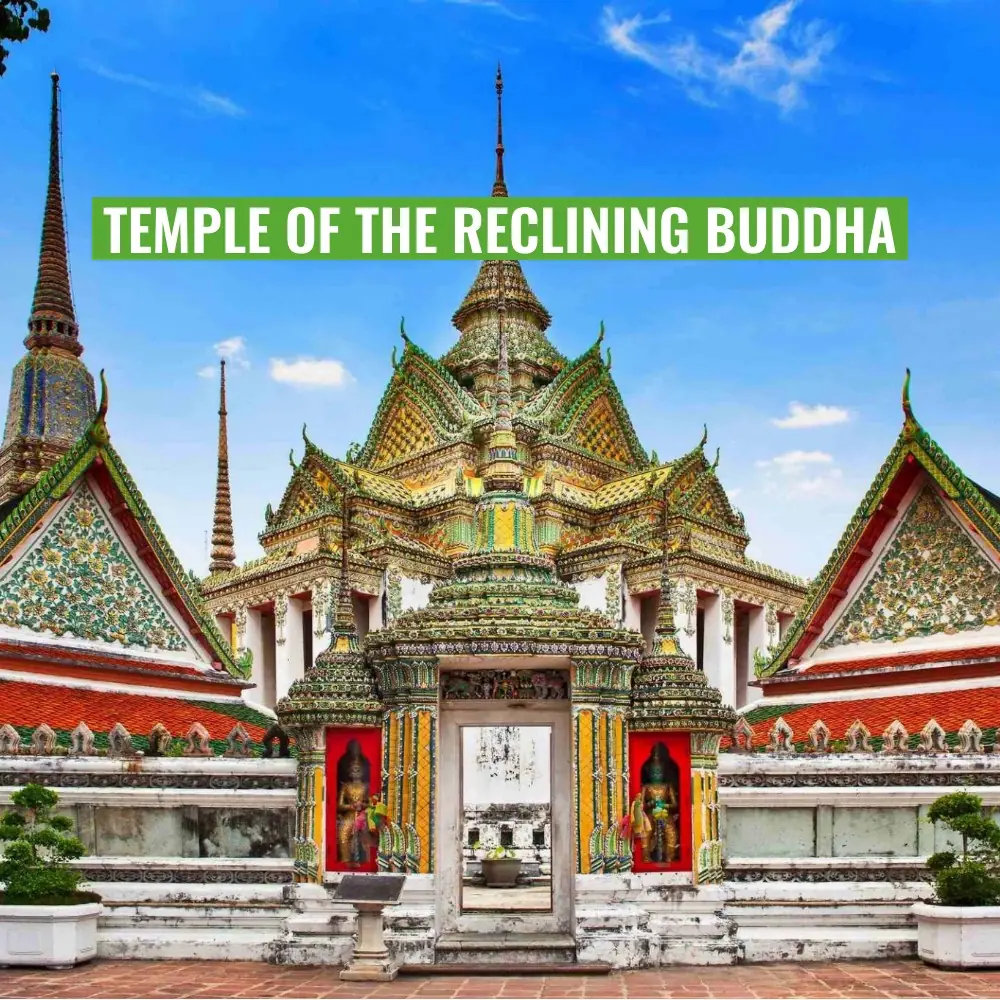
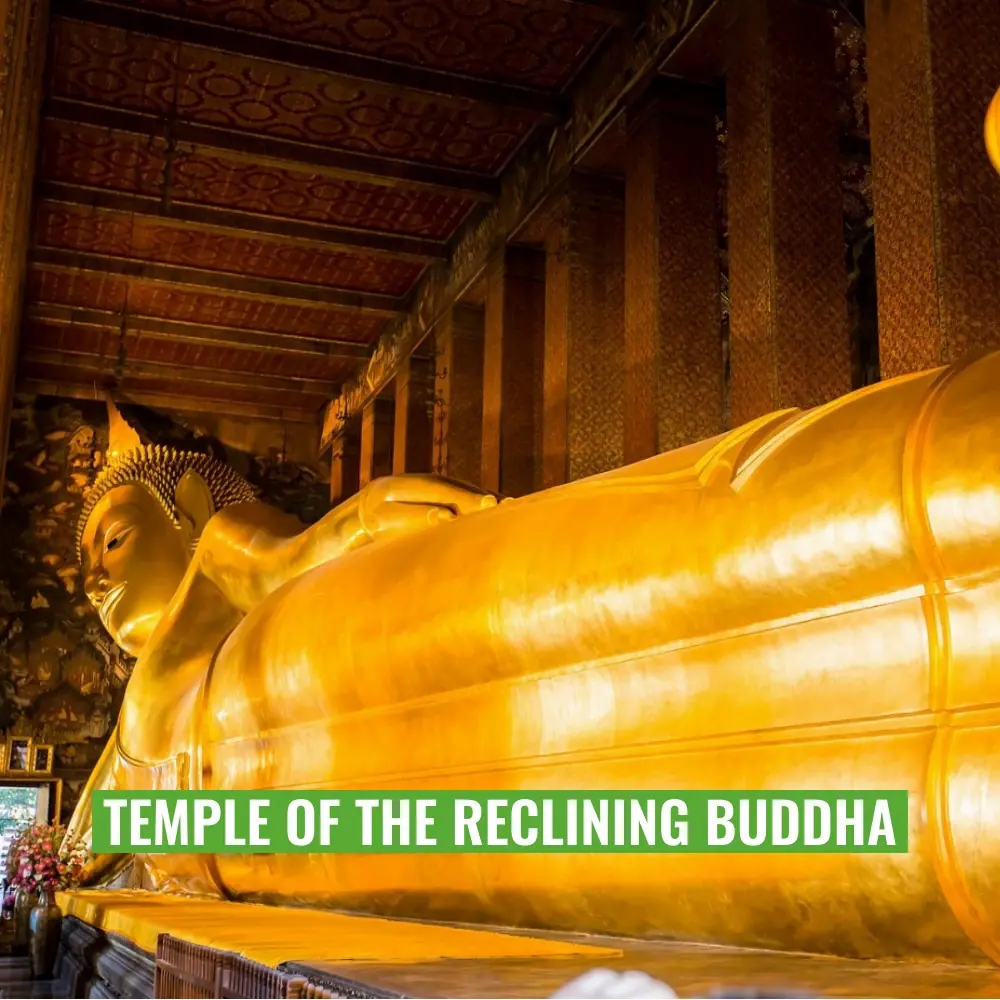
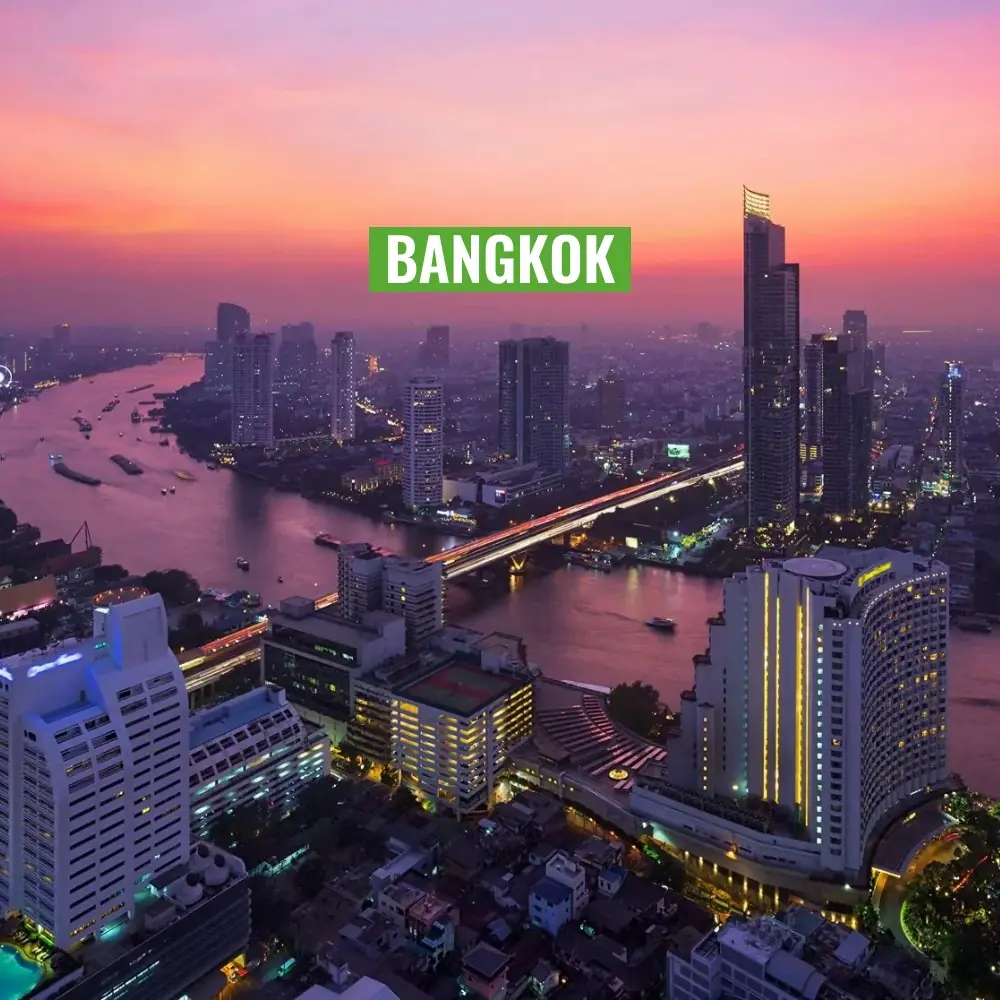
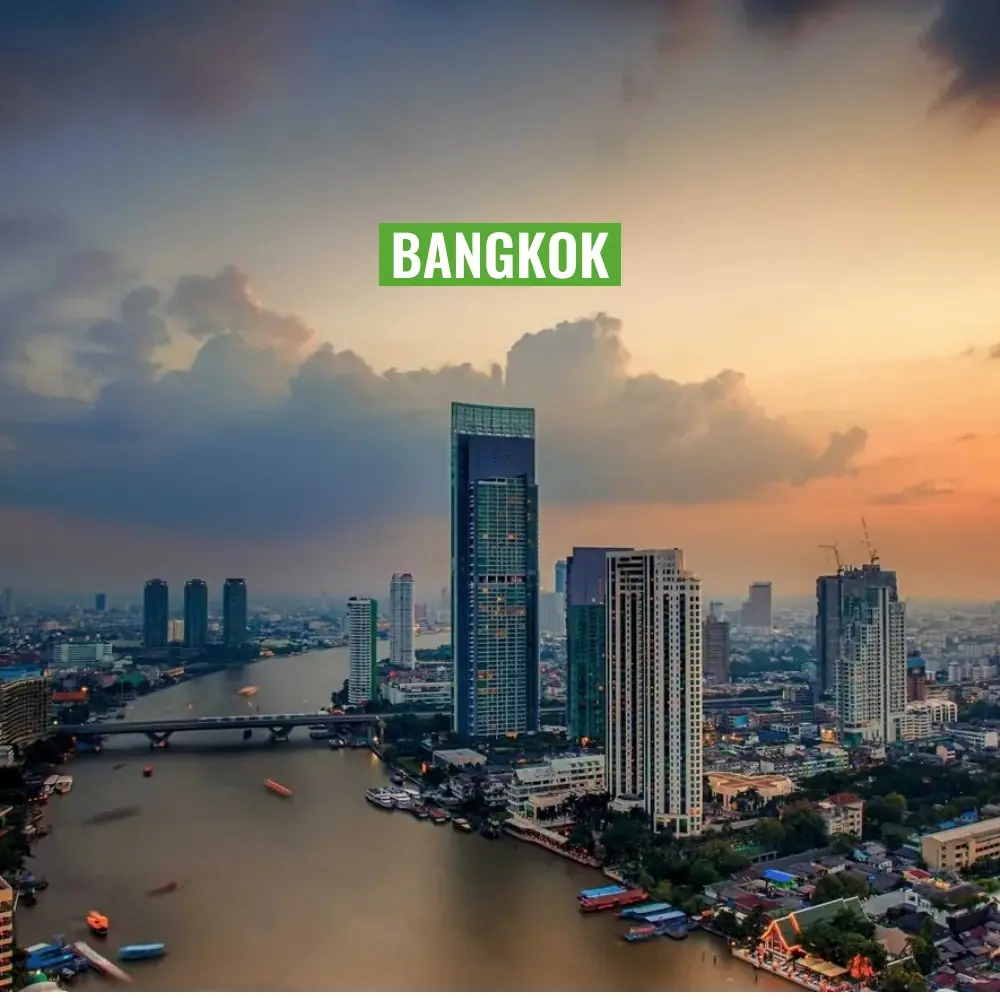
The capital of Thailand, Bangkok, is a special administrative region officially known as the Bangkok Metropolitan Region. In the administrative division of Thailand, it holds the status of a province — essentially, it is a province-city.
Bangkok is the heart of Thailand, a city of contrasts and endless opportunities. Here, ancient temples stand next to modern skyscrapers, and bustling markets — next to luxurious shopping malls.
By the way, you can take a flight to the capital from Phuket, and we highly recommend that you do.
The first thing that strikes visitors in Bangkok is the contrast between ancient temples and ultra-modern skyscrapers, authentic markets and stylish shopping malls, street food stalls and haute cuisine restaurants.
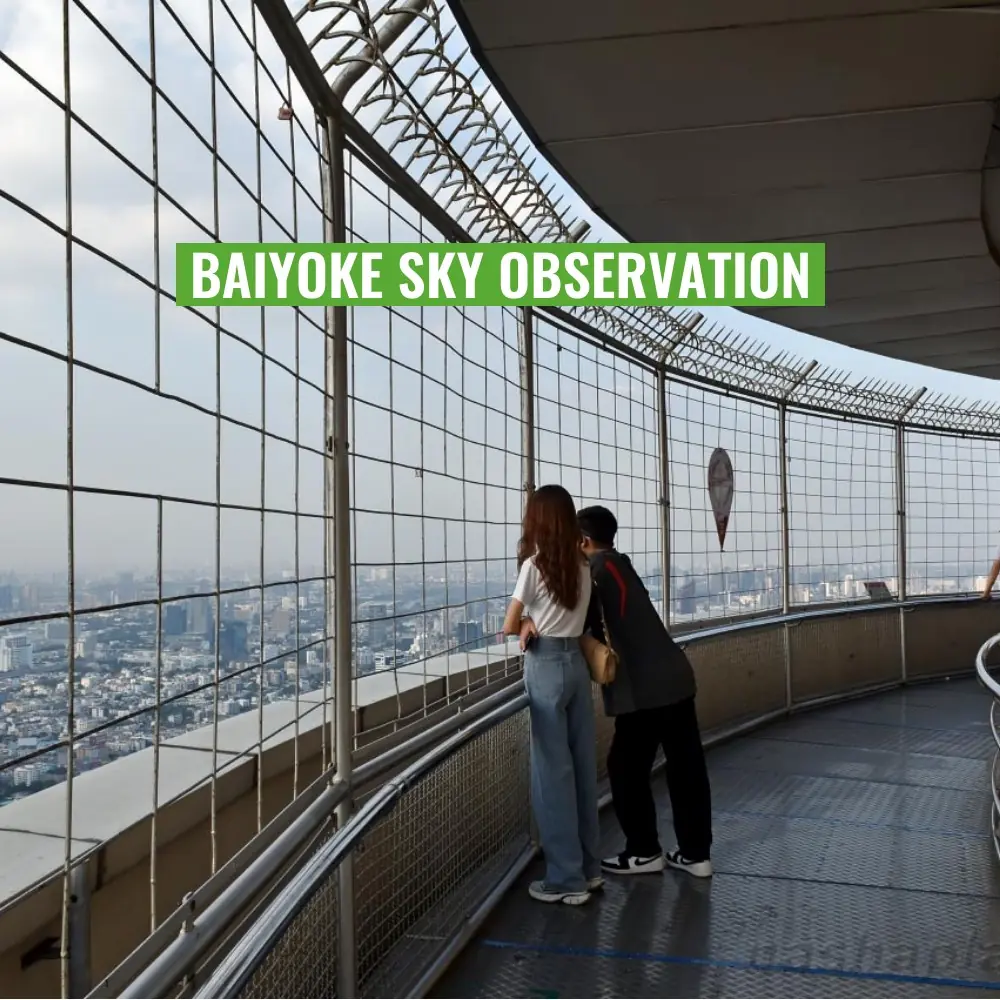
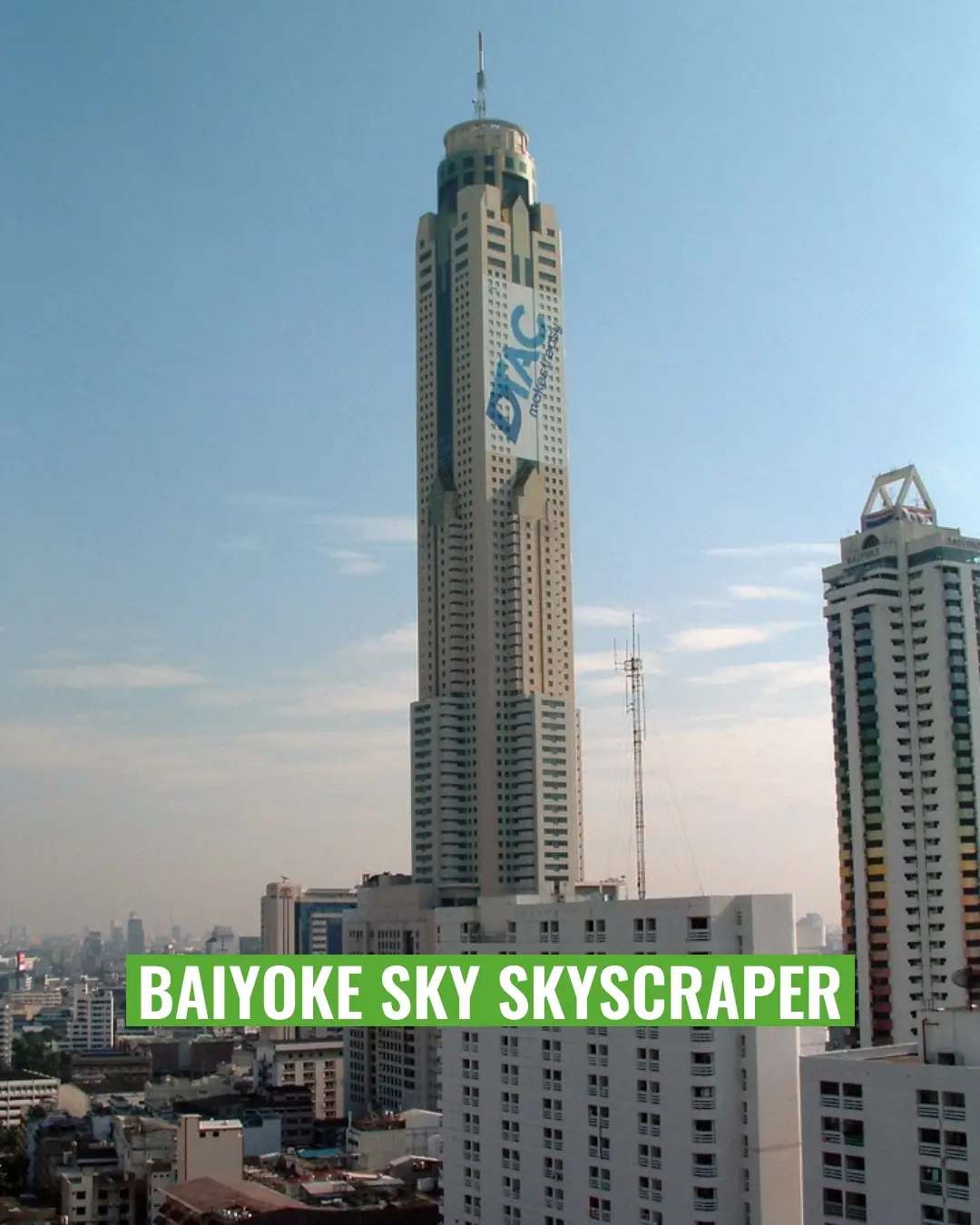
Main attractions: the Grand Palace, Wat Arun (Temple of Dawn), Wat Pho (Temple of the Reclining Buddha), Chatuchak Market, Khao San Road, as well as a huge number of museums and famous skyscrapers such as Magnolias Waterfront Residences at ICONSIAM, King Power Mahanakhon, and Baiyoke Tower II.
Bangkok is a city that combines history and modernity, tradition and innovation, chaos and beauty. It is capable of surprising visitors and leaves unforgettable impressions.
5 facts about Bangkok:
1. The longest city name in the world. Bangkok's official name is listed in the Guinness Book of World Records. It consists of 21 words and sounds like Krung Thep Maha Nakhon Amon Rattanakosin Mahinthara Yuthaya Mahadilok Phop Noppharat Ratchathani Burirom Udom Ratchaniwet Maha Satharn Amon Piman Awatan Sathit Sakkathattiya Witsanukam Prasit. In translation, it is a whole poetic description of the city as the "Great City of Angels..." and so on.
2. A city of skyscrapers and temples at the same time. Bangkok is home to more than 300 Buddhist temples, and at the same time, it ranks among the top ten cities with the most skyscrapers in the world.
3. Floating markets are not a tourist invention. Once, the canals (khlongs) were the city's main roads, and boats were the primary means of transport. Today, the floating markets remain both as a tradition and as a colorful attraction.
4. The center of street food. Bangkok has been recognized as the world leader in street food for several years in a row. Here you can try everything — from spicy soups and noodles to fried insects.
5. The hottest metropolis in the world. According to the World Meteorological Organization, Bangkok is the city with the highest average annual temperature.
2. Chiang Mai
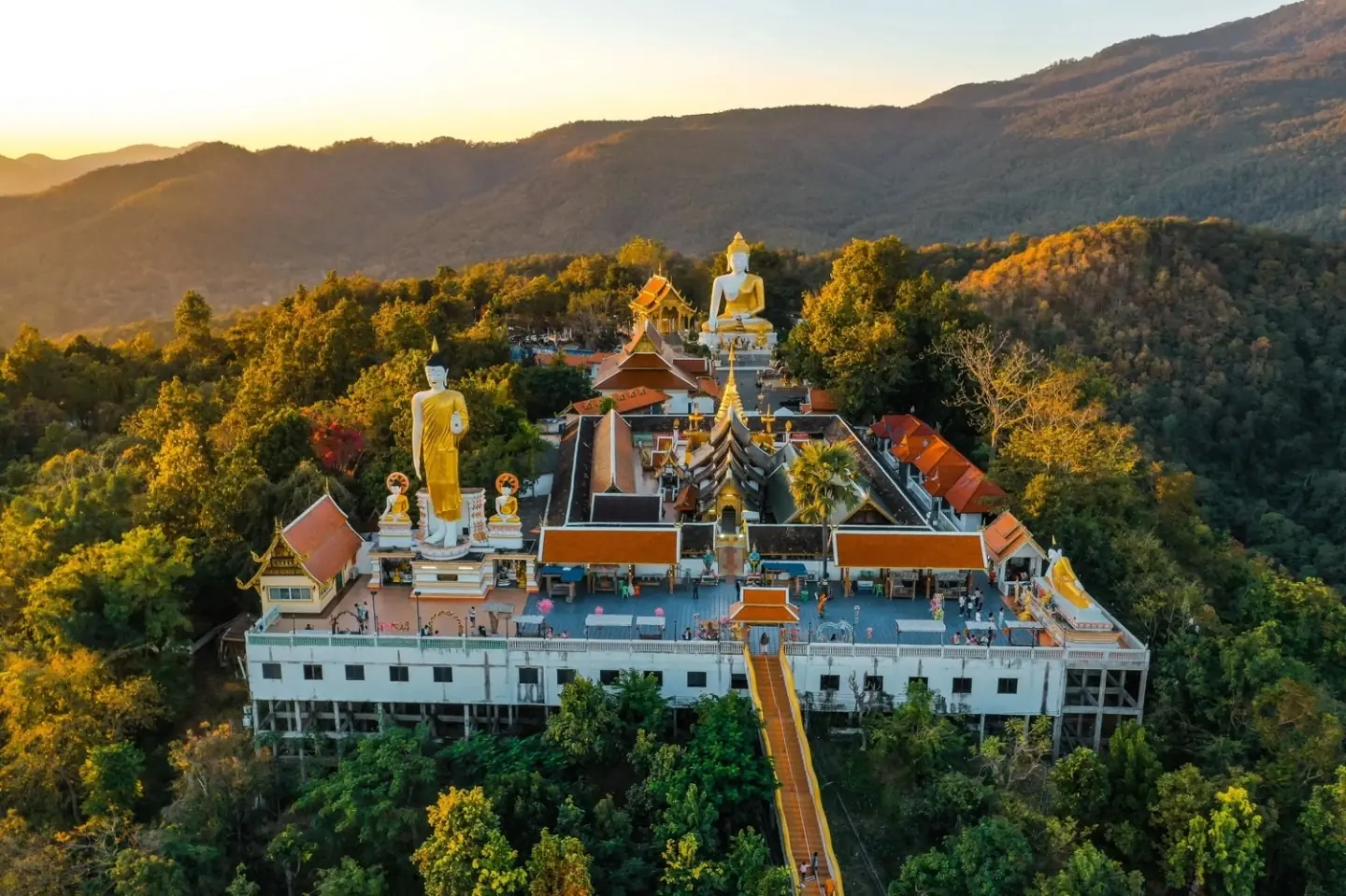
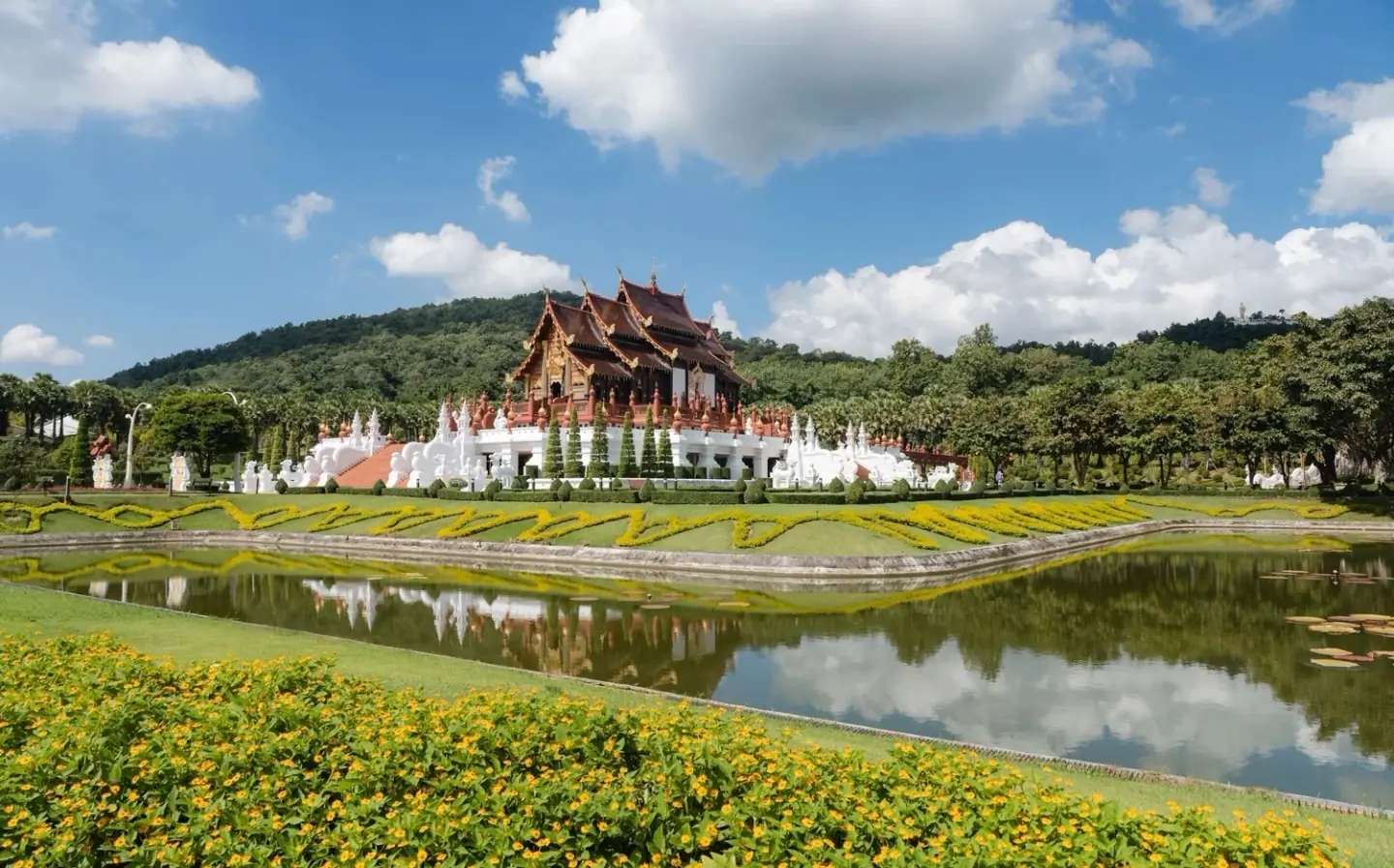
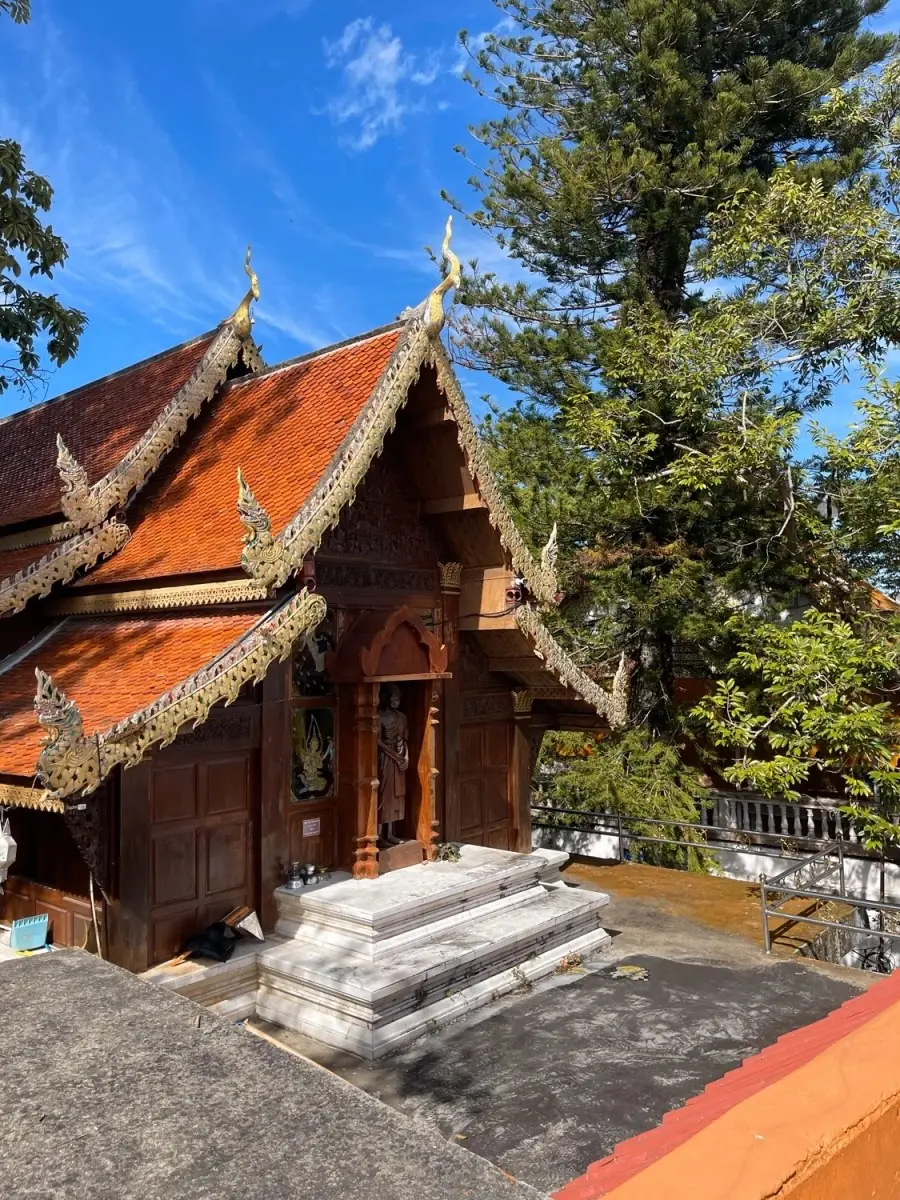
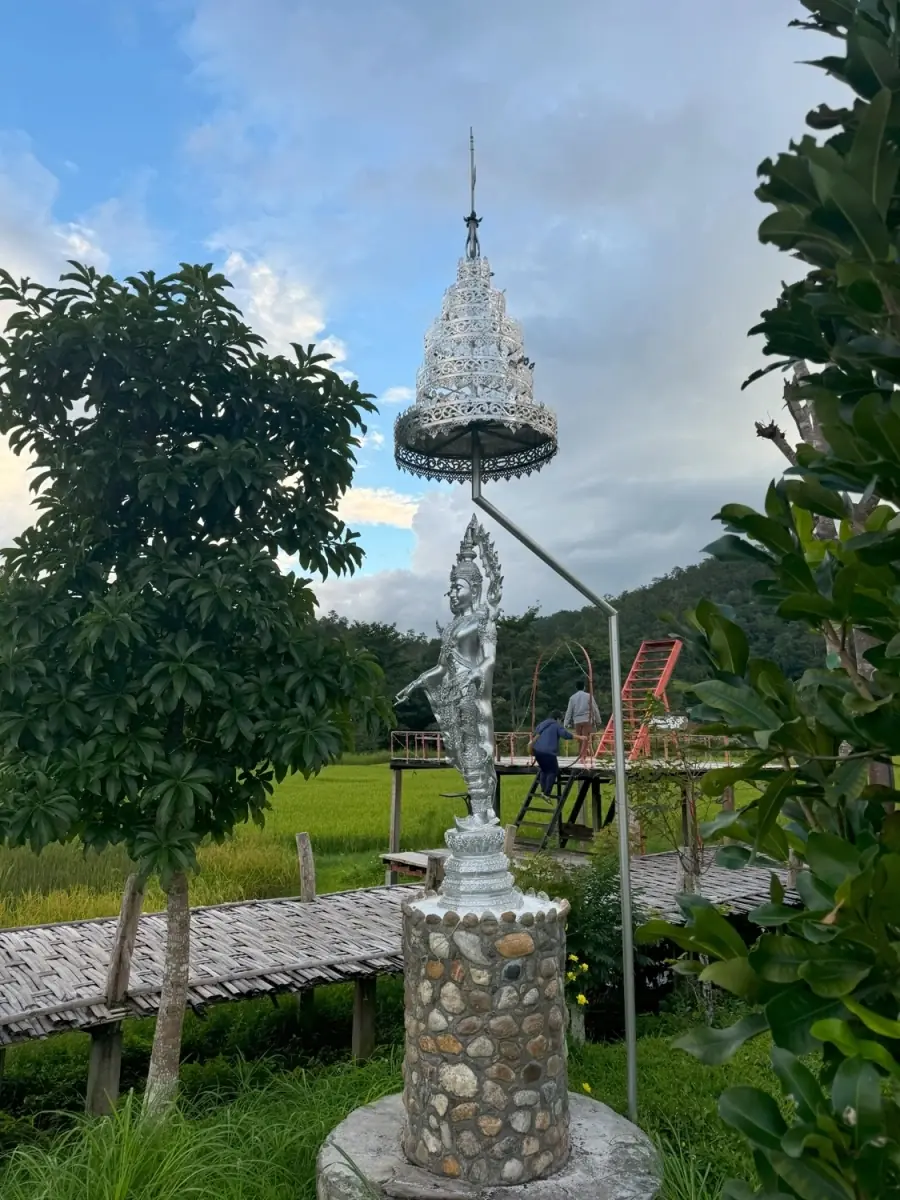
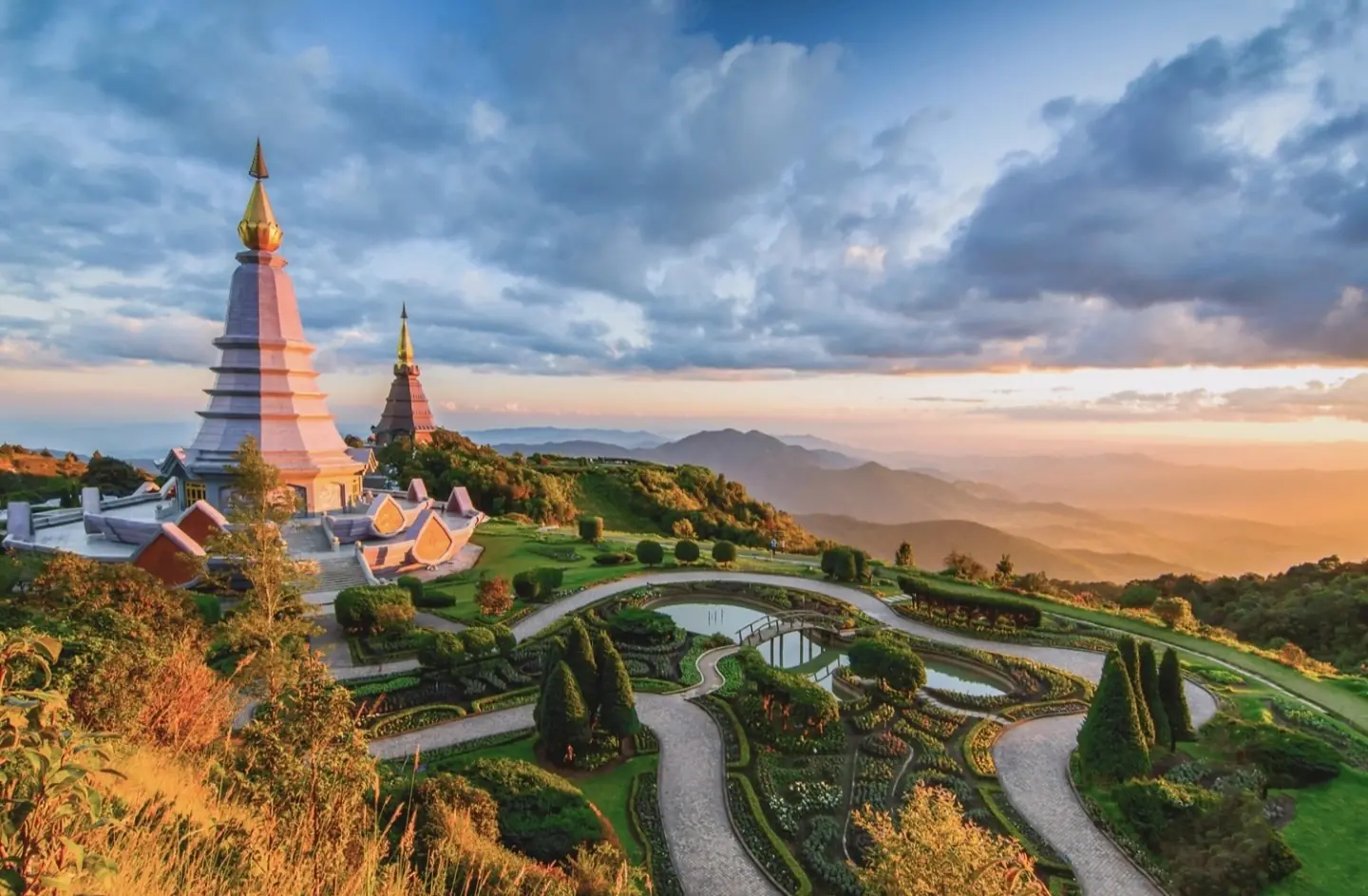
The northern pearl of Thailand, surrounded by mountains and jungles. This province is unique in its atmosphere — here, ancient culture harmoniously blends with the dynamics of the modern world.
Founded in 1296, the city of Chiang Mai was long the capital of the Lanna Kingdom — one of the most important Thai states, which left a deep mark on the city's architecture, art, and traditions. Ancient temples with carved wooden details, sacred stupas, and powerful walls with gates that recall the glorious past have been preserved in the Old City to this day.
Today, Chiang Mai is not only a historical center but also a vibrant metropolis with a population of over a million.
The city attracts tourists and lovers of Asian culture thanks to its flair: cozy cafes and restaurants with Thai and international cuisine, markets with handmade crafts and local delicacies, and a rich program of cultural events and festivals.
Chiang Mai cannot boast of skyscrapers and modern business centers — there are no tall glass buildings here that dominate Bangkok. Instead, the city is lush with greenery and surrounded by picturesque mountains, which creates a comfortable climate and opportunities for outdoor activities. In the surrounding areas, you will find waterfalls, trekking routes, and footpaths leading to ethnic villages.
Moreover, Chiang Mai is a recognized center of Buddhist culture and spirituality. The city is home to more than 300 temples, including the famous Wat Phra That Doi Suthep — a sacred site that thousands of pilgrims and tourists visit every year.
In addition to its cultural heritage, the city is famous for its modern amenities — Chiang Mai has an international airport, numerous hotels, and developed infrastructure for expats and digital nomads. It is believed that Chiang Mai has lower prices and a less sweltering climate, which is better suited for living.
5 facts about Chiang Mai:
1. A city hidden behind the mountains. Chiang Mai is surrounded by mountains and jungles, and until the 1920s, it could only be reached by river or caravan route. The railway arrived here later, and it was this that opened the city up to mass tourism.
2. More than 300 temples in a single city. There are over three hundred temples in the territory of Chiang Mai and its surroundings, many of which are over 500 years old. The most famous is Wat Phra That Doi Suthep, which stands on a mountain and is visible from any point in the city.
3. Its own unique New Year. Chiang Mai is the capital of the Thai Songkran festival (Thai New Year in April), and it is here that the country's largest "water battles" are held. You can read more about this holiday in the article "Songkran — the wettest festival."
4. The center of Thai creativity. Chiang Mai is known as the capital of crafts and artisanal goods. The country's best silk, hand-painted umbrellas, wood carvings, and silverware are made here.
5. The Festival of a Thousand Lanterns. Chiang Mai is famous for the Yi Peng festival, when thousands of paper lanterns rise into the sky simultaneously. This spectacle gathers people from all over the world every year and has become one of the city's calling cards.
3. Chiang Rai
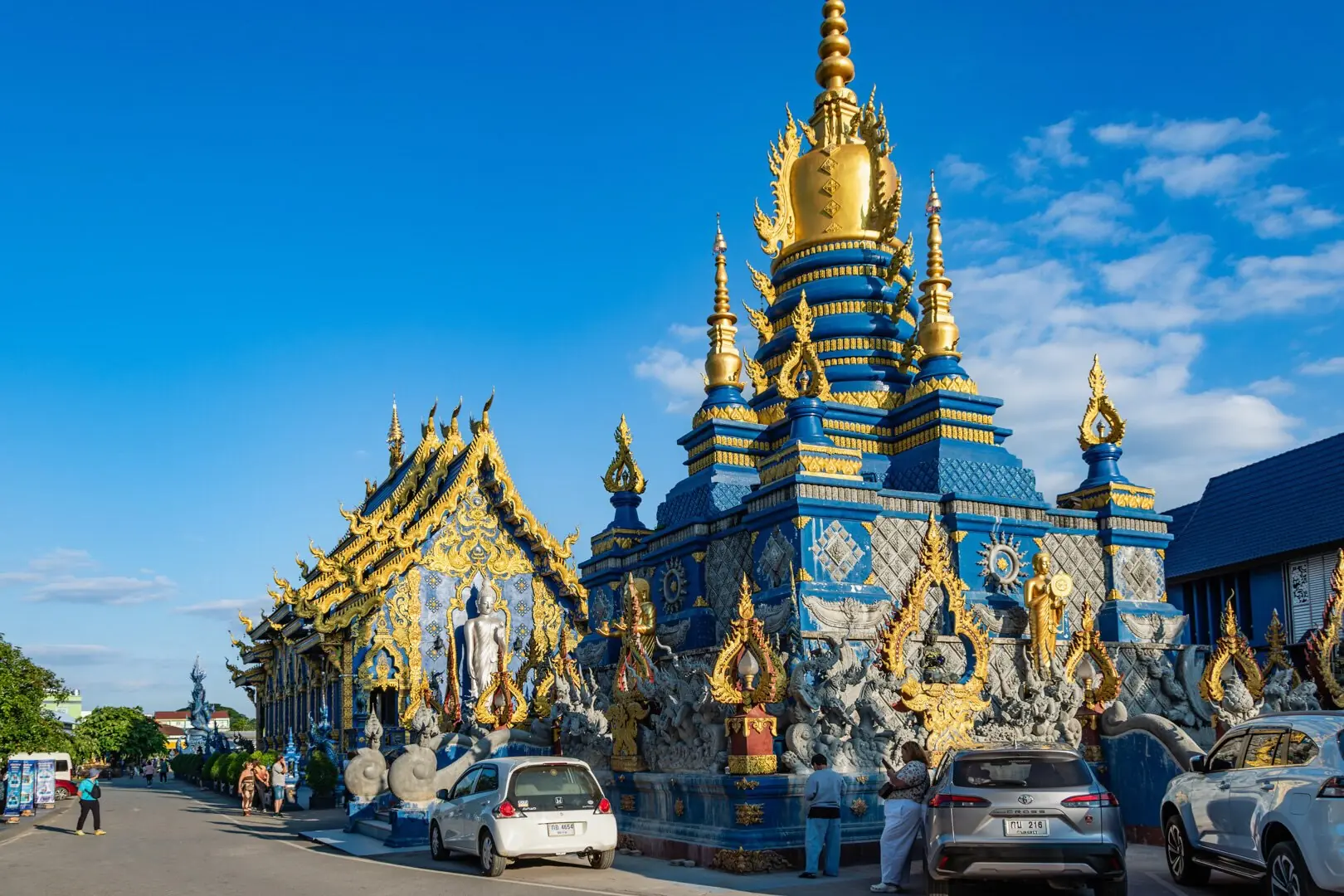
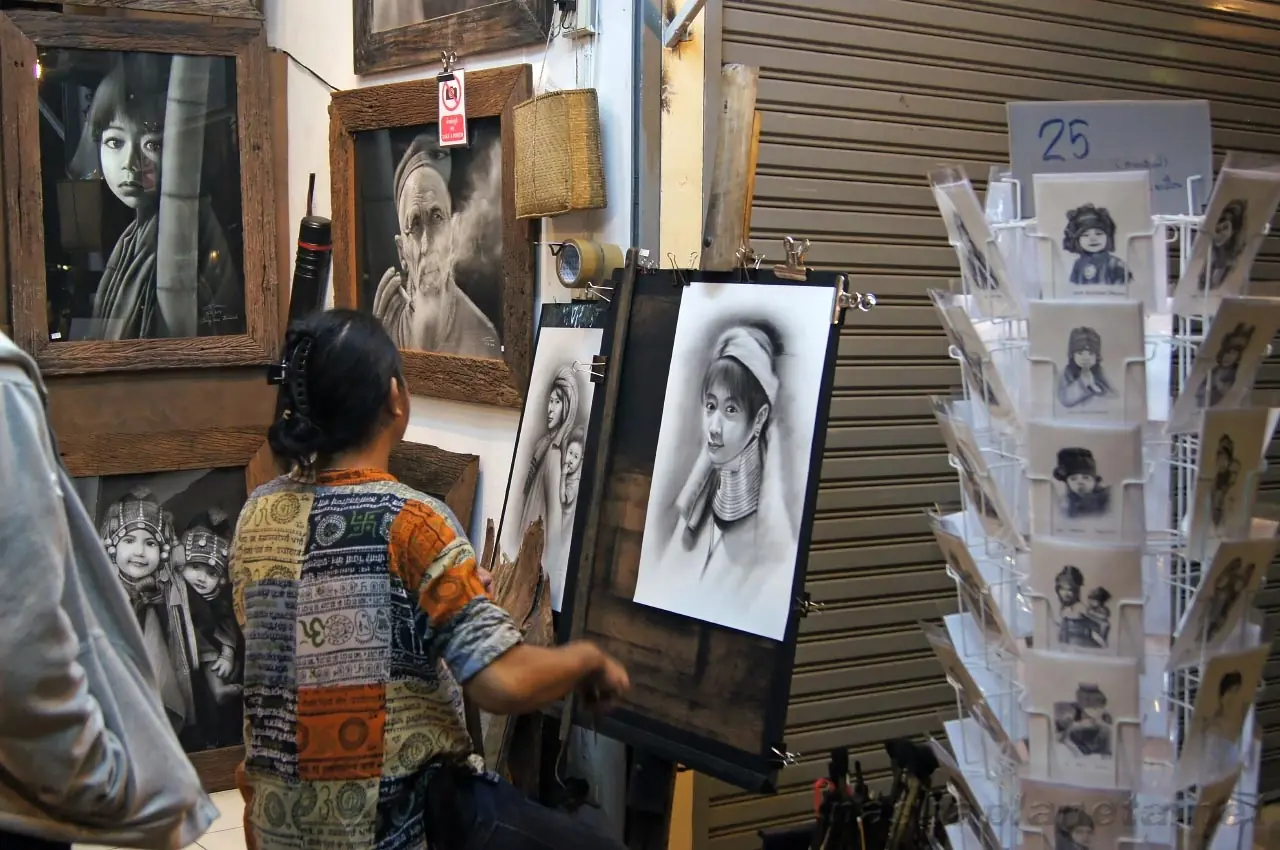
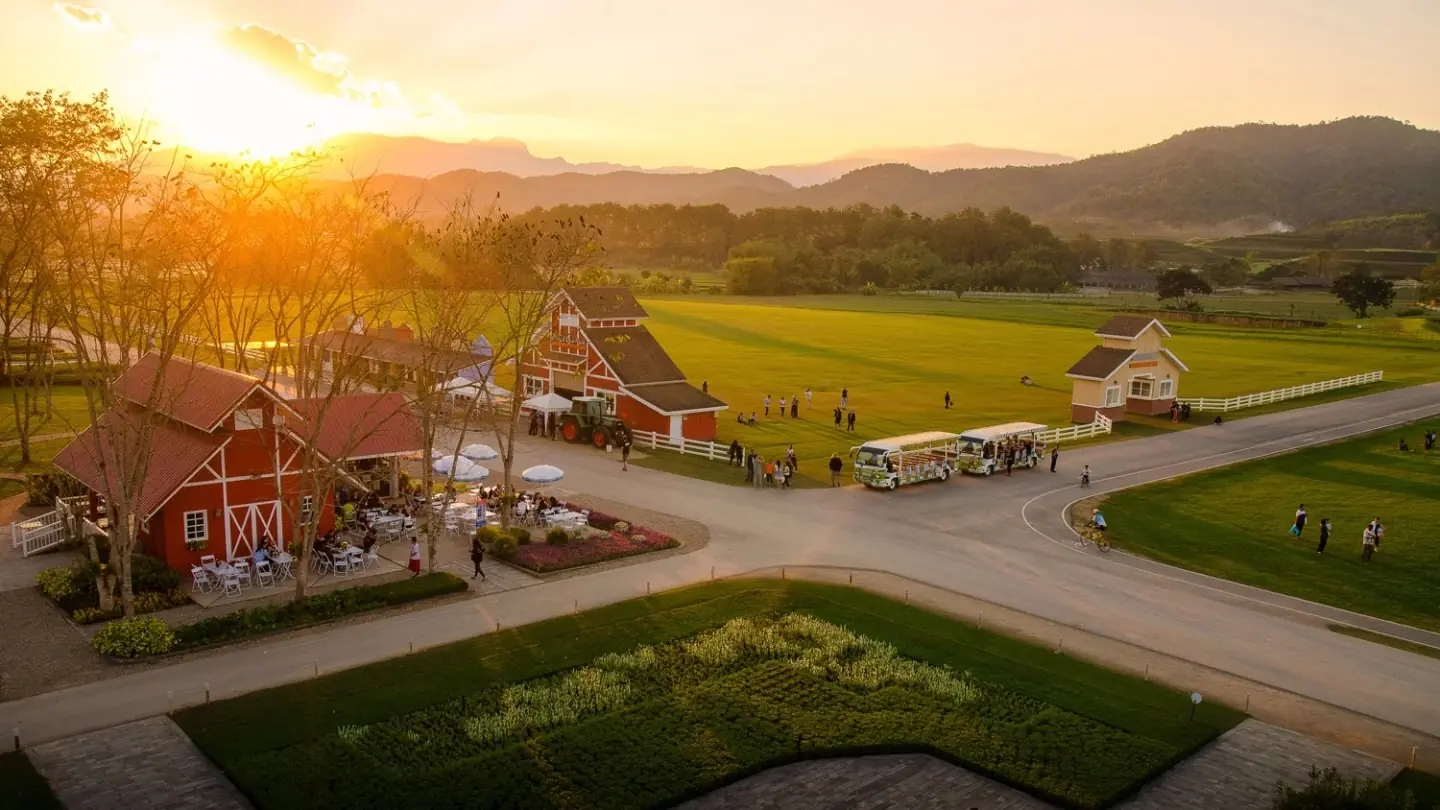
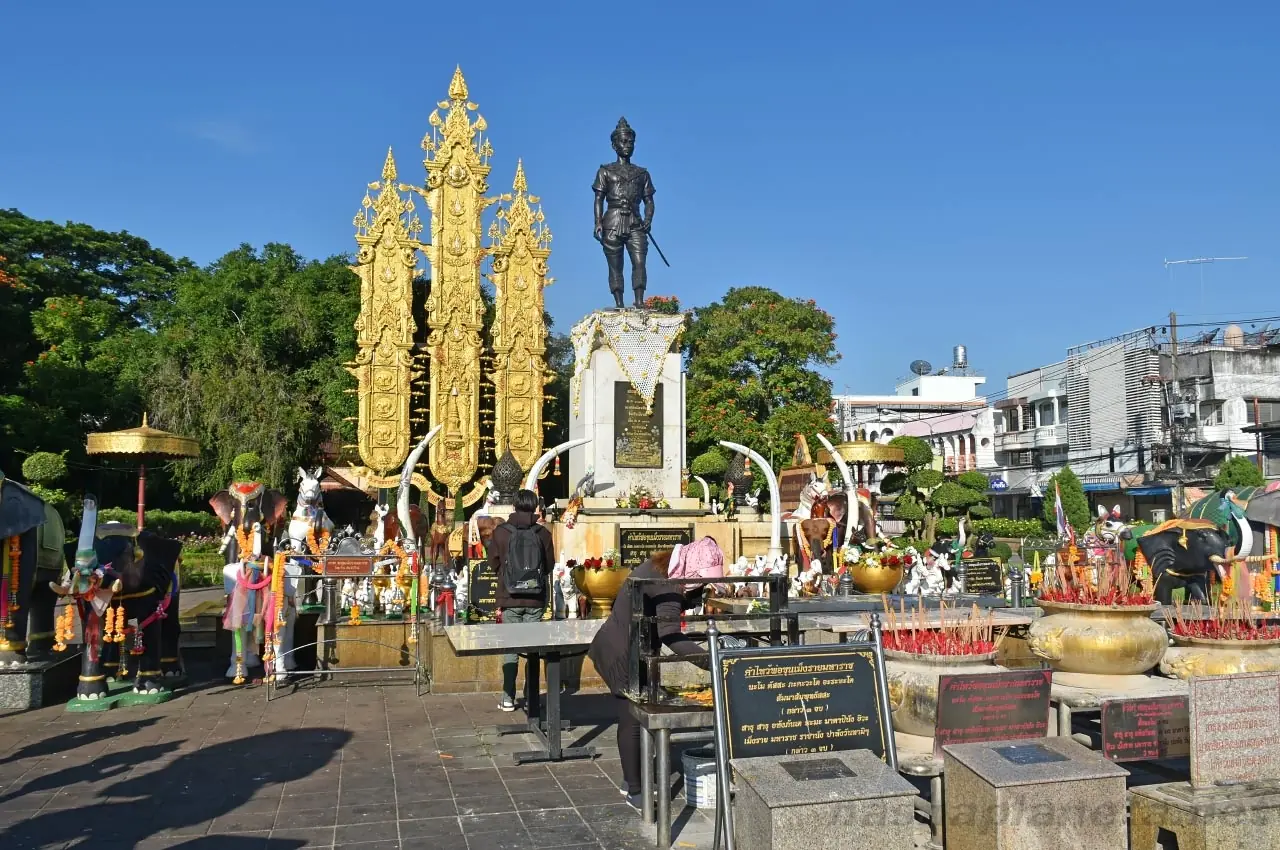
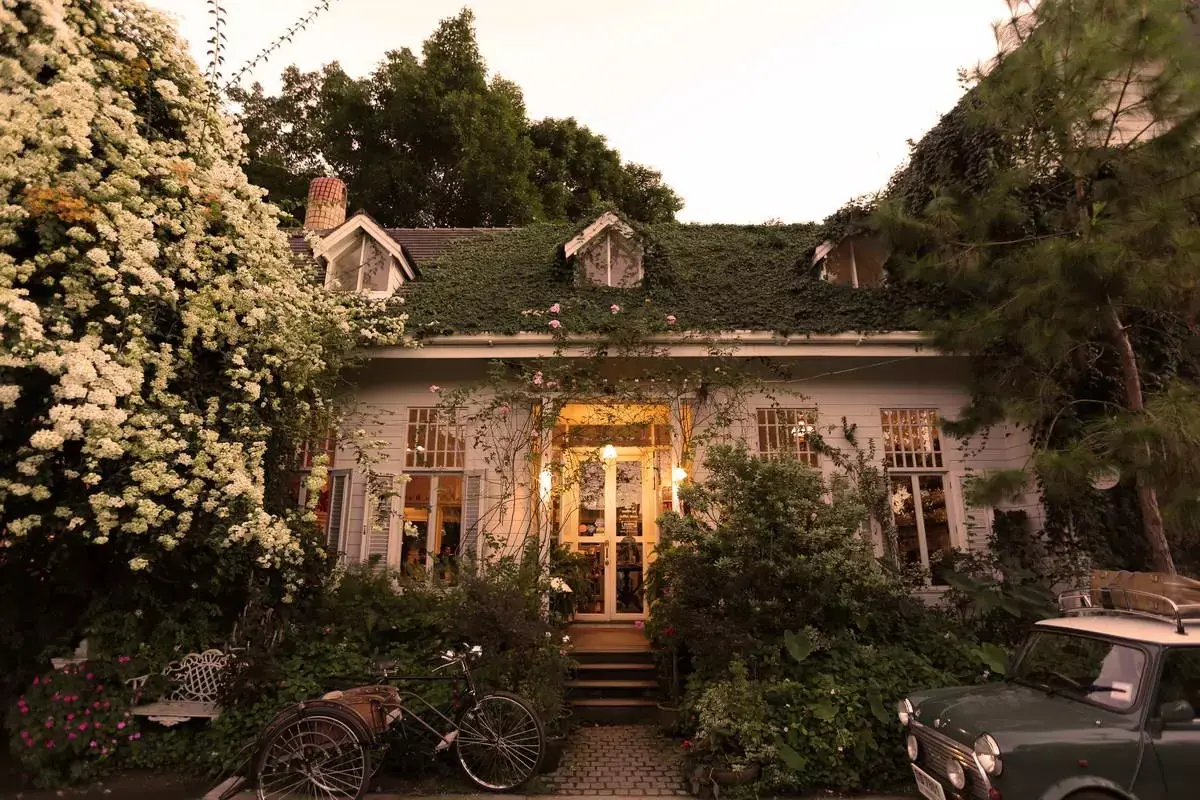
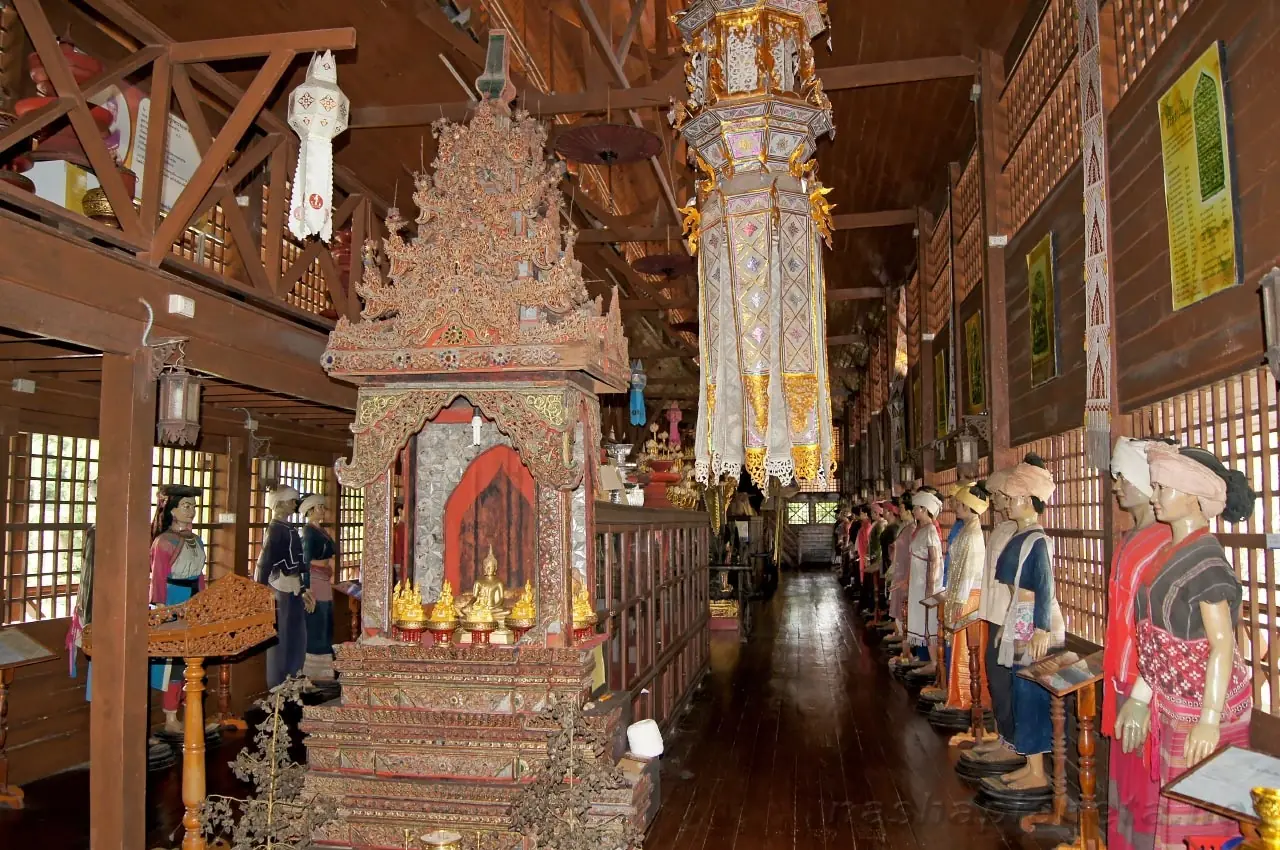
The northernmost province of Thailand, bordering Laos and Myanmar. This region seems to be created for those seeking a combination of nature, history, and unusual architecture.
The main city of the province, Chiang Rai, is small and tranquil, but with a vibrant cultural flair. Here you can stroll along cozy streets, admire the temples, and enjoy the local cuisine.
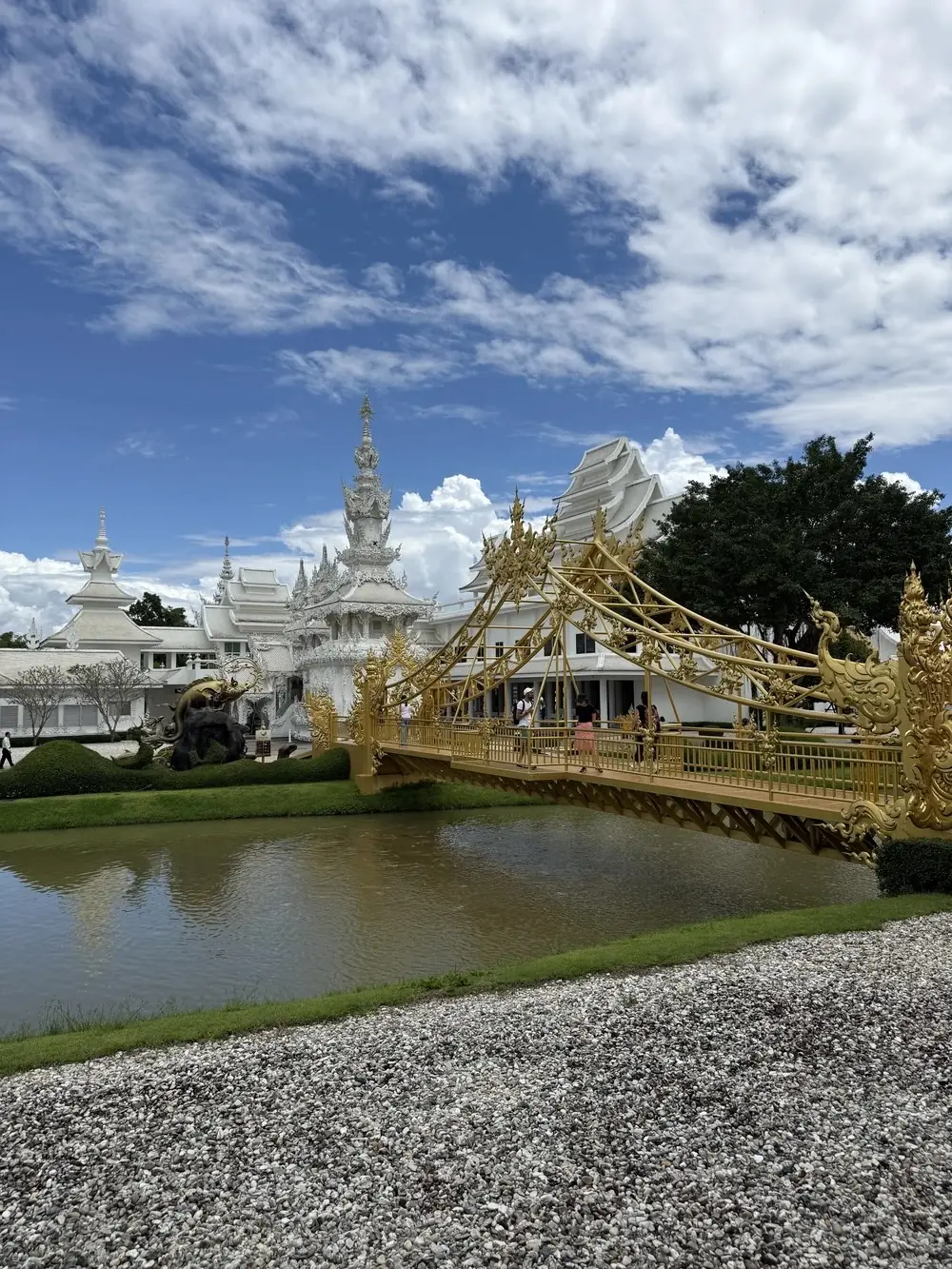
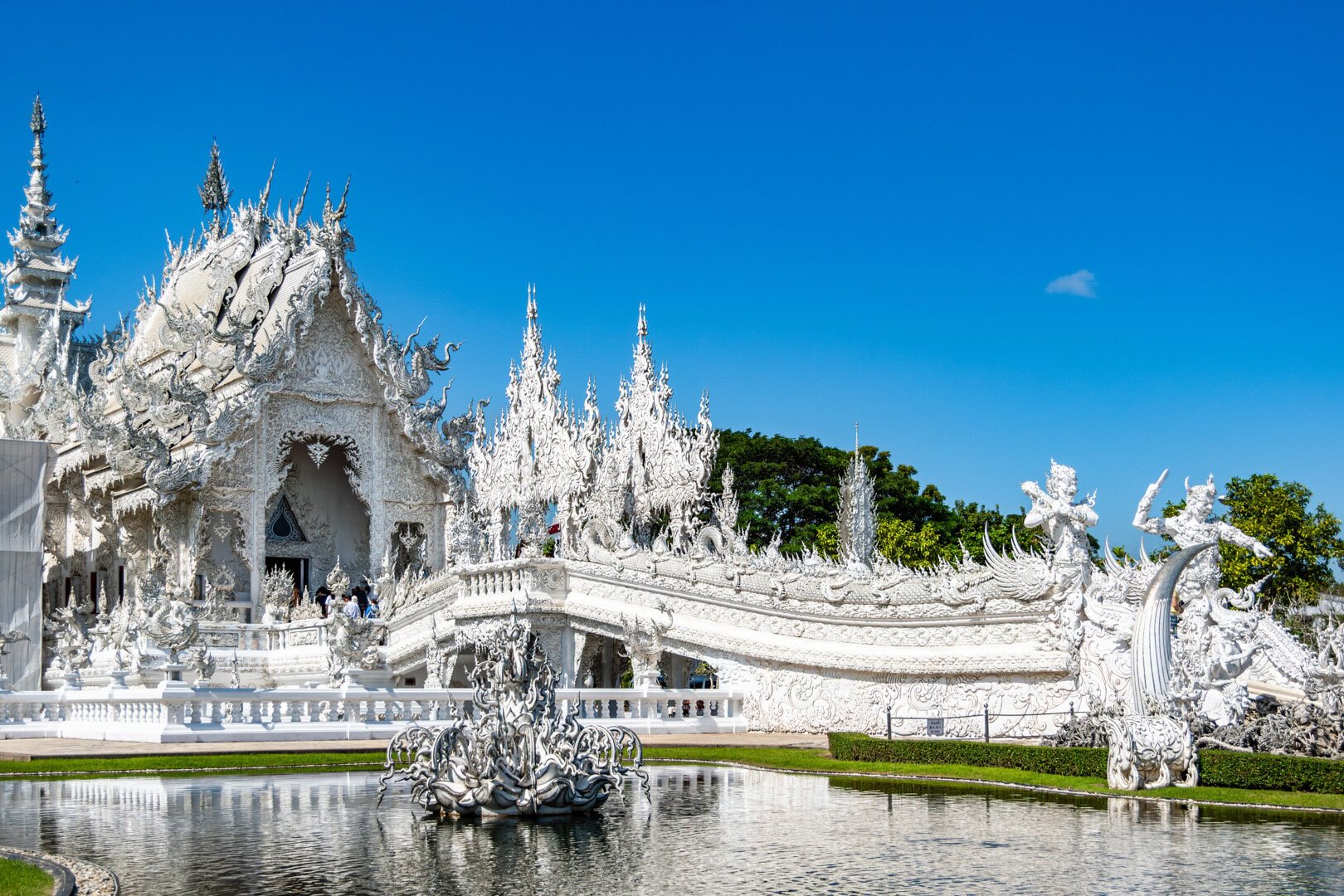
It is in Chiang Rai that the "white wonder of Thailand" is located — the Buddhist temple Wat Rong Khun. It seems to be from a fairy tale: a sparkling white facade and mirror elements create the impression of something unreal.
Chiang Rai is also famous for its nature. In the surrounding areas, you will find mountain tribes, tea plantations, and waterfalls. National parks offer trekking and the opportunity to see rare birds and animals. For history enthusiasts, ancient Buddhist temples and cultural centers are of interest, where you can get acquainted with the traditions of northern Thailand.
The province is also known for its hot springs and rice terraces, which are especially beautiful during the rainy season. Here, it is easy to combine active recreation, cultural immersion, and tranquility amidst nature.
5 facts about Chiang Rai:
1. The White Temple glows at night. Under certain lighting, the crystal elements of the temple reflect light in such a way that the temple appears to be illuminated from within.
2. The Golden Triangle. Chiang Rai is home to the legendary area where the borders of Thailand, Laos, and Myanmar converge; opium was once grown here, but now it is a popular tourist zone.
3. Hot springs with "hovering water." Some hot springs in the mountains of Chiang Rai have an unusual blue water tint and a light steam that creates a mystical atmosphere.
4. Tea terraces on the slopes. Chiang Rai is famous for its tea plantations, where tea leaves are grown on steep mountains; many tourists try freshly picked tea right from the bushes here.
5. Secret caves with Buddhist statues. In some mountain caves of the province, there are small temples and statues known only to local residents.
4. Chonburi
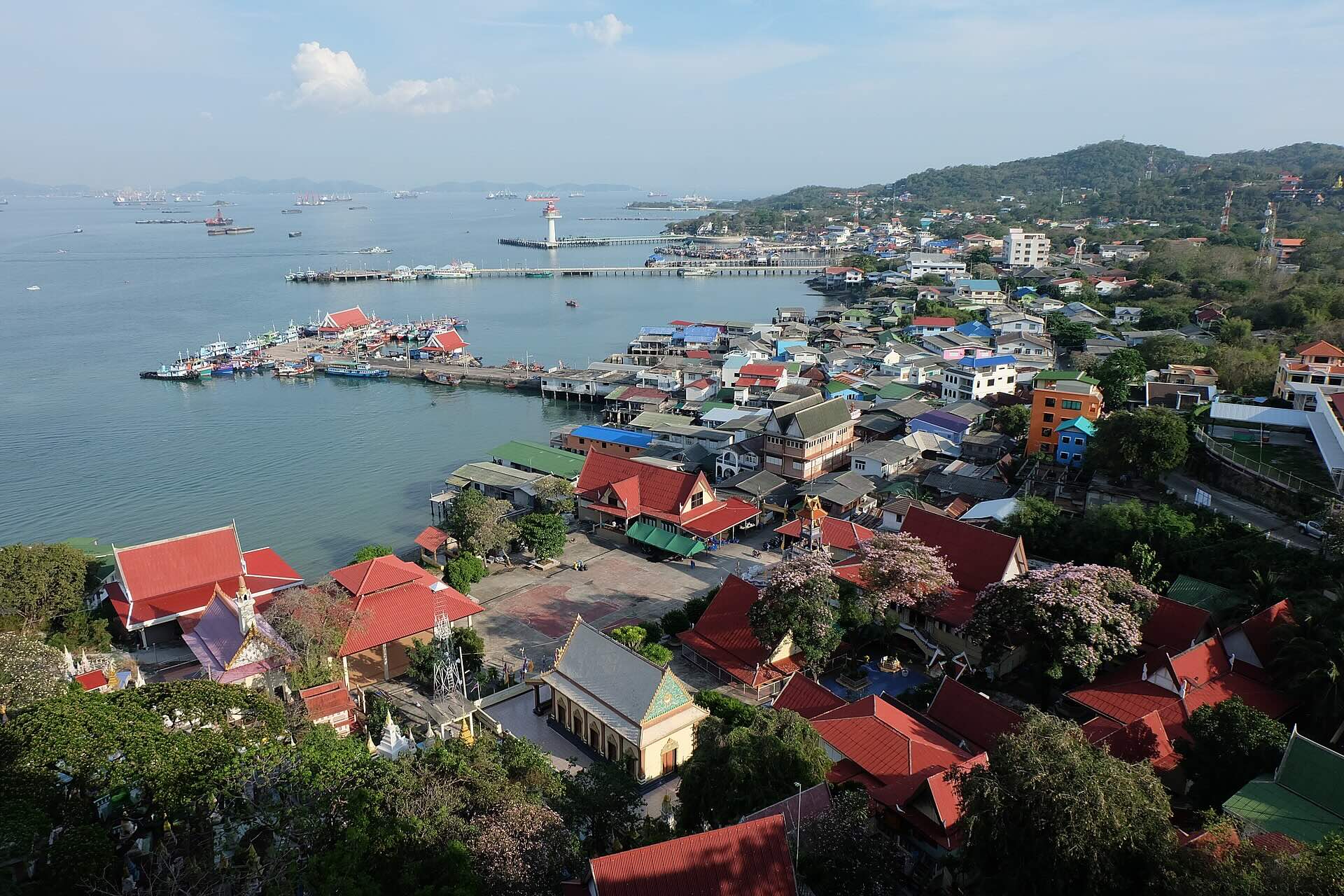
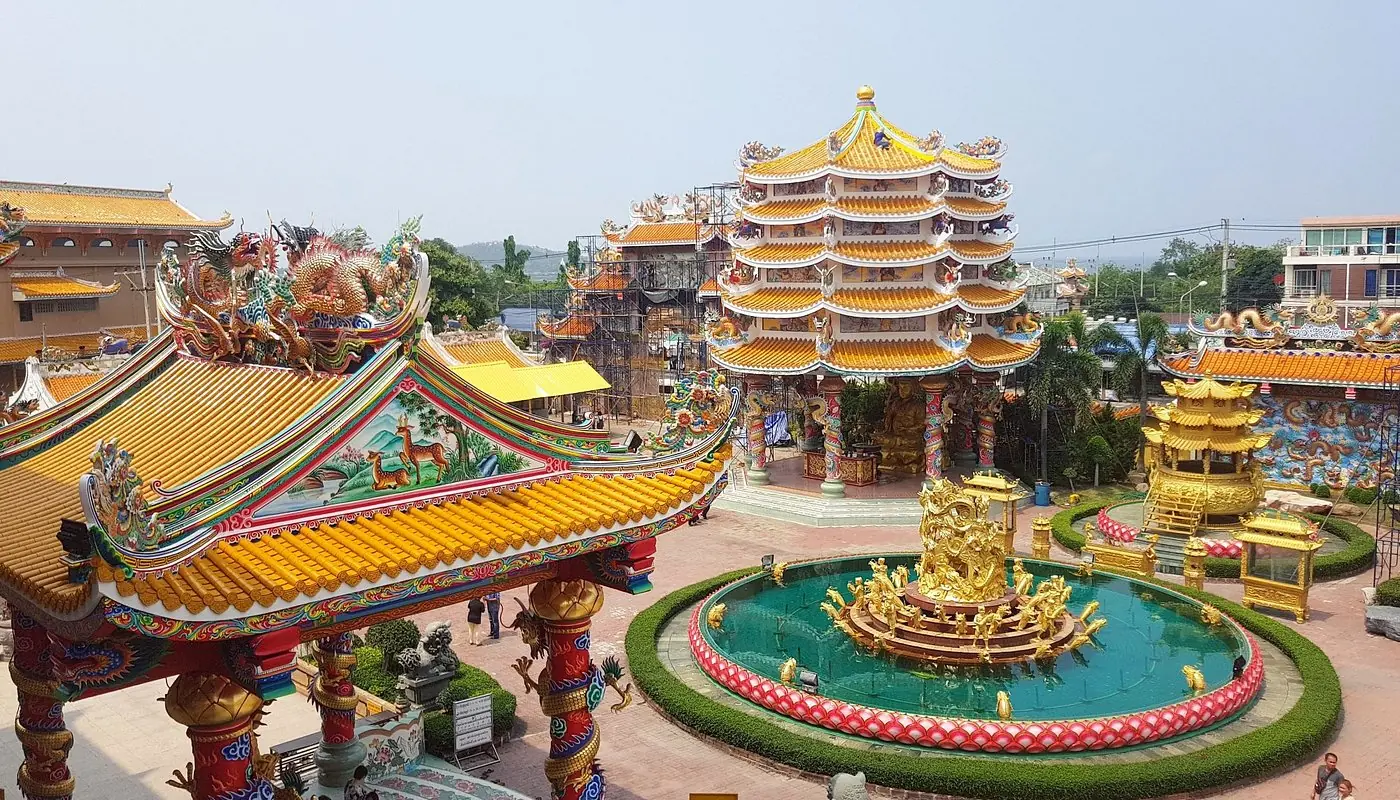
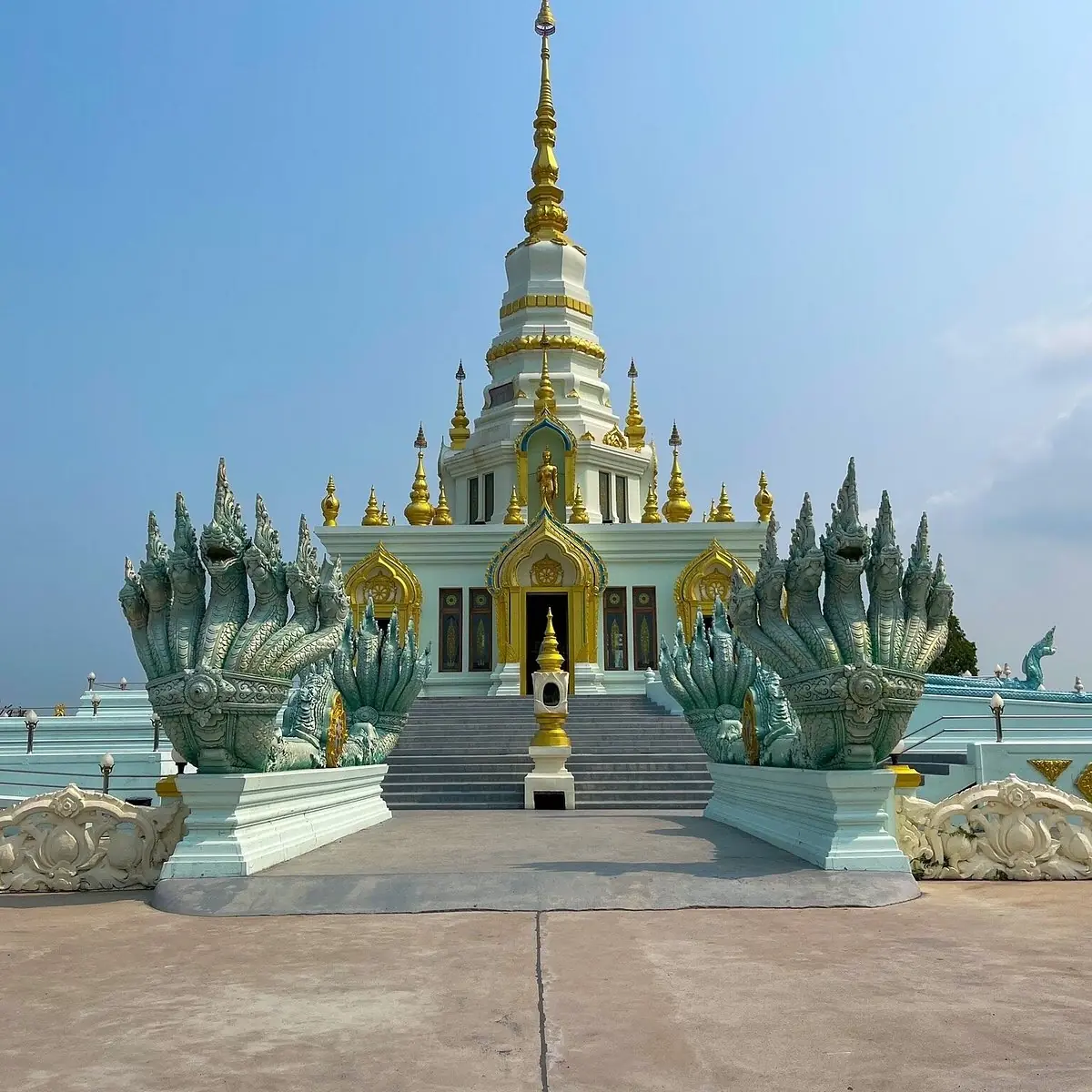
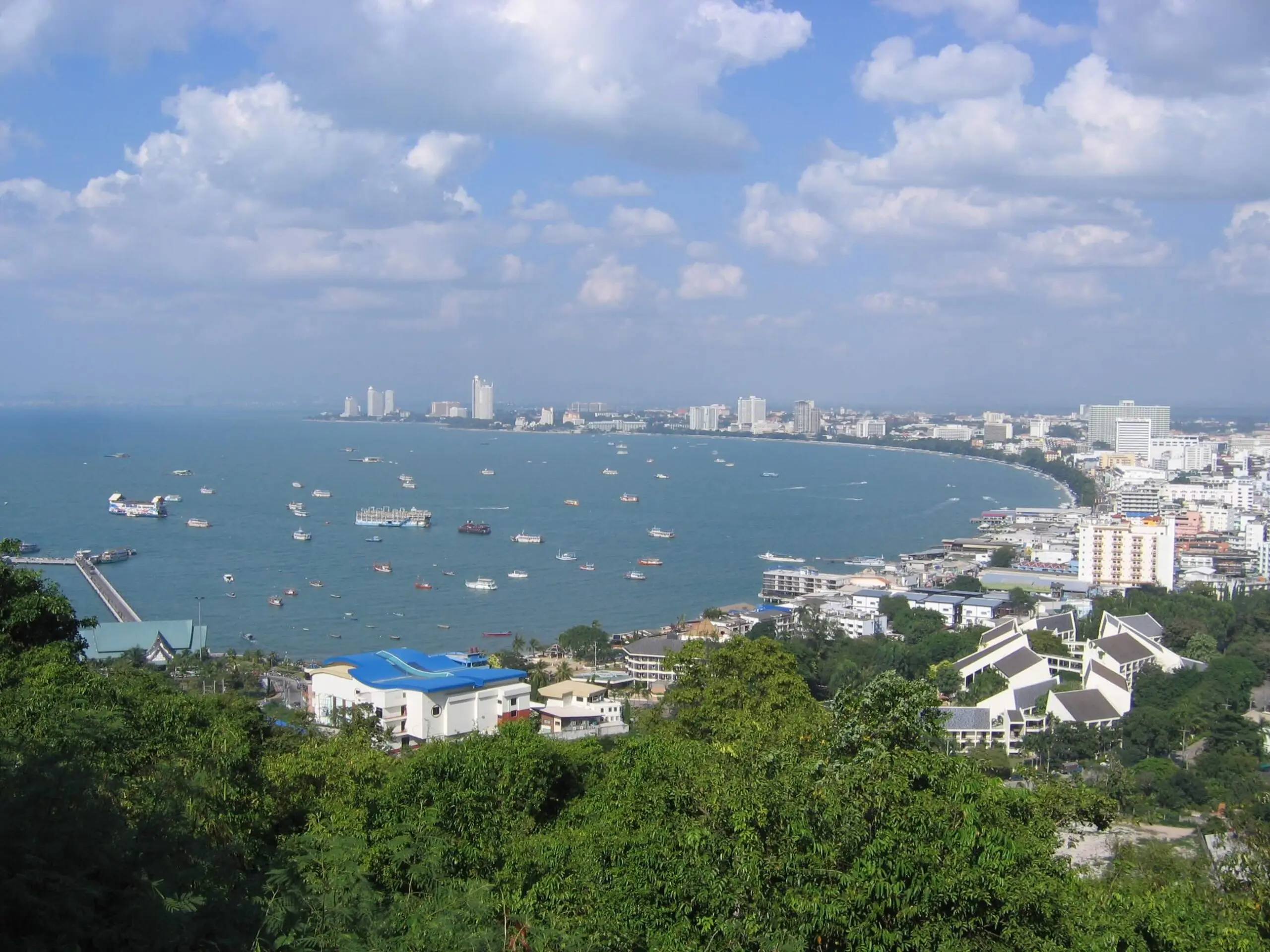
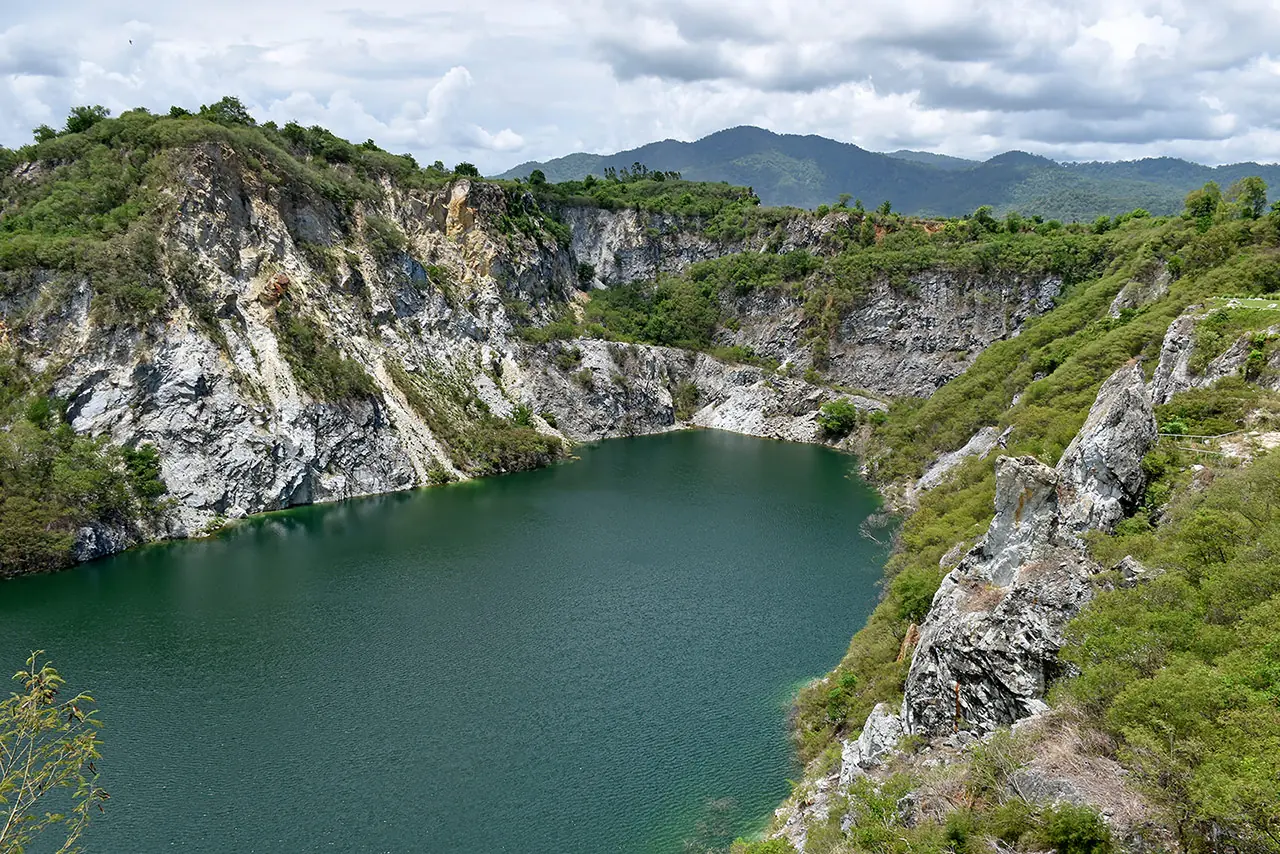
A province on the coast of the Gulf of Thailand, best known for the city of Pattaya. It is one of the most vibrant and economically developed provinces of Thailand.
Chonburi is a unique blend of industrial development, seaside resorts, and a vibrant cultural life.
Chonburi stretches along the Gulf of Thailand, which makes it an important center for maritime transport and industry. The province is located about 80 km from Bangkok, making it easily accessible by any means of transport.
It is home to large automotive factories, shipbuilding companies, petrochemical enterprises, and logistics hubs. However, despite its industrial character, Chonburi is also famous for its tourist zones.
The main resort, Pattaya, offers entertainment for every taste and budget: from beach holidays and water sports to noisy nightclubs and 18+ shows.
Chonburi combines the dynamic life of an industrial region with the tranquility of a coastal resort. The province is actively developing, with new residential complexes, shopping malls, schools, and medical facilities appearing. It is a comfortable place to live for both locals and expats, whose numbers have been growing in recent years.
5 facts about Chonburi:
1. The most "maritime" province of Eastern Thailand. Chonburi stretches along the coast of the Gulf of Thailand and is famous not only for its resorts but also for its fishing villages, where life moves to the rhythm of the tides. Here you can try the freshest seafood right from the boats and see how real sea nomads live.
2. Not only the sea, but also vineyards. In Chonburi, you can find real vineyards and wineries, such as Silverlake Vineyard, where they produce local wine and hold tastings against a mountain backdrop.
3. An island-aquarium. Near Chonburi lies Koh Larn — a tiny paradise with crystal-clear water and white sand, which can be reached in just 30-40 minutes by speedboat.
4. A temple built without a single nail. In Pattaya stands a grand structure — the Sanctuary of Truth, made entirely of wood. Its construction began in 1981 and continues to this day.
5. A place where you can interact with wild animals. Chonburi is home to one of the largest open zoos in Asia — Khao Kheow Open Zoo. Here, animals live in conditions as close to the wild as possible, and you can interact with some of them.
5. Surat Thani
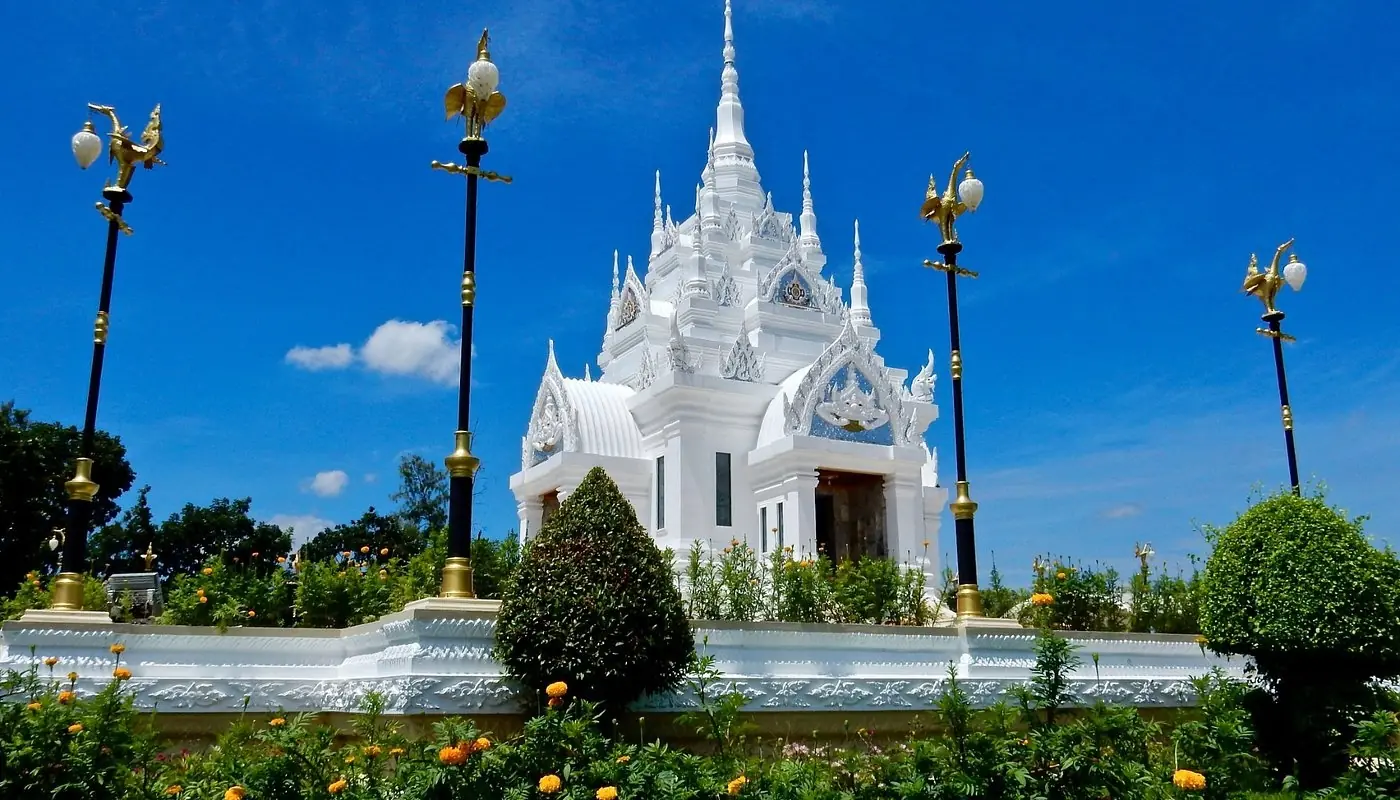
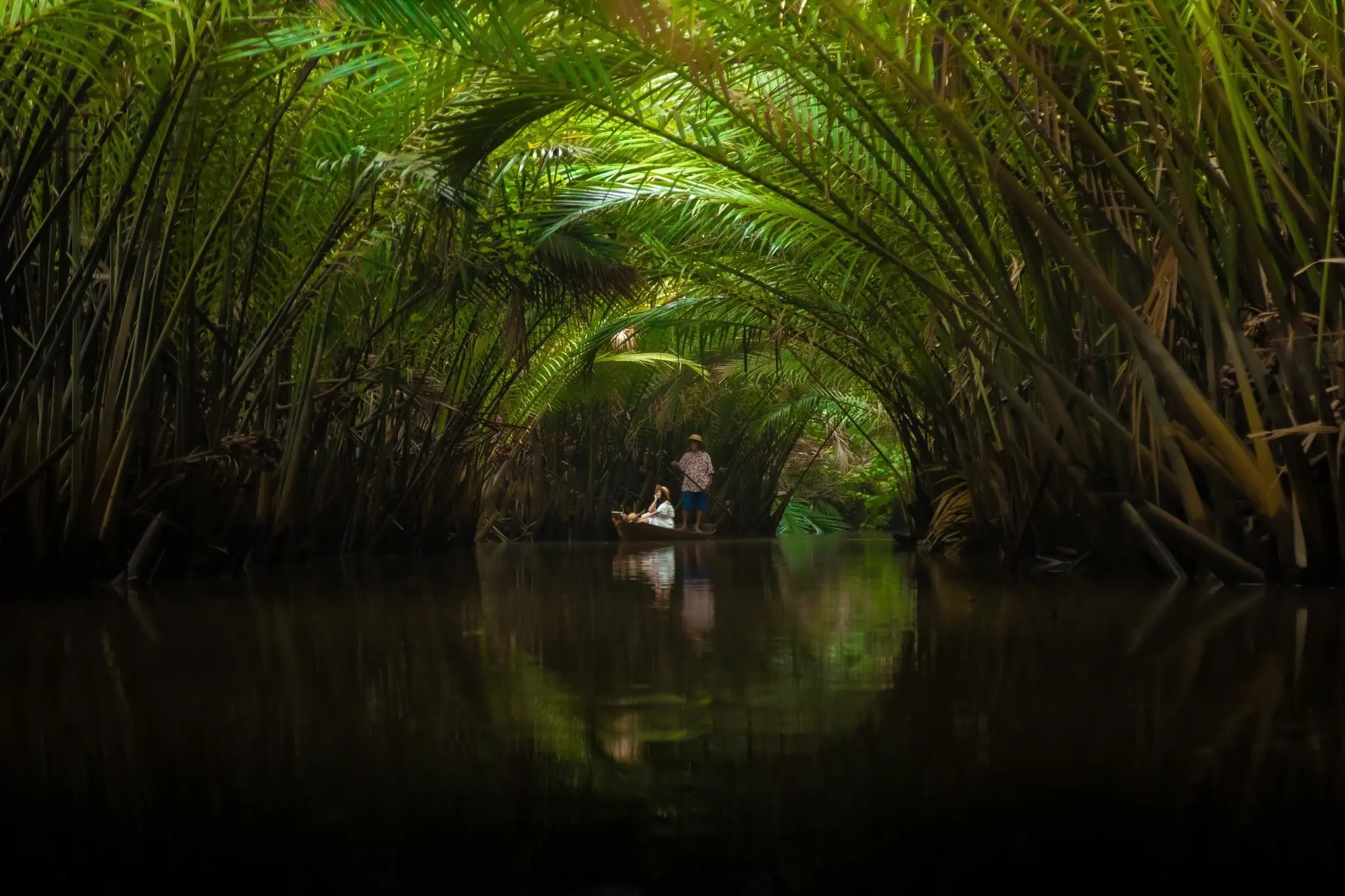
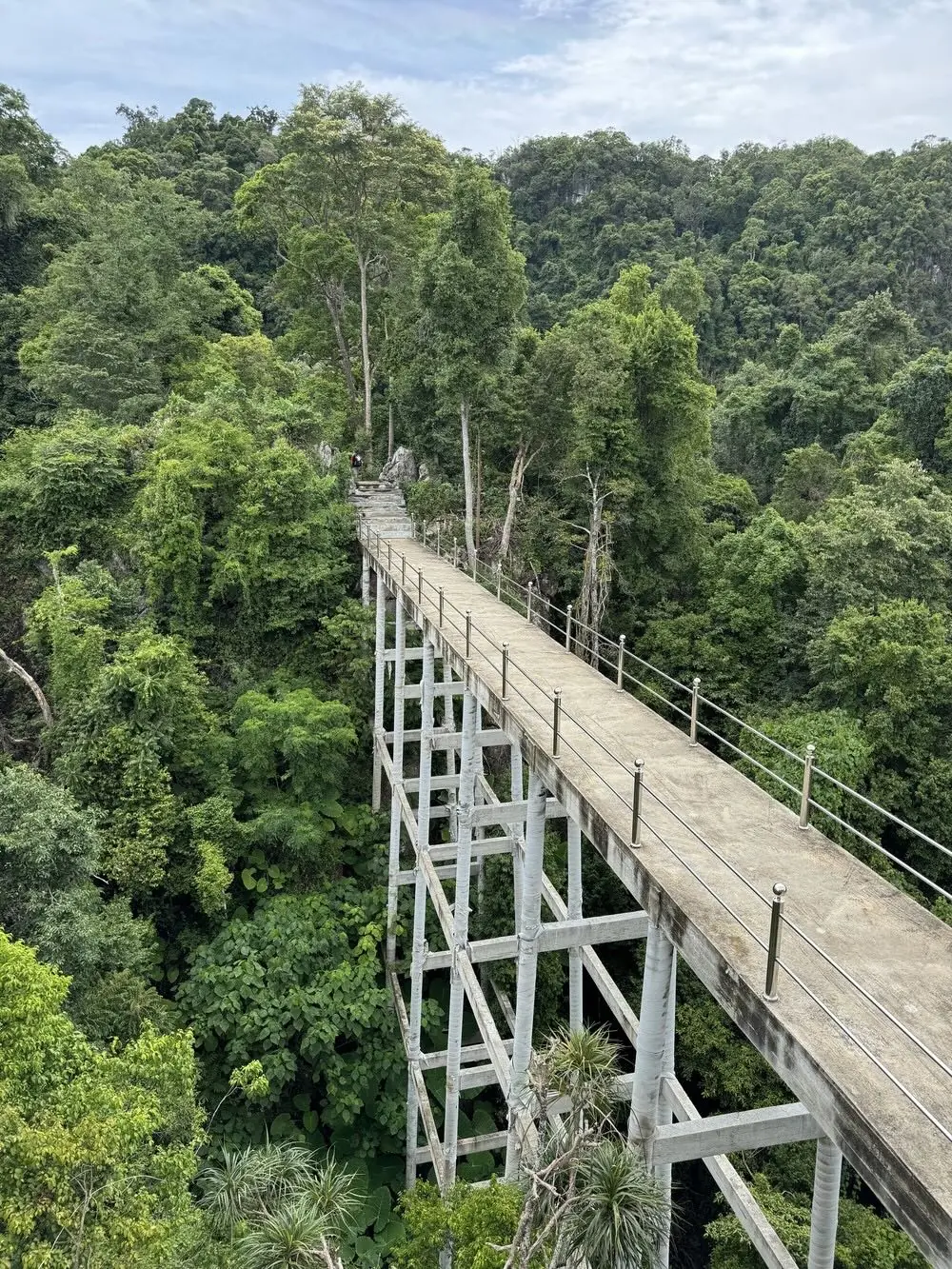
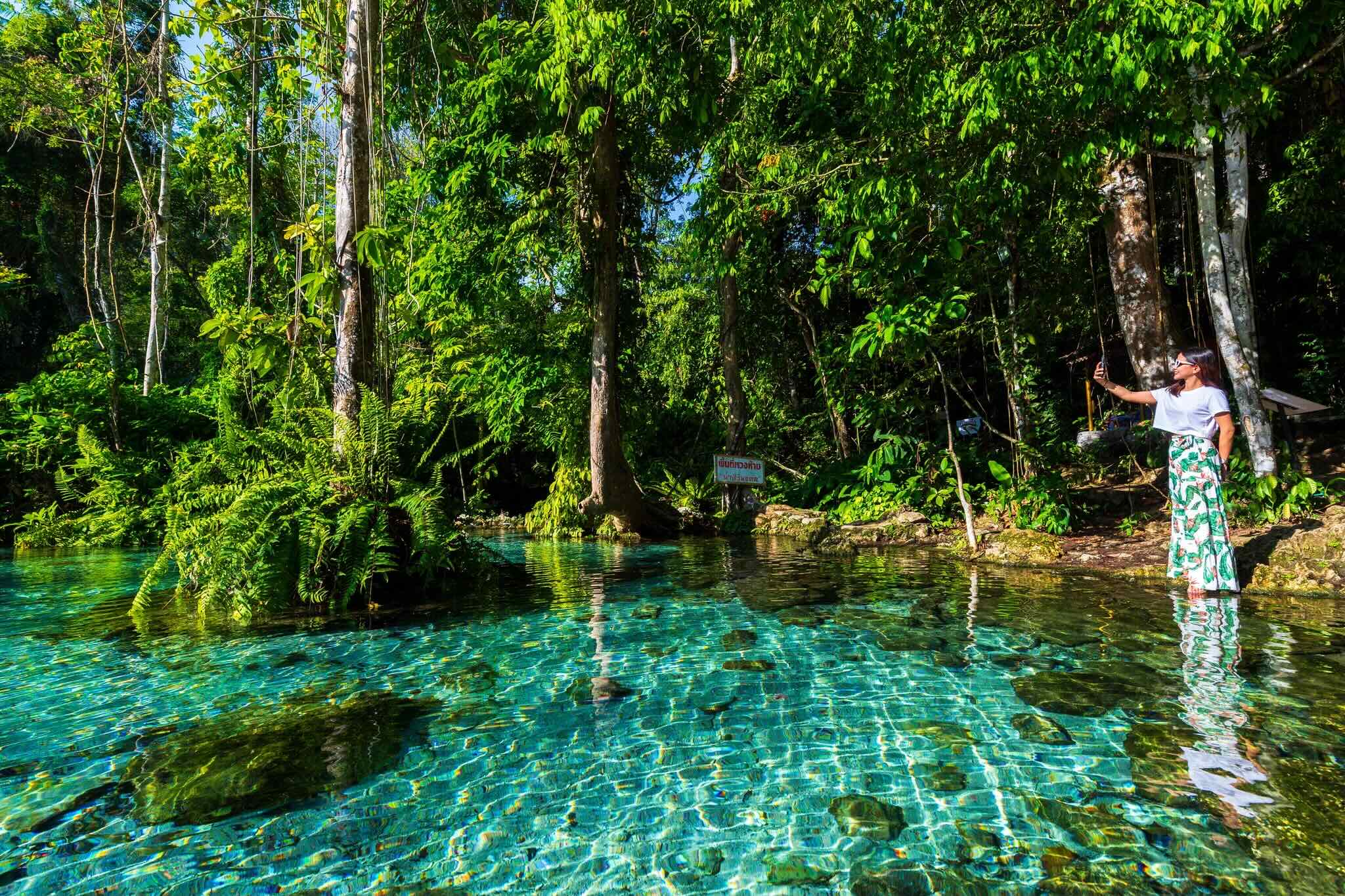
Surat Thani is a whole world of natural beauty. Here you will find dense tropical forests, mountains, and amazing beaches with snow-white sand and crystal-clear water. The province borders the Andaman Sea to the west and the Gulf of Thailand to the east, which gives travelers a choice: quiet bays and wild beaches in the west, and picturesque bays in the east.
It is in Surat Thani that Khao Sok National Park is located — one of the most famous and beautiful tropical national parks in the country, renowned for its ancient jungles, rocky mountains, waterfalls, and lakes.


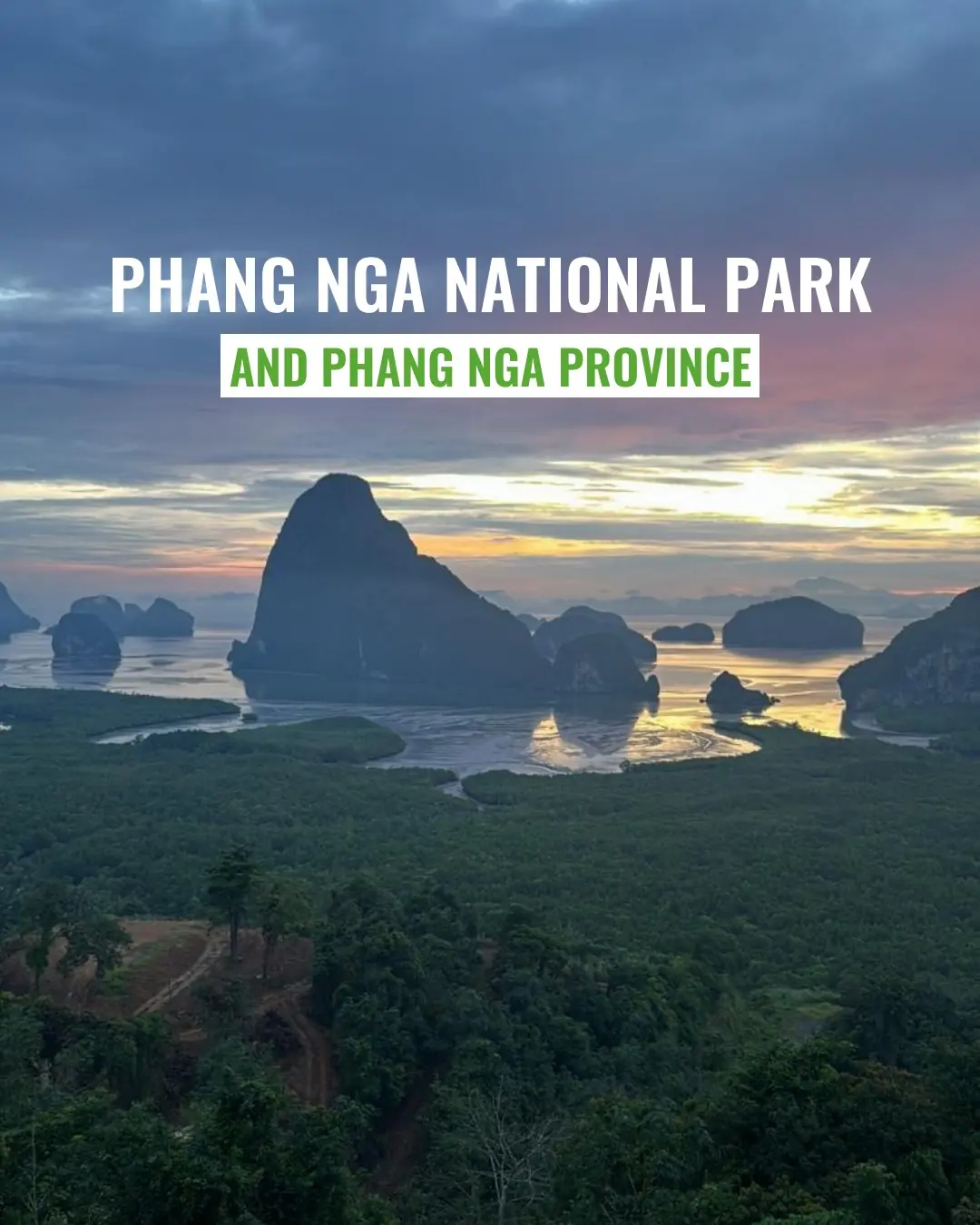
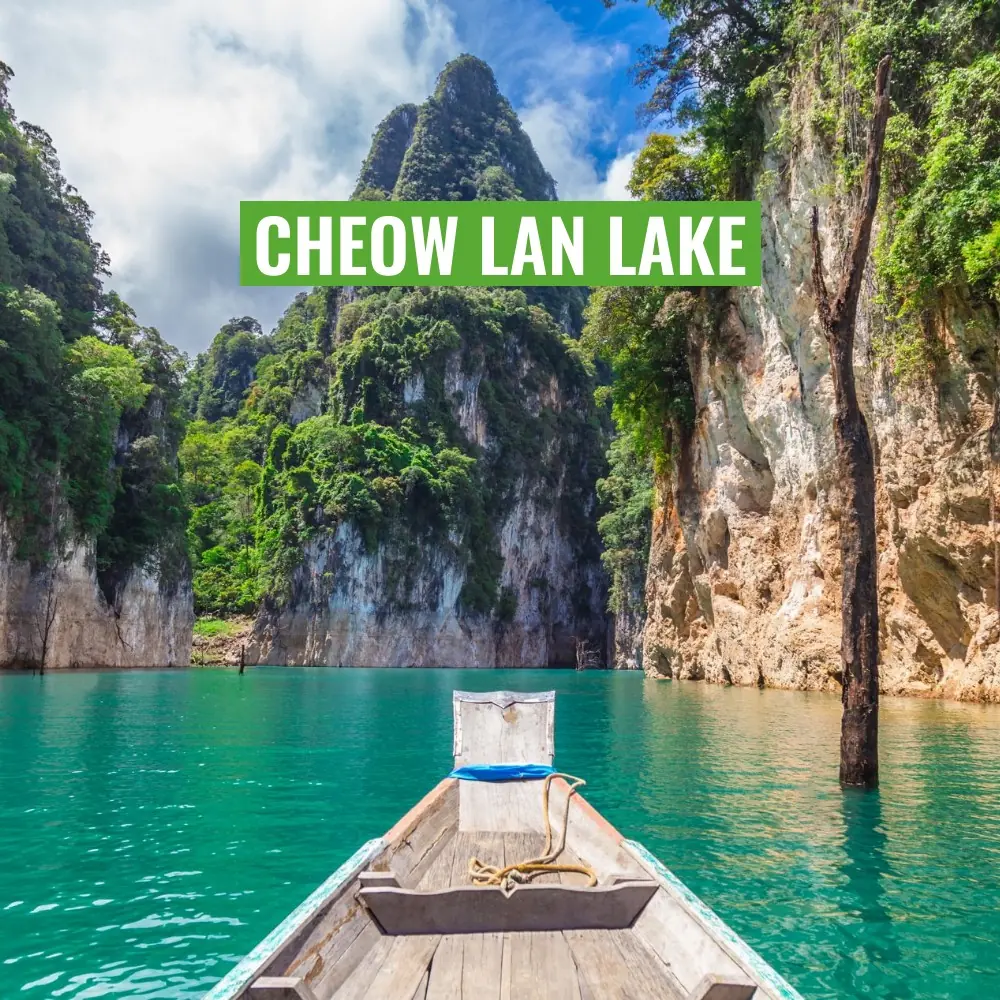
By the way, Cheow Lan Lake belongs to the neighboring province of Phang Nga. However, it is connected to the tourist routes from Surat Thani, so they are often mentioned together. For tourists, these places are often combined, as it is convenient to visit them within a single trip.
5 facts about Surat Thani:
1. "City of Good People." The name of the province translates as the "city of good people," and this is not just a beautiful expression. The locals are indeed famous for their hospitality and genuine kindness.
2. Gateway to island paradise. Surat Thani is the main departure point for Koh Samui, Koh Phangan, and Koh Tao. It is from here that ferries, catamarans, and speedboats head to the three most famous islands in the Gulf of Thailand.
3. One of Thailand's oldest national parks. Khao Sok is a park with jungles that are over 160 million years old. It is home to rare species of animals and plants, including giant Rafflesia flowers.
4. Coconut capital of Thailand. Surat Thani is considered the largest producer of coconuts in the country. Special varieties are grown here, from which coconut milk, oil, and even sweets that cannot be found in other regions are made.
5. A lake in the "Avatar" style. The Cheow Lan Lake with limestone cliffs protruding from the emerald water is located within the province. The place is so picturesque that it is often compared to the scenery of the movie "Avatar." There is even an excursion called the "Avatar Path."
As we have already noted, Surat Thani is the gateway to the islands of Koh Samui and Koh Phangan.
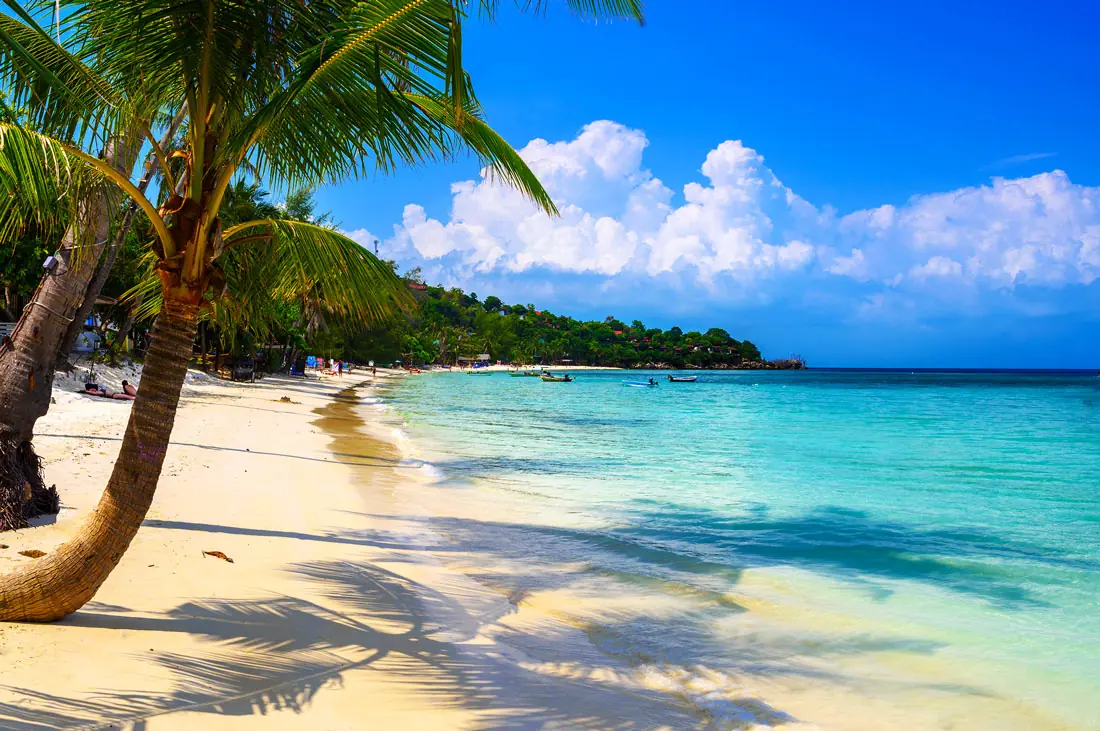
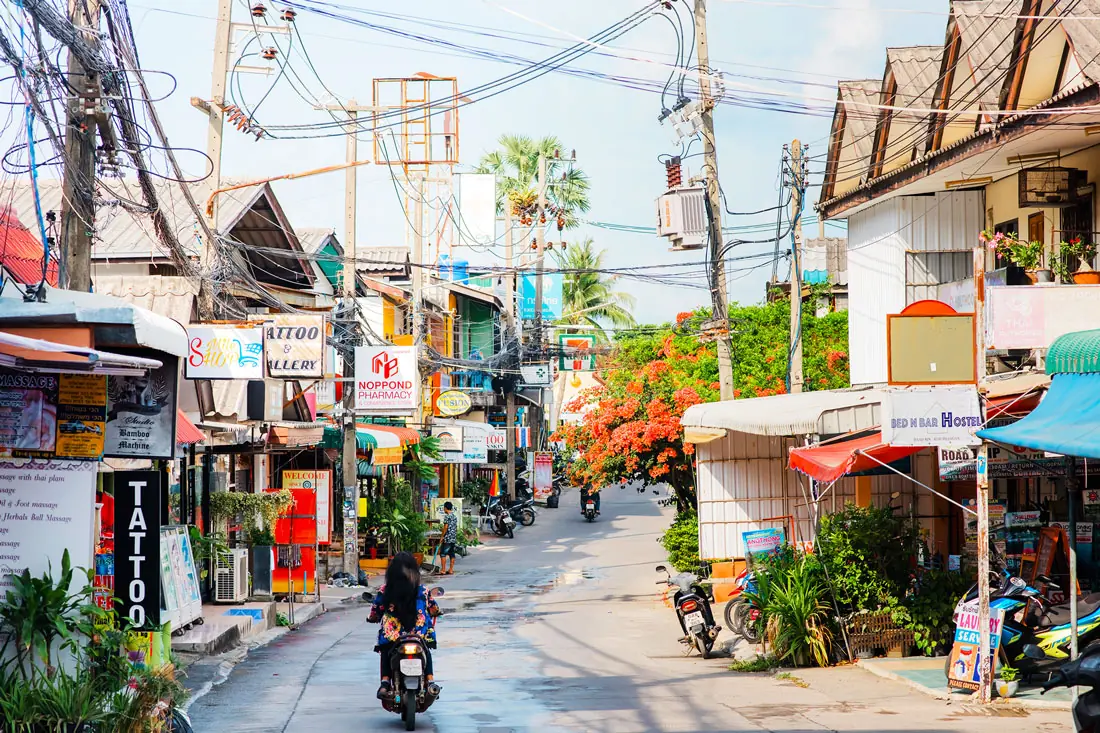
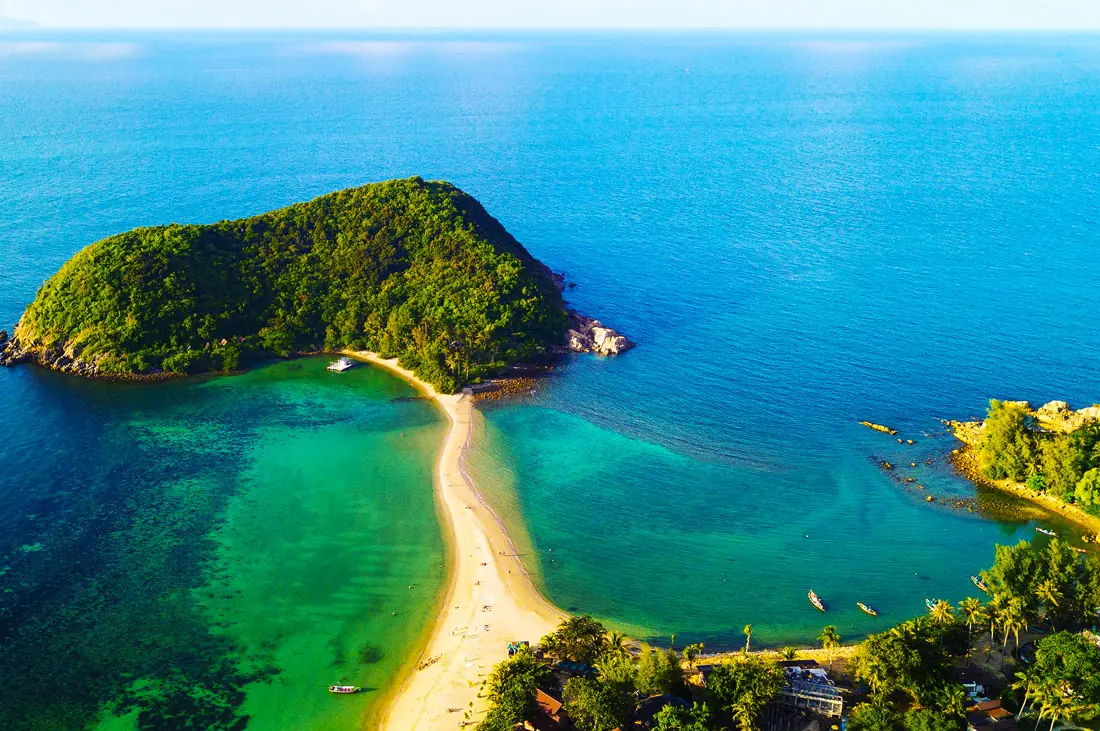
Koh Phangan is known primarily for its beaches, jungles, and, of course, the legendary Full Moon Party raves that gather partygoers from all over the world. Despite this, the island is not reduced to just the noise of night parties — it is easy to find quiet corners for a peaceful tropical getaway here.
The main beach and the location of all the famous parties is Haad Rin. But if you want to get away from the crowd, you should head to Haad Yao or Salad Nua — there you will find soft sand, clear water, and a feeling of complete seclusion.
For nature lovers, the island will also be a real discovery: it features picturesque waterfalls, tropical jungles for trekking, and rich coral reefs for snorkeling and diving.
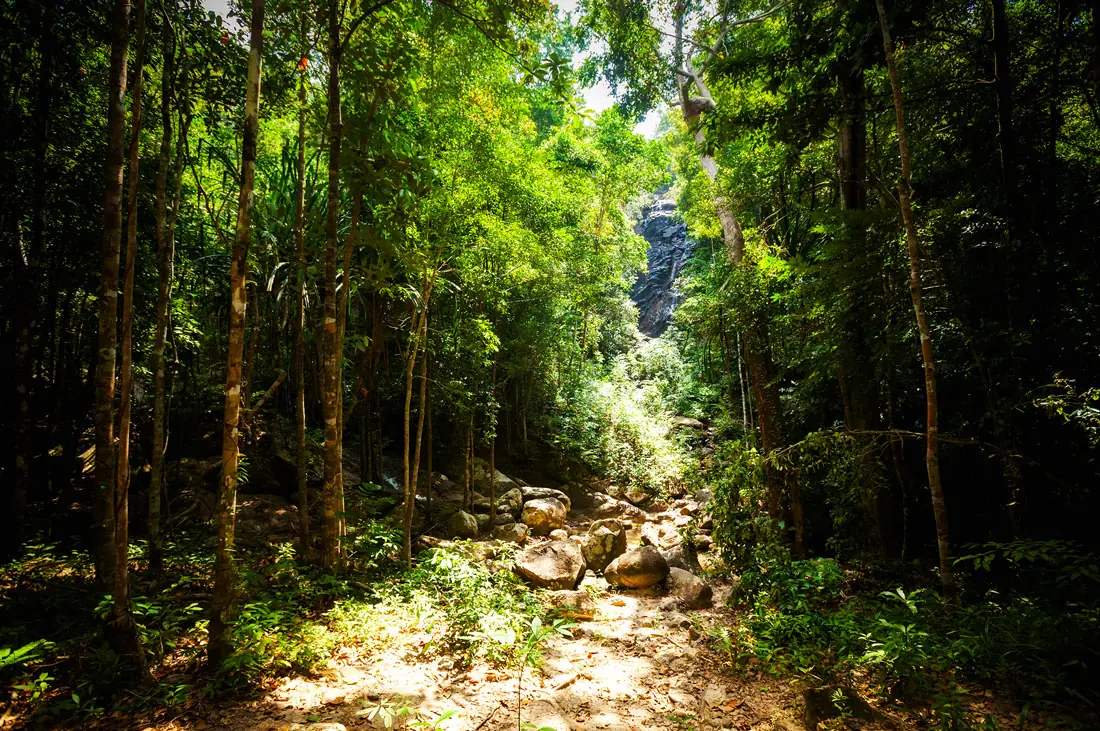
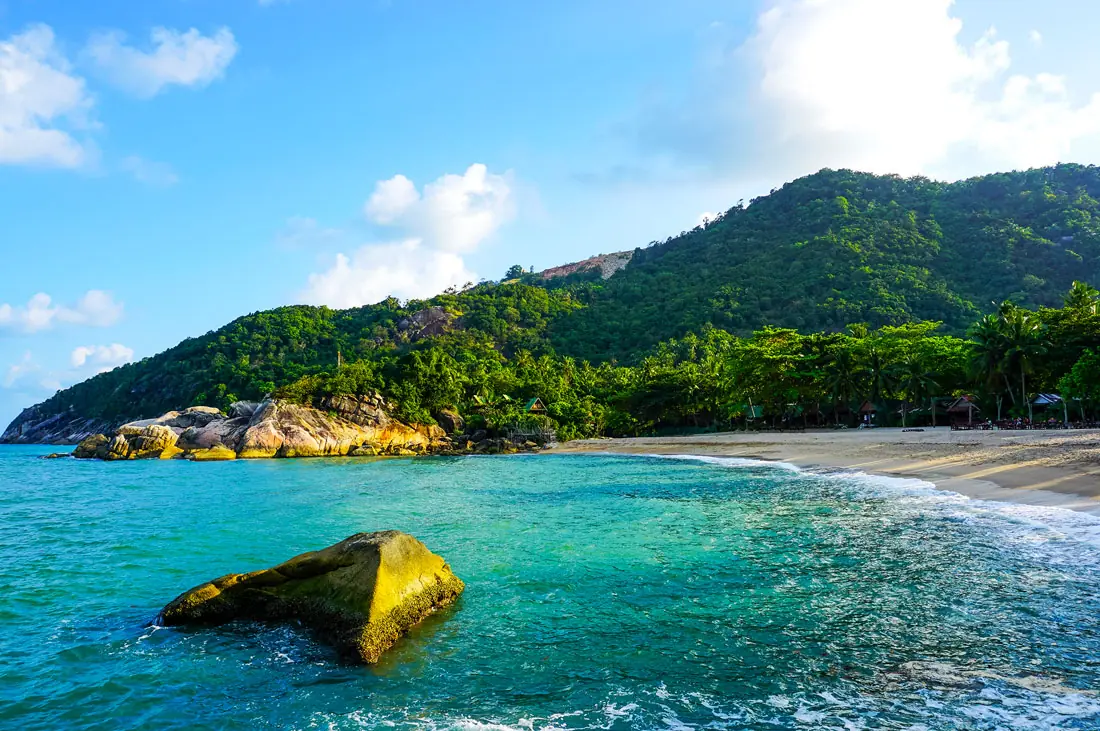
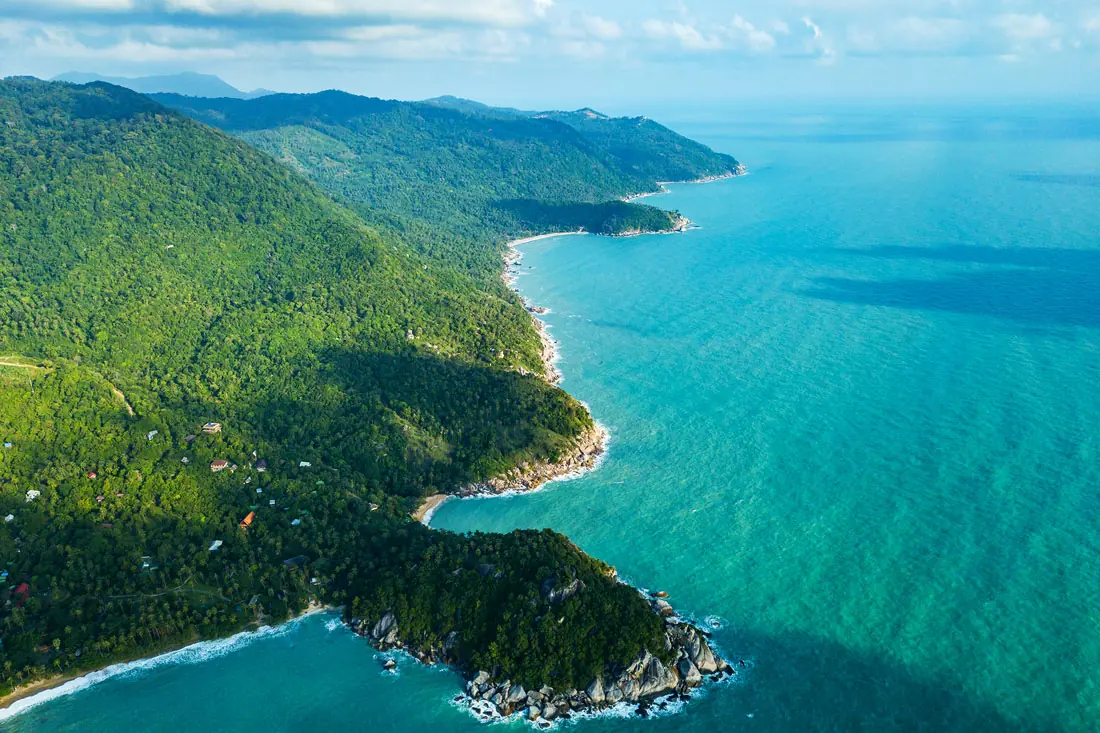
Koh Phangan is also famous for its yoga centers and retreats, so it attracts not only those who love to party, but also those who want to take care of their inner world.
In general, Koh Phangan is an island of contrasts: during the day, you can enjoy quiet beaches and tropical jungles, while at night — immerse yourself in the atmosphere of lively parties.
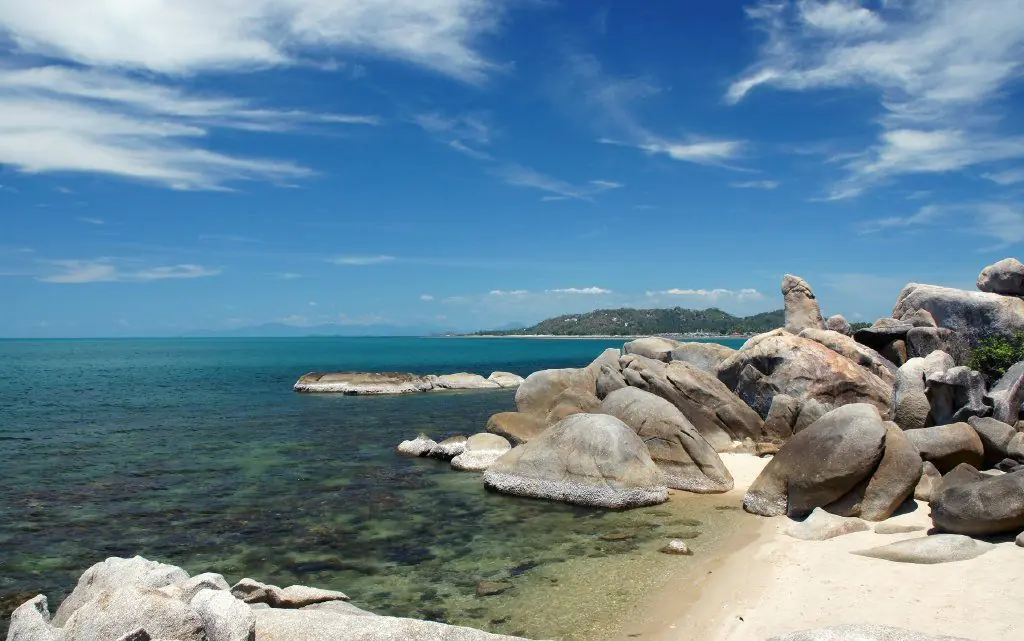
Koh Samui is a true tropical paradise. This island is famous for its snow-white beaches: Chaweng is the liveliest, with restaurants, bars, and evening entertainment, while Lamai is a bit quieter but boasts equally beautiful nature. If you seek seclusion, you should head to Maenam or Bophut beaches, where you will find soft sand and calm waters.
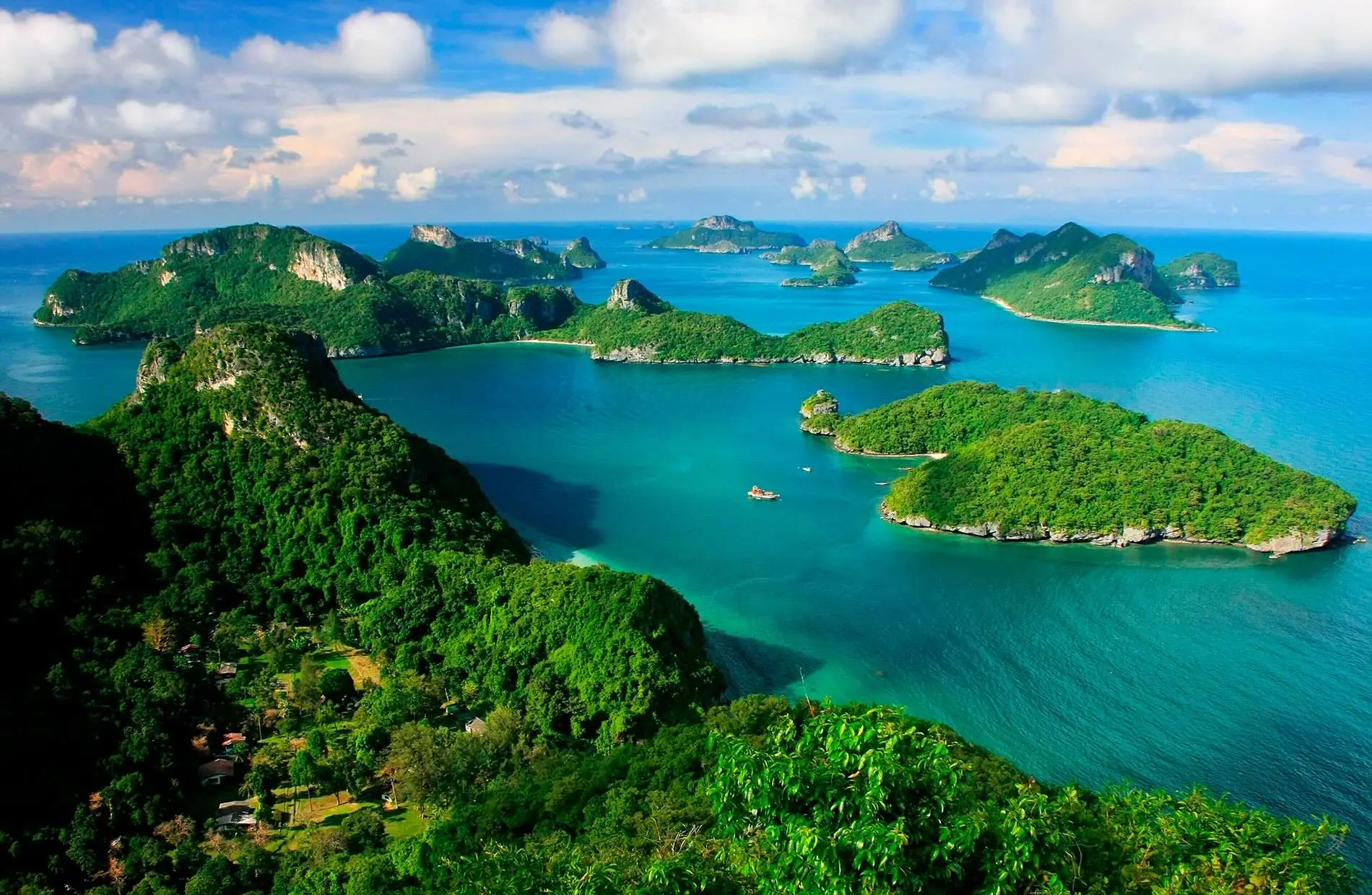
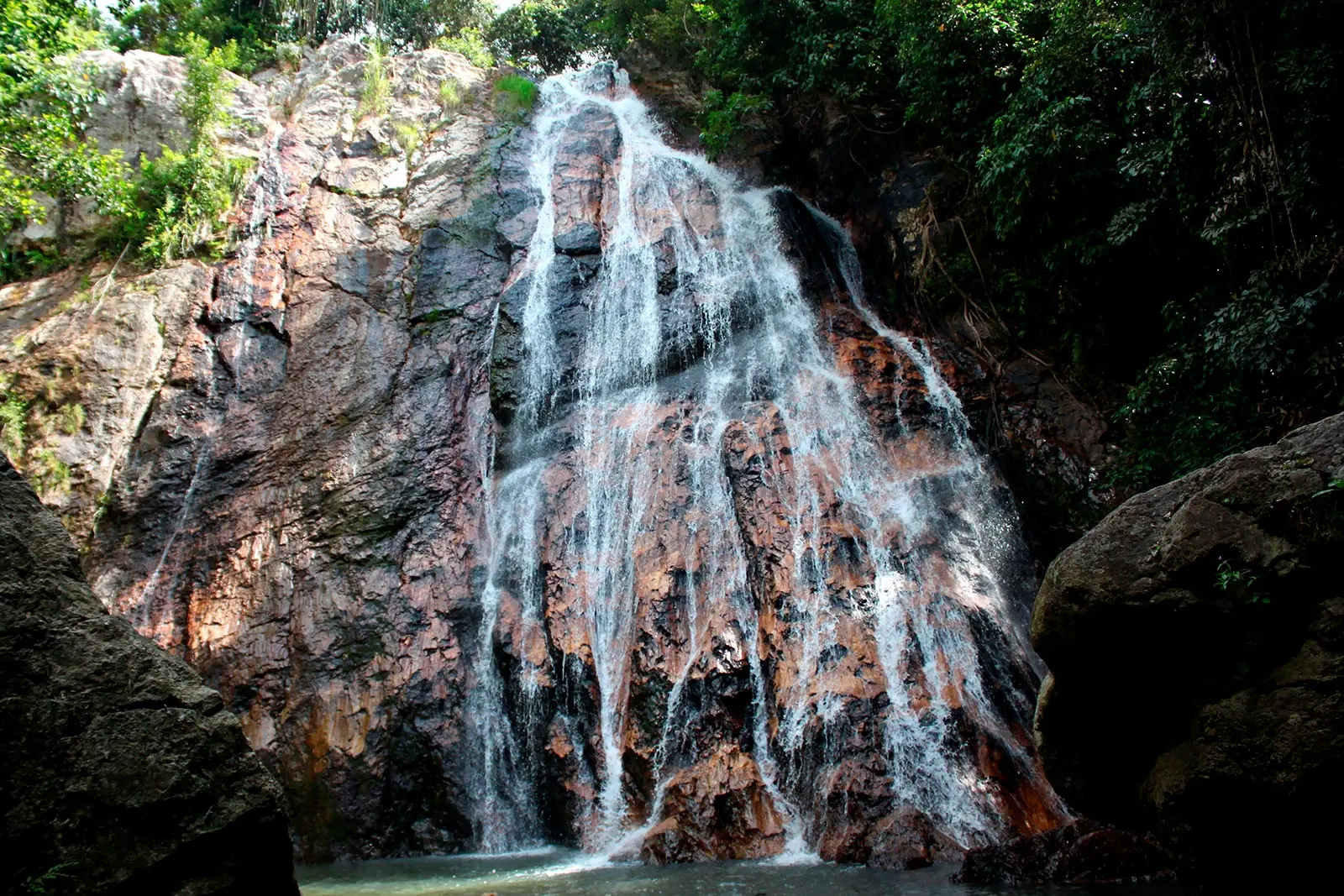
Although Koh Samui is not only about beaches, but also about amazing nature. Here you will find picturesque waterfalls, tropical gardens, and viewpoints offering magnificent panoramas. Diving, snorkeling, and boat trips to neighboring islands will appeal to active recreation enthusiasts, while yoga and spa centers will help you relax.
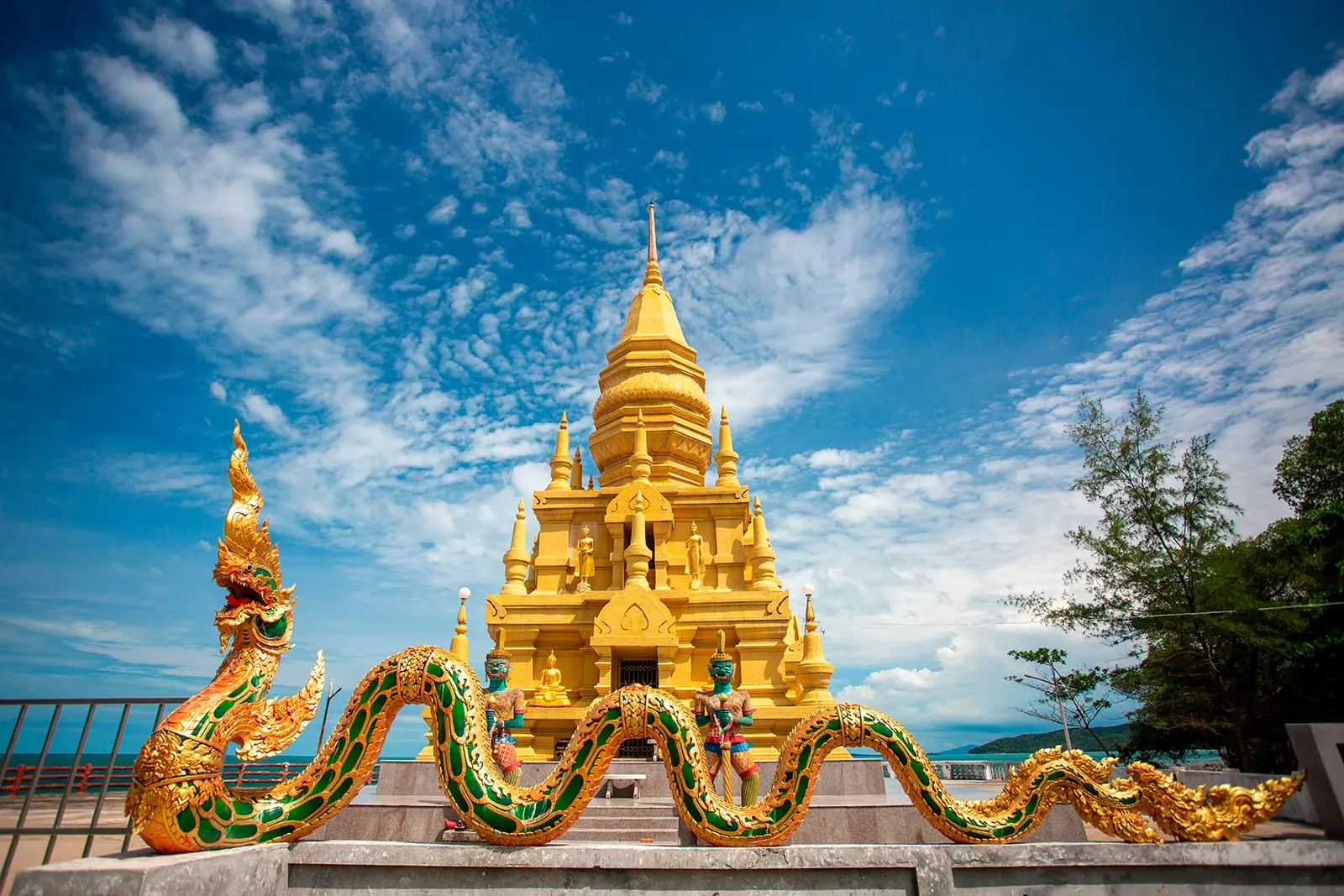
One of the symbols of Koh Samui is the Big Buddha in the north of the island.
There are also small temples here, local markets where you can try fresh seafood and exotic fruits, and colorful villages where you can feel the authentic island life.
6. Krabi
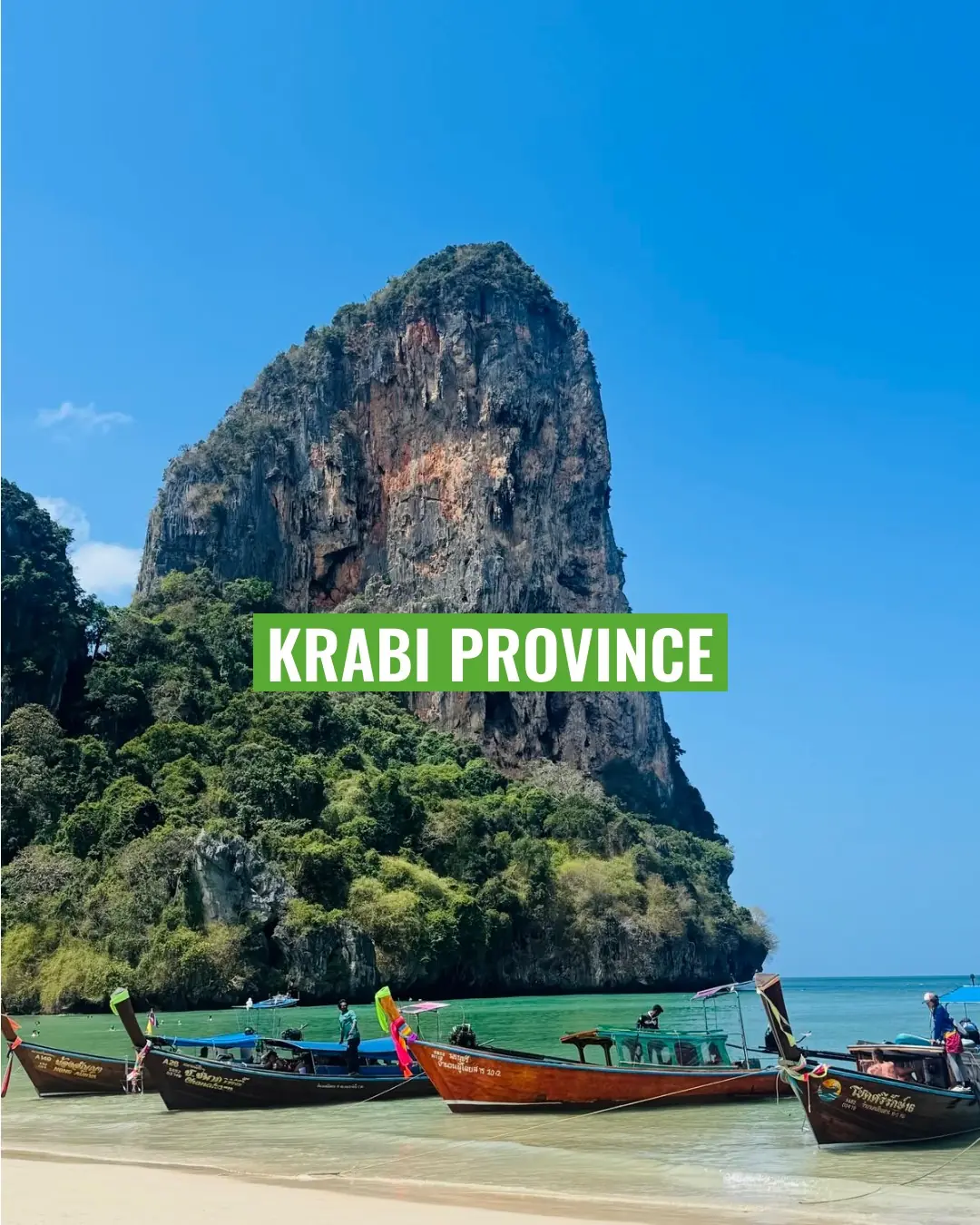
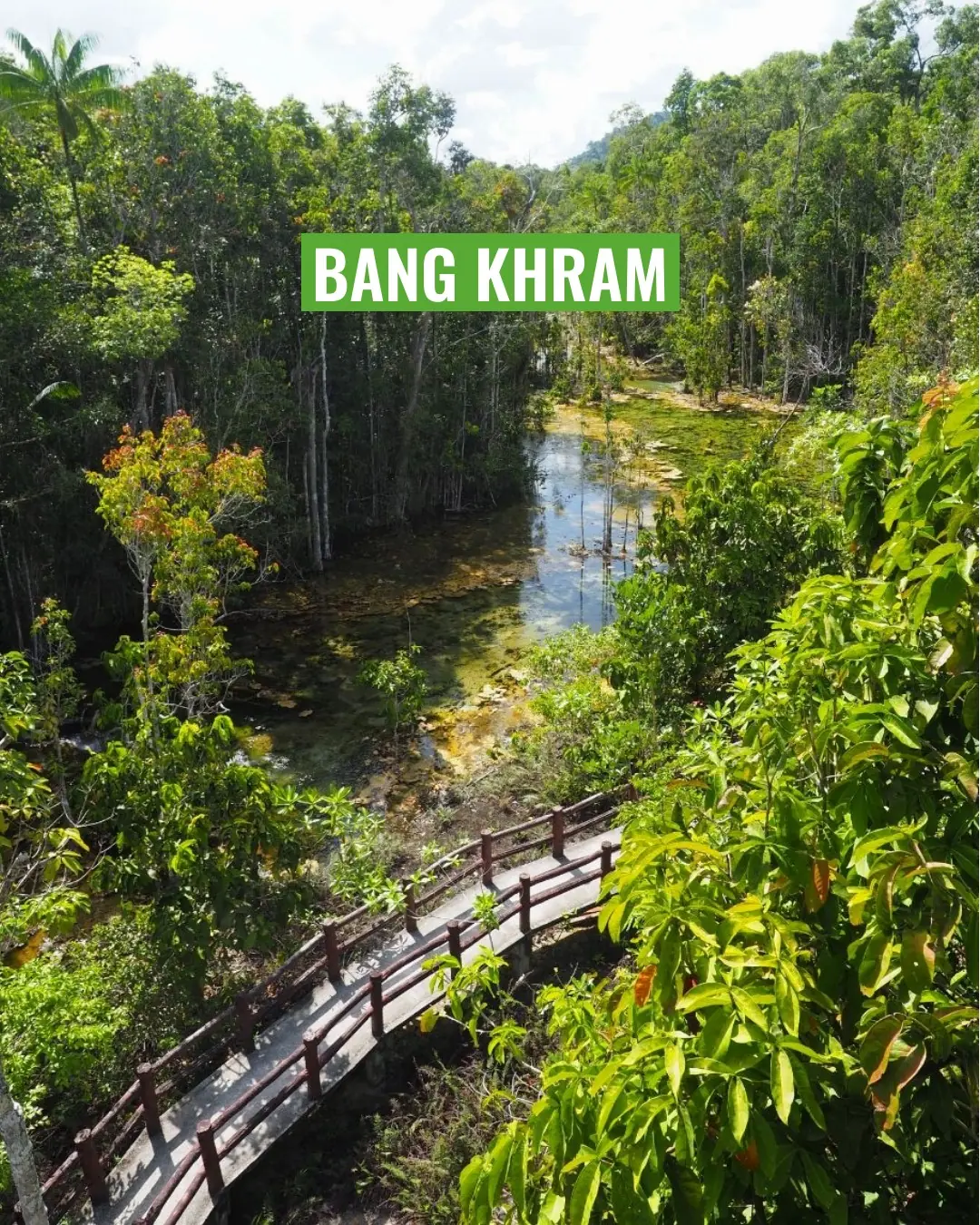
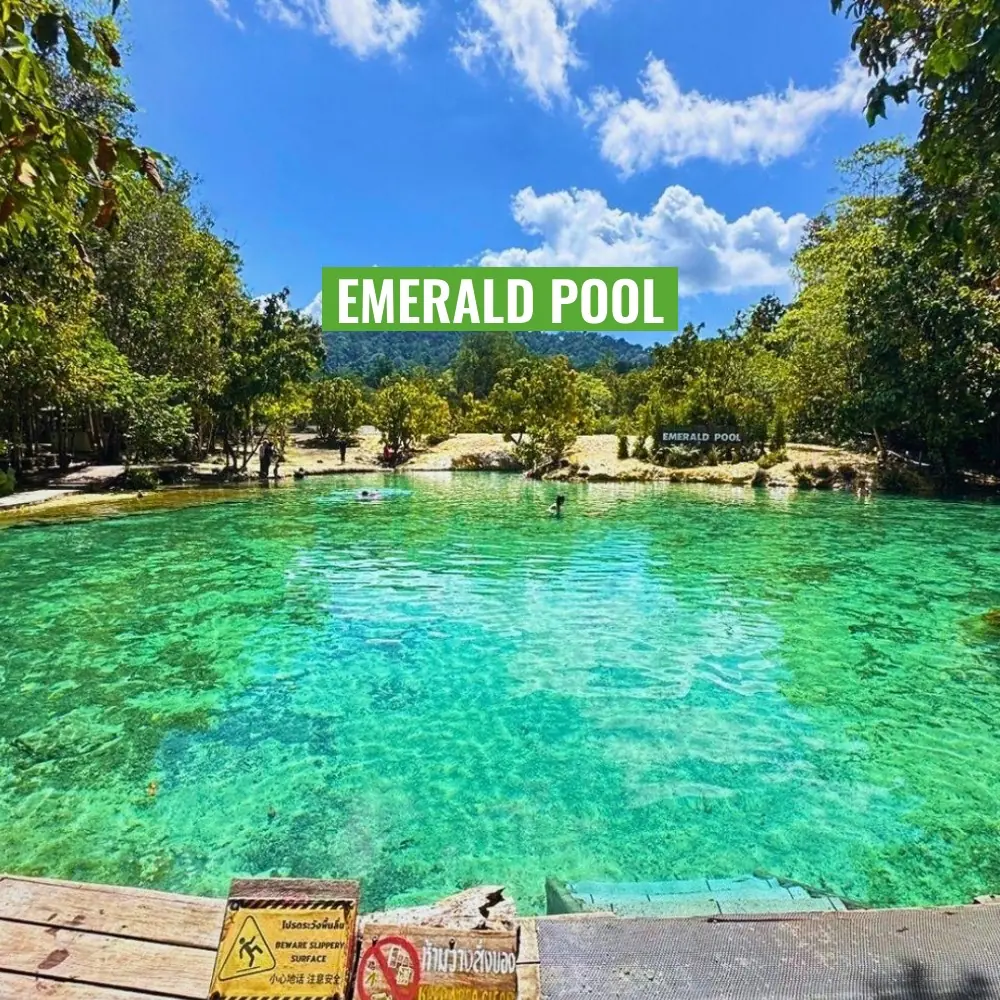
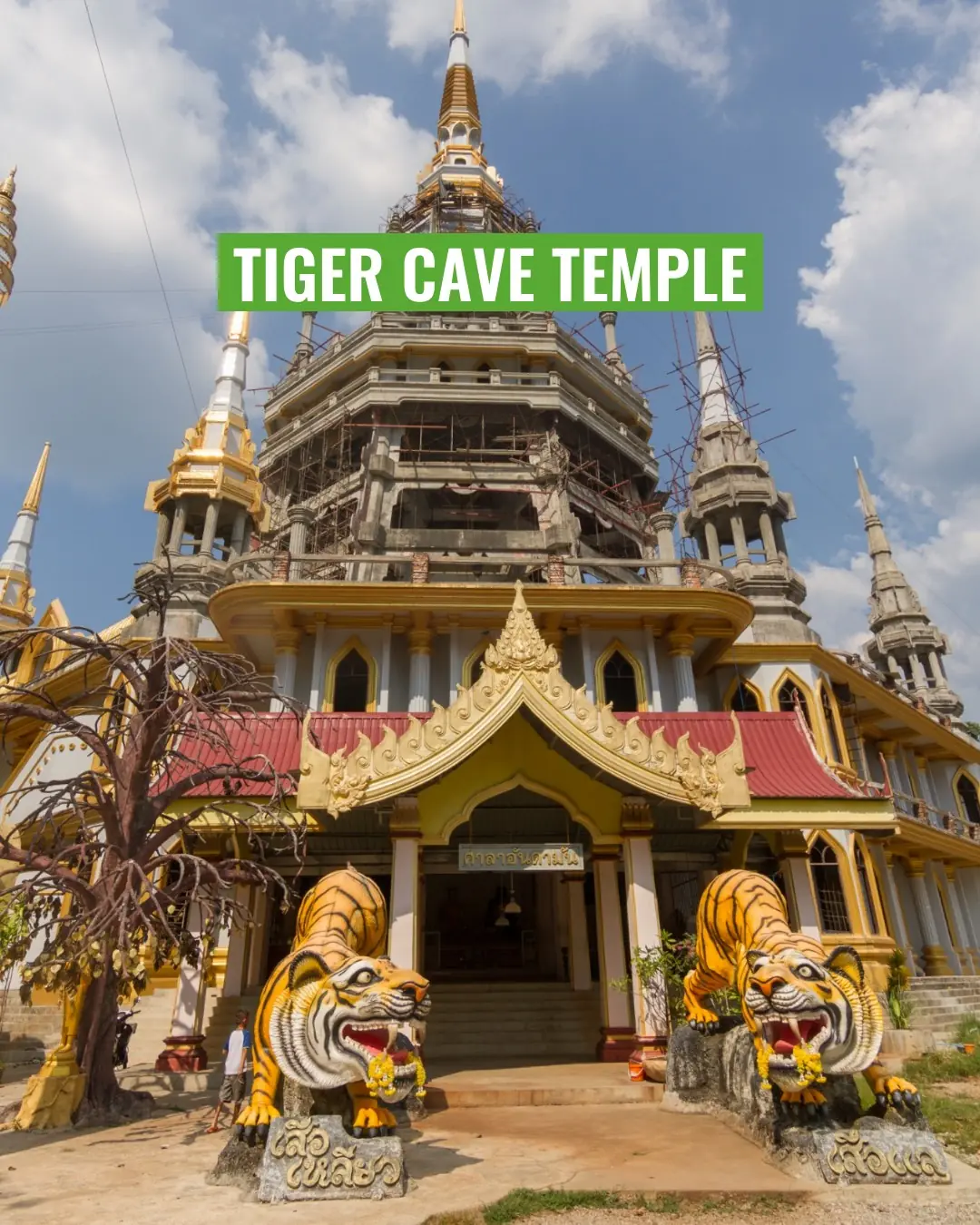
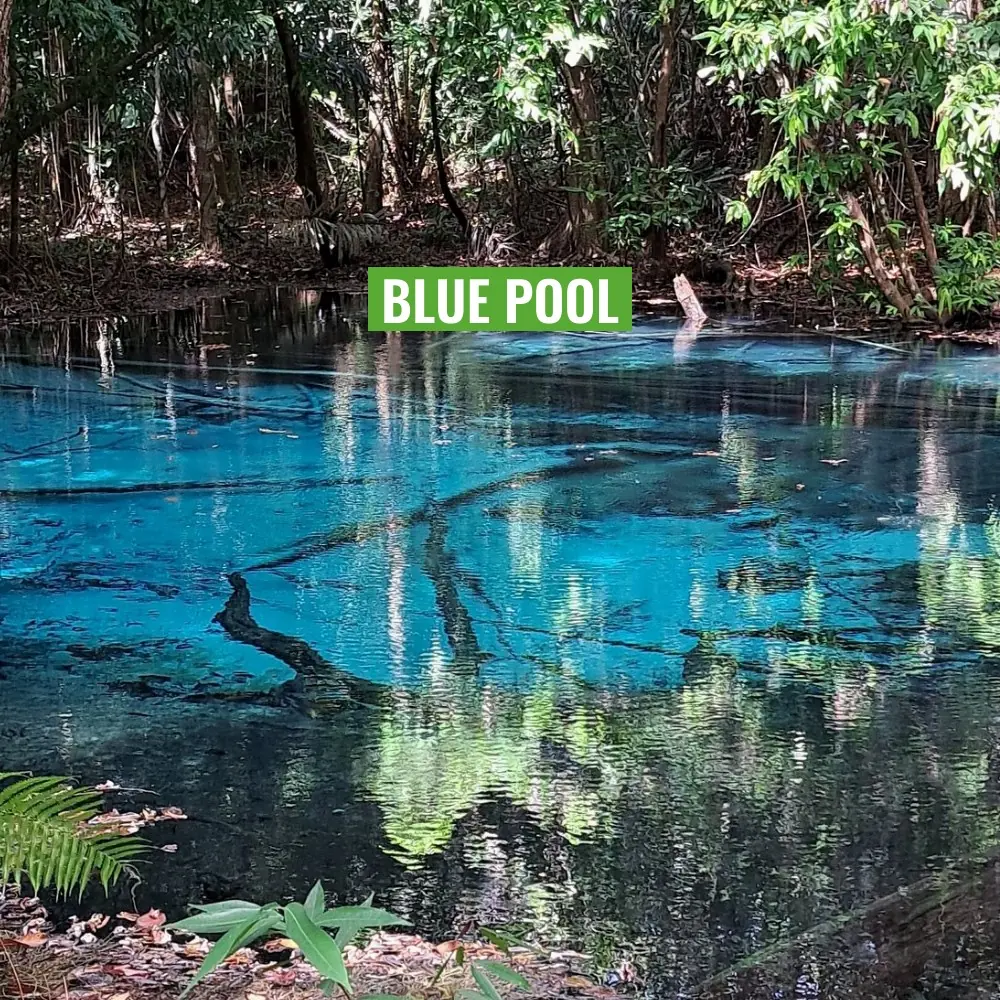
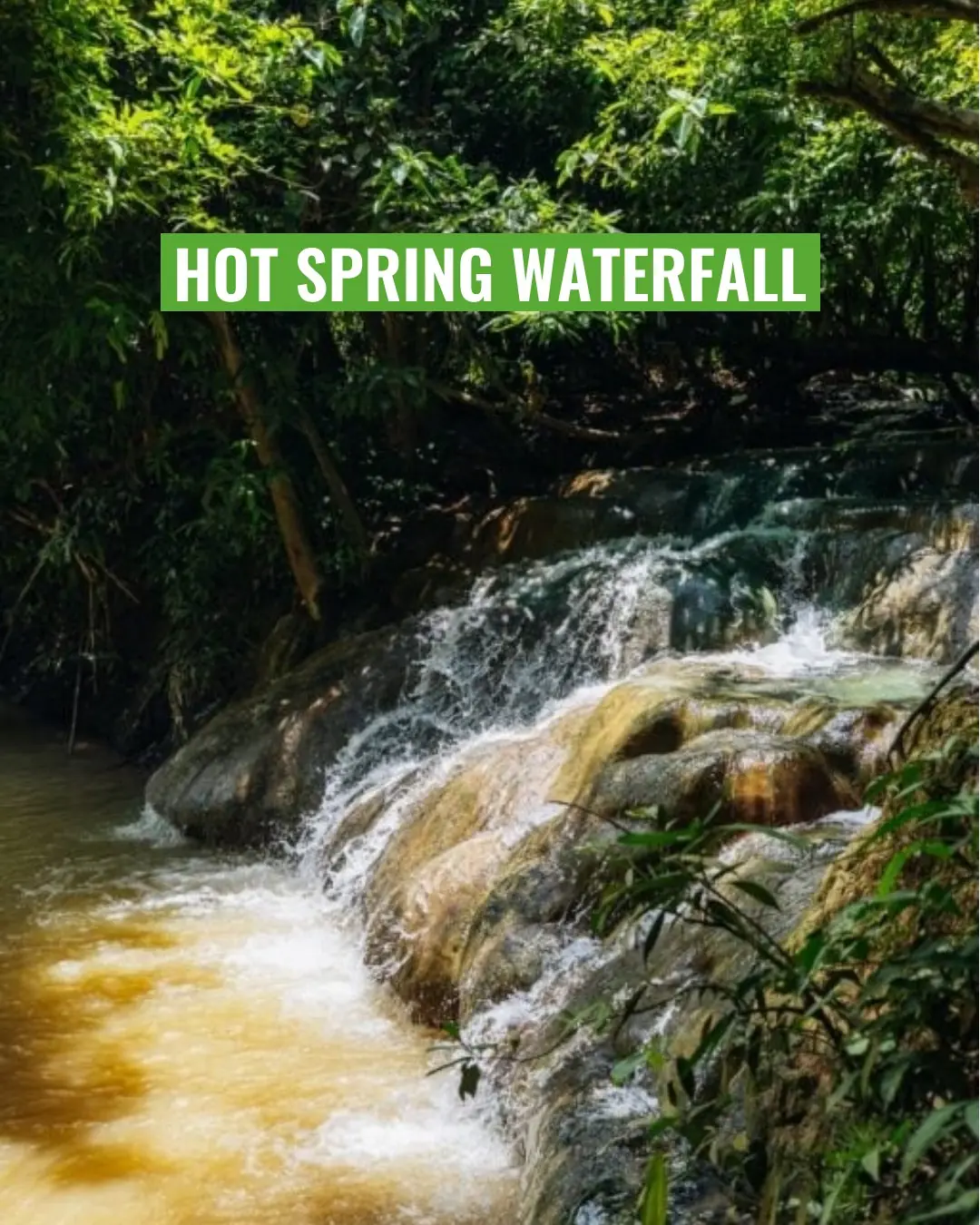
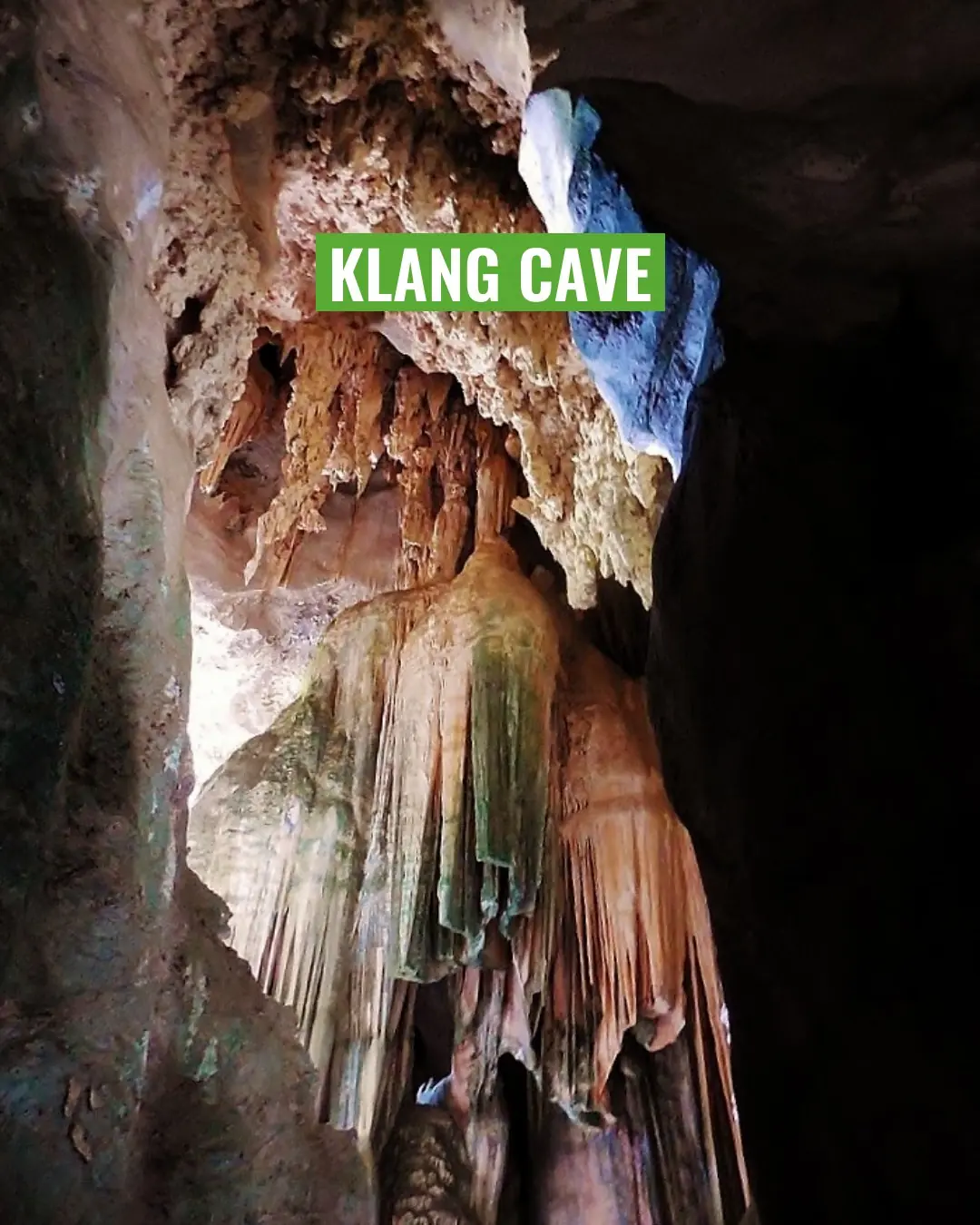
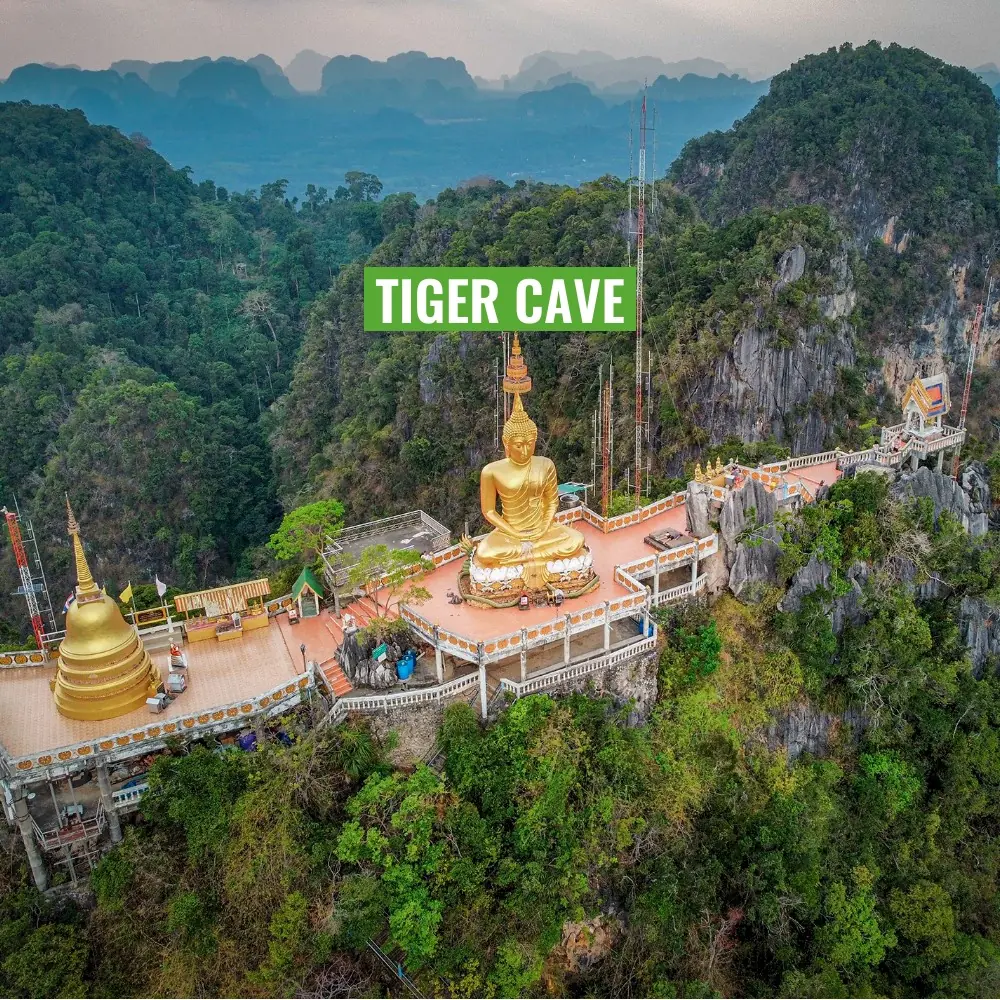
The province of Krabi, located near Phuket in the southwest of Thailand, is washed by the Andaman Sea. It is famous for its picturesque karst limestone cliffs, snow-white beaches, and crystal-clear waters, which make it a true paradise for tourists and outdoor enthusiasts.
Different corners of the province can be explored during a Krabi tour and a James Bond tour.
The main resort, Ao Nang, is a great starting point to visit neighboring islands, such as Phi Phi, Koh Lanta, or the famous Koh Tapu — James Bond Island.
One of the most atmospheric places in Krabi is Railay Peninsula, which can only be reached by boat. There are no roads or cars here, but there are caves, viewpoints, and beaches that often make it to the top of the world's most beautiful beaches.
For nature lovers, Krabi offers national parks with jungles, mangrove forests, and waterfalls. In short, to see wild and incredibly beautiful nature, you should head to Krabi.
5 facts about Krabi province:
1. Flying foxes. In some areas of Krabi, especially near the jungles, you can see colonies of flying foxes with a wingspan of up to 1.5 meters. They fly out at sunset and create an impressive spectacle.
2. "Crying" cliffs. In the Railay National Park after the rain, the limestone cliffs literally stream with water: the water runs down the surface of the cliffs, forming small waterfalls right on the rocks.
3. Underwater stalactites. In some caves of Krabi, for example, in Thong Sai Cave, unusual limestone structures resembling stalactites and stalagmites form underwater, which tourists can see while snorkeling.
4. Bear rocks. On Koh Poda Island, there are rocks that, from a distance, resemble a bear sitting by the sea. Locals even come up with legends about the "spirit of the bear" guarding the island.
5. Sand dunes among the tropics. On some beaches of Krabi, small sand dunes and islets of pure white sand appear during low tide, as if a desert is growing right in the middle of the jungle.
7. Ayutthaya
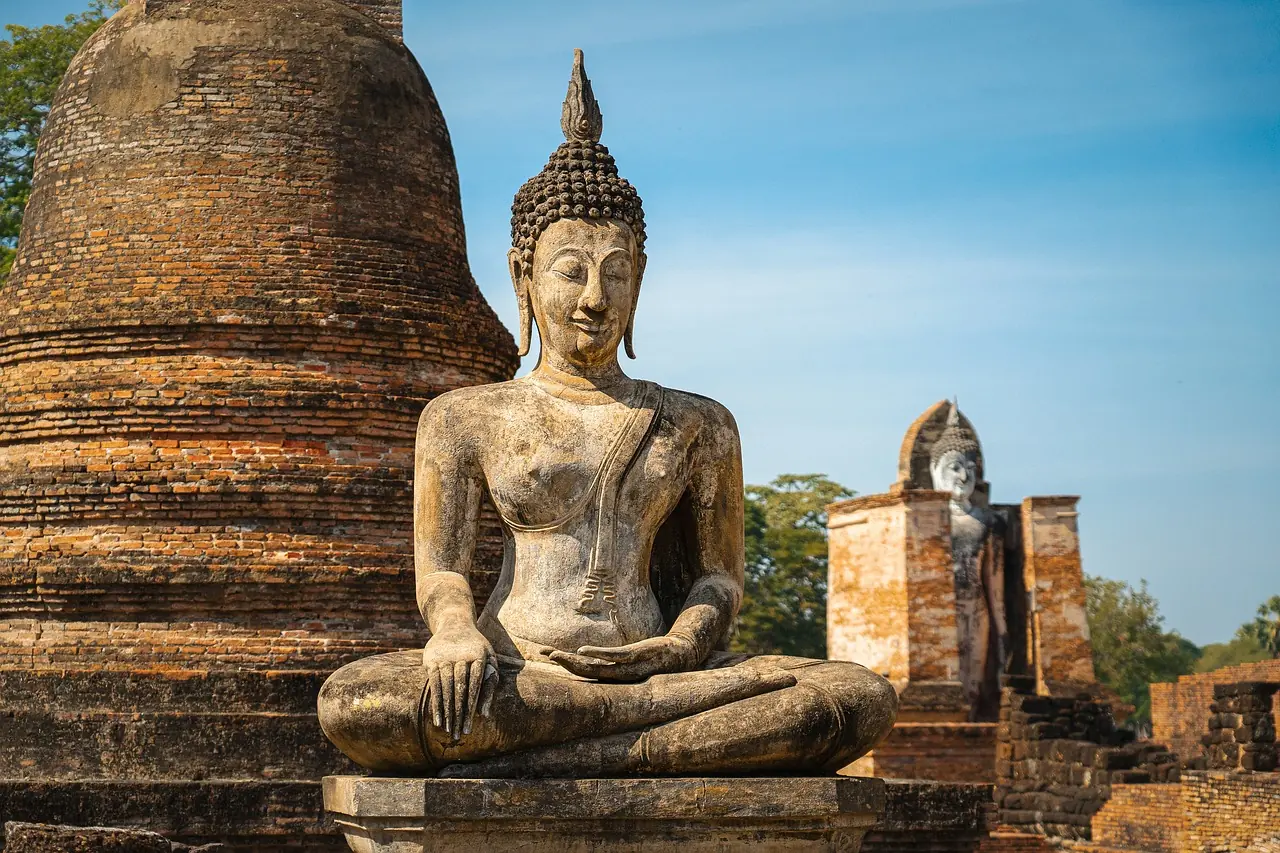
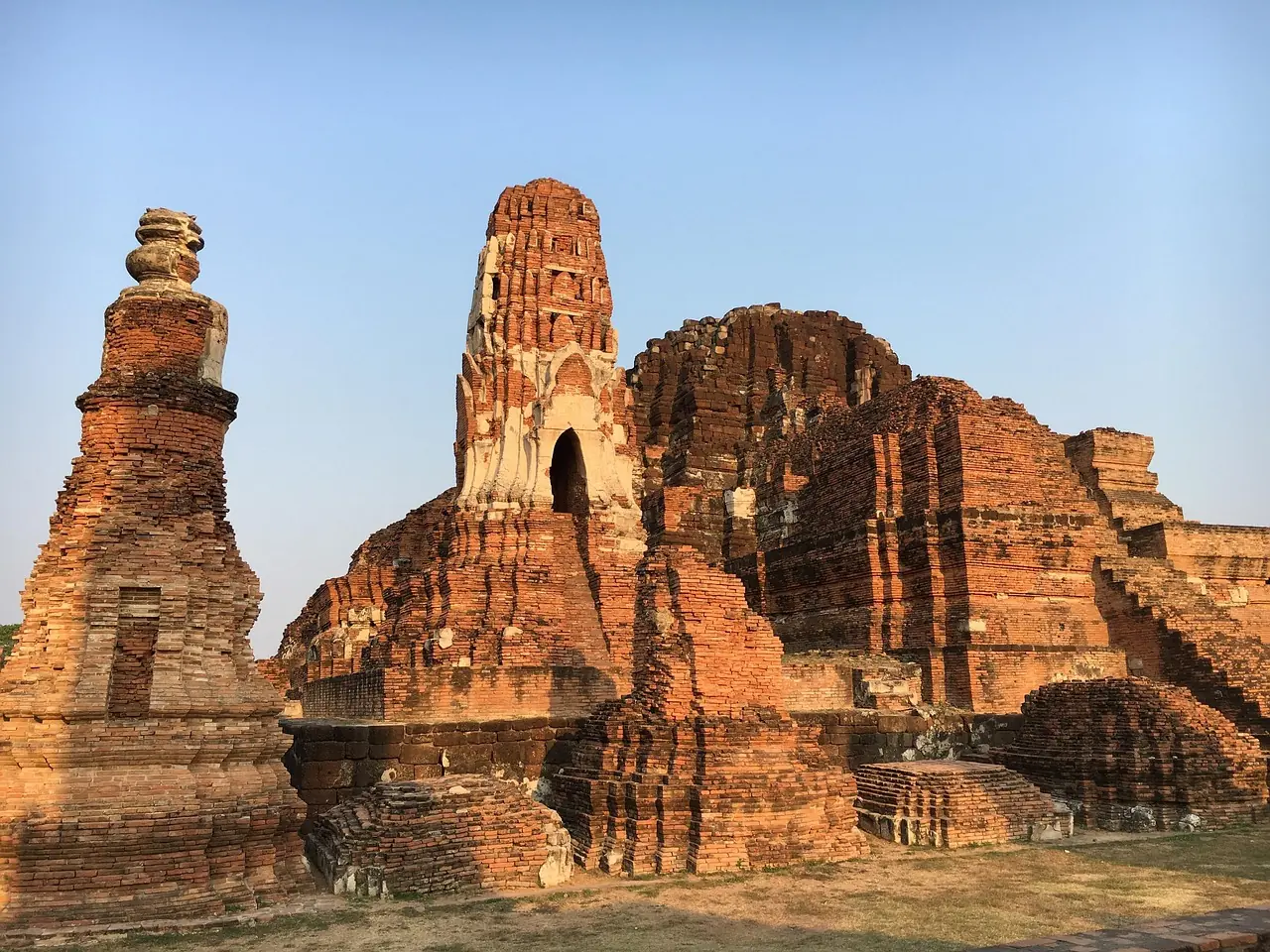
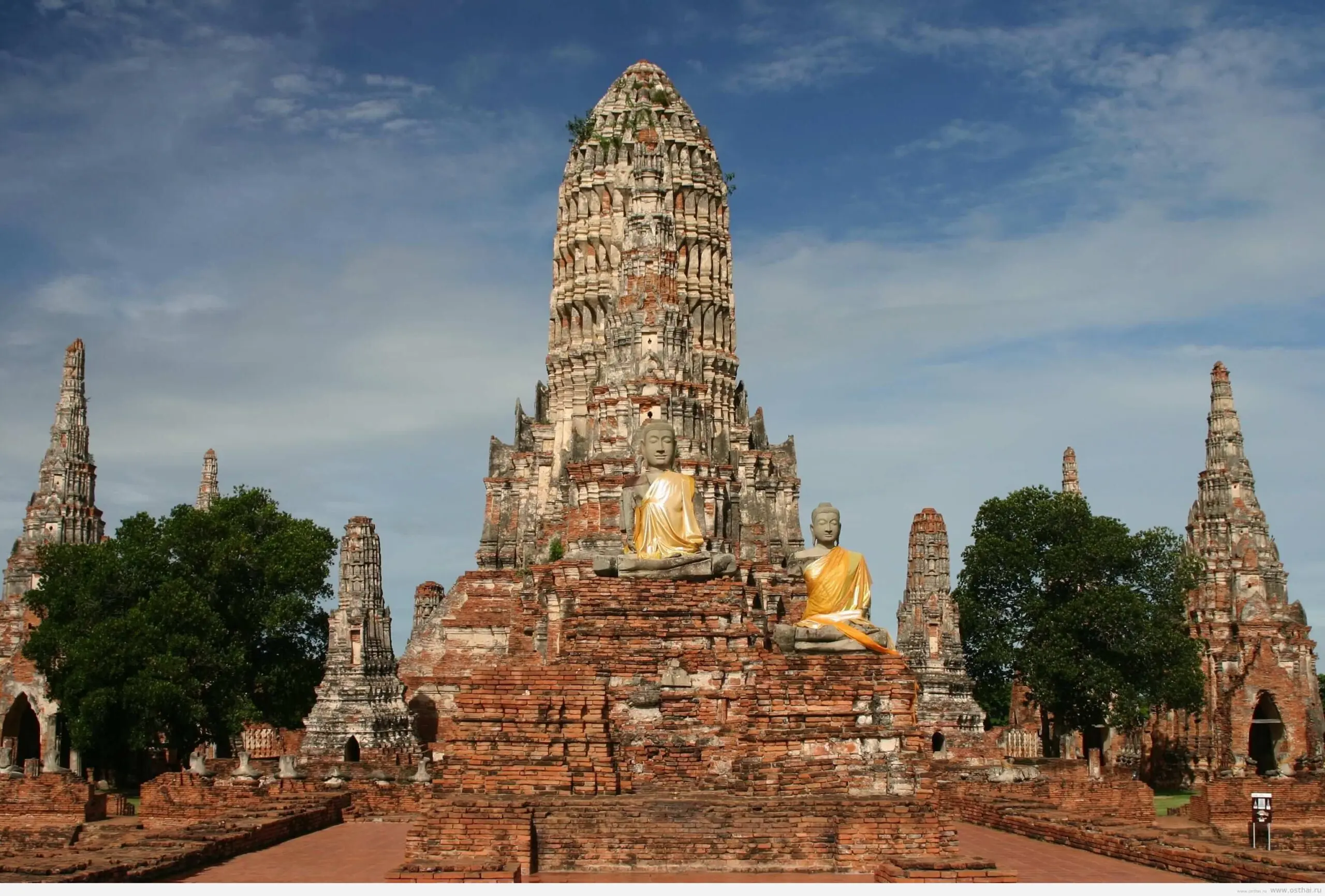
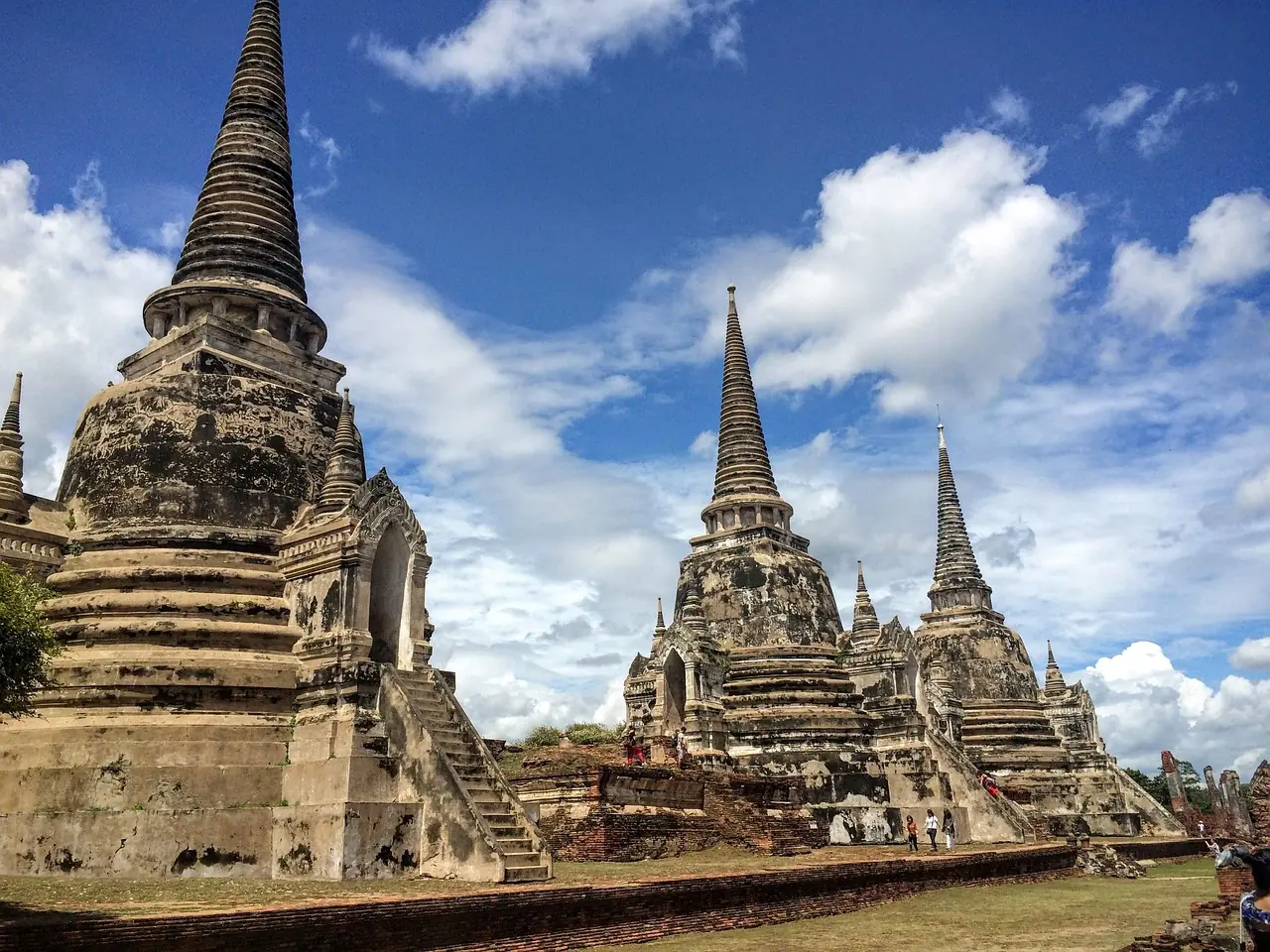
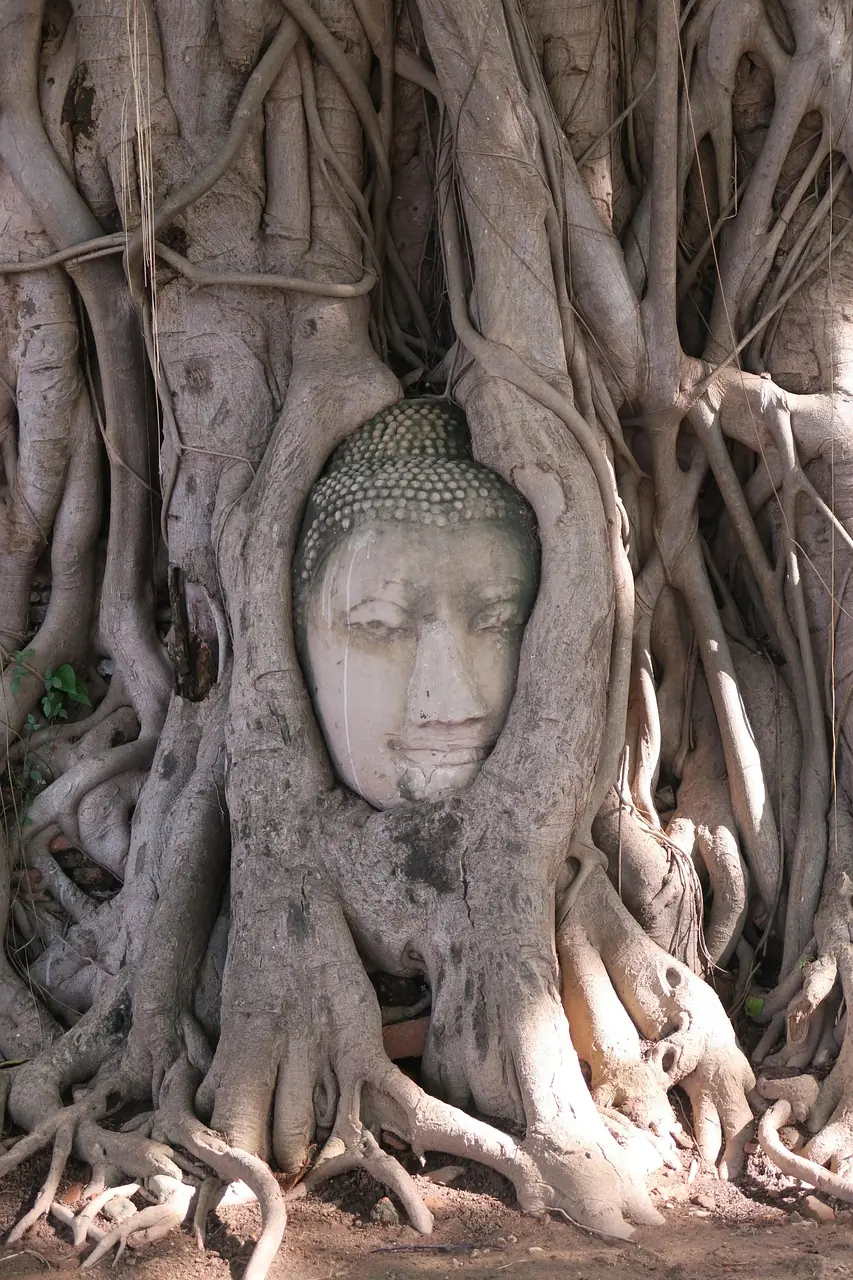
The ancient capital of Siam with a rich history and numerous ruins of temples and palaces. Here you can immerse yourself in the atmosphere of bygone centuries, walk among stone statues and ruins that are listed as a UNESCO World Heritage Site.
Ayutthaya was the capital of the Siamese Kingdom for more than 400 years — from 1350 to 1767.
During this time, the city turned into one of the most influential and wealthy cities in Southeast Asia, controlling important trade routes and cultural exchanges between China, India, Japan, and Europe. Unfortunately, in 1767 the city was destroyed by Burmese troops, but the ruins of ancient temples and palaces still preserve the grandeur of the bygone era.
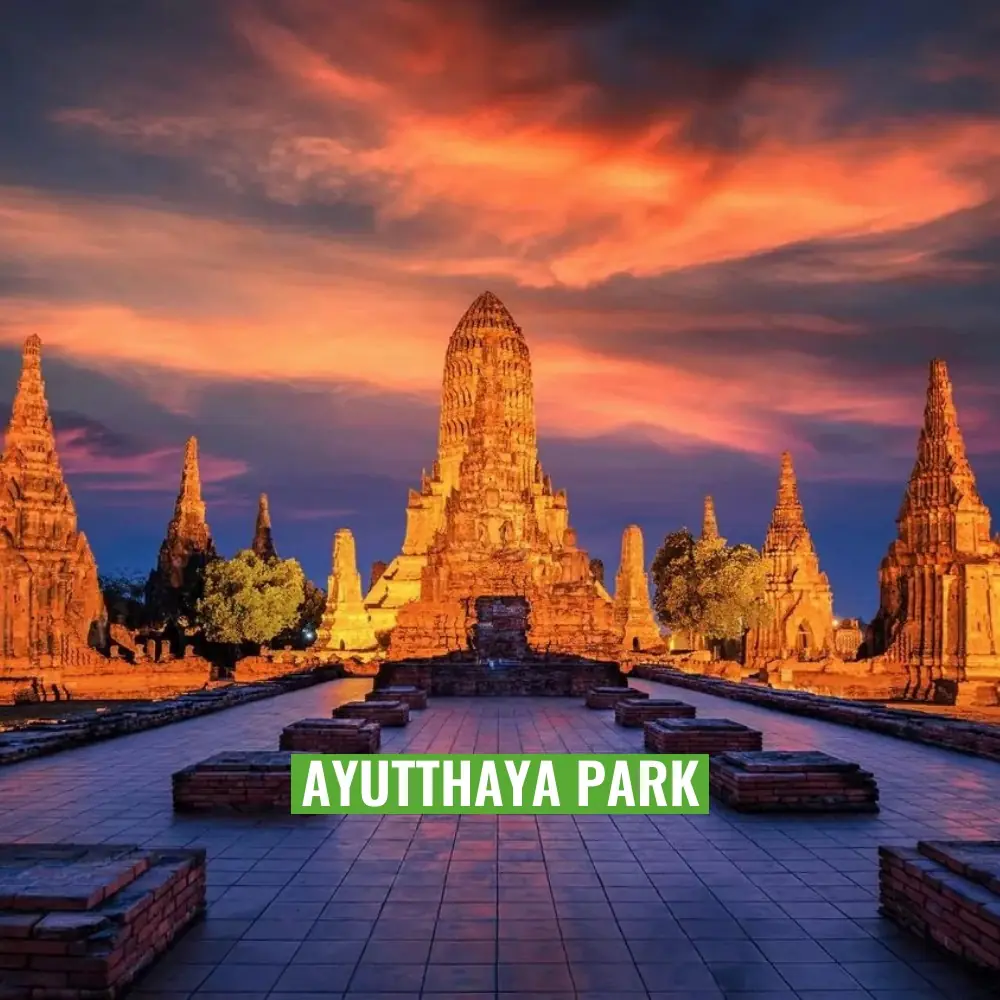
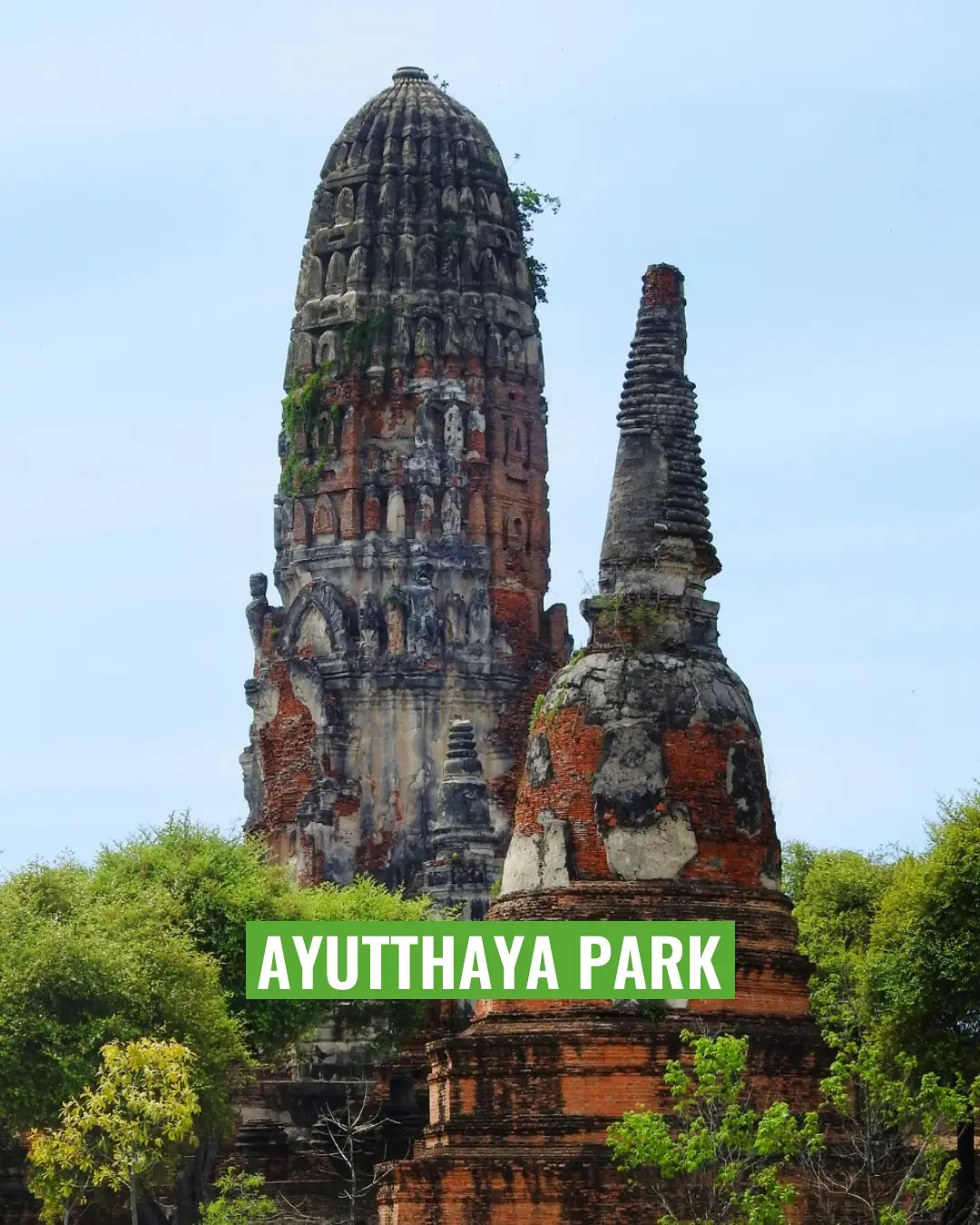
Today, Ayutthaya is a national park included in the UNESCO World Heritage List. Its territory is dotted with impressive historical monuments: ruins of ancient temples with massive Buddha statues, old fortresses, and water canals on which you can take a boat trip.
Places such as Wat Mahathat — a temple with a unique Buddha statue surrounded by tree roots — and Wat Phra Si Sanphet, a former royal temple with magnificent stupas, are particularly impressive.
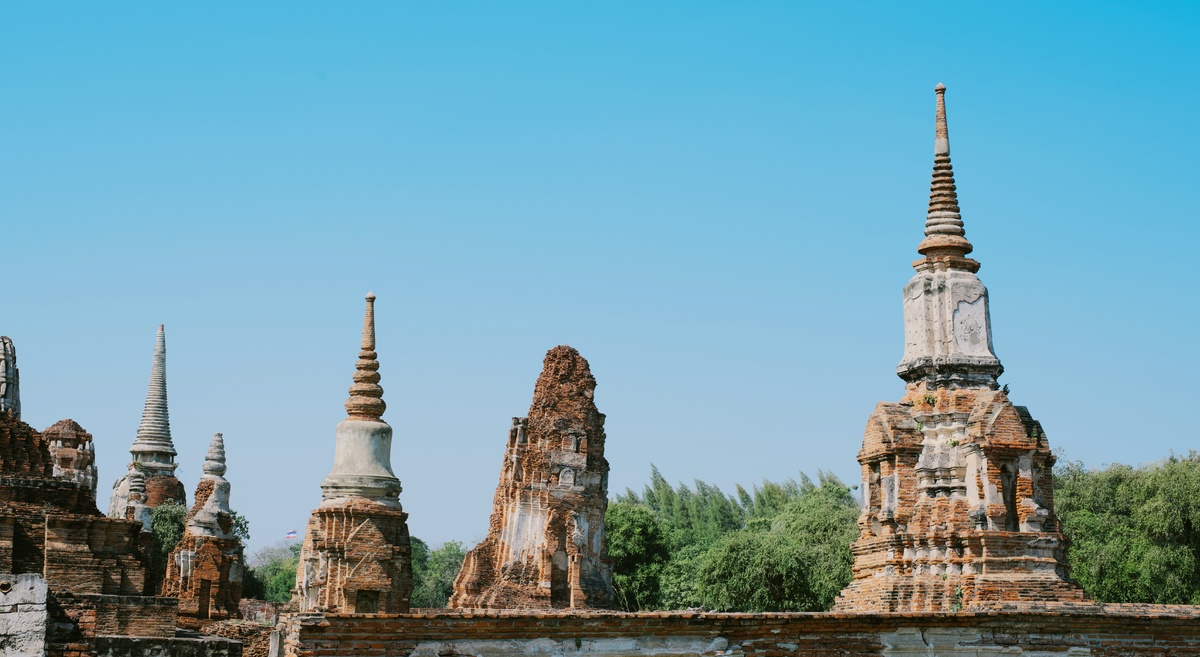
Ayutthaya is also famous for its picturesque nature and, in general, a calm, serene atmosphere. Here you can stroll through cozy parks, visit museums with ancient artifacts, and try traditional Thai cuisine in local cafes and restaurants.
The province is perfect for day trips or weekend getaways from Bangkok — it is easily accessible by land transport.
5 facts about Ayutthaya:
1. The ancient capital of Siam. Ayutthaya was the capital of Siam from 1350 to 1767 and was considered one of the most prosperous cities in Asia, rivaling the wealth and grandeur of London and Paris of that time.
2. A city on water. The province is located on an island formed by the confluence of three rivers — the Chao Phraya, Lopburi, and Pa Sak. This made the city difficult for enemies to access and contributed to its prosperity.
3. 400 temples in one place. At its peak, Ayutthaya had more than 400 temples, many of which have preserved their ruins to this day and are included in the UNESCO World Heritage List.
4. The Buddha's head in tree roots. One of the most famous sights is the head of a Buddha statue entwined with tree roots at Wat Mahathat. It is one of the most mysterious and symbolic places in Thailand.
5. Center of international trade. In the 17th century, Japanese, Portuguese, Dutch, Persians, and French people lived in Ayutthaya. The city was an important international trade hub and a cultural crossroads of East and West.
8. Phitsanulok
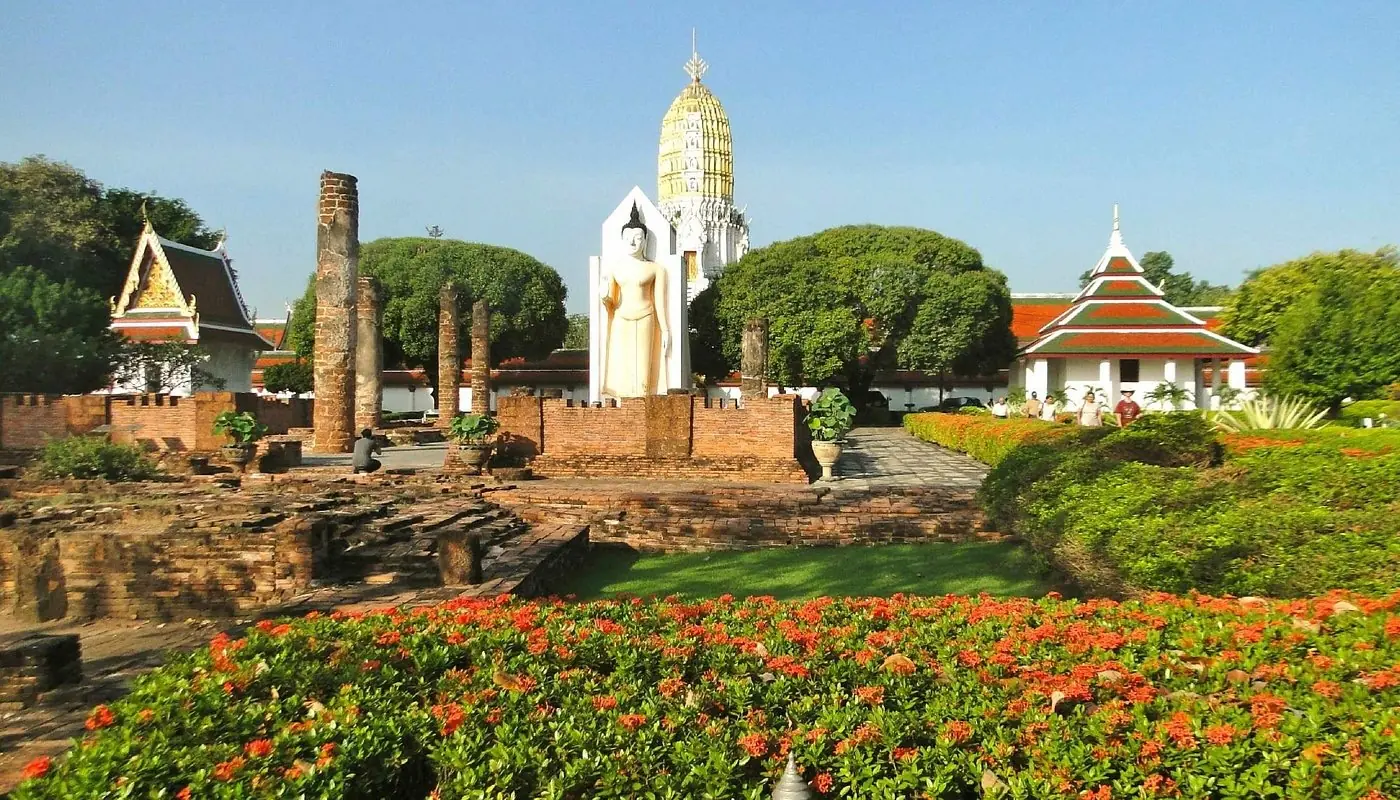
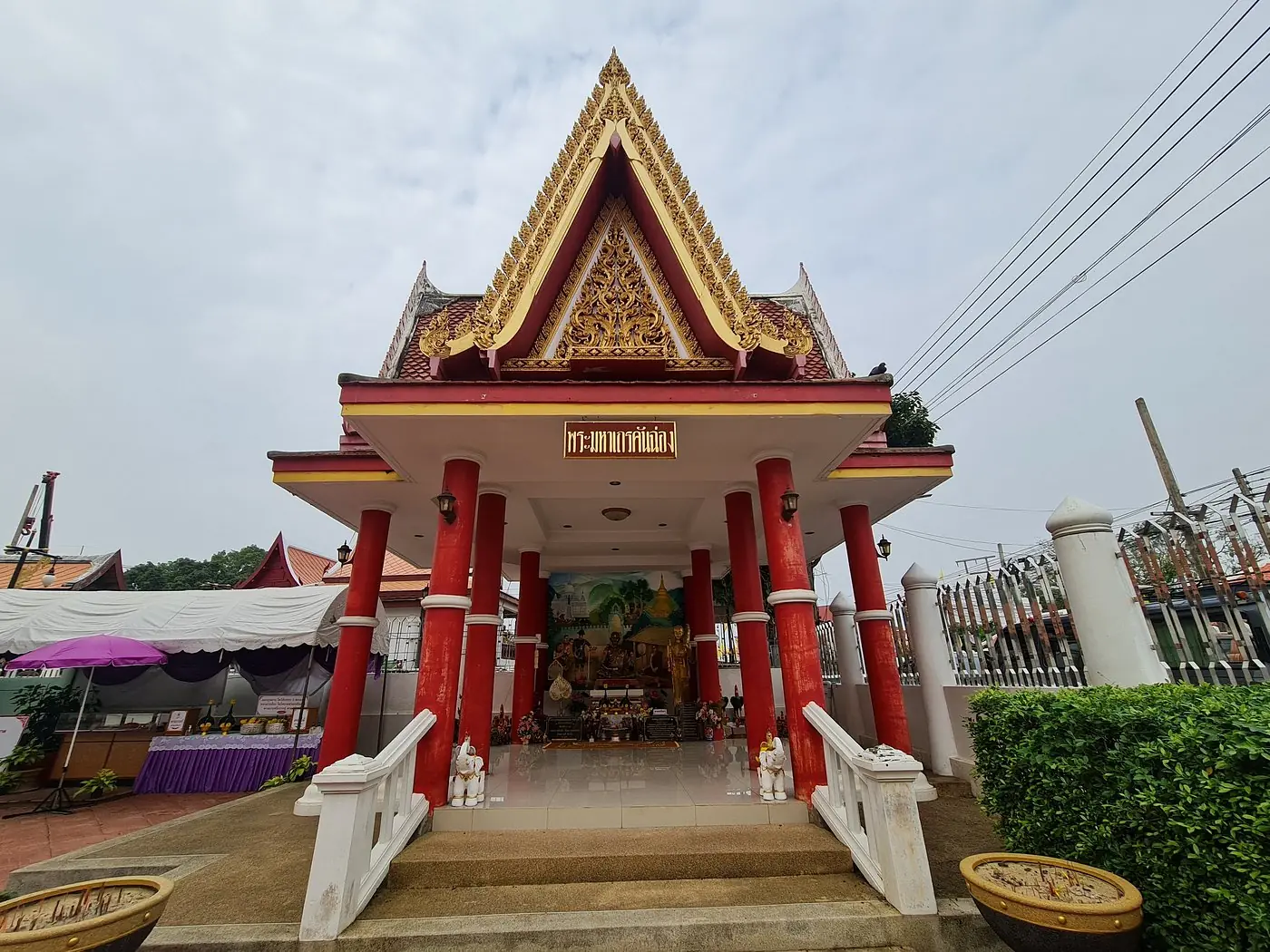
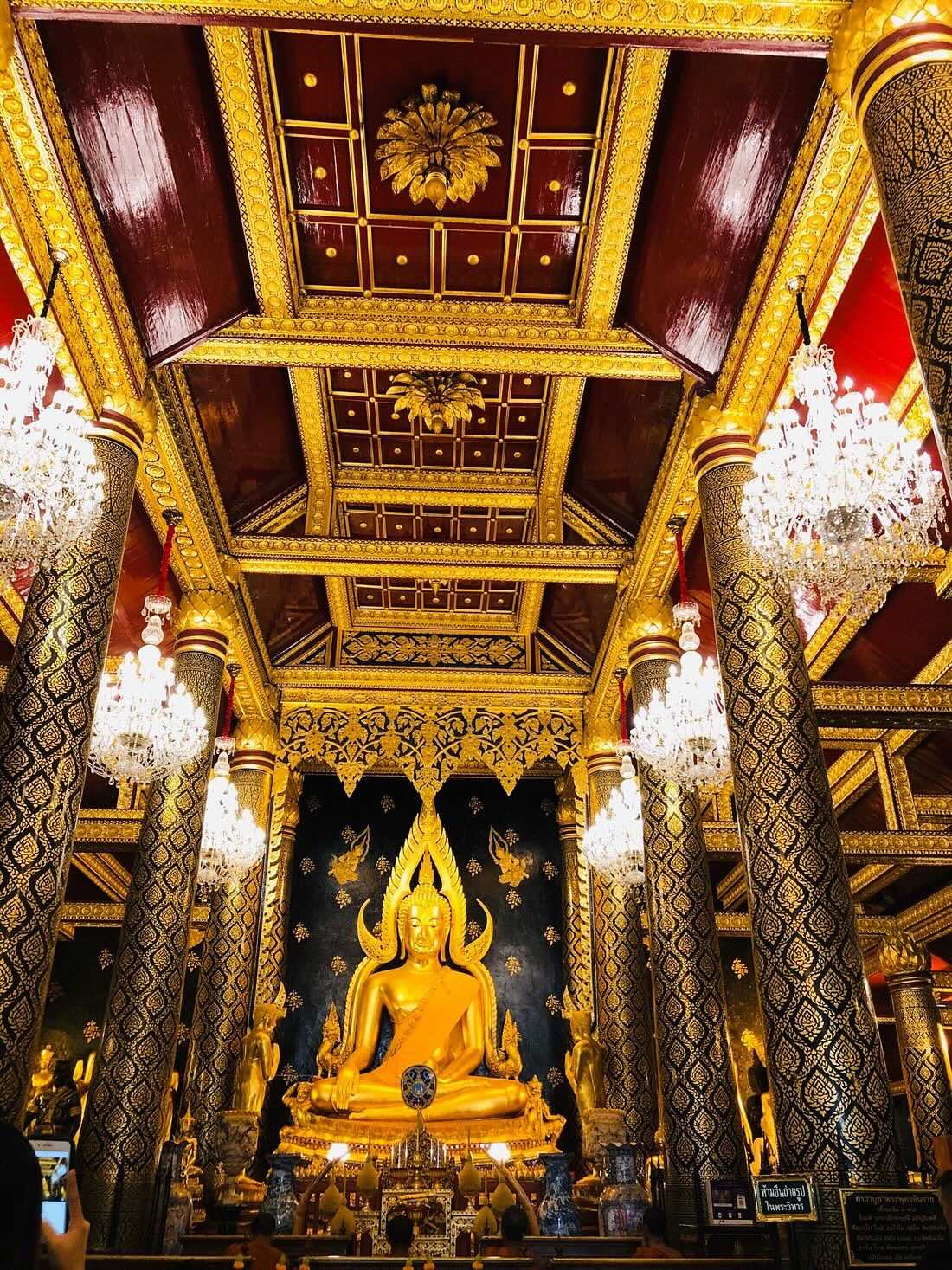
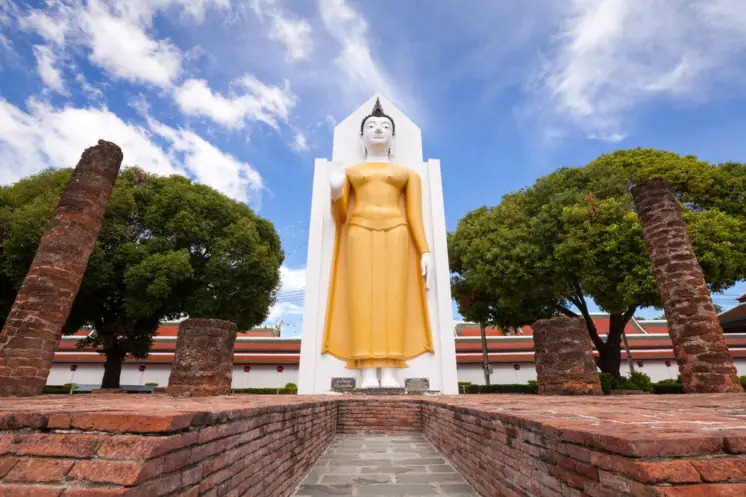
One of the most colorful and historically significant provinces of northern Thailand, located approximately 380 km north of Bangkok. This territory is an important cultural and transport hub on the route from the capital to the ancient cities of Lanna and Lopburi, as well as a gateway to numerous natural and historical attractions.
Phitsanulok is primarily known for its rich historical heritage. It is one of the oldest cities in Thailand, existing since the 13th century, when it was an important center of the Sukhothai Kingdom — the first Thai state. The city has preserved many temples and monuments associated with this era and with subsequent periods.
The main attraction is Wat Phra Si Rattana Mahathat, one of the most beautiful and revered temples in Thailand.
It houses one of the most famous Buddha statues — Phra Phuttha Chinnarat, created in the Sukhothai style. The temple amazes with its architecture, rich decoration, and atmosphere.
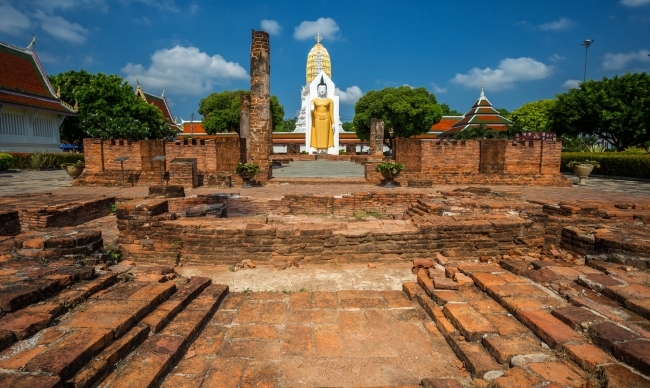
Phitsanulok is not only about history, but also about natural beauty. The province is home to mountains and national parks, such as Pha Dua National Park, with dense jungles, waterfalls, and caves where you can go trekking and see unique flora and fauna. The Nan River, which flows through the city, gives Phitsanulok a special charm — markets, cafes, and traditional villages are located on its banks.
5 facts about Phitsanulok:
1. "Gateway to the North" of Thailand. Phitsanulok is called the "gateway" between Central and Northern Thailand. It was through this province that trade and military routes historically passed, connecting the ancient capitals of Sukhothai and Ayutthaya with the northern lands.
2. One of the oldest cities in the country. The city was founded more than 600 years ago and at different times was part of the Sukhothai and Ayutthaya Kingdoms. For some time, Phitsanulok even served as the temporary capital of Siam.
3. Phra Phuttha Chinnarat — a national shrine. The Wat Phra Si Rattana Mahathat temple houses the Phra Phuttha Chinnarat statue, which many consider the most beautiful in Thailand. Its image can be seen on the country's coins and postage stamps.
4. A province on two rivers. Phitsanulok stands on the banks of the Nan and Khwae rivers, and in the surrounding areas, you can find picturesque waterfalls, caves, and national parks, which makes the province attractive for eco-tourism.
5. Center of military history. Phitsanulok is known as the birthplace of King Naresuan the Great — one of the most famous rulers of Siam, under whom the country reached the peak of its diplomatic and military influence.
9. Nakhon Ratchasima (Korat)
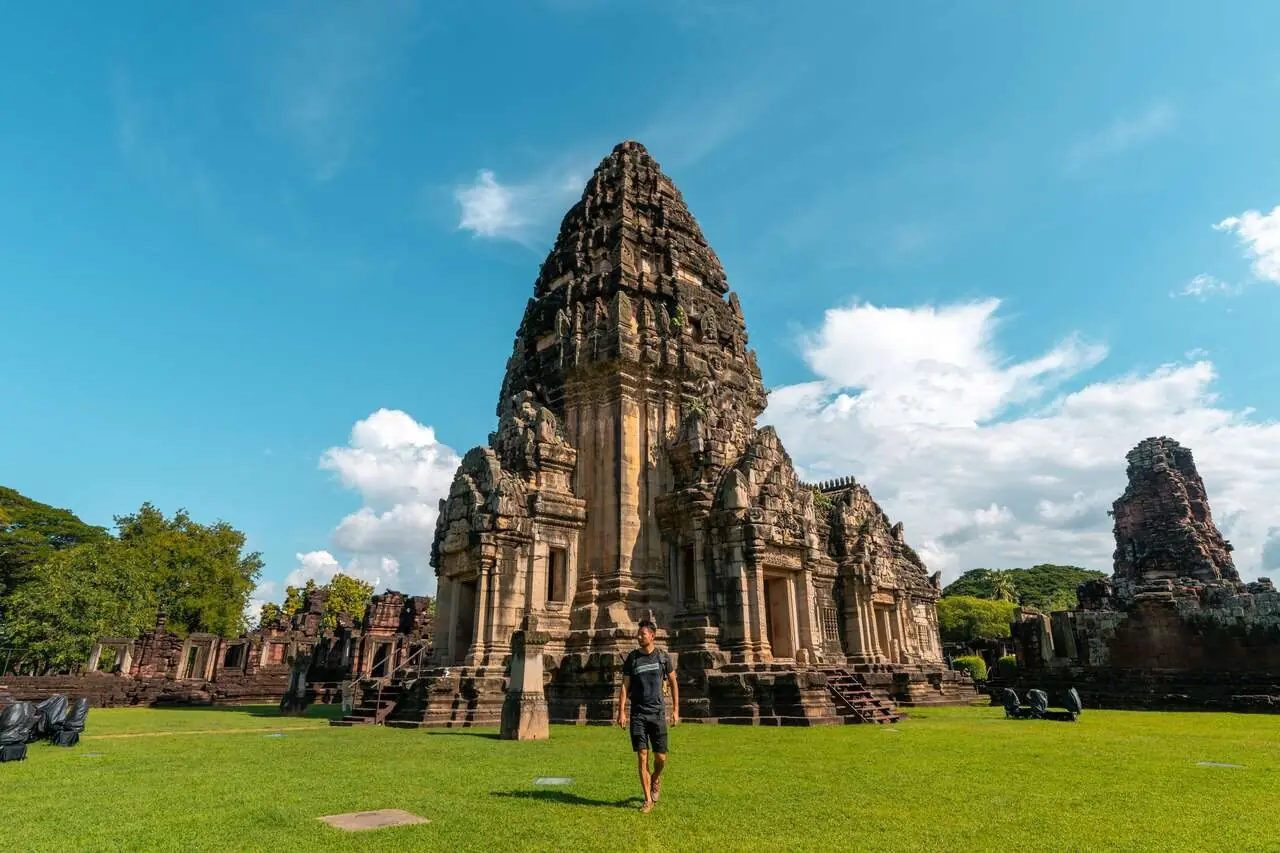
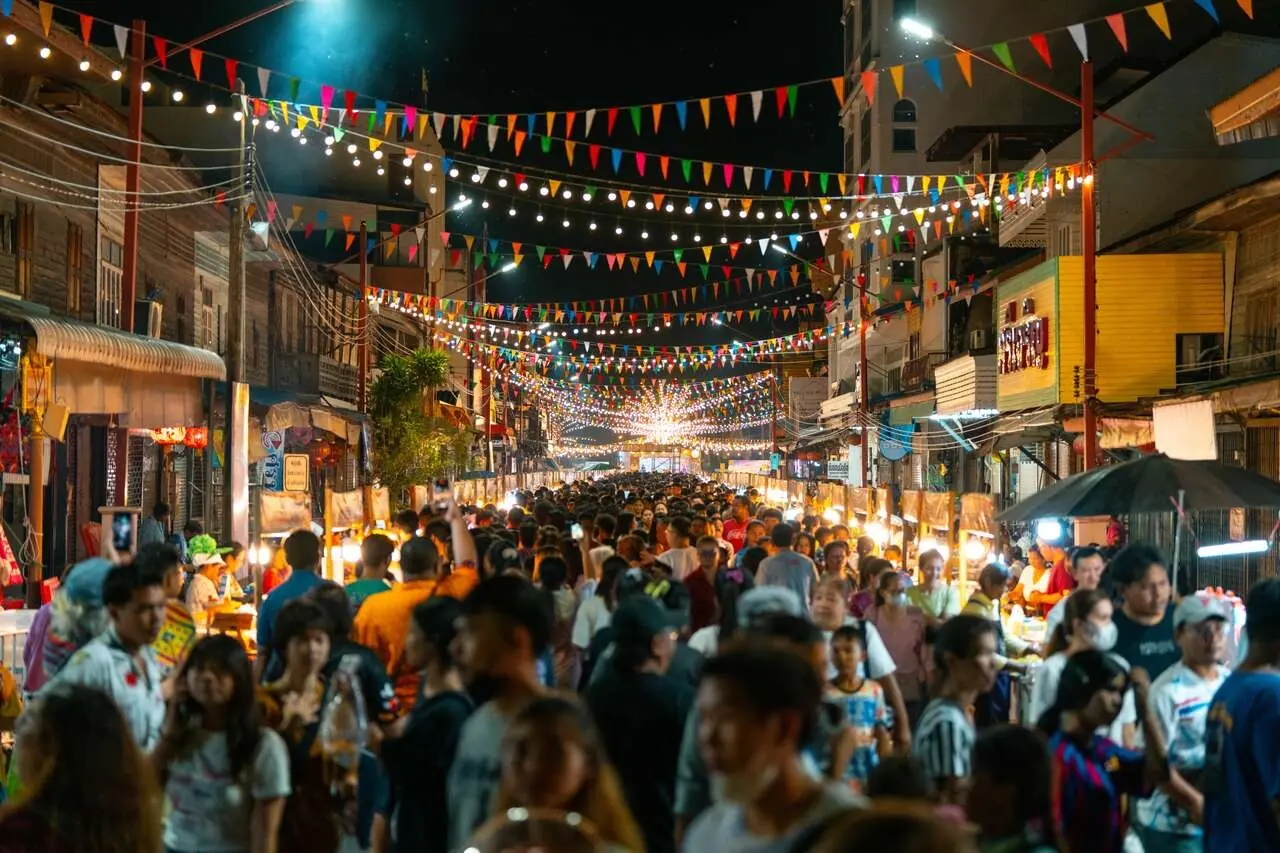
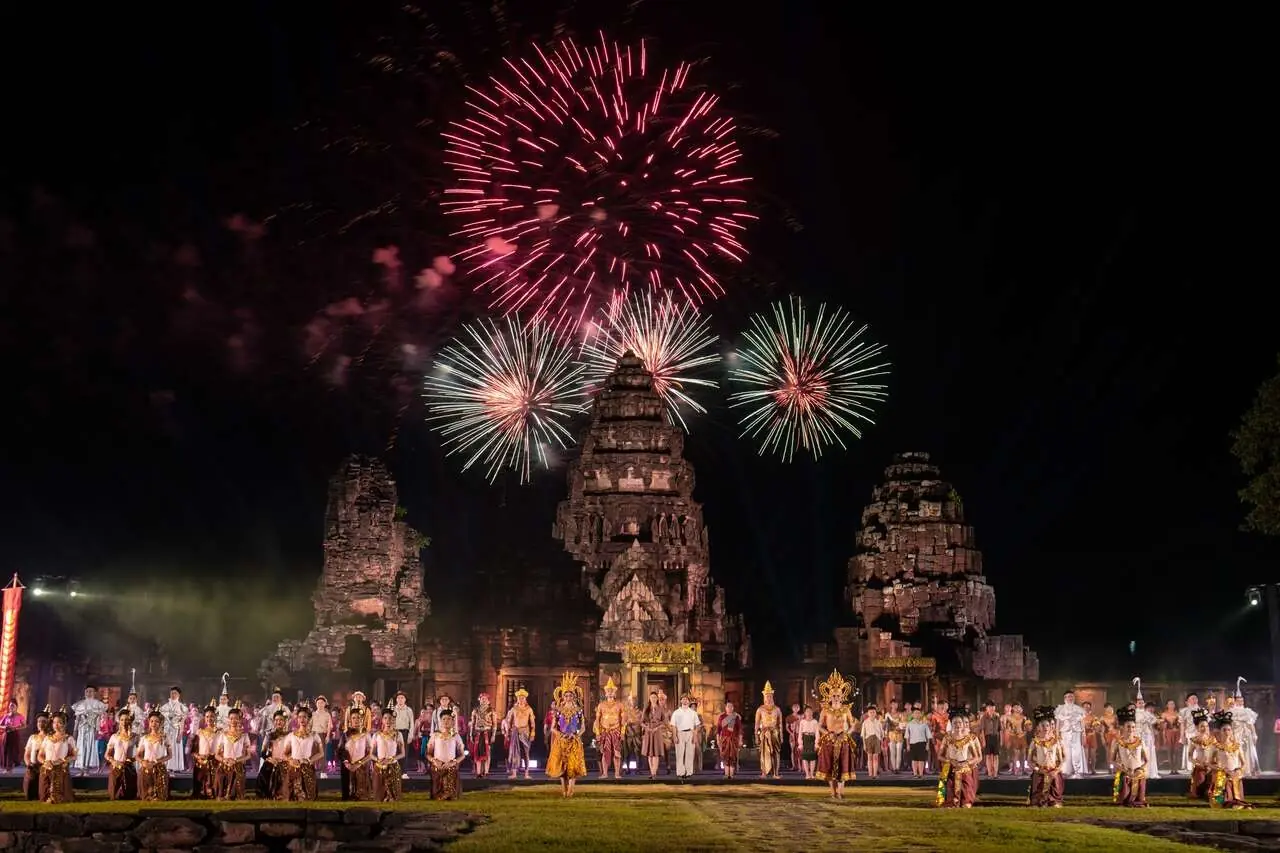
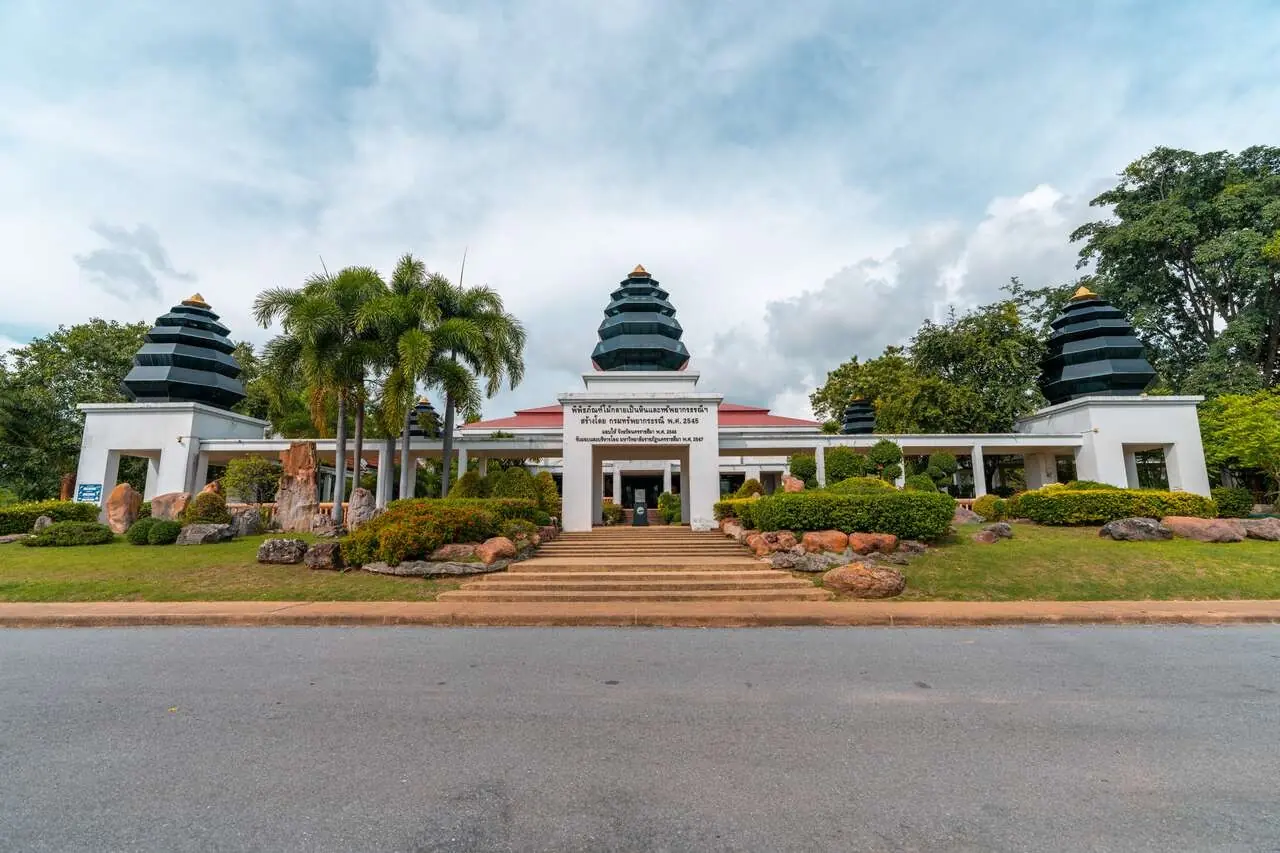
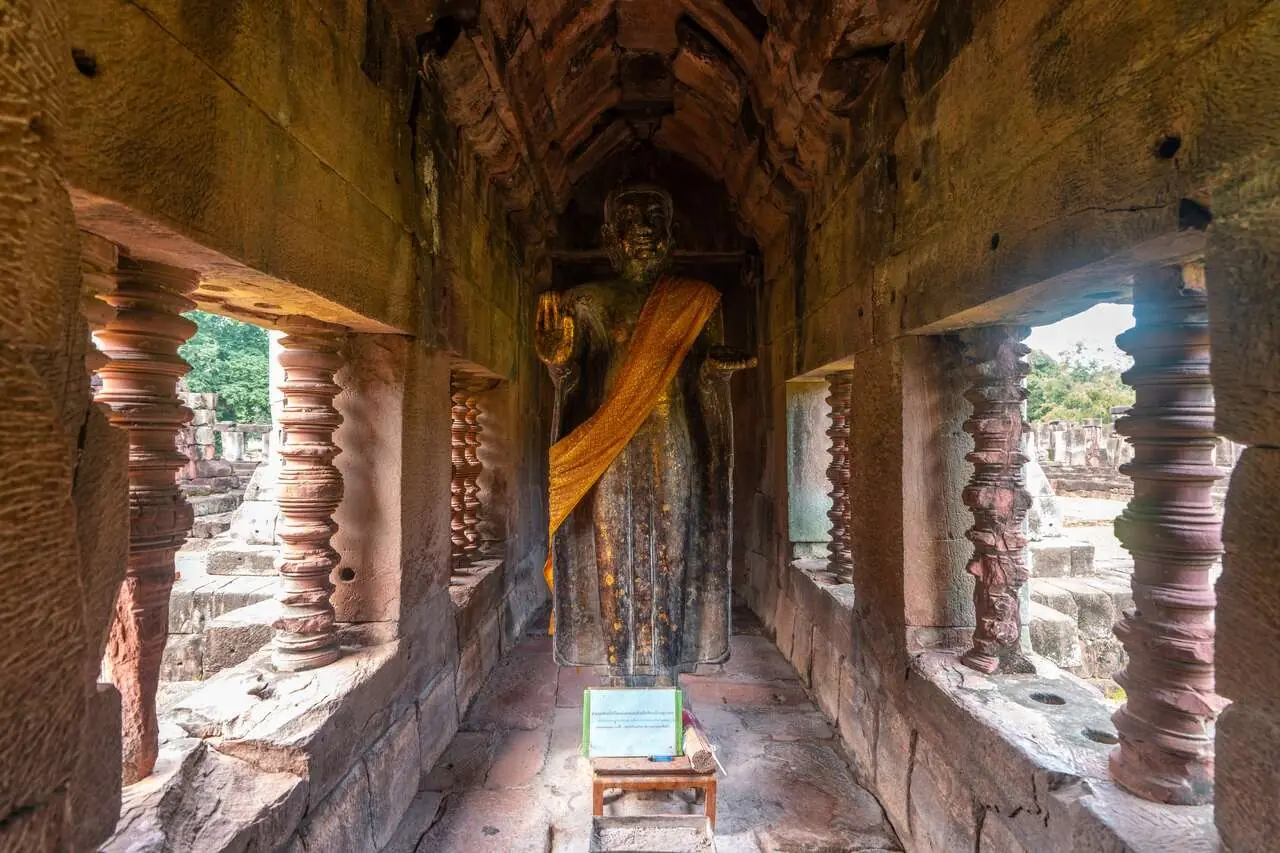
One of the largest provinces of Thailand, which is often called Korat (after the name of its main city). It is located in the northeast of the country and is considered the "gateway" to the Isaan region. The province combines ancient history, rich culture, and diverse natural beauty.
Korat has been an important strategic point since ancient times. Trade routes between central Thailand, Laos, and Cambodia passed through here.
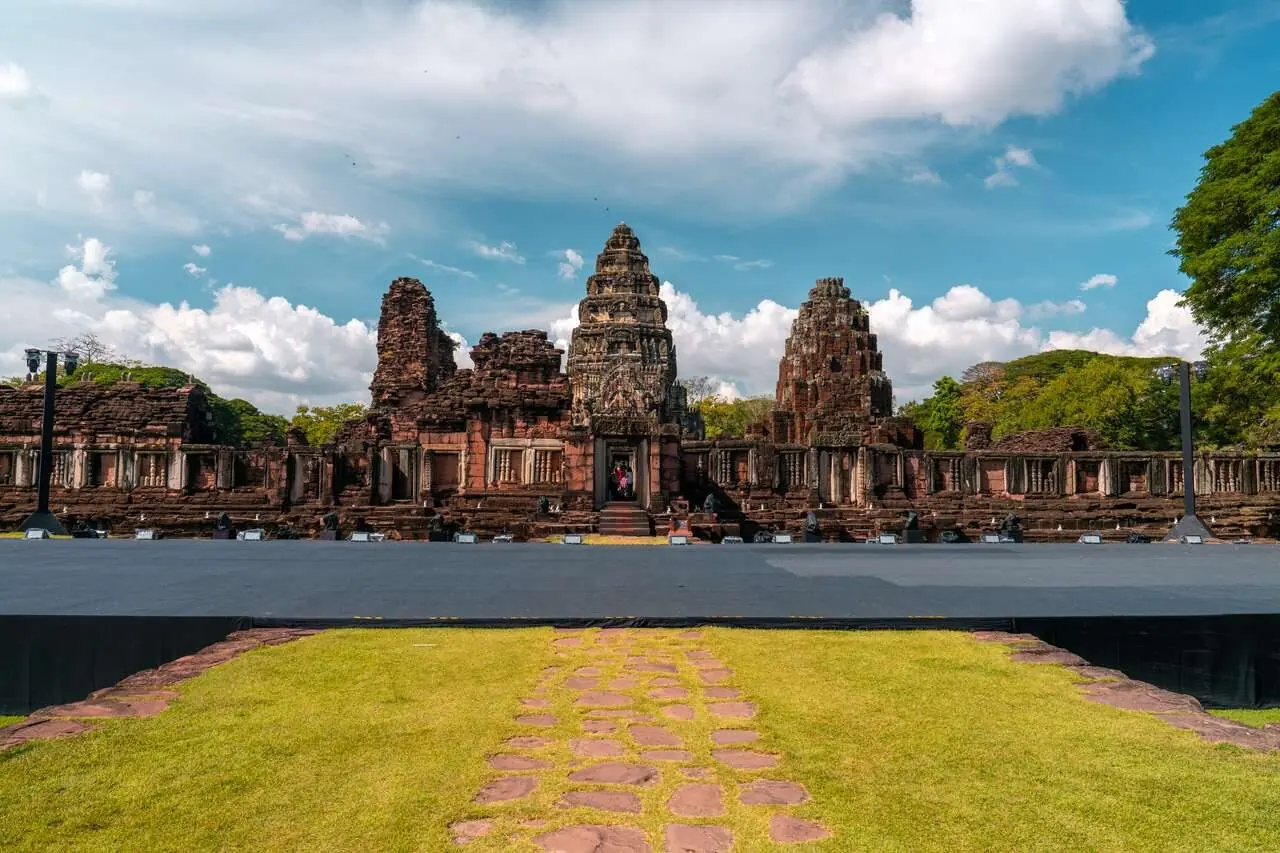
The province is famous for its historical monuments of the Khmer period — in particular, temple complexes in the Angkor style, such as Phimai Historical Park, which is older than the famous Angkor Wat in Cambodia.
Nakhon Ratchasima is home to one of the oldest and most famous national parks in Thailand — Khao Yai, which is included in the UNESCO World Heritage List. Here you can see elephants in their natural environment, waterfalls, dense jungles, and hundreds of bird species.
Moreover, Korat is known for its unique Phong Lang musical style and silk weaving, especially in the Pak Thong Chai area, where traditional production technologies are still preserved.
5 facts about Nakhon Ratchasima:
1. A temple older than Angkor Wat. Phimai Historical Park, located in Korat, was built back in the 11th century, which makes it about 100 years older than the famous Angkor Wat in Cambodia.
2. The birthplace of "Mrs. Thailand." The legendary Thao Suranari (Ya Mo), a national heroine who saved the city from a Lao invasion in the 19th century, hails from Korat. Her monument is the city's main attraction.
3. Wineries in the tropics. The province has several wineries, including the famous PB Valley Khao Yai, where grapes are grown and wine is produced in conditions that seem completely unsuitable for winemaking.
4. A paradise for silk lovers. Korat is a center for the production of famous Thai silk. The "Pak Thong Chai" variety is especially valued, which is woven by hand using ancient technologies.
5. The huge "Sayu" market. Korat is home to one of the largest indoor markets in northeastern Thailand, where you can buy everything — from fruits and spices to clothing and handmade souvenirs.
10. Satun (specifically Koh Lipe)
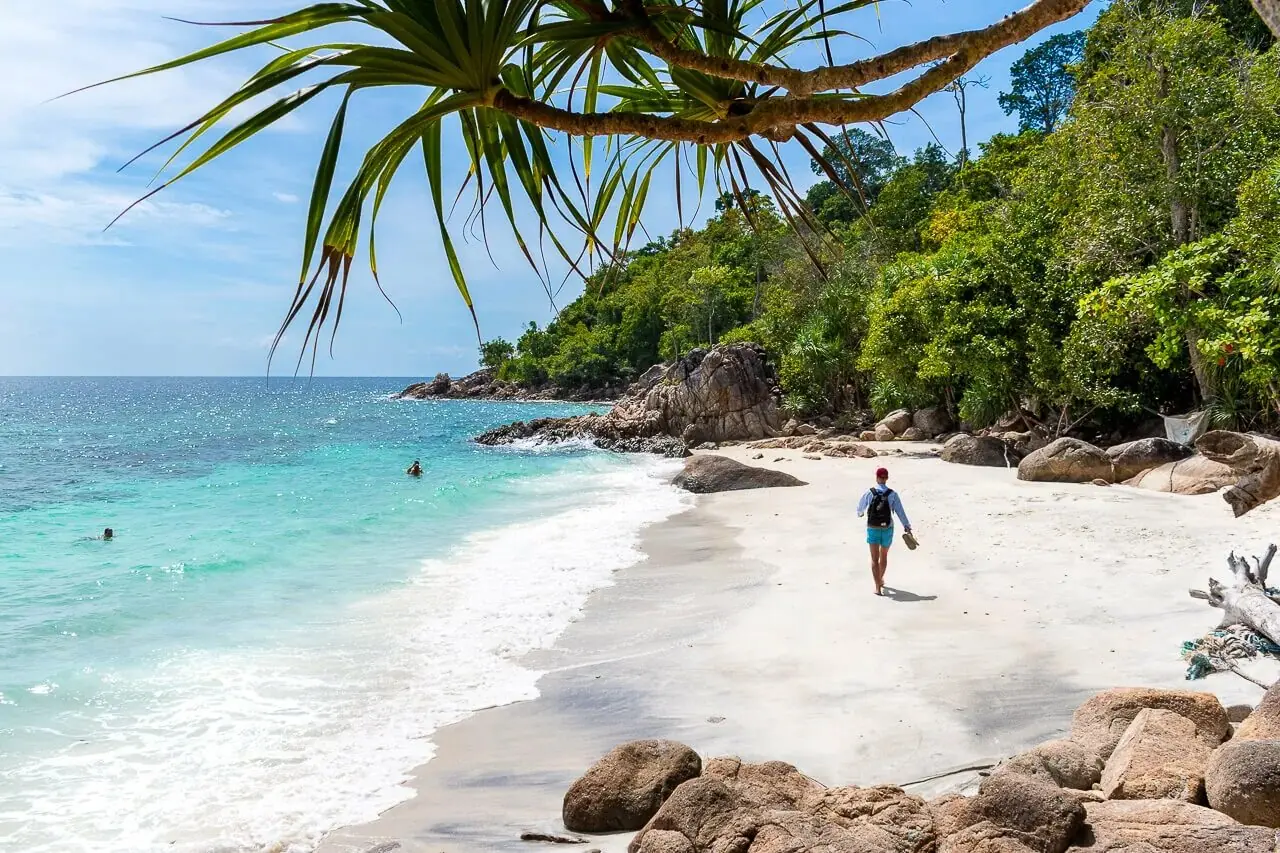
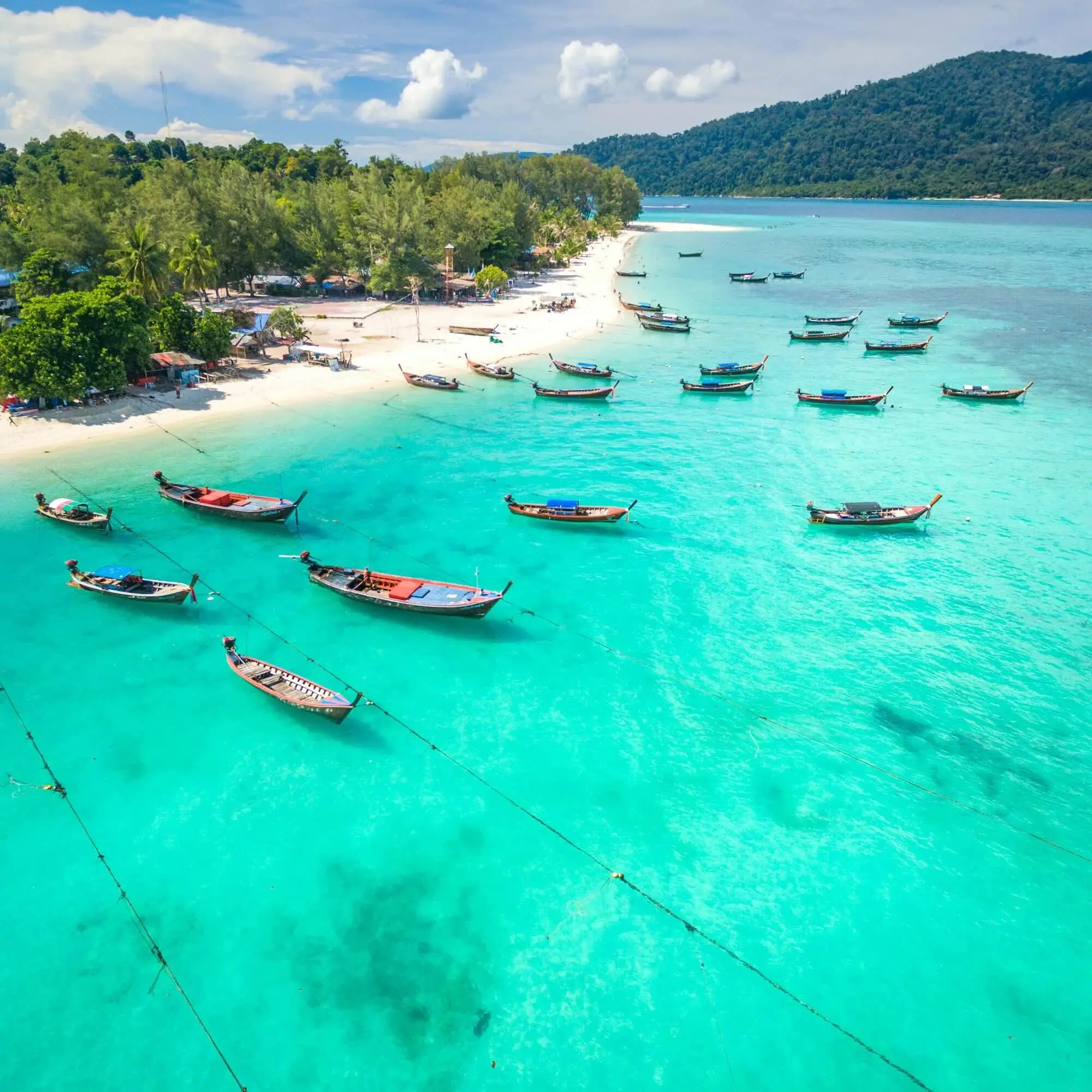
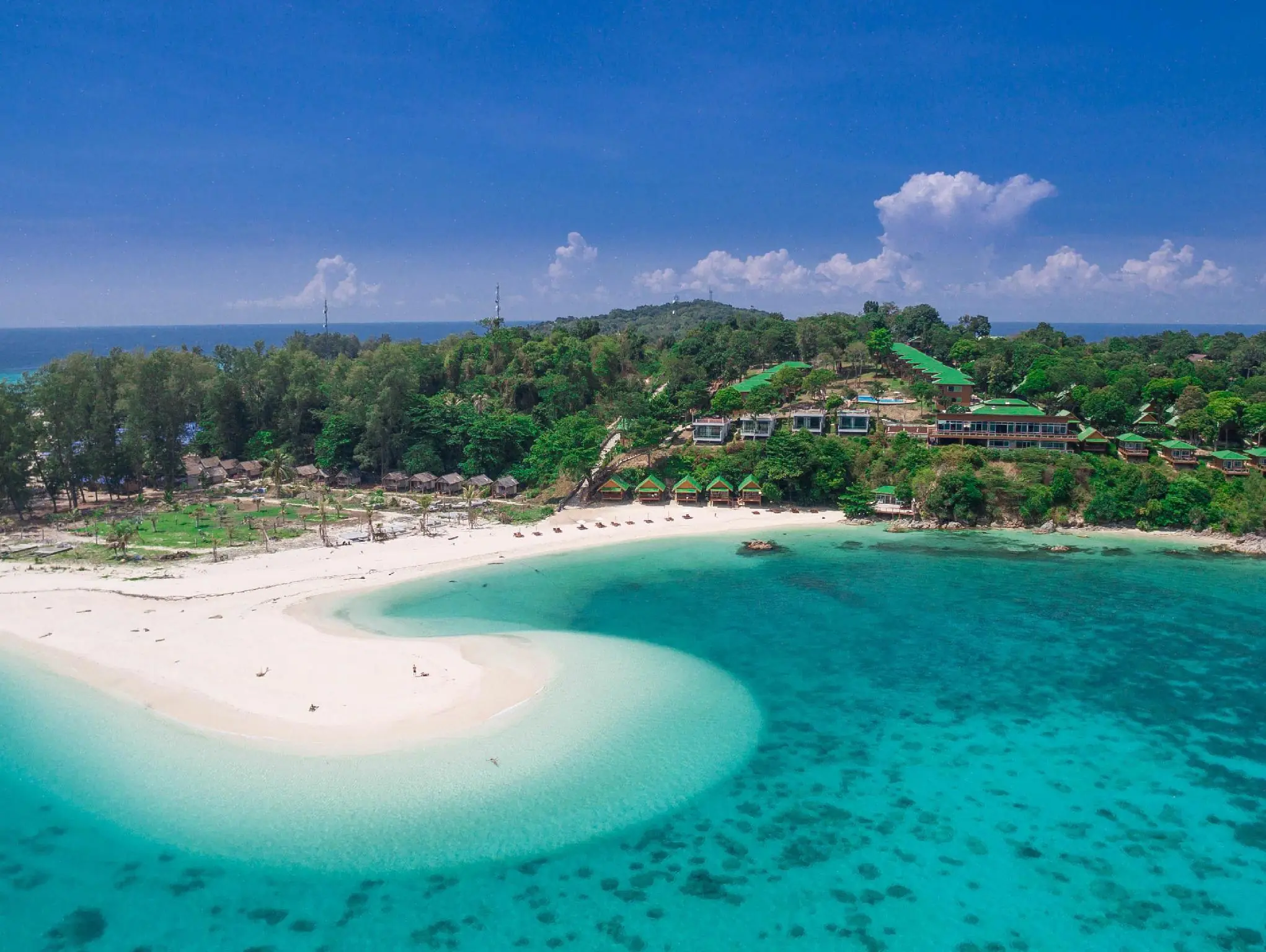
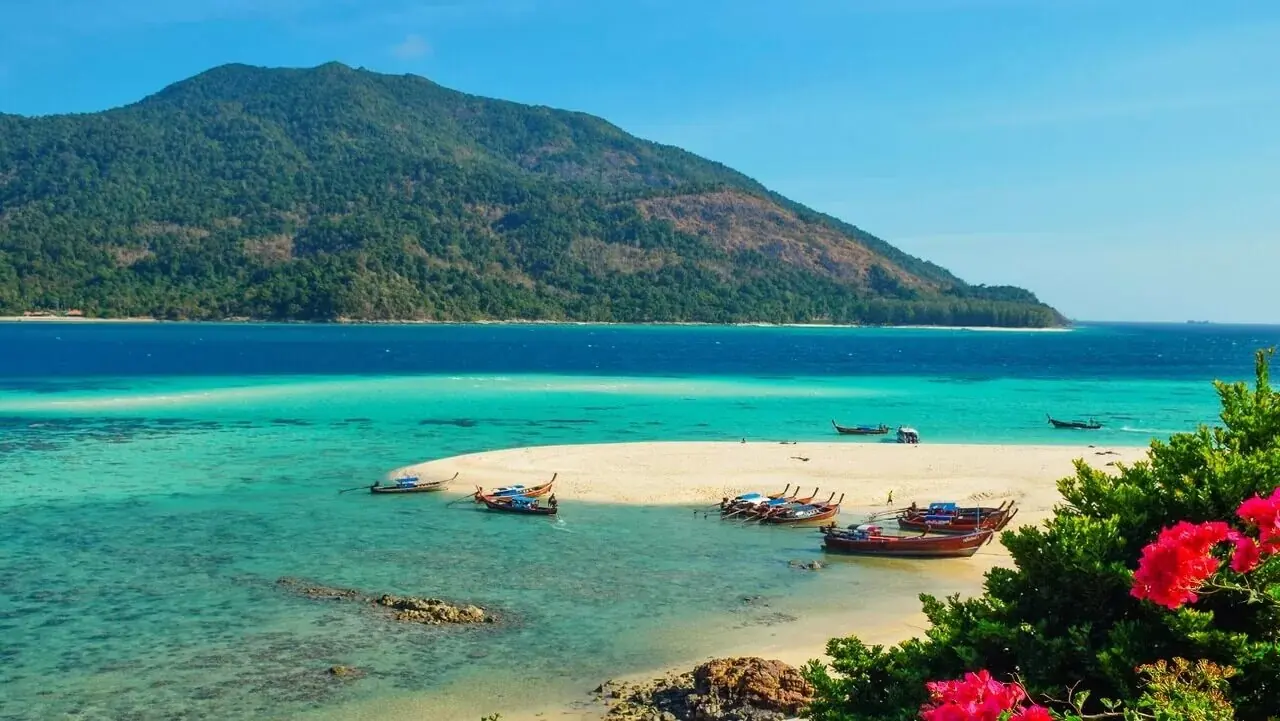
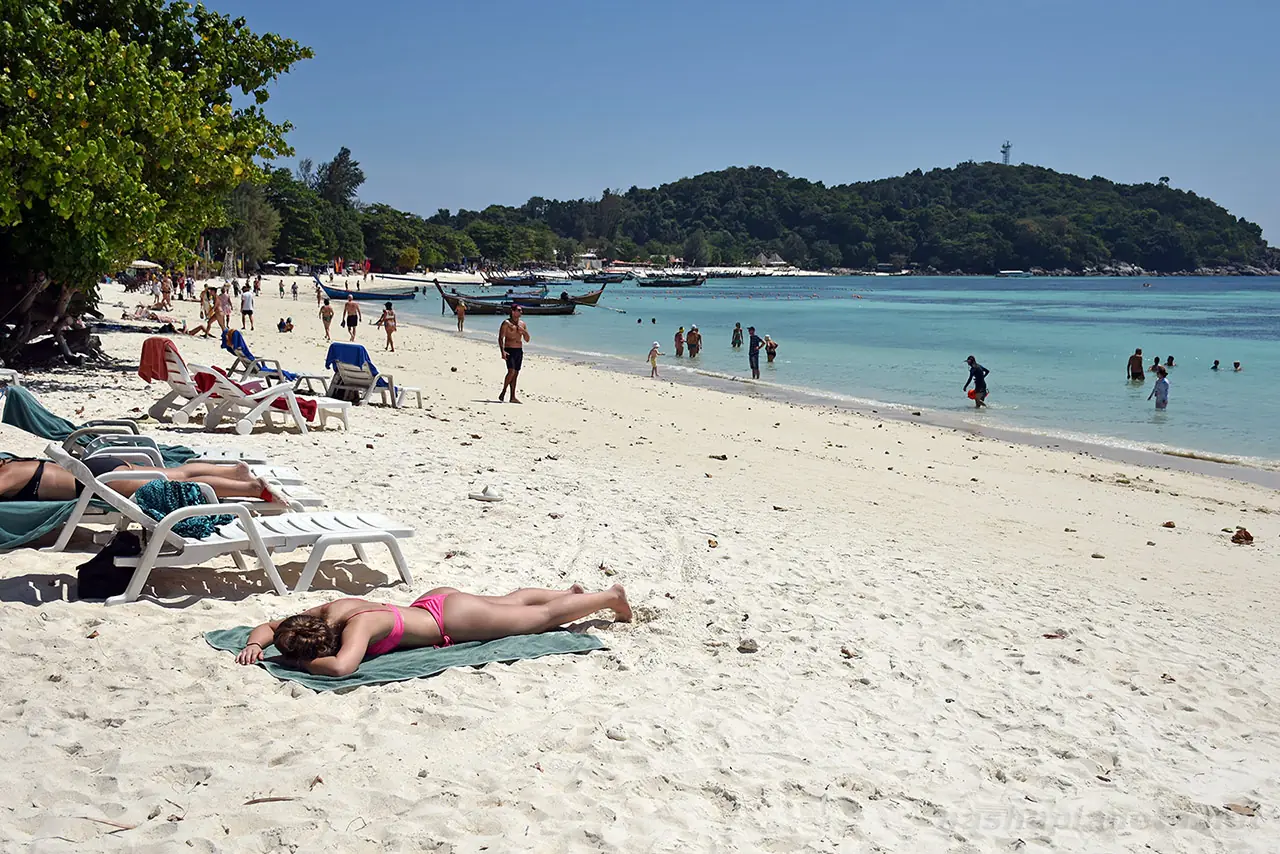
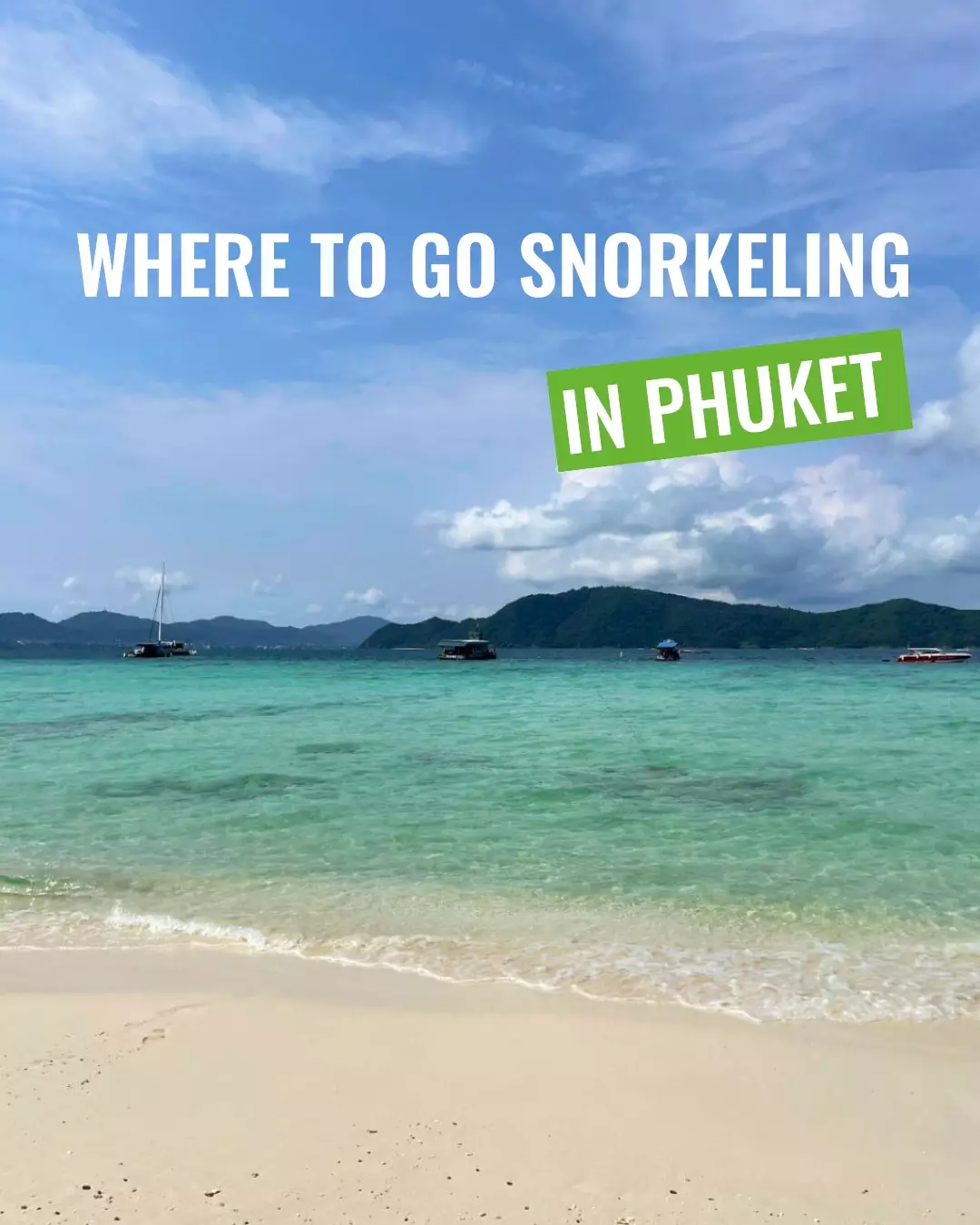
Satun is a rather quiet and little-known province in the very south of Thailand, on the border with Malaysia. In this province, we are interested in Koh Lipe — a small island often called the "Thai Maldives" — and these are not just beautiful words. Snow-white sand, crystal-clear water with shades ranging from turquoise to deep blue, and coral reefs right off the shore — all this makes the island an ideal place for relaxation and snorkeling.
The island is quite small — you can walk across it in an hour. It has only three main beaches: Pattaya Beach, Sunrise Beach, and Sunset Beach.
Koh Lipe is part of the Tarutao National Marine Park, so its nature is preserved almost in its pristine state. The marine life around the island is impressive: colorful corals, tropical fish, sea turtles, and even whale sharks, which sometimes swim by during the season.
You can get to Koh Lipe only by water: on speedboats from Pak Bara (Satun province), from Langkawi (Malaysia), or from neighboring islands. There are no cars here — only walking and boats, which creates a special atmosphere of tranquility.
5 facts about Koh Lipe:
1. An island without addresses. Koh Lipe has no house numbering, and many people navigate by cafes or hotels.
2. Crystal-clear water all year round. Thanks to its unique location, there are no strong currents or murky tides here.
3. Sea "gypsies." The Urak Lawoi community, a nation of "sea nomads," lives here, fishing with traditional methods for centuries.
4. Complete lack of transport. There are no cars or mopeds on the island, at most — bicycles.
5. Glowing plankton. At night, you can see bioluminescent plankton in the water, which glows when it moves.
As you have already understood, Thailand is an amazing kaleidoscope of cultures, nature, and history, where each province is a separate chapter of a huge book. From bustling metropolises to secluded mountain villages, from snow-white beaches to ancient temples — you can explore the Land of Smiles endlessly!